Mouth Tape for Running, Lifting, and Cardio: The Athlete's Guide to Nasal Breathing
Share
You have probably seen fighters, runners, and lifters training with a strip of tape over their lips and wondered if they were doing some kind of breathing drill or just making their workout harder on purpose. The reality is simpler and more practical than it looks: mouth tape for running and other exercise forces you to breathe through your nose, which increases nitric oxide production, improves oxygen delivery to working muscles, and helps regulate your breathing pace so you can sustain effort longer without spiraling into hyperventilation.
Nasal breathing during exercise is not new. It has been a foundation of endurance training, martial arts, and yoga for decades. What is new is the growing number of athletes using Titan Mouth Tape and TitanAir Nasal Strips together to make nasal breathing practical during higher-intensity work, not just meditation or walking.
Why Nasal Breathing During Exercise Matters
When you breathe through your mouth during a workout, air bypasses the nasal passages entirely. That might feel like you are getting more air, but you are actually losing some significant advantages.
Nitric oxide production. Your paranasal sinuses produce nitric oxide when air passes through the nasal cavity. Nitric oxide is a vasodilator. It widens blood vessels, lowers vascular resistance, and improves oxygen delivery to muscles during exercise. Mouth breathing skips this entirely.
Breathing pace regulation. Nasal breathing creates natural resistance that slows your breathing rate and forces deeper, more diaphragmatic breaths. During lifting, this prevents the shallow, rapid breathing pattern that leads to dizziness, early fatigue, and poor bracing. During cardio, it keeps your breathing rhythmic and sustainable instead of frantic.
CO2 tolerance. Training with nasal breathing builds your tolerance to carbon dioxide, the gas that actually triggers the urge to breathe. Over time, this means you can sustain harder efforts before your body demands that gasping, open-mouth recovery breath. The benefits of nasal breathing compound the longer you practice it.
Who Is Already Doing This
This is not a fringe practice. UFC champion Sean O'Malley has been open about using mouth tape as part of his recovery and performance stack. Fighters depend on controlled breathing to manage adrenaline, sustain output across rounds, and recover between bursts of maximum effort. Mouth taping during training forces that discipline.
Bodybuilders and powerlifters have adopted nasal breathing during accessory work and moderate-load sets to improve bracing and focus. Runners use it for zone 2 aerobic base building, where the goal is to keep intensity below the ventilatory threshold. Even the youngest IFBB Pro, Anton Ratushnyi, uses nasal strips as part of his recovery protocol, because the breathing benefits carry from the gym floor to the pillow.
Mouth Tape vs. Nasal Strips for Working Out
These two tools solve different sides of the same problem, and they work best together.
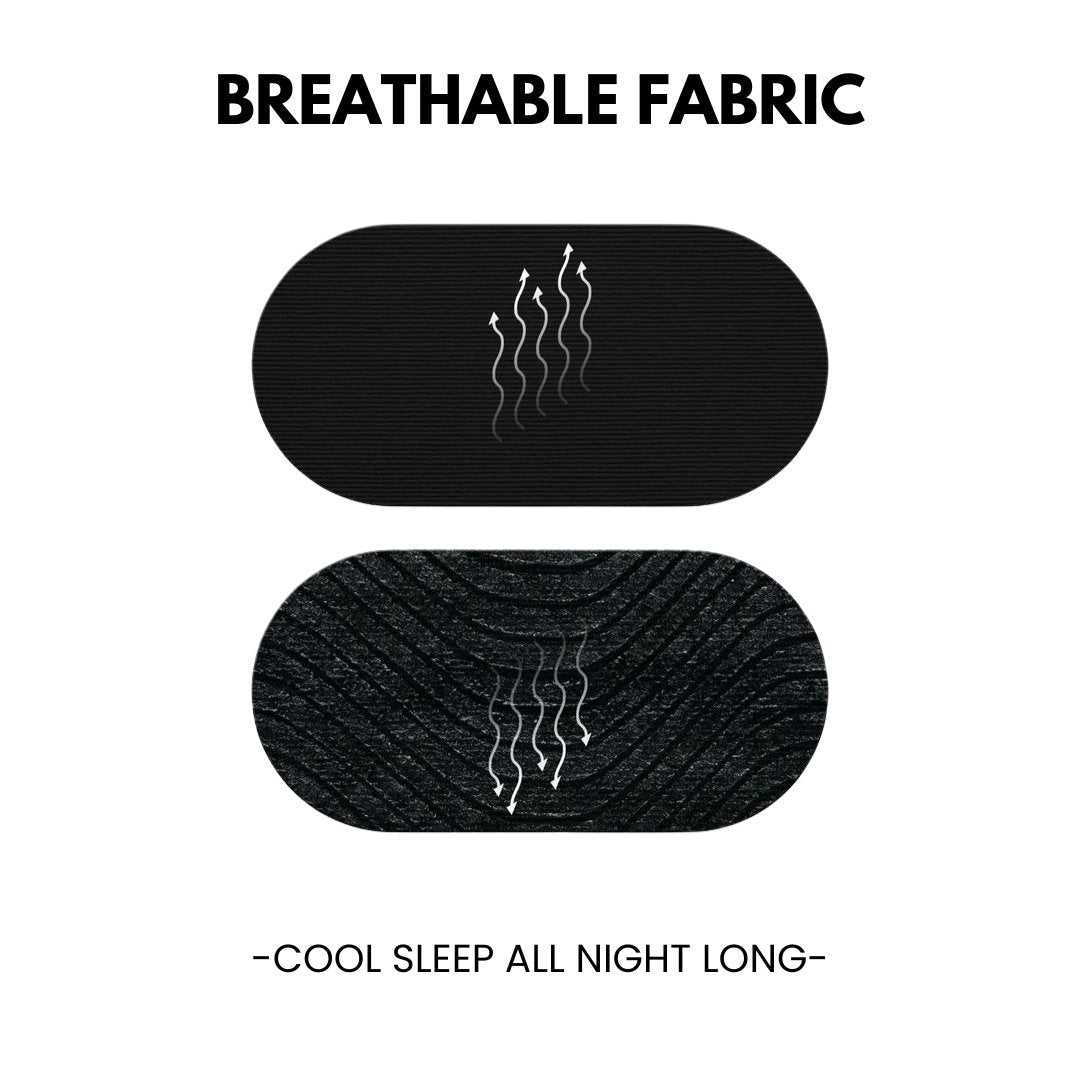
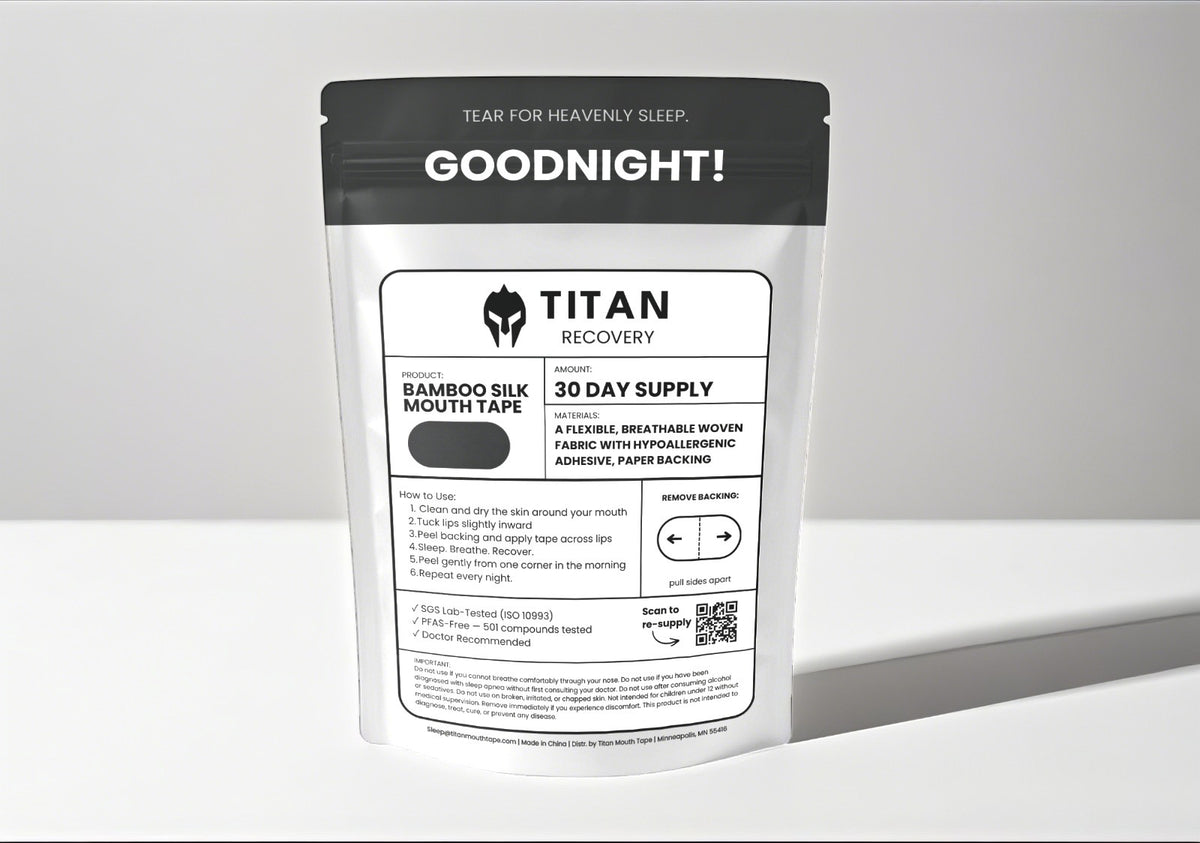
Mouth tape keeps your lips sealed, which forces nasal breathing. It is the behavioral cue. Without it, most people default to mouth breathing within a few minutes of effort, even if they start a set intending to breathe through the nose. Titan Mouth Tape uses a gentle, medical-grade adhesive that holds through sweat but removes cleanly, making it practical for nasal breathing during exercise, not just sleep.
Nasal strips mechanically open your nostrils from the outside, reducing nasal airway resistance. When you are using nasal strips for working out, you get more airflow through a wider nasal passage, which makes it easier to sustain nasal-only breathing under load. TitanAir Nasal Strips provide a firm, consistent lift that does not fade mid-set.
Together, the tape commits you to nasal breathing and the strip makes sure your nose can actually handle the airflow demand. This combination is what makes mouth tape at the gym practical rather than suffocating.
How to Start: A Practical Progression
Do not slap tape on your face and go run a 5K. Build into it.
Week 1-2: Low-intensity only. Walking, light cycling, yoga, or stretching with mouth tape and nasal strips. The goal is to get comfortable with the sensation and teach your body that nasal breathing is enough at low effort levels. If you feel panicked, remove the tape. No judgment. The adaptation is real and it takes a few sessions.
Week 3-4: Moderate-intensity work. Steady-state cardio at a conversational pace. Warm-up and cool-down sets in the weight room. This is where you start noticing that your breathing is calmer and more controlled than when you mouth-breathe through the same effort level.
Week 5 and beyond: Higher intensity with limits. Tempo runs, circuit training, moderate to heavy compound lifts. The rule of thumb: if you cannot maintain nasal breathing, the intensity is above your current nasal threshold. Back off slightly or remove the tape for max-effort sets, sprints, and anything above roughly 85 percent of your max heart rate. This is a training tool, not a test of willpower.
For detailed recommendations on which strips work best during training, check our guide to the best nasal strips for working out.
Which Exercises Work Best With Nasal Breathing
Great fit: Zone 2 running and cycling, rowing at moderate pace, yoga, accessory lifts, hypertrophy-rep-range sets, walking lunges, and steady-state cardio machines.
Workable with practice: Tempo runs, moderate-weight compound lifts (squat, bench, deadlift at 60-75 percent 1RM), circuit training with built-in rest, and nasal breathing cardio like jump rope at a sustainable pace.
Switch to mouth breathing: Max-effort sprints, heavy singles and doubles, AMRAP sets near failure, and any moment where you genuinely cannot get enough air. This is not a failure. High-intensity anaerobic work demands more oxygen than your nose can supply. The goal is to push your nasal breathing threshold higher over time, not to white-knuckle through every set.
The Recovery Multiplier
Here is where the real compounding happens. Better breathing during exercise and better breathing during sleep are not separate benefits. They feed each other.
Nasal breathing during training improves your CO2 tolerance, conditions your diaphragm, and builds the habit of nose breathing. That habit carries into sleep, where it reduces snoring, improves sleep architecture, and boosts HRV and heart rate variability, one of the clearest markers of recovery quality.
Better recovery means better performance in your next session. Better performance means more adaptation. It is a cycle that starts with something as simple as keeping your mouth closed. If you are already building a sleep optimization stack, adding nasal breathing during exercise is the daytime half of the equation. The Titan Deep Sleep Bundle covers both sides: mouth tape and nasal strips for training and recovery.
Frequently Asked Questions
Is it safe to wear mouth tape while running?
Yes, when used correctly. Titan Mouth Tape is designed to release easily if you need to open your mouth, so it does not create an airtight seal. Start with low-intensity runs and build up. If you feel lightheaded or unable to get enough air, remove the tape and breathe normally. The tape is a training aid, not a restriction device.
Can I use mouth tape during heavy lifting?
For moderate-load sets and accessory work, absolutely. Many lifters find that nasal breathing improves their bracing and focus. For max-effort lifts where you need a full Valsalva maneuver or explosive exhale, remove the tape for those sets. Use it during warm-ups, hypertrophy work, and cool-downs.
Will nasal breathing make me slower or weaker?
Initially, yes. You will feel like you cannot sustain the same pace or load. That is normal and temporary. Your body needs time to adapt to the higher CO2 levels that come with nasal breathing. Within a few weeks, most athletes find their sustainable pace returns and their breathing efficiency at that pace is noticeably better.
Should I use nasal strips AND mouth tape together during workouts?
That is the ideal setup. The tape commits you to nasal breathing, and the strips open your nasal passages so your nose can actually handle the airflow. Without the strips, many people find nasal-only breathing too restrictive during anything above a walk. The combination makes mouth tape for working out practical across a wider range of intensities.
How long before I notice a difference in performance?
Most people notice improved breathing control and reduced post-exercise breathlessness within two to three weeks of consistent nasal breathing exercise. The CO2 tolerance and aerobic efficiency gains build over four to eight weeks. The recovery benefits from better sleep breathing can show up in HRV data within the first week if you are tracking it.
The Bottom Line
Mouth tape for running, lifting, and cardio is not a gimmick. It is a straightforward way to train your body to breathe more efficiently through your nose, which improves nitric oxide production, regulates your breathing pace, and builds the kind of respiratory fitness that carries into every other part of your day and night. Start slow, pair mouth tape with nasal strips for the best results, and give your body time to adapt. The athletes who are doing this are not doing it because it is trendy. They are doing it because it works.
Doctor Recommended: "As a maxillofacial surgeon and dentist, I recommend Titan Mouth Tape. Nasal breathing during sleep is essential for airway health and deep restorative rest. Titan's bamboo silk design is the most comfortable and effective mouth tape I have tested. If you struggle with snoring, dry mouth, or poor sleep quality, this is the simplest change you can make for your health." — Dr. Francois P., MD, DDS — Maxillofacial Surgeon
Lab-Tested Safety: Titan's adhesive is independently tested to ISO 10993 medical device standards. Non-toxic (95% cell viability). Non-allergenic (0% reaction rate). Non-irritating (score 0.0/8.0). PFAS-free — 501 compounds tested, zero detected. See full test results →
Try the complete system tonight. Titan Mouth Tape (bamboo silk, SilkSeal™ adhesive) + TitanAir Nasal Strips. Free shipping. 30-night Better Sleep Guarantee. Shop Titan Mouth Tape → · Shop TitanAir Nasal Strips →