The 12 Best Foods for Better Sleep
Share
Certain foods contain compounds — melatonin, tryptophan, magnesium, specific antioxidants — that directly support the biochemistry of falling asleep and staying asleep. The best foods for sleep are the ones that give your body the raw materials it needs to produce sleep-regulating hormones and calm the nervous system during the hours before bed. No single food is a magic fix, but the right ones at the right time make a measurable difference.
Here are twelve foods with real mechanisms behind them, and how to use each one.
1. Tart Cherries
Mechanism: natural melatonin. Tart cherries — specifically Montmorency cherries — are one of the few natural food sources of melatonin itself. They also contain tryptophan and anti-inflammatory anthocyanins that reduce oxidative stress. A study in the European Journal of Nutrition found that adults who drank tart cherry juice for seven days had significantly elevated melatonin levels and more total sleep time than those drinking a placebo.
How to use them: Eight ounces of unsweetened tart cherry juice about an hour before bed, or a handful of dried tart cherries. Avoid sweetened cocktail versions — the added sugar spikes insulin and undermines the benefit.
2. Kiwi
Mechanism: serotonin and antioxidants. Kiwi is one of the more studied foods that help you sleep. Research from Taipei Medical University found that eating two kiwis one hour before bed improved sleep onset by 35 percent and total sleep time by 13 percent over four weeks. The likely mechanism is kiwi's high serotonin content (a precursor to melatonin) combined with vitamins C and E, which may reduce inflammation that disrupts sleep.
How to use it: Two kiwis roughly an hour before bed. They are light and easy to digest — no reflux risk.
3. Fatty Fish (Salmon, Mackerel, Sardines)
Mechanism: vitamin D and omega-3s affect serotonin. Omega-3s — specifically DHA — help serotonin receptors function properly, and vitamin D is involved in serotonin synthesis. A study in the Journal of Clinical Sleep Medicine found that people who ate salmon three times per week for six months fell asleep about ten minutes faster than those eating chicken, beef, or pork.
How to use it: Two to three servings per week as part of dinner, finishing at least two hours before bed. The benefit comes from consistent dietary inclusion, not a single bedtime serving.
4. Almonds
Mechanism: magnesium activates the parasympathetic nervous system. Almonds deliver about 80 milligrams of magnesium per ounce. Magnesium activates the "rest and digest" branch of the nervous system, regulates melatonin, and binds to GABA receptors — the same neurotransmitter system targeted by prescription sleep medications.
How to use them: A small handful (about one ounce) as an evening snack. Pair with a banana for an even stronger magnesium and potassium combination.
5. Walnuts
Mechanism: melatonin, omega-3s, and magnesium in one food. Walnuts contain their own supply of melatonin and provide ALA (alpha-linolenic acid), a plant-based omega-3 the body partially converts to DHA and EPA. This combination makes walnuts one of the more well-rounded sleep foods available.
How to use them: About one ounce in the evening. The sleep benefit comes from the nutrients, not the volume — keep portions modest.
6. Turkey
Mechanism: tryptophan. Turkey is high in tryptophan, an essential amino acid your body cannot produce on its own. Tryptophan converts to serotonin, which then converts to melatonin. The effect is strongest when paired with a small serving of carbohydrates, which help tryptophan cross the blood-brain barrier more efficiently.
How to use it: A few slices of turkey breast with whole-grain crackers or a slice of whole-wheat toast. Keep it light — this is not permission to eat a full turkey dinner at 10 PM.
7. Bananas
Mechanism: magnesium, potassium, and vitamin B6. Magnesium and potassium relax muscles and nerves. Potassium also reduces nighttime leg cramps that fragment sleep. Vitamin B6 is required for converting tryptophan into serotonin. One medium banana provides about 34 milligrams of magnesium and 422 milligrams of potassium.
How to use them: One banana about an hour before bed, on its own or with a tablespoon of almond butter.
8. Warm Milk
Mechanism: tryptophan, calcium, and ritual. Milk contains tryptophan, and calcium helps the brain use tryptophan to manufacture melatonin. The warmth may also trigger the body's heat-dissipation response — the resulting core temperature drop signals the brain that it is time to sleep. There is also a real psychological component: familiar bedtime rituals support sleep onset on their own.
How to use it: One cup of warm milk 30 to 60 minutes before bed. Lactose intolerant? Fortified almond or oat milk provides some of the same minerals, though less tryptophan.
9. Chamomile Tea
Mechanism: apigenin binds GABA receptors. Chamomile contains apigenin, a flavonoid that binds to GABA-A receptors in the brain. GABA is the primary inhibitory neurotransmitter — it calms neural activity and promotes relaxation. The effect is mild compared to pharmaceuticals, but measurable. Chamomile is caffeine-free and very low calorie, making it one of the easiest foods for deep sleep to incorporate.
How to use it: Steep one to two teabags for five minutes and drink 30 to 60 minutes before bed.
10. Passionflower Tea
Mechanism: GABA enhancement. Passionflower works through a similar pathway as chamomile, but some research suggests it may be more potent. A study in Phytotherapy Research found that participants who drank passionflower tea nightly for one week showed significantly better sleep quality scores compared to placebo. Active compounds including chrysin increase GABA availability in the brain.
How to use it: One cup about an hour before bed. Caffeine-free with a mildly grassy, slightly sweet flavor.
11. White Rice
Mechanism: high glycemic index aids tryptophan transport. Counterintuitive, but a moderate insulin response can help sleep. Insulin clears competing amino acids from the bloodstream, which lets tryptophan cross the blood-brain barrier more easily. A study in the American Journal of Clinical Nutrition found that a high-GI meal eaten four hours before bed significantly shortened sleep onset compared to a low-GI meal.
How to use it: About one cup cooked, as part of dinner, finishing three to four hours before bed. Too close to bedtime and the blood sugar fluctuation fragments sleep instead of helping it.
12. Oats and Sweet Potatoes
Oats are a natural source of melatonin and provide complex carbohydrates that promote a steady insulin response — enough to help tryptophan reach the brain without the spike and crash of refined sugars. They also deliver magnesium and B vitamins that support neurotransmitter production. A small bowl of oatmeal is one of the most accessible foods that help you sleep.
Sweet potatoes bring potassium (about 440 milligrams per medium potato), complex carbohydrates for steady serotonin production, and vitamin B6 for tryptophan conversion. They digest slowly, which means less risk of a blood sugar crash during the night.
How to use them: A small bowl of oatmeal topped with walnuts or banana makes a good evening snack. Sweet potatoes work best as a dinner component two to three hours before bed — roasted or baked.
Food Is Only Half the Equation
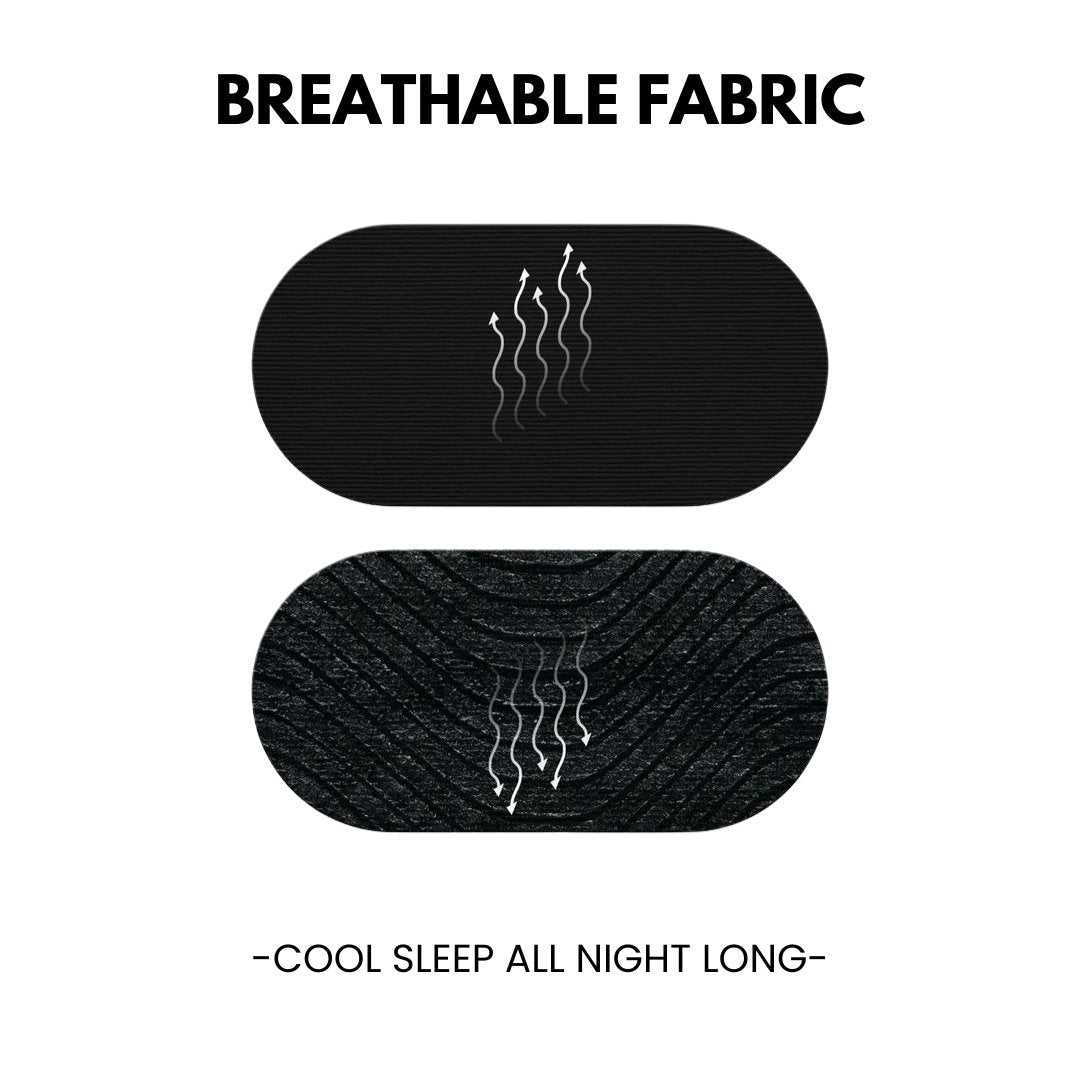
Here is the honest reality: the best bedtime snack in the world will not help if you are mouth breathing all night. Your body can produce plenty of melatonin, your muscles can be fully relaxed from magnesium, and your GABA receptors can be calmed by chamomile — but if your mouth falls open during sleep, you lose the nasal breathing pathway that delivers nitric oxide, humidifies incoming air, and supports the deep-sleep stages where real recovery happens.
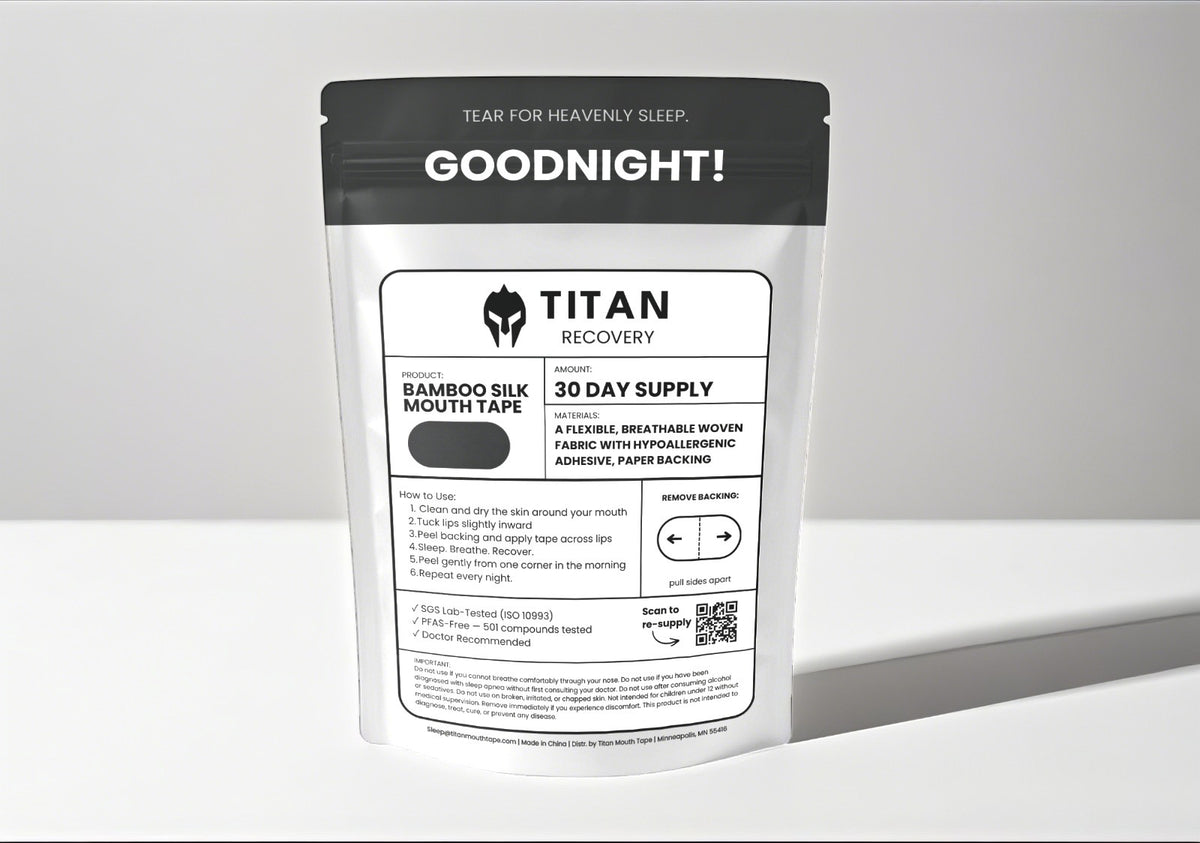
Nutrition and breathing are two sides of the same equation. Getting the food side right gives your body better inputs. Maintaining nasal breathing with mouth tape ensures those inputs actually translate into deep sleep. Pairing both with TitanAir Nasal Strips keeps the nasal airway mechanically open so nothing forces your body to fall back on mouth breathing.
Frequently Asked Questions
What is the single best food for sleep?
Tart cherry juice has the strongest direct evidence because it contains meaningful amounts of melatonin itself, not just precursors. But no single food replaces consistent sleep habits.
How long before bed should I eat for better sleep?
Full meals should finish two to three hours before bed. Light snacks from this list — kiwis, a handful of almonds, chamomile tea — are fine within an hour of bedtime because they do not trigger significant metabolic activity.
Can eating the right foods replace melatonin supplements?
For most people, a diet rich in natural melatonin sources (tart cherries, walnuts, oats) combined with tryptophan-rich foods (turkey, milk) and magnesium (almonds, bananas) provides enough raw material for the body to produce adequate melatonin on its own. Supplements deliver a much larger dose, which is why some sleep researchers prefer the food-based approach — it supports your body's own production rather than overriding it.
Do these foods work if I have insomnia?
These foods support the biochemistry of normal sleep, but clinical insomnia involves factors — hyperarousal, anxiety, conditioned wakefulness — that diet alone cannot address. Cognitive behavioral therapy for insomnia (CBT-I) is the first-line treatment. Think of sleep-friendly foods as helpful contributors within a broader strategy, not standalone solutions.
The Bottom Line
The best foods for sleep work because they supply the specific nutrients your body needs to produce melatonin, serotonin, and GABA. Tart cherries and oats supply melatonin directly. Turkey, milk, and fish provide the tryptophan that converts into serotonin and then melatonin. Almonds, bananas, and sweet potatoes deliver the magnesium that activates your parasympathetic nervous system. Chamomile and passionflower tea calm neural activity through GABA receptors.
But nutrients are inputs, not outcomes. Your body needs to process those inputs into deep, uninterrupted sleep — and that requires nasal breathing throughout the night. The Titan Deep Sleep Bundle pairs mouth tape with nasal strips to keep your airway sealed and open, so the sleep your diet is building toward actually arrives.
Doctor Recommended: "As a maxillofacial surgeon and dentist, I recommend Titan Mouth Tape. Nasal breathing during sleep is essential for airway health and deep restorative rest. Titan's bamboo silk design is the most comfortable and effective mouth tape I have tested. If you struggle with snoring, dry mouth, or poor sleep quality, this is the simplest change you can make for your health." — Dr. Francois P., MD, DDS — Maxillofacial Surgeon
Lab-Tested Safety: Titan's adhesive is independently tested to ISO 10993 medical device standards. Non-toxic (95% cell viability). Non-allergenic (0% reaction rate). Non-irritating (score 0.0/8.0). PFAS-free — 501 compounds tested, zero detected. See full test results →
Try the complete system tonight. Titan Mouth Tape (bamboo silk, SilkSeal™ adhesive) + TitanAir Nasal Strips. Free shipping. 30-night Better Sleep Guarantee. Shop Titan Mouth Tape → · Shop TitanAir Nasal Strips →