Snoring: Causes, Solutions, and What Actually Works
Share
If you're researching snoring causes and solutions, here's the short version before the long one: snoring happens when air can't move freely through your airway during sleep, so the surrounding tissue vibrates and makes noise. The most effective fixes target the specific reason your airway is narrowing — and for the two most common reasons, mouth breathing and nasal congestion, the solutions are cheap, non-invasive, and work the first night. Most people never need surgery or a machine. They need to figure out which type of snorer they are and address the actual mechanism.
This is the definitive guide. We'll cover what snoring is, the different types, what causes each one, every solution ranked from most to least effective, and how to tell when snoring is a medical red flag rather than a nuisance. By the end you'll know which fix fits your situation instead of guessing through a drawer full of gadgets.
What Snoring Actually Is
Snoring is the sound of turbulent airflow. When you're awake, the muscles in your throat, tongue, and soft palate hold your airway open. When you fall asleep, those muscles relax. In a wide-open airway, air still flows silently. But when the airway narrows — because of anatomy, position, congestion, or mouth breathing — the same volume of air has to squeeze through a smaller opening. That speeds the airflow up and drops the pressure, which pulls the soft tissues inward and sets them fluttering. That flutter is the snore.
The tissues most likely to vibrate are the soft palate, the uvula, the base of the tongue, and the walls of the throat. The narrower the gap and the faster the air, the louder the sound. This is why snoring gets worse when you're congested, when you've been drinking, and when you sleep on your back — every one of those makes the airway smaller.
Understanding this mechanism is the whole game. Every legitimate snoring solution works by doing one thing: keeping the airway wider so the air moves slowly and quietly. Solutions fail when they don't actually widen the airway for your particular bottleneck.
The Different Types of Snoring
Not all snoring is the same, and this is where most people go wrong. They buy whatever product has the best reviews instead of matching the product to their bottleneck. There are five broad types.
Mouth-breathing snoring is the most common. When your jaw drops open during sleep, your tongue falls back, the airway collapses, and the dry, fast air rushing over relaxed tissue produces a loud, rattling snore. If you wake up with a dry mouth, cracked lips, or a sore throat, you're almost certainly a mouth breather. The fix here is simple and mechanical: keep the mouth closed and redirect breathing through the nose.
Nasal-obstruction snoring happens when the problem is upstream, in the nose itself. Congestion, allergies, a deviated septum, or narrow nasal valves force you to work harder to pull air through, and the increased suction collapses the airway. People with this type often breathe through the mouth as a workaround, which then creates a second problem. The fix is to open the nasal passages.
Tongue-based snoring occurs when the base of the tongue falls backward and partially blocks the throat, especially in back sleepers and people carrying extra weight around the neck. This overlaps heavily with sleep apnea and is worth taking seriously.
Positional snoring only shows up when you sleep on your back. Gravity pulls the tongue and soft palate down into the airway. Roll onto your side and the snoring stops or drops dramatically. If your partner says you're quiet on your side and a chainsaw on your back, this is you.
Sleep-apnea-related snoring is the type that isn't just noise. Here the airway doesn't merely narrow — it repeatedly collapses shut, cutting off breathing for seconds at a time before your body jolts awake to reopen it. This is a medical condition, and we'll cover the warning signs below. If you're not sure whether your snoring is simple or something more, read our guide on snoring vs sleep apnea and how to tell the difference before spending money on anything.
What Causes Snoring
Underneath the types are the root causes — the factors that push your airway toward collapse in the first place. Most snorers have more than one.
Anatomy is the one you're born with. A long soft palate, a large uvula, enlarged tonsils or adenoids, a recessed jaw, a thick neck, or a deviated septum all narrow the airway before anything else happens. You can't change your anatomy without surgery, but you can often offset it with the right non-invasive tools.
Weight matters because fat deposits around the neck and throat physically press on the airway and crowd the space available for air. Even modest weight gain can turn a silent sleeper into a snorer, and weight loss is one of the few interventions that addresses the root rather than the symptom.
Alcohol and sedatives relax the throat muscles far beyond their normal sleep state. A nightcap makes the tissue floppier and the airway more collapsible, which is why people who never snore sometimes snore loudly after drinking. If your snoring spikes on the nights you drink, that's a clear signal — we break down the mechanism in our piece on alcohol before bed.
Age works against you slowly. Muscle tone declines with age, including in the throat, so tissue that used to hold firm starts to sag and vibrate — a big reason snoring tends to appear or worsen after 40.
Allergies and congestion swell the nasal lining and fill the passages with mucus, forcing mouth breathing and increasing the suction that collapses the airway. Seasonal allergy sufferers often snore only during flare-ups; chronic congestion produces chronic snoring.
Sleep position is the easiest cause to test. Back sleeping lets gravity pull everything down into the airway. This is the basis of positional snoring, and it stacks on top of every other cause.
Snoring Solutions Ranked From Most to Least Effective
Here's the part you came for. This ranking is based on how effective each option is for the most common types of snoring, weighed against cost, comfort, and how invasive it is. The right choice depends on your type — a positional snorer and a nasal-obstruction snorer need different tools — but this is the general order of return on effort.
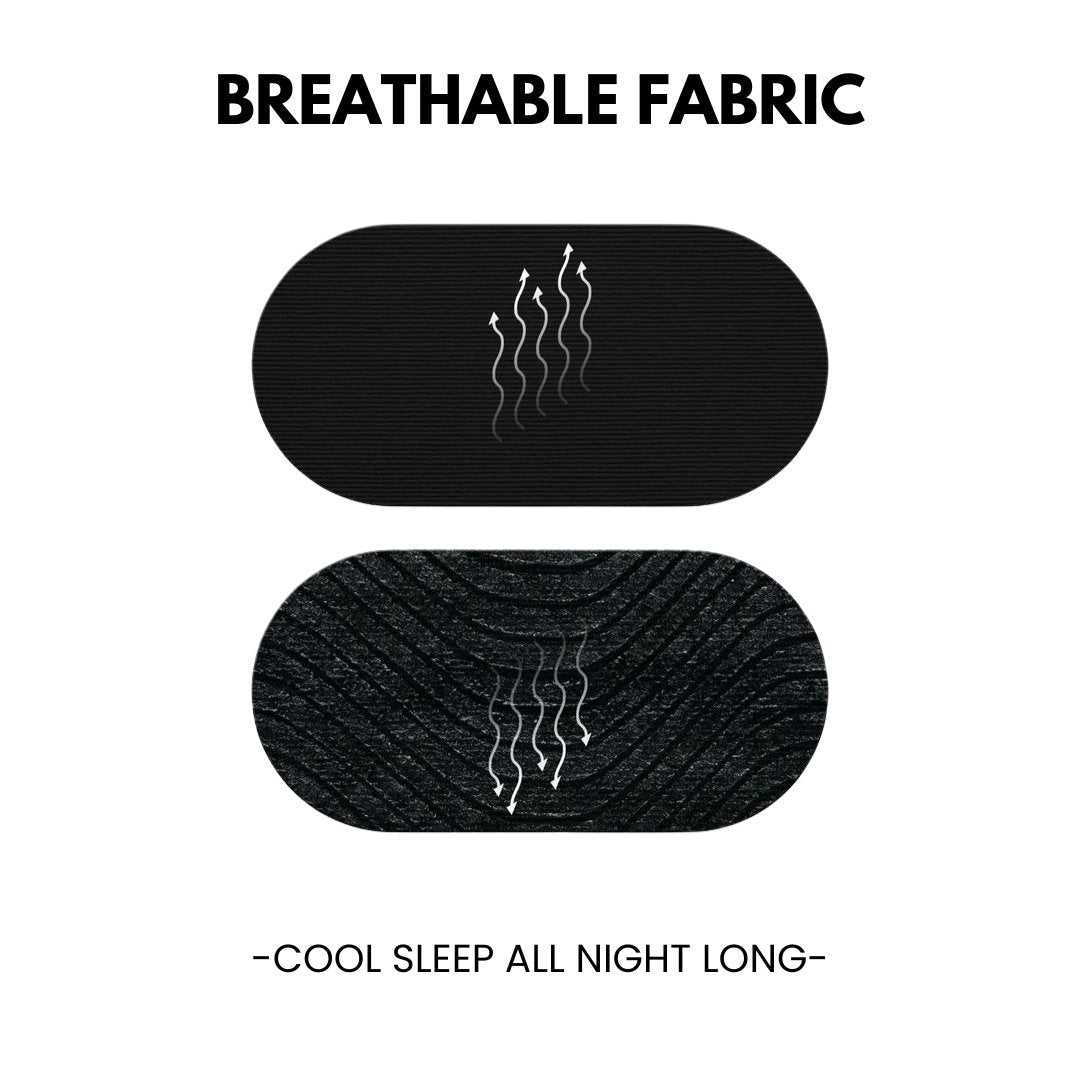
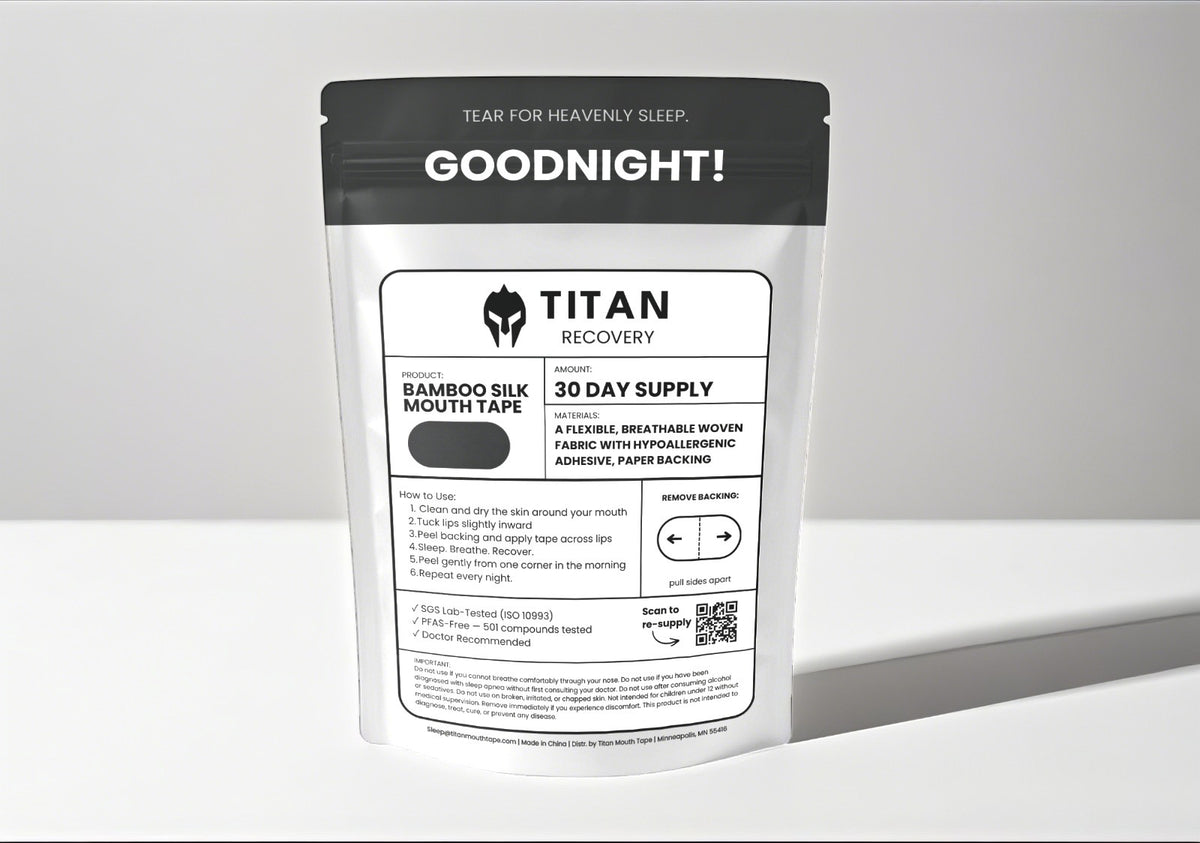
1. Mouth tape (for mouth-breathing snorers). For the single most common type of snoring, a thin strip of tape that keeps your lips sealed is the highest-leverage fix available. It forces nasal breathing, which keeps the tongue forward, humidifies and slows the incoming air, and eliminates the dry rattle of open-mouth snoring — all for a few cents a night, with nothing to wear on your head and no machine to maintain. It works the first night. We cover the evidence in detail in does mouth tape help with snoring and can mouth tape help my snoring. If you want a walkthrough of why this approach beats the gadget aisle, read why mouth tape works when other anti-snoring products don't. Titan Mouth Tape is our first-line recommendation for this type.
2. Nasal strips (for nasal-obstruction snorers). If your bottleneck is your nose — congestion, allergies, narrow valves, or a mild deviated septum — an external nasal strip mechanically lifts and widens the nostrils to increase airflow. When the nose opens up, the suction that collapses the airway drops, and so does the snoring. Nasal strips are cheap, drug-free, and pair perfectly with mouth tape for people who have both problems. See the best nasal strips for snoring for the full breakdown. TitanAir Nasal Strips are built for exactly this. If you have both a mouth-breathing and a nasal component — which many people do — the Deep Sleep Bundle covers both bottlenecks at once.
3. Positional therapy (for back sleepers). If you only snore on your back, training yourself to sleep on your side is close to free and can be remarkably effective. Options range from a tennis ball sewn into the back of a shirt to purpose-built positional pillows and wearable trainers. The catch is compliance — many people roll onto their back anyway — but for true positional snorers it directly removes the cause.
4. Weight loss (for those carrying extra neck weight). When excess weight around the neck is crowding the airway, losing it is the only solution that addresses the root cause permanently. It's the slowest and hardest option, and it won't help someone at a healthy weight, but for the right person nothing else compares long-term.
5. Chin straps. A chin strap wraps under the jaw and over the head to hold the mouth closed. The intent is the same as mouth tape — stop mouth breathing — but the execution is bulkier and less reliable, and the straps frequently slip off side sleepers during the night. We put the two head-to-head in mouth tape vs chin strap.
6. Mandibular advancement devices (mouthpieces). These dental appliances push the lower jaw forward to open the airway behind the tongue. They can work well for tongue-based snoring and mild apnea, but they're expensive, take time to adjust to, and can cause jaw soreness and tooth movement — a real option, just further down for cost and comfort.
7. Surgery. Procedures that trim the soft palate, remove tonsils, or correct a deviated septum are the last resort — invasive, costly, and not guaranteed to work. Surgery makes sense for structural problems nothing else can fix, but it should never be step one for ordinary snoring.
The pattern is clear: the cheapest, least invasive solutions sit at the top because they address the two most common causes directly. Most people never go past the first two.
How to Match the Right Solution to Your Type
Start by identifying your bottleneck. The most useful diagnostic is simple: pinch your lips closed and breathe only through your nose for thirty seconds while sitting up. If that feels easy, your nose is clear and your problem is that your mouth falls open at night — you're a mouth-breathing snorer, and mouth tape is your first move. If nose breathing feels blocked or effortful, your bottleneck is nasal, and you should open the nose with a strip before, or alongside, taping.
Watch your position. Ask your partner, or use a sleep-tracking app, whether the snoring is constant or only happens on your back. Back-only snoring points to positional therapy. Constant snoring in every position points to an anatomical or mouth-breathing cause.
Track the pattern. Snoring that spikes after alcohol, during allergy season, or when you have a cold tells you the cause is situational and temporary. Snoring that's there every single night regardless of what you did that day points to anatomy, weight, or a fixed mouth-breathing habit.
For most people the answer lands on some combination of the top two solutions. If you want the full step-by-step, our guides on how to stop snoring and how to stop snoring naturally walk through the process, and why you snore and the one fix most people never try explains why nasal breathing is the piece most snorers overlook.
When Snoring Is a Medical Red Flag
Snoring is usually harmless noise, but sometimes it's a warning sign. Obstructive sleep apnea is a condition where the airway repeatedly collapses shut during sleep, cutting off breathing for ten seconds or longer, dozens or even hundreds of times a night. Each episode drops your blood oxygen and forces your body to partially wake to restart breathing, wrecking sleep quality and straining the heart over time. Untreated apnea is linked to high blood pressure, heart disease, stroke, and daytime accidents.
See a doctor if you notice any of these signs: loud snoring punctuated by silent pauses, gasping or choking awakenings, waking unrefreshed no matter how long you sleep, severe daytime sleepiness, morning headaches, or a partner who has watched you stop breathing. These point to apnea, not simple snoring, and no over-the-counter product substitutes for a proper diagnosis. A sleep study — now often available as an at-home test — is the way to know for sure.
Mouth tape and nasal strips are tools for simple snoring and mild mouth breathing. They are not treatments for moderate or severe sleep apnea, and they should never replace a CPAP machine your doctor prescribed. If there's any doubt about which camp you fall into, get evaluated first. Our comparison of snoring vs sleep apnea is the right starting point.
The Relationship Cost of Ignoring It
Snoring isn't only a health issue — it's the leading reason couples end up in separate bedrooms, a trend now common enough to have its own name. Before rearranging the house, know that most snoring-driven separations are solving a fixable problem the hard way, which we cover in sleep divorce: is sleeping apart the answer? And because snoring is rarely the only thing degrading your rest, our broader guide on how to sleep better ties the airway fixes into the full picture.
Frequently Asked Questions
What is the number one cause of snoring?
Mouth breathing during sleep is the most common cause. When the jaw drops open, the tongue falls back and the airway narrows, producing the loud, dry rattle most people picture when they think of snoring. Keeping the mouth closed and breathing through the nose addresses this directly, which is why mouth tape is the first-line fix for the most common type of snorer.
How do I stop snoring immediately?
For the fastest result, target the two most common bottlenecks the same night: seal your mouth so you breathe through your nose, and open your nose if it's congested. Mouth tape and a nasal strip both work on the first night rather than requiring weeks of adaptation. Rolling off your back onto your side is a free instant fix for positional snorers.
Do snoring remedies actually work, or is it all hype?
The ones matched to your specific cause work; the ones bought at random usually don't. Mouth tape works for mouth-breathing snorers, nasal strips work for nasal-obstruction snorers, and side sleeping works for positional snorers. The reason people conclude "nothing works" is that they used a product designed for a bottleneck they don't have. Identify your type first, then the remedy works.
Can snoring be cured permanently?
It depends on the cause. Situational snoring from alcohol, allergies, or a cold clears when the trigger passes. Snoring from a fixed mouth-breathing habit is managed nightly with a tool like mouth tape. Snoring from excess neck weight can be resolved with weight loss, and structural problems may need surgery. Most snorers manage rather than cure it, and consistent management works just as well for quiet nights.
Is loud snoring always sleep apnea?
No. Plenty of loud snorers have simple, harmless snoring. But loud snoring combined with silent pauses in breathing, gasping awakenings, or unrefreshing sleep is a red flag for obstructive sleep apnea and warrants a medical evaluation. When in doubt, get a sleep study before relying on any over-the-counter product.
The Bottom Line
Snoring is turbulent airflow through a narrowed airway, and the effective solutions all work by widening that airway for your specific bottleneck. The two most common causes — mouth breathing and nasal congestion — have the cheapest, least invasive fixes, which is why Titan Mouth Tape and TitanAir Nasal Strips sit at the top of the ranking. Figure out whether your problem is your mouth, your nose, your position, or something structural, then match the tool to the cause. Skip the machines and surgery unless a doctor says otherwise, and take snoring with breathing pauses seriously enough to get it checked. For most people, quiet nights are a strip of tape and an open nose away.
Doctor Recommended: "As a maxillofacial surgeon and dentist, I recommend Titan Mouth Tape. Nasal breathing during sleep is essential for airway health and deep restorative rest. Titan's bamboo silk design is the most comfortable and effective mouth tape I have tested. If you struggle with snoring, dry mouth, or poor sleep quality, this is the simplest change you can make for your health." — Dr. Francois P., MD, DDS — Maxillofacial Surgeon
Lab-Tested Safety: Titan's adhesive is independently tested to ISO 10993 medical device standards. Non-toxic (95% cell viability). Non-allergenic (0% reaction rate). Non-irritating (score 0.0/8.0). PFAS-free — 501 compounds tested, zero detected. See full test results →
Try the complete system tonight. Titan Mouth Tape (bamboo silk, SilkSeal™ adhesive) + TitanAir Nasal Strips. Free shipping. 30-night Better Sleep Guarantee. Shop Titan Mouth Tape → · Shop TitanAir Nasal Strips →