Alcohol Before Bed: Why Your Nightcap Ruins Sleep
Share
Alcohol makes you fall asleep faster. That part is real. A glass of wine or a couple of beers genuinely shortens the time between your head hitting the pillow and losing consciousness. The problem is what happens next. Sedation is not sleep — and what alcohol before bed does to the second half of your night is the reason you feel terrible the next morning even after logging a full eight hours. Your tracker says you slept. Your body knows you didn't.
If you've ever wondered why a nightcap leaves you groggy, anxious, and dried out by 6 a.m., the answer isn't complicated. Alcohol systematically dismantles the architecture of healthy sleep — and it makes your breathing worse in ways that compound every other problem. Here's what's actually happening.
Sedation Is Not Sleep
Alcohol is a sedative, and sedation mimics sleep onset without delivering actual sleep. When you drink before bed, the alcohol binds to GABA receptors in your brain — the same receptors targeted by benzodiazepines and other sedative drugs. This suppresses neural activity, slows your thinking, and produces that heavy, drowsy feeling that makes the couch seem very appealing at 10:30 p.m.
The issue is that the brain state alcohol creates looks like sleep from the outside but doesn't function like sleep on the inside. Normal sleep onset involves a carefully orchestrated transition through progressively deeper stages. Your brain moves from light sleep into deep slow-wave sleep, cycling through stages that serve distinct biological functions — memory consolidation, tissue repair, hormone regulation, immune maintenance. Alcohol doesn't guide you through these stages. It knocks you into a state that resembles unconsciousness more than it resembles restorative sleep.
This distinction matters because does alcohol help you sleep is the wrong question. Alcohol helps you lose consciousness. That's a different thing entirely. And the difference becomes painfully obvious about four hours later, when the alcohol has been metabolized and your brain rebounds into a state of hyperactivation that fragments the rest of your night.
What Alcohol Does to Your Sleep Stages
The damage follows a predictable two-act pattern. In the first half of the night, alcohol increases deep slow-wave sleep while suppressing REM. This sounds like a trade-off, but it isn't — it's a disruption. Your brain needs both stages in the right proportions and the right sequence. Flooding the first half of the night with artificially deep sedation throws off the entire cycle.
In the second half of the night, the real damage hits. As your liver metabolizes the alcohol, your brain rebounds. The GABA suppression lifts, and the excitatory neurotransmitter glutamate surges back. This creates a state of heightened neural activity during the hours when your brain should be cycling through its longest, most important REM periods. The result: you wake up repeatedly, your sleep becomes shallow and fragmented, and the REM sleep you needed most gets cut short or eliminated entirely.
Research consistently shows that alcohol and sleep quality move in opposite directions. A 2018 study in JMIR Mental Health involving over 4,000 adults found that even a single drink reduced sleep quality by 9.3%. Two drinks reduced it by nearly 25%. Three or more drinks cut restorative sleep quality by almost 40%. These aren't small effects. That's the difference between waking up functional and waking up tired after a full night.
REM sleep is particularly vulnerable. Your brain does its heaviest REM cycling in the last third of the night — precisely when the alcohol rebound is strongest. REM is when emotional processing happens, when procedural memories consolidate, and when the brain clears metabolic waste accumulated during the day. Cut REM short and you wake up foggy, irritable, and emotionally reactive. Sound like a hangover? That's because a significant portion of what people call a hangover is actually REM deprivation.
The Snoring and Breathing Connection
This is where alcohol's sleep damage compounds. Beyond what it does to your sleep architecture, alcohol is a potent muscle relaxant — and the muscles it relaxes include the ones holding your airway open.
The genioglossus (the main tongue muscle), the soft palate, and the pharyngeal muscles that keep the upper airway patent all lose tone when alcohol is in your system. The tongue falls further back. The soft palate sags. The airway narrows. Air moving through a narrower passage accelerates and vibrates the relaxed tissue, and that vibration is snoring — often dramatically louder and more irregular than usual.
But the snoring is just the audible symptom. Behind it, partial airway obstructions reduce oxygen delivery, trigger micro-arousals, and fragment whatever sleep architecture alcohol hasn't already disrupted. The breathing damage stacks on top of the neurochemical damage. You're getting hit twice.
Alcohol also forces a shift from nasal breathing to mouth breathing. As the jaw muscles relax, the mouth drops open. Once that happens, you bypass the nasal passages entirely — losing the humidification, filtration, and nitric oxide production that nasal breathing provides. The result is a dry mouth, a sore throat in the morning, worsened snoring, and even lower blood oxygen levels throughout the night.
People who never snore often become heavy snorers after a few drinks. People who already snore at baseline see it get significantly worse. This is one of the most reliable and measurable effects of drinking before bed.
The Dose-Response: One Drink vs. Two vs. Three
There is no free pass. The effect is dose-dependent, but even a single standard drink measurably alters sleep architecture. One drink reduces REM sleep modestly — enough to show up in research but not always enough for you to feel it. Two drinks push into territory where most people notice the difference the next morning. Three or more drinks essentially guarantee a bad night of sleep regardless of how long you stay in bed.
The body processes roughly one standard drink per hour. If you have three drinks finishing at 10 p.m. and go to bed at 11 p.m., you still have two drinks' worth of alcohol in your system at sleep onset, and it takes until approximately 1 a.m. for your blood alcohol to approach zero. That means the first two to three hours of sleep are under alcohol's sedative influence, and the rebound wakefulness hits around 2-3 a.m. — right when your body should be entering its deepest REM cycles.
The practical takeaway: fewer drinks cause less damage, but "just one glass of wine" isn't neutral. If you drink, do it with the understanding that there will be some cost to that night's sleep quality.
The Timing Factor
When you stop drinking matters almost as much as how much you drink. The general guideline from sleep researchers is to finish your last drink at least three hours before bedtime. This gives your liver time to metabolize the bulk of the alcohol so that blood alcohol is low or near zero by the time you lie down.
Three hours won't eliminate the effects entirely — alcohol's metabolic byproducts continue circulating even after the alcohol itself is processed — but it significantly reduces both the sedative suppression of REM in the first half of the night and the rebound wakefulness in the second half. It also means the muscle-relaxant effect on your airway is weaker at sleep onset, which reduces (though doesn't eliminate) the snoring and breathing disruption.
A drink with dinner at 7 p.m. and a bedtime of 10:30 p.m. is a meaningfully different situation from a cocktail at 9:45 p.m. and lights out at 10:30. Same drink. Same person. Very different impact on sleep.
The Morning-After Effect
The reason you feel terrible after drinking isn't just dehydration. It's the accumulated damage to your sleep architecture plus the breathing disruption plus the dehydration plus the metabolic stress of processing alcohol.
Your REM sleep was curtailed, so you wake up emotionally flat or anxious — the brain didn't get to process the emotional residue from the previous day. Your deep sleep was fragmented by micro-arousals from airway obstruction, so your body didn't fully recover physically. You mouth-breathed for hours, so your throat is dry, your mouth tastes terrible, and your sinuses feel raw. And yes, the alcohol itself dehydrated you and left behind acetaldehyde, a toxic metabolite your body is still working to clear.
That 6 a.m. feeling — the racing heart, the low-grade anxiety, the bone-deep fatigue that coffee barely touches — is the convergence of all these effects. Good sleep hygiene can't overcome active chemical sabotage, which is why you feel worse after a night of drinking than after a night of simply going to bed late.
What Actually Helps If You Do Drink
This isn't a temperance lecture. People drink. The question is how to minimize the sleep damage when you do. Here's what the research supports:
Allow time. Stop drinking at least three hours before bed. This is the single most effective thing you can do. Time lets your body clear the alcohol before sleep onset.
Hydrate. Drink a full glass of water for each alcoholic drink, and another glass before bed. Alcohol is a diuretic — you will lose more fluid than you take in, and dehydration worsens every other symptom. Hydrating won't save your REM sleep, but it reduces the headache, dry mouth, and cardiovascular stress.
Eat. Food slows alcohol absorption. Drinking on a full stomach means a lower peak blood alcohol concentration, which means less extreme sedation and a milder rebound. This is basic pharmacology but it makes a real difference.
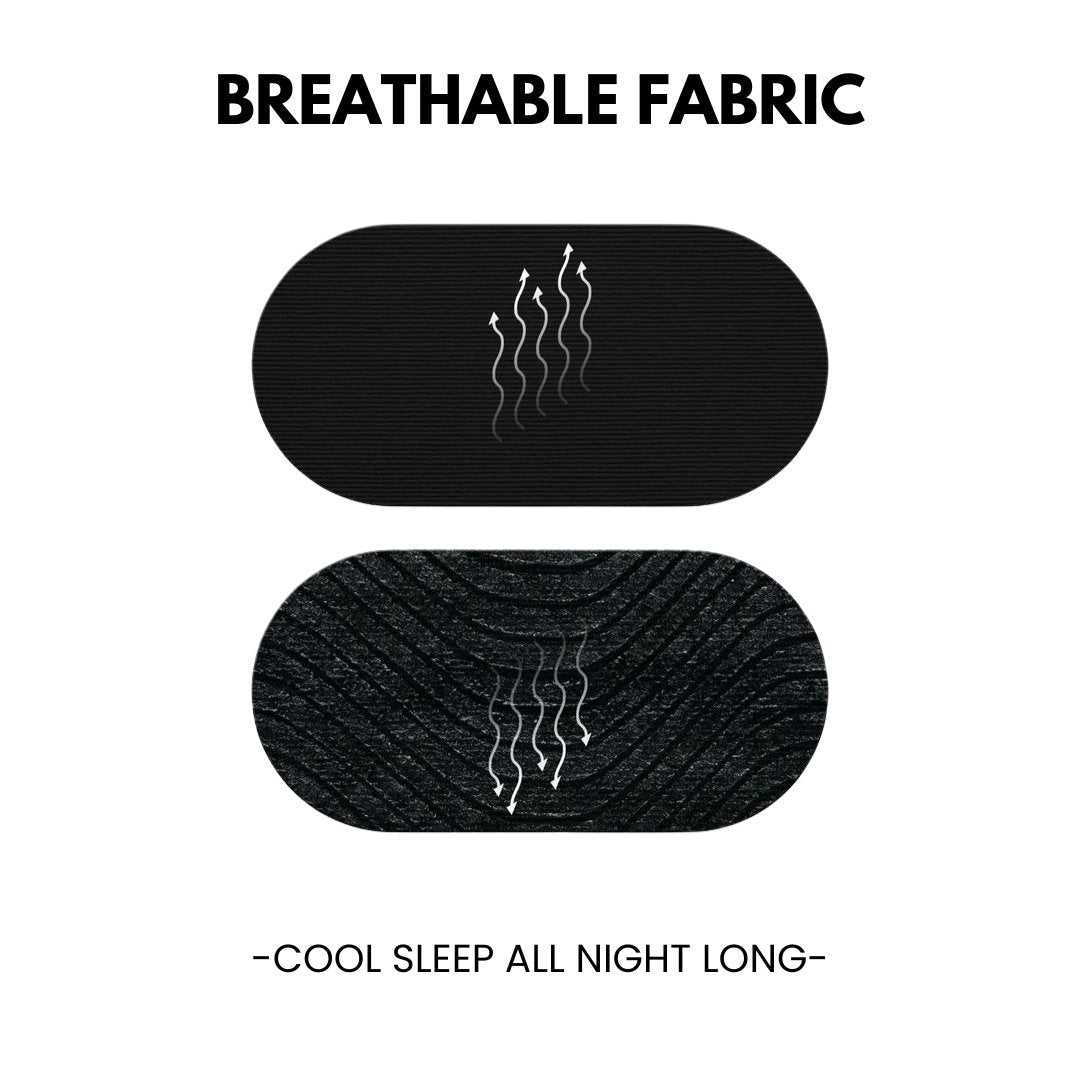
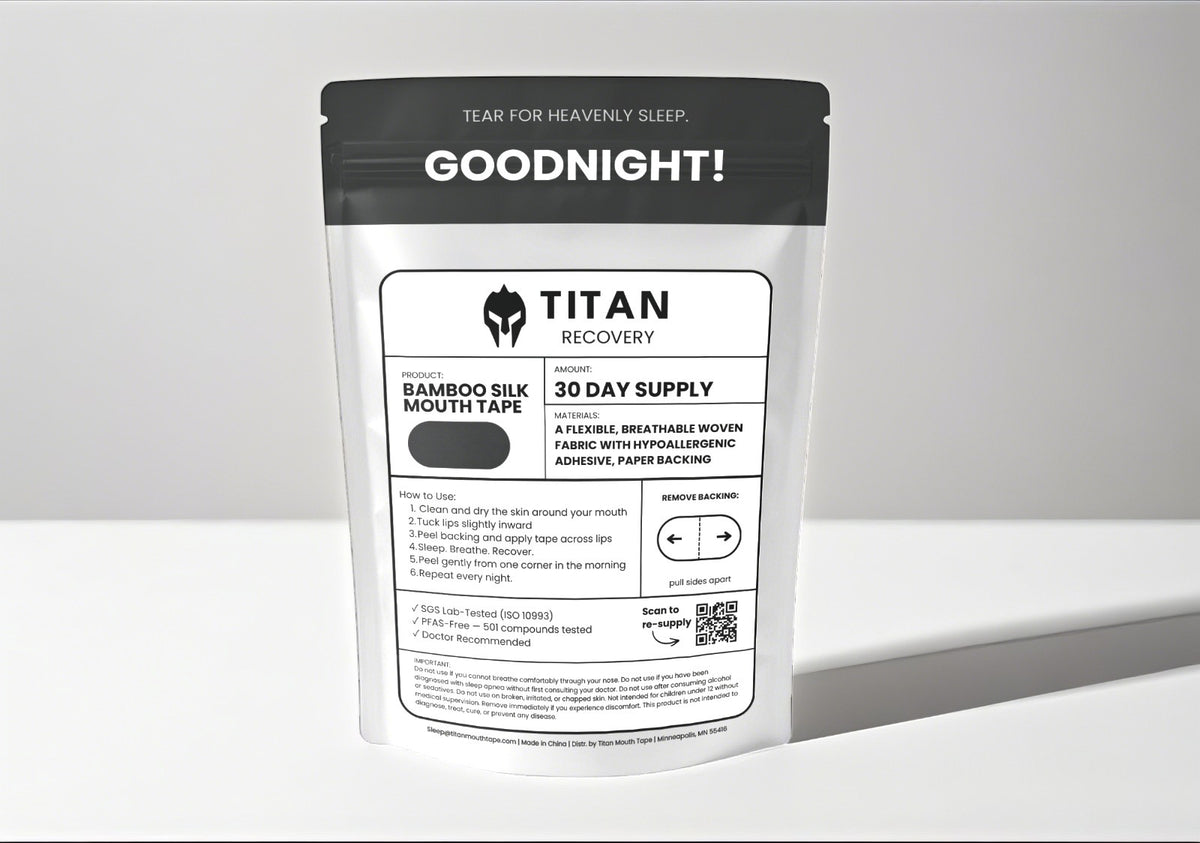
Control the breathing damage. You can't undo what alcohol does to your neurotransmitters or your sleep cycles once you've had the drink. But you can prevent the compounding airway damage that makes a night of drinking even worse. Mouth tape keeps your lips sealed and your breathing routed through your nose even as the jaw muscles relax from alcohol. This won't fix the REM suppression or the rebound wakefulness — nothing short of not drinking will do that. But it prevents the mouth breathing, reduces snoring, maintains nitric oxide production, and keeps your airway humidified. It's harm reduction for the breathing side of the equation.
Pairing Titan Mouth Tape with TitanAir Nasal Strips opens the nasal valve wider, which is especially helpful when alcohol has compromised the airway. If your nose feels stuffy after drinking — alcohol can cause mild nasal congestion through vasodilation — the strips ensure you can still breathe comfortably with your mouth closed.
One note: if you've had heavy amounts — four or more drinks, or you're still intoxicated at bedtime — skip the tape for that night. Your protective reflexes are blunted. Resume normal use the next night.
Frequently Asked Questions
Does alcohol help you fall asleep?
It helps you lose consciousness faster, yes. But sedation and sleep are different physiological states. Alcohol suppresses the brain activity needed for proper sleep architecture, crushes REM in the second half of the night, and causes rebound wakefulness. You fall asleep faster but the sleep you get is significantly lower quality. Most people would get better rest going to bed slightly later without alcohol than going to bed earlier with it.
How long before bed should I stop drinking?
At least three hours. This gives your liver time to metabolize the bulk of the alcohol before sleep onset, reducing both the sedative effect on REM sleep and the muscle-relaxant effect on your airway. A drink with dinner is a meaningfully different situation from a drink right before bed, even if it's the same amount of alcohol.
Why do I snore more after drinking?
Alcohol relaxes the muscles in your upper airway — the tongue, the soft palate, and the pharyngeal muscles that hold the airway open. As these muscles lose tone, the airway narrows and the tissue vibrates more. Alcohol also causes the jaw to drop open, shifting breathing from the nose to the mouth, which worsens snoring further. Even one or two drinks can turn a non-snorer into a snorer for that night. Keeping the mouth closed with tape reduces the mouth-breathing component, though it doesn't reverse the deeper muscle relaxation.
Can I use mouth tape after drinking alcohol?
After moderate drinking (one to three standard drinks, with your last drink at least two hours before bed), mouth tape is generally fine for healthy adults who can breathe comfortably through their nose. It actually helps on these nights by preventing the mouth breathing that alcohol promotes. After heavy drinking (four or more drinks, or drinking right up to bedtime), skip the tape — your body's protective reflexes are dulled by that level of intoxication. Resume the next night.
The Bottom Line
The nightcap sleep myth persists because the first part of the story is true — alcohol genuinely makes you drowsy and shortens the time to sleep onset. But the rest of the story is a wreck. Alcohol ruins sleep architecture by suppressing REM, fragmenting deep sleep with rebound wakefulness, relaxing the airway muscles into obstruction, and forcing a shift to mouth breathing that dries out your throat and tanks your oxygen efficiency.
If you drink, the best strategies are simple: allow time between your last drink and bedtime, hydrate, eat, and protect your breathing. Titan Mouth Tape can't undo alcohol's neurochemical effects on sleep stages — nothing can except not drinking. But it prevents the compounding breathing damage that makes a night of drinking even worse than it has to be. That's a trade worth making.
Doctor Recommended: "As a maxillofacial surgeon and dentist, I recommend Titan Mouth Tape. Nasal breathing during sleep is essential for airway health and deep restorative rest. Titan's bamboo silk design is the most comfortable and effective mouth tape I have tested. If you struggle with snoring, dry mouth, or poor sleep quality, this is the simplest change you can make for your health." — Dr. Francois P., MD, DDS — Maxillofacial Surgeon
Lab-Tested Safety: Titan's adhesive is independently tested to ISO 10993 medical device standards. Non-toxic (95% cell viability). Non-allergenic (0% reaction rate). Non-irritating (score 0.0/8.0). PFAS-free — 501 compounds tested, zero detected. See full test results →
Try the complete system tonight. Titan Mouth Tape (bamboo silk, SilkSeal™ adhesive) + TitanAir Nasal Strips. Free shipping. 30-night Better Sleep Guarantee. Shop Titan Mouth Tape → · Shop TitanAir Nasal Strips →