Bad Breath Even After Brushing? The Cause Is Probably Happening While You Sleep
Share
You brush twice a day. You floss. You use mouthwash. You've tried tongue scrapers, new toothpaste, even charcoal rinses.
Your breath still smells terrible every morning. And sometimes it lingers into the afternoon.
You've done everything the dental hygiene articles recommend. The problem isn't your oral hygiene routine. The problem is what happens to your mouth during the 8 hours you spend unconscious.
Why Your Breath Is Bad Despite Good Hygiene
Bad breath — halitosis — is caused by volatile sulfur compounds produced by anaerobic bacteria in your mouth. These bacteria thrive in dry, low-oxygen environments. They feed on proteins from food particles, dead cells, and postnasal drip. Their metabolic byproducts are the sulfur compounds you smell.
Saliva is your body's primary defense against these bacteria. It contains oxygen (which suppresses anaerobic bacteria), antibodies (which kill pathogens), and enzymes (which break down food debris). Saliva constantly washes the oral surfaces, diluting bacterial concentrations and maintaining a neutral pH.
Here's the problem: when you sleep with your mouth open, saliva evaporates. For 7-8 hours, the airflow across your tongue, palate, and throat dries out the oral environment. The oxygen level drops. The pH drops. The anaerobic bacteria that cause bad breath multiply unchecked in exactly the conditions they prefer — warm, dry, low-oxygen, and undisturbed.
By morning, you have 8 hours of bacterial overgrowth producing sulfur compounds on every surface of your mouth. You brush, you mouthwash, you kill the surface bacteria — and for an hour or two, your breath is fine. Then the bacteria recover, the cycle restarts, and by afternoon the smell returns.
This is why brushing more doesn't fix it. You're treating the symptom every morning. The cause happens every night.
The Mouth Breathing Connection
Research published in the Journal of Oral Rehabilitation found that mouth breathing during sleep significantly reduced oral pH — dropping it below the threshold where both enamel demineralization and bacterial proliferation accelerate. A study in the International Journal of Dental Hygiene found that mouth breathers had significantly higher levels of volatile sulfur compounds compared to nasal breathers.
An estimated 50-60% of adults breathe through their mouth during some portion of the night. Many of them have chronic bad breath that they attribute to diet, genetics, or insufficient brushing. The actual cause is sitting on their face — an open mouth that evaporates the saliva their oral ecosystem depends on.
Signs Your Bad Breath Is Caused by Mouth Breathing
Not all bad breath comes from mouth breathing. But if your pattern matches three or more of the following, mouth breathing is very likely the primary driver:
Your breath is worst in the morning and gradually improves during the day (as saliva production resumes during nasal breathing while awake).
You wake up with a dry mouth, sticky tongue, or sore throat — confirming the mouth was open all night.
Your dental hygiene is good — you brush twice daily, floss regularly, and your dentist confirms your technique is adequate.
Your breath doesn't respond to mouthwash for more than 1-2 hours — because the mouthwash kills surface bacteria but doesn't prevent the dry conditions that allow them to repopulate.
You snore or your partner says you do — snoring is a direct indicator of mouth breathing and airway changes during sleep.
Your dentist notices more cavities or gum inflammation than your hygiene habits would predict — dry mouth affects teeth and gums through the same saliva-depletion mechanism.
How to Fix Bad Breath at the Source
Close your mouth during sleep
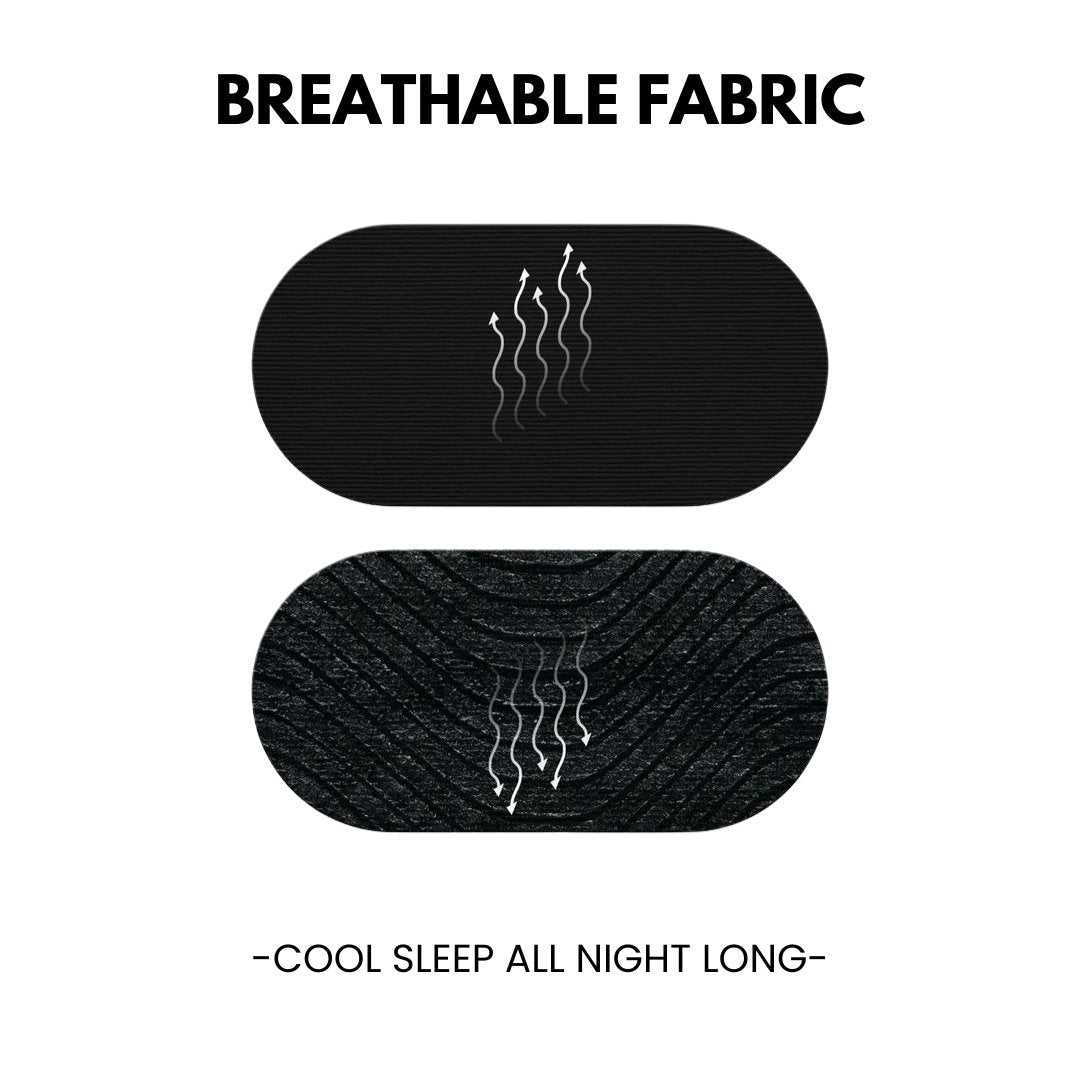
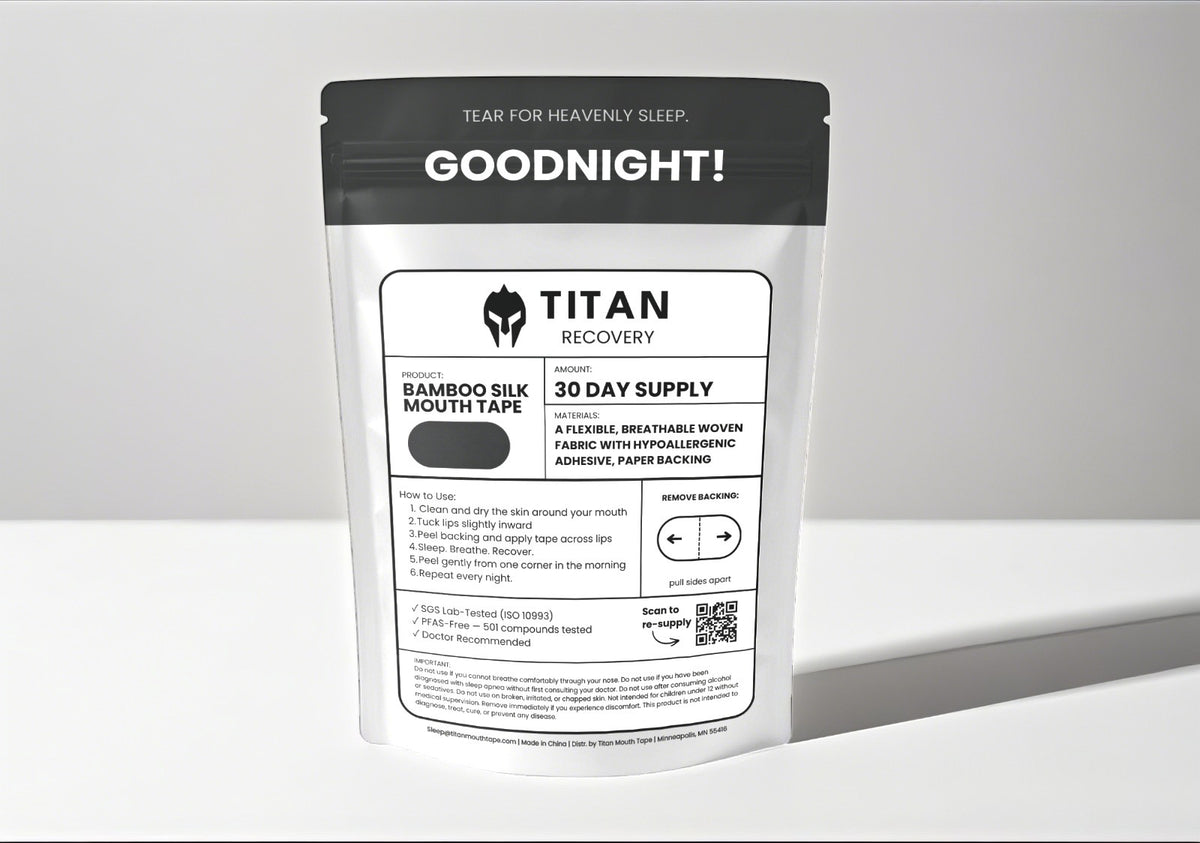
Mouth tape keeps your lips sealed during sleep, promoting nasal breathing and preserving saliva flow for the entire night. When your mouth stays closed, saliva stays where it belongs — bathing your teeth, gums, and tongue in oxygen, antibodies, and enzymes that suppress the anaerobic bacteria responsible for bad breath.
Many users report that morning breath improves dramatically within the first 2-3 nights. The change is mechanical: mouth closed → saliva retained → bacteria suppressed → sulfur compounds reduced. No mouthwash, supplement, or diet change addresses the root cause as directly.
Stay hydrated
Dehydration reduces saliva production even during nasal breathing. Drink adequate water throughout the day — and keep a glass on the nightstand. If you wake up during the night, a sip of water supplements the saliva flow that mouth taping preserves.
Clean your tongue
The tongue's surface — especially the posterior third — harbors the highest concentration of odor-producing bacteria. Brushing your tongue or using a tongue scraper before bed removes a significant portion of the bacterial load before sleep. Combined with mouth taping (which prevents the dry conditions that allow bacteria to repopulate overnight), tongue cleaning before bed can produce a meaningful reduction in morning breath.
Address nasal congestion
If nasal congestion forces mouth breathing, closing the mouth with tape won't be comfortable until the nasal restriction is addressed. Nasal strips physically open the nasal passages, saline rinses clear mucus, and nasal corticosteroid sprays reduce chronic inflammation. Open the nose first, then close the mouth.
What Your Dentist Isn't Telling You
Most dentists recognize dry mouth as a risk factor for cavities and gum disease. Fewer connect it to chronic bad breath. And almost none ask the question that would identify the root cause: "Do you breathe through your mouth when you sleep?"
If your dentist has noted dry mouth, increased cavities, or gum inflammation — and your hygiene is adequate — ask whether nighttime mouth breathing could be the underlying issue. The answer is almost certainly yes. And the intervention is simpler than any prescription rinse or medicated mouthwash they might recommend.
The Bad Breath Fix Stack
Before bed: Brush teeth. Scrape tongue. Apply mouth tape.
During sleep: Mouth stays closed. Saliva stays intact. Bacteria stay suppressed. Oxygen level stays stable.
Morning: Brush normally. Notice the difference — your mouth is moist, your tongue isn't coated, and the breath that used to clear a room may be noticeably improved.
You don't need a better toothbrush. You don't need a stronger mouthwash. You need to keep your mouth closed for the 8 hours when the bacterial conditions that cause bad breath are being created.
Doctor Recommended: "As a maxillofacial surgeon and dentist, I recommend Titan Mouth Tape. Nasal breathing during sleep is essential for airway health and deep restorative rest. Titan's bamboo silk design is the most comfortable and effective mouth tape I have tested. If you struggle with snoring, dry mouth, or poor sleep quality, this is the simplest change you can make for your health." — Dr. Francois P., MD, DDS — Maxillofacial Surgeon
Lab-Tested Safety: Titan's adhesive is independently tested to ISO 10993 medical device standards. Non-toxic (95% cell viability). Non-allergenic (0% reaction rate). Non-irritating (score 0.0/8.0). PFAS-free — 501 compounds tested, zero detected. See full test results →
Try it tonight. Bamboo silk. SilkSeal™ adhesive. Beard-friendly. No logo on the tape. Free shipping. 30-night Better Sleep Guarantee. Shop Titan Mouth Tape → · Shop TitanAir →