How to Start Mouth Taping: A Step-by-Step Guide
Share
Mouth taping is a simple yet effective technique that can significantly improve your sleep and recovery by encouraging nasal breathing. If you’re interested in giving it a try but aren’t sure where to start, this guide will walk you through the process safely and effectively.
Step 1: Choose the Right Mouth Tape
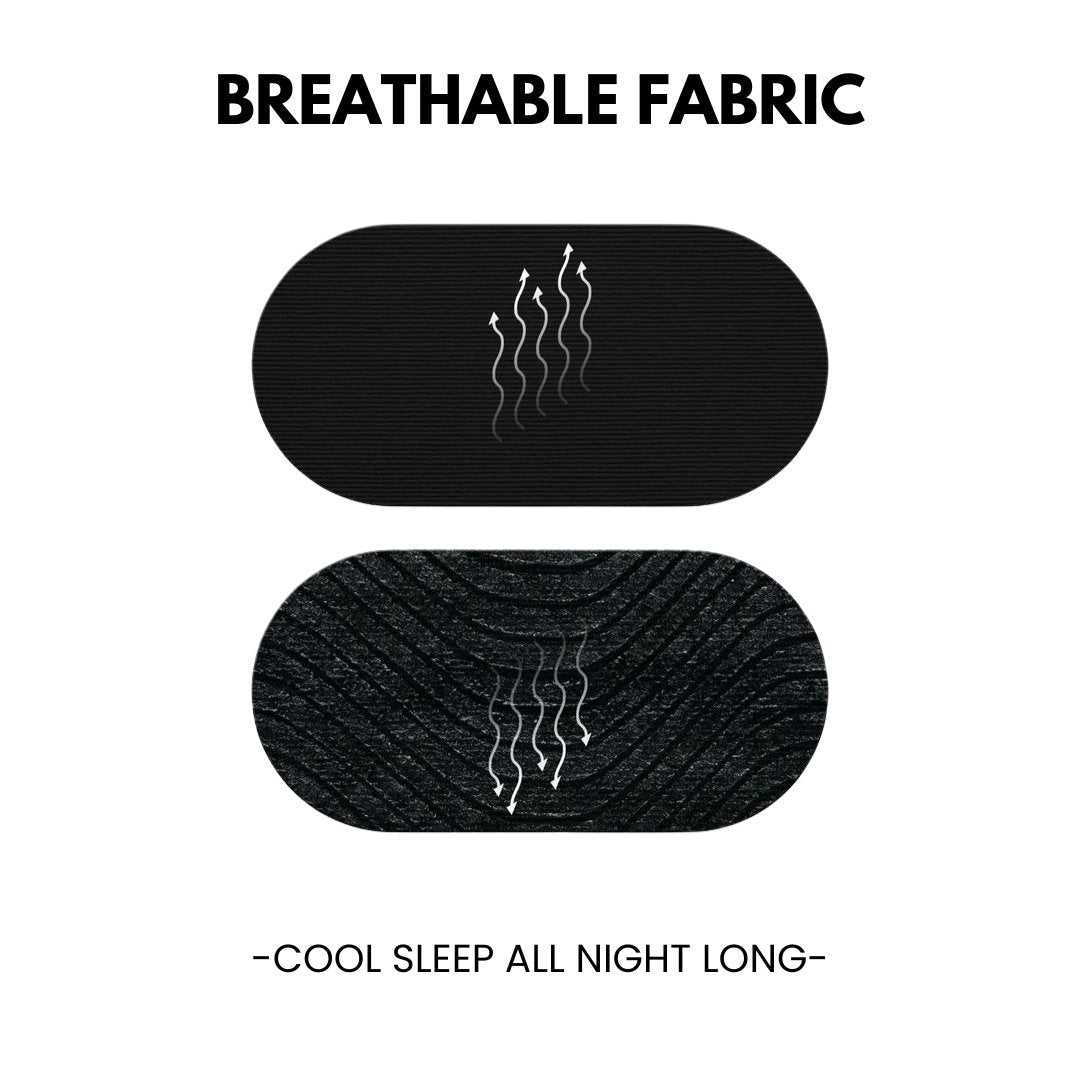
Selecting the right tape is crucial for comfort and safety. Look for hypoallergenic, medical-grade tape that’s gentle on the skin and won’t cause irritation. It’s best to use a tape specifically designed for mouth taping rather than standard adhesive tape, as these are formulated to be breathable and safe for prolonged use on the skin.
Step 2: Clean and Dry Your Skin
Before applying the tape, make sure your lips are clean and dry. This ensures that the tape adheres properly and reduces the chances of discomfort or irritation. Avoid using any moisturizing products or lip balms right before taping, as these can interfere with the tape’s adhesion.
Step 3: Apply the Mouth Tape
Gently press your lips together and place a small piece of tape horizontally across your mouth. The tape should be large enough to seal your lips, but not too wide that it’s uncomfortable. Some people prefer to use a strip of tape that covers only the center of the mouth, while others may choose a larger piece that extends from one cheek to the other. The key is comfort and security without constriction.
Step 4: Ensure It’s Comfortable
The tape should feel snug, but not tight. You should be able to breathe through your nose comfortably without feeling like you’re being smothered. If the tape feels too restrictive or uncomfortable, remove it immediately and adjust the amount of tape used.
Step 5: Start with Short Sessions
If you’re new to mouth taping, start by trying it for shorter periods, like 15 to 30 minutes before sleep. Gradually work up to wearing it for the full night as your body adjusts to the sensation. This gradual approach helps your mind and body get used to the practice without causing undue stress.
Step 6: Monitor Your Comfort and Sleep Quality
Pay attention to how you feel during and after the night. If you wake up feeling refreshed and notice improvements in your sleep quality, you’re likely on the right track. However, if you experience any discomfort or irritation, make adjustments to how you apply the tape or consider different materials until you find a better fit.
Step 7: Safety First
Mouth taping is generally safe, but there are a few things to keep in mind:
• Do not use mouth tape if you have severe nasal congestion or another condition that impedes your ability to breathe through your nose.
• People with certain conditions, such as severe sleep apnea or asthma, should consult a healthcare provider before trying mouth taping.
With consistent use, mouth taping can help you achieve better sleep quality, improve nasal breathing, and reduce snoring. Just be patient as your body adapts to the new habit, and enjoy the benefits of restorative, undisturbed sleep. Ready for a structured start? Try our 7-day mouth tape challenge for a guided introduction.
Doctor Recommended: “As a maxillofacial surgeon and dentist, I recommend Titan Mouth Tape. Nasal breathing during sleep is essential for airway health and deep restorative rest. Titan’s bamboo silk design is the most comfortable and effective mouth tape I have tested. If you struggle with snoring, dry mouth, or poor sleep quality, this is the simplest change you can make for your health.” — Dr. Francois P., MD, DDS — Maxillofacial Surgeon
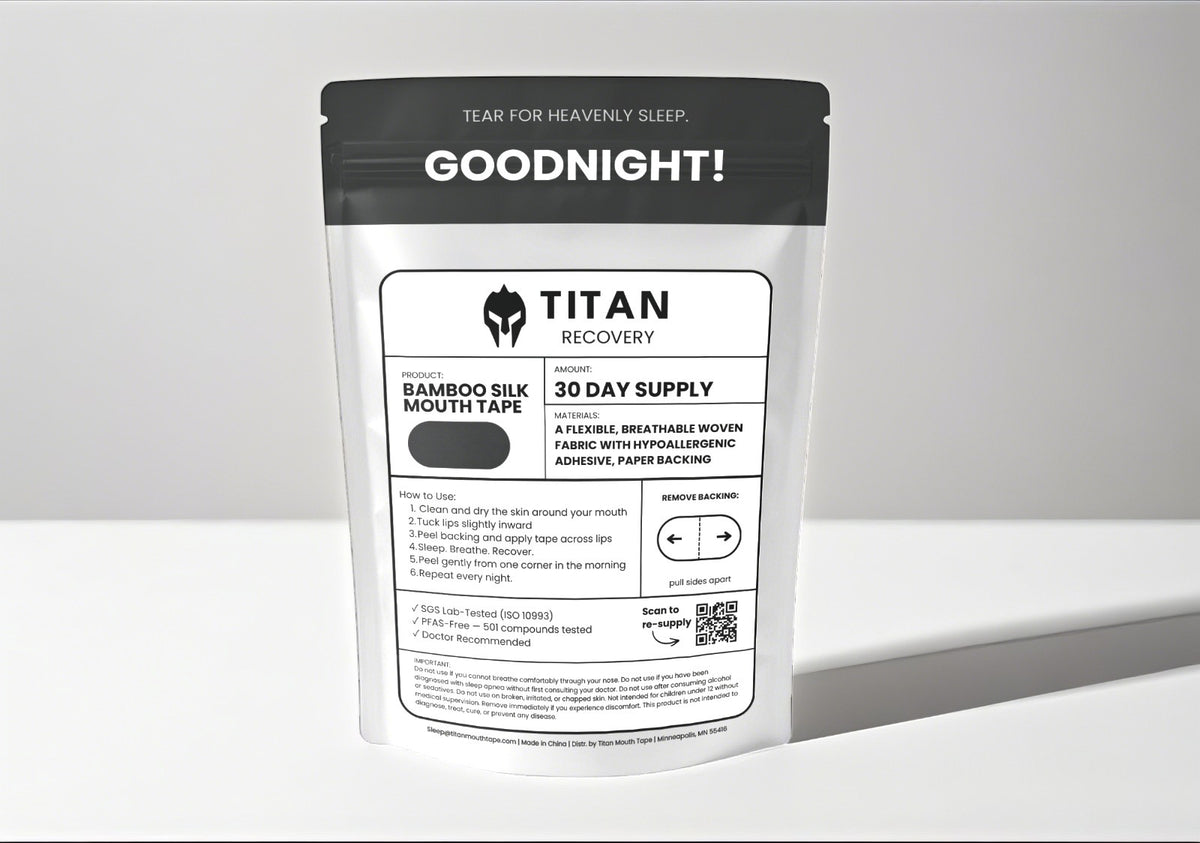
Lab-Tested Safety: Titan’s SilkSeal™ adhesive is independently tested to ISO 10993 medical device standards. Non-toxic (95% cell viability). Non-allergenic (0% reaction rate). Non-irritating (score 0.0/8.0). PFAS-free — 501 compounds tested, zero detected. See full test results →
Try it tonight. Bamboo silk. SilkSeal™ adhesive. Beard-friendly. No logo on the tape. Free shipping. 30-night Better Sleep Guarantee. Shop Titan Mouth Tape → · Shop TitanAir →