Why Isn't Mouth Tape Working for Me?
Share
Mouth tape not working usually comes down to one of four fixable causes: nasal congestion blocking airflow, oils or moisture on the skin, facial hair or a weak tape breaking the seal, or an underlying issue like sleep apnea that tape was never meant to treat. Identify which one applies to you, and the fix follows.
Most people who say mouth tape isn't working have run into one specific, solvable problem rather than a flaw in the concept. The trick is to troubleshoot in order: does the tape stay on, can you breathe through your nose, and are your symptoms the kind tape can actually address? This guide walks through each failure point, including the cases where the right answer is a different tool or a doctor.
Why does my mouth tape fall off?
If your mouth tape is not staying on, the surface it's sticking to is almost always the problem. Adhesive needs clean, dry, hair-free skin to bond. Lip balm, moisturizer, night cream, facial oils, sweat, or leftover water from washing your face all sit between the tape and your skin, so the tape grips the product instead of you and slides off the moment your jaw relaxes.
Facial hair is the other big culprit. A beard or mustache gives the adhesive hair to cling to rather than skin, and hair moves freely, so the seal breaks. Finally, a lot of tape isn't built for the job. Repurposed athletic tape, surgical tape, or thin drugstore strips often use adhesives meant for a few daytime hours, not a full night of tossing, turning, and jaw movement.
The fix:
- Wash the area around your mouth and pat it completely dry before taping.
- Skip lip balm and moisturizer at bedtime, or apply them hours earlier and wipe residue away.
- Press the tape firmly for a full ten seconds, working from the center out to the edges where peeling starts.
- With a beard or mustache, apply to the lips themselves or use a vertical strip, and trim hair right along the lip line.
- Switch to a purpose-built sleep tape with a beard-friendly, medical-grade adhesive.
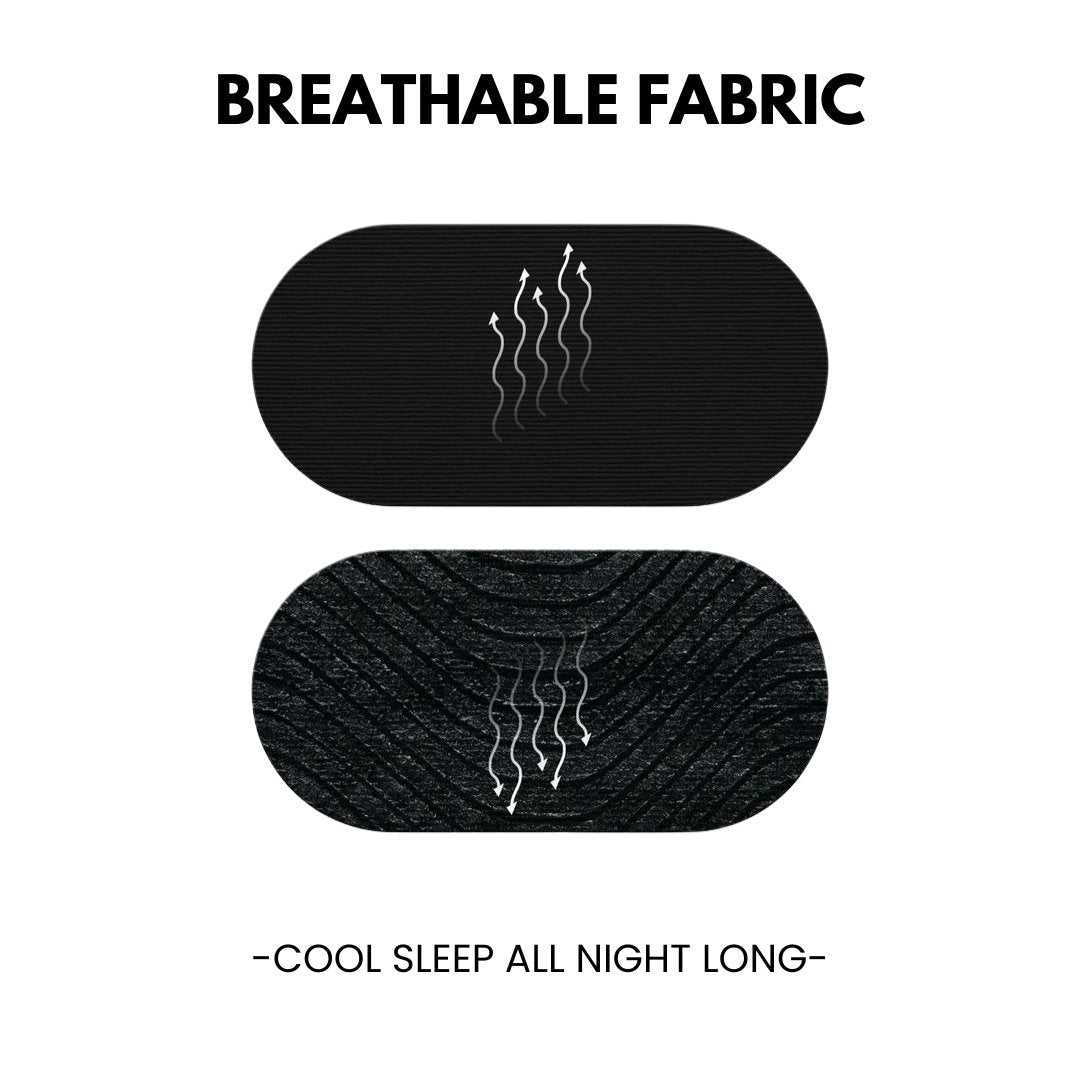
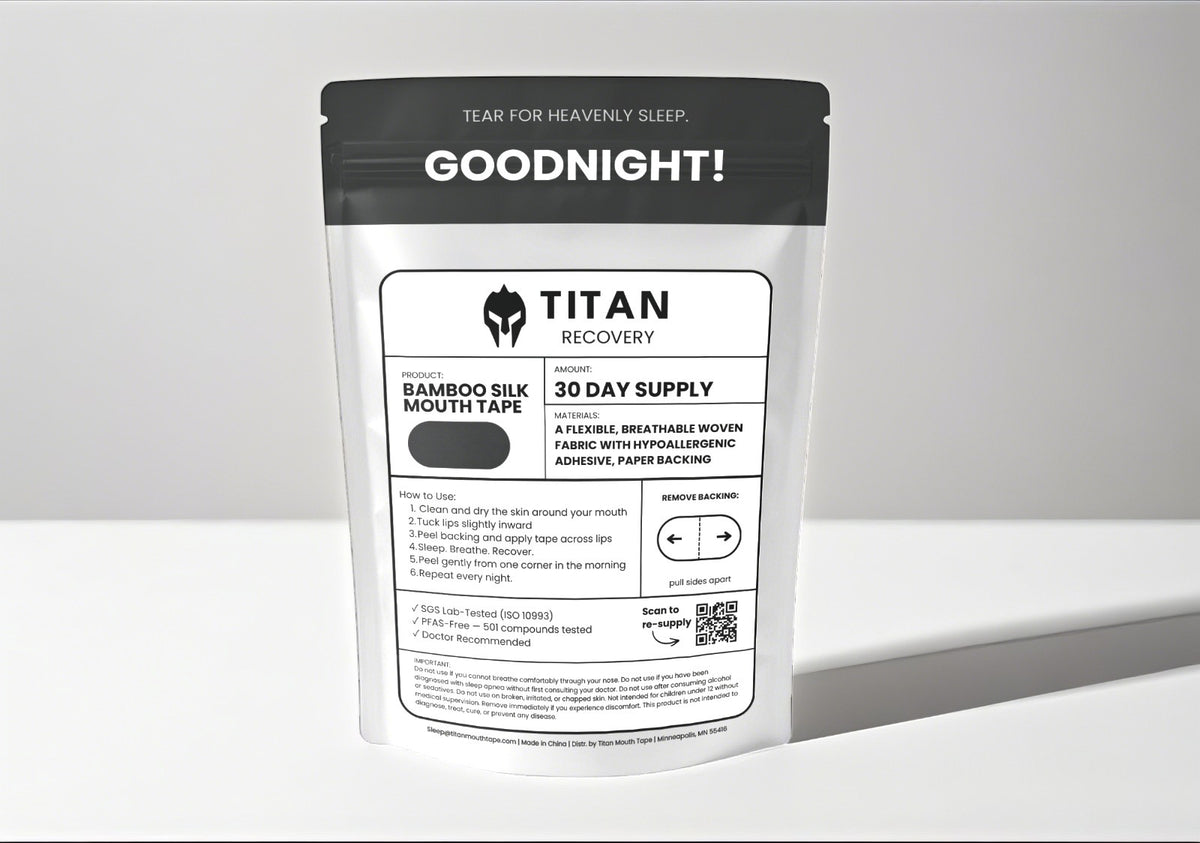
If clean skin and firm pressure still don't hold, the product is likely the issue. Titan Mouth Tape uses a bamboo silk fabric with an adhesive tuned for all-night facial wear. For a full walkthrough of application, see our step-by-step guide to starting mouth taping.
Why can't I breathe through my nose with mouth tape on?
If you feel starved for air with the tape on, your nose is congested, and no tape can fix that. Mouth tape only works when your nose can carry a full night of breathing on its own. Close your mouth over a blocked nose and you've removed your backup airway, which leads to fragmented sleep, waking up to pull the tape off, or genuine air hunger.
This is the single most common reason mouth tape "fails." Congestion from allergies, a cold, dry air, or narrow nasal passages is a signal to clear the nose first, not to push through with tape.
There's a quick test: lie down, close your mouth, and breathe only through your nose for 60 seconds. If it feels easy, your nose can do the job. If it feels effortful or air hunger builds, don't tape yet. Clear the airway with a saline rinse, treat the allergies, or lift the nasal passages open with TitanAir nasal strips, which widen the nostrils without medication and often make nasal breathing comfortable enough that tape finally works. Our guide on nasal strips for congestion covers when they help; a blockage that never clears is a reason to see an ENT.
Why am I still snoring with mouth tape?
Mouth tape only reduces snoring that comes from an open mouth. If you're still snoring with mouth tape on, your snore likely comes from somewhere else. Snoring is caused by vibration in the airway, and that vibration can originate at the soft palate, the base of the tongue, the throat, or the nasal passages, not just the lips.
When the mouth is the source, closing the lips can genuinely quiet things down. But if your tongue falls back against your throat, your soft palate flutters, or your nose is partially blocked, a shut mouth doesn't stop the vibration.
Persistent snoring despite good nasal breathing and a well-sealed mouth deserves attention. It can be positional (back sleeping is the worst offender), weight- or alcohol-related, or a sign of sleep apnea. If it's loud and paired with the red flags in the last section, that's a medical conversation, not a tape adjustment.
Why is mouth tape irritating my skin?
Skin irritation from mouth tape usually traces back to removal technique or taping over skin that was already compromised. Ripping the tape off quickly, taping over chapped or broken lips, or leaving adhesive on the same patch of skin every night can all cause redness or soreness.
The fixes are straightforward. Remove the tape slowly, ideally after dampening it with a warm washcloth so the adhesive releases instead of pulling. Rotate placement slightly night to night, and don't tape over cracked, raw, or irritated skin. If your skin is simply sensitive rather than damaged, choose a gentler formulation. Ongoing irritation is covered in our overview of mouth tape side effects, and a persistent rash or known adhesive allergy means you should stop and, if needed, ask a dermatologist.
Why do I still have dry mouth with mouth tape on?
If you still have dry mouth after taping, the tape probably isn't fully sealing, or your dryness has a cause tape can't reach. A partial seal lets air leak through the corners of your mouth all night, which keeps drying you out even though the tape is technically "on."
Start by improving the seal: clean, dry skin, coverage past the corners of the lips, and firm pressure. But dry mouth also has causes unrelated to breathing, including certain medications (antihistamines, blood pressure drugs, antidepressants), alcohol before bed, dehydration, and dry bedroom air. If your seal is solid and dryness persists, our guide to waking up with dry mouth breaks down the full list and what actually helps.
The mouth tape troubleshooting checklist
Run through this before your next attempt. Most problems clear up in the first three items.
- Clear nose test: Can you breathe comfortably through your nose lying down for 60 seconds? If not, clear it first or use nasal strips.
- Clean, dry skin: No lip balm, moisturizer, oil, or moisture anywhere near the taping area.
- Firm application: Press for ten full seconds, center to edges.
- Adequate coverage: Tape extends past the corners of the lips for a real seal.
- Facial hair handled: Applied to the lips or as a vertical strip, hair trimmed along the lip line.
- Right tape: A sleep-specific, medical-grade adhesive, not repurposed athletic or surgical tape.
- Gentle removal: Loosen with warmth, peel slowly, rotate placement.
- Sober and healthy: No alcohol, sedatives, or active respiratory illness that night.
When is mouth tape not the right fix?
Mouth tape is a sleep habit, not a medical treatment, and some symptoms are signals to see a doctor rather than adjust your technique. The most important is obstructive sleep apnea. Tape does not hold the throat open, does not treat apnea, and can create a false sense that a serious problem is handled.
See a clinician before relying on tape if you notice any of these red flags:
- Loud, chronic snoring, especially with pauses in breathing that someone has witnessed.
- Waking up gasping, choking, or short of breath.
- Daytime exhaustion, morning headaches, or falling asleep despite a full night in bed.
- No improvement after several weeks of correct, consistent taping.
Congestion that never clears, a severe deviated septum, recent facial or nasal surgery, and serious respiratory illness are also reasons to hold off or get medical input first. Our guide on who should not use mouth tape covers these, and how mouth tape works explains why nasal breathing helps in the first place.
Frequently Asked Questions
Why does my mouth tape keep falling off?
Almost always skin prep. Lip balm, moisturizer, oils, or moisture stop the adhesive from bonding, and facial hair gives it hair to grip instead of skin. Wash and dry the area, skip bedtime balm, press firmly for ten seconds, and use a sleep-specific tape. If it still won't hold, the tape itself is likely too weak for overnight wear.
Why am I still snoring even with mouth tape on?
Because tape only helps snoring caused by an open mouth. Snoring from the soft palate, tongue, or a congested nose continues regardless of whether your lips are sealed. Persistent loud snoring, especially with witnessed breathing pauses, can point to sleep apnea and should be evaluated by a clinician.
Why do I still get dry mouth with tape on?
Usually an incomplete seal that lets air leak through the corners of your mouth. Improve coverage and pressure first. If dryness continues with a solid seal, the cause may be medication, alcohol, dehydration, or dry air rather than how you're breathing.
Can mouth tape stop working if I'm congested?
Yes, and this is the most common reason it fails. Tape depends on a clear nose. If you can't breathe comfortably through your nose lying down, clear it with saline or nasal strips first, treat the underlying allergies, and don't tape a blocked nose.
How long before mouth tape should start working?
Many people notice less morning dryness and lighter snoring within one to two weeks of consistent, correct use. If you've taped properly every night for several weeks with no benefit, reassess your technique and consider whether an underlying issue needs a doctor's attention.
Is it safe to keep trying mouth tape if it isn't working?
It's safe to keep troubleshooting for healthy adults with a clear nose. Stop and see a clinician if you wake gasping or anxious, feel air hunger, notice witnessed breathing pauses, or stay exhausted despite full nights of sleep. Those are signs of something tape can't fix.
The Bottom Line
When mouth tape isn't working, the answer is rarely "mouth tape doesn't work." It's a specific, findable cause: a congested nose, oily or damp skin, facial hair, a weak tape, or a symptom that was never tape's job to solve. Troubleshoot in order, clean skin first and clear nose second, and match the fix to the cause. If congestion is the only thing in your way, nasal strips often open the door, and the Deep Sleep Bundle pairs both tools so you can clear the nose and seal the mouth on the same night. But if you're seeing red flags like witnessed breathing pauses, gasping, or all-day exhaustion, skip the tweaking and see a doctor. Mouth tape is a nudge toward nasal breathing, not a substitute for medical care.
Doctor Recommended: "As a maxillofacial surgeon and dentist, I recommend Titan Mouth Tape. Nasal breathing during sleep is essential for airway health and deep restorative rest. Titan's bamboo silk design is the most comfortable and effective mouth tape I have tested. If you struggle with snoring, dry mouth, or poor sleep quality, this is the simplest change you can make for your health." — Dr. Francois P., MD, DDS — Maxillofacial Surgeon
Lab-Tested Safety: Titan's adhesive is independently tested to ISO 10993 medical device standards. Non-toxic (95% cell viability). Non-allergenic (0% reaction rate). Non-irritating (score 0.0/8.0). PFAS-free — 501 compounds tested, zero detected. See full test results →
Try the complete system tonight. Titan Mouth Tape (bamboo silk, SilkSeal™ adhesive) + TitanAir Nasal Strips. Free shipping. 30-night Better Sleep Guarantee. Shop Titan Mouth Tape → · Shop TitanAir Nasal Strips →