Mouth Breathing and Bad Breath: The Fix You Haven't Tried
Share
You brush twice a day. You floss. You've tried the mouthwash that burns, the mouthwash that doesn't burn, the tongue scraper your dentist recommended, and the charcoal toothpaste your coworker swore by. Your dentist says your teeth look fine. And yet, every single morning, you wake up with breath bad enough to clear a room. If that cycle sounds familiar, the problem probably isn't your oral hygiene routine. It's how you breathe while you sleep.
Mouth breathing and bad breath are directly connected. When you sleep with your mouth open, air flows across your tongue, gums, and palate for hours, evaporating the saliva that normally keeps odor-causing bacteria in check. Without saliva, those bacteria multiply unchecked throughout the night. The result is the kind of morning breath that mouthwash can mask for twenty minutes but never actually eliminates — because the real cause starts all over again the next time you fall asleep.
How Saliva Prevents Bad Breath
Saliva is not just moisture. It's a complex antimicrobial fluid that does several things at once. It contains enzymes like lysozyme and lactoferrin that actively kill bacteria. It washes away food particles and dead cells that bacteria feed on. It maintains a neutral pH in your mouth, which limits the growth of the anaerobic bacteria responsible for the sulfur compounds that cause bad breath. And it delivers calcium and phosphate ions that help remineralize enamel, keeping the tooth surfaces smooth and less hospitable to bacterial colonization.
During the day, your salivary glands produce roughly half a liter of saliva — enough to continuously rinse your mouth, neutralize acids, and suppress bacterial populations. That's why your breath is generally tolerable during waking hours even without brushing after every meal. Saliva is doing the heavy lifting.
The problem starts at night. Saliva production drops naturally during sleep as part of your circadian rhythm. Your glands slow down. There's less of this protective fluid circulating. Under normal conditions — breathing through your nose with your mouth closed — that reduced flow is still enough to maintain a baseline level of protection. The oral cavity stays sealed. Moisture stays where it belongs. Bacteria are held in check, at least enough to prevent anything severe.
But when your mouth is open? That's when the system collapses.
How Mouth Breathing Destroys the System
Eight hours of mouth breathing is eight hours of evaporation. Room air flowing across your oral tissues doesn't just reduce moisture — it strips it. The thin film of saliva that normally coats your tongue, cheeks, and gums disappears within minutes of sustained airflow. Once that protective layer is gone, several things happen simultaneously.
First, the anaerobic bacteria that produce volatile sulfur compounds — the molecules directly responsible for the rotten-egg and garbage-like smell of bad breath — thrive in dry conditions. These bacteria live primarily on the back of the tongue and in the spaces between teeth and gums. In a moist, oxygen-rich environment, they're kept in check. In a dry, low-oxygen environment, they proliferate. A mouth left open all night is exactly the environment they prefer.
Second, food particles and dead epithelial cells that would normally be washed away by saliva sit on the tongue surface and in gum crevices, fermenting. Bacteria break down these proteins and produce hydrogen sulfide, methyl mercaptan, and other compounds that register as halitosis. The longer the mouth stays dry, the more substrate accumulates, and the worse the smell gets.
Third, the pH of the mouth shifts acidic. Without saliva's buffering capacity, the oral environment becomes more hospitable to the specific bacterial strains that produce odor. This acidic shift also weakens enamel and irritates gum tissue, creating more surface area for bacteria to colonize. It's a compounding cycle: dryness creates conditions that produce bad breath, which creates conditions that produce more bad breath.
This is why bad breath from sleeping with your mouth open is qualitatively different from ordinary morning breath. Everyone's breath is less fresh in the morning because of reduced saliva flow during sleep. But mouth breathers experience something much worse — a bacterial bloom that had eight uninterrupted hours to develop in a warm, dry, oxygen-depleted environment.
Why Mouthwash and Gum Don't Fix It
Mouthwash is a temporary reset, not a solution. An antibacterial rinse before bed kills a percentage of the bacteria in your mouth at that moment. But bacteria reproduce quickly. If you fall asleep with your mouth open twenty minutes after rinsing, the surviving bacteria have the same dry, food-rich environment they had before. By 2 a.m., the bacterial population has recovered. By morning, you're back where you started.
The same applies to gum, mints, and tongue scraping. These are all interventions that address the current state of your mouth without changing what happens during the six to eight hours you're unconscious. You can scrape your tongue perfectly clean before bed, but if your mouth hangs open all night, new bacterial colonies will form on that same surface before dawn.
This is the frustration that drives people to spend hundreds of dollars on dental products and specialist visits. They're addressing every variable they can see and control, but the variable that matters most — how they breathe during sleep — is one they're not even aware of. If you've done everything right and still have morning breath from mouth breathing, the fix isn't another product for your medicine cabinet. It's keeping your mouth closed.
How Mouth Tape Keeps Saliva Flowing All Night
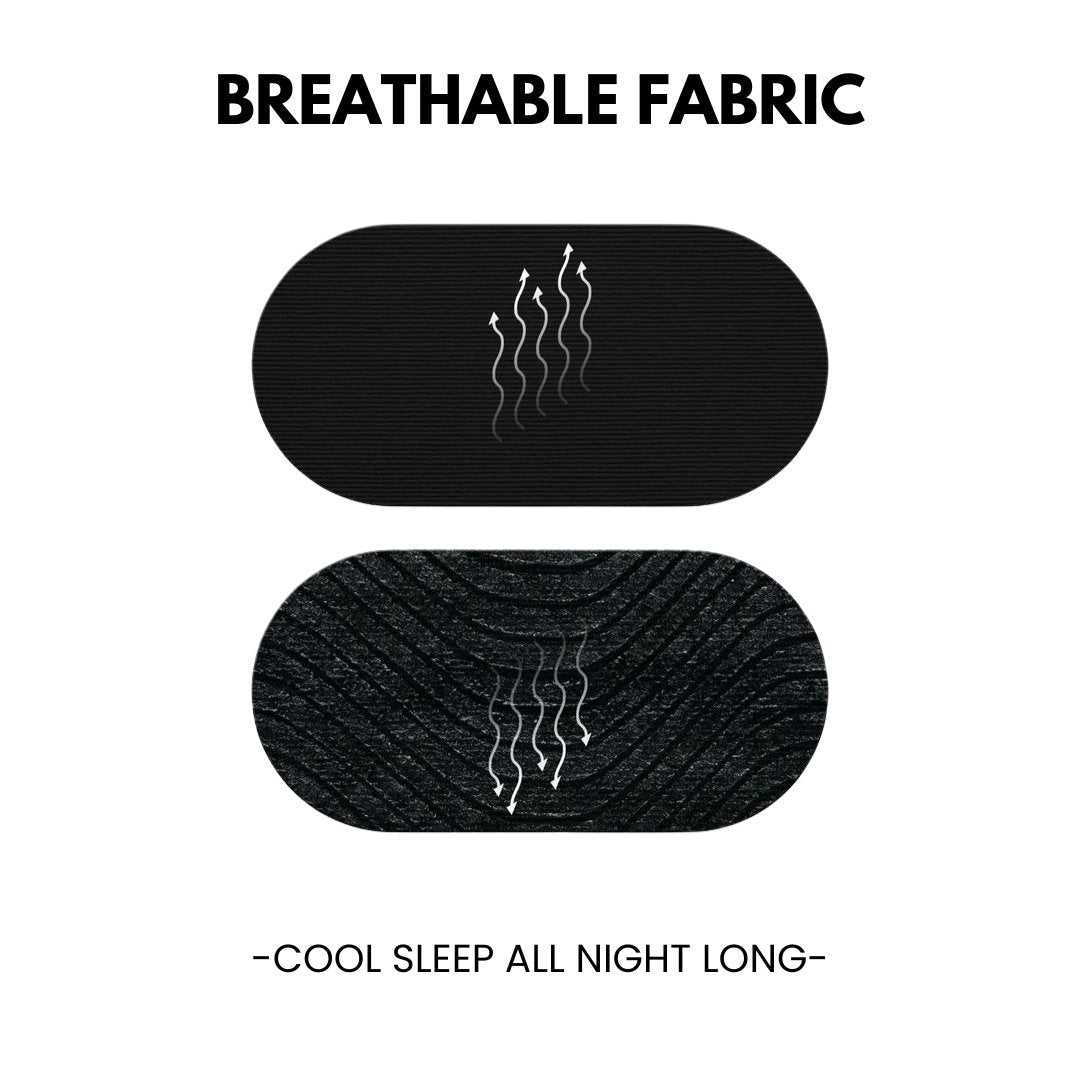
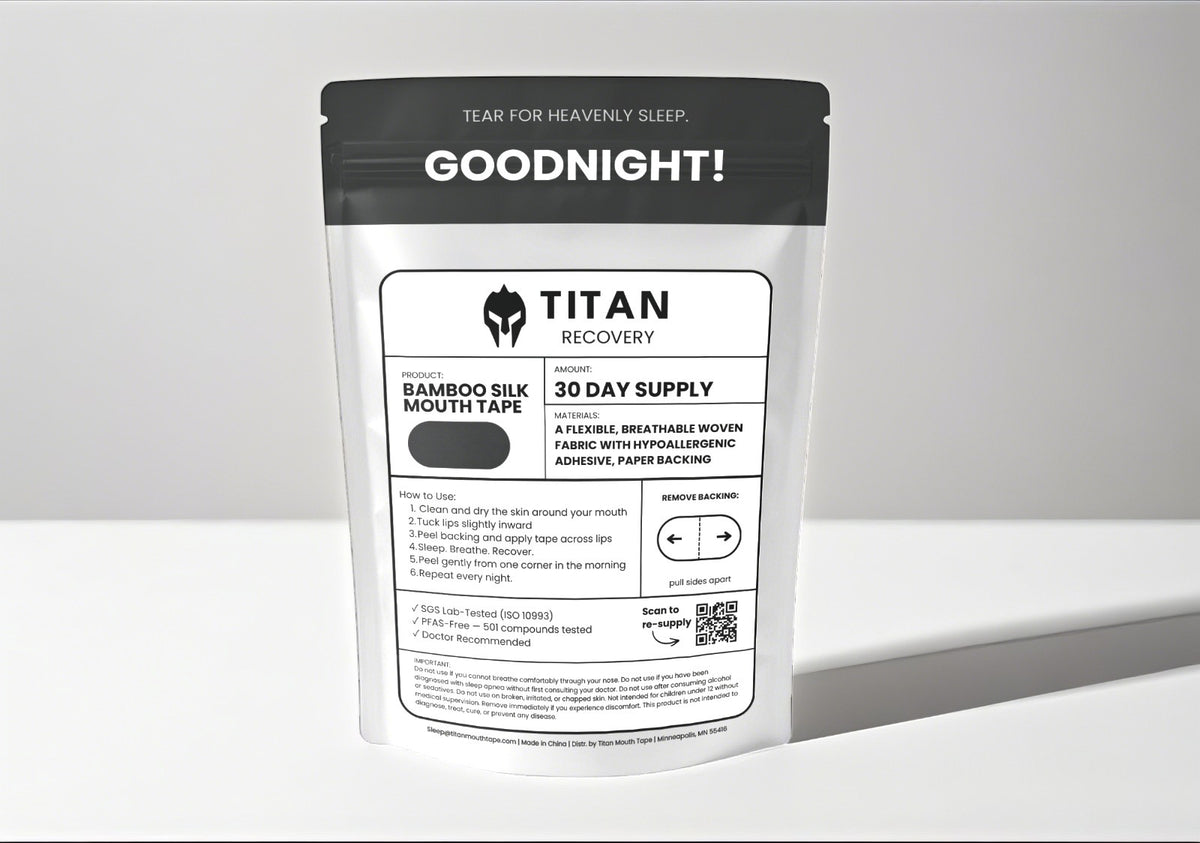
Mouth taping is the most direct way to stop the cycle. A strip of Titan Mouth Tape applied across your lips before sleep holds them gently sealed, routing your breathing through your nose. Your mouth stays closed. Saliva stays in your mouth instead of evaporating into the air. The antimicrobial, pH-balancing, debris-clearing system that saliva provides keeps running all night instead of shutting down after the first hour.
The mechanism is simple: if the mouth stays sealed, the air inside stays humid, the saliva film stays intact, and the bacterial conditions never reach the point that produces severe odor. You're not adding anything new to your mouth — no chemicals, no antibacterial agents. You're just preserving the defense system that already exists.
If nasal congestion is part of the problem — and for many mouth breathers, it is — pairing mouth tape with TitanAir Nasal Strips opens the nasal passages enough to make nose breathing comfortable throughout the night. The nasal strip handles the airway resistance; the mouth tape keeps the mouth sealed. Together, they create the conditions your mouth needs to stay clean and hydrated until morning. If you're new to the practice, our step-by-step guide to mouth taping walks through everything from first application to building the habit.
What Changes and When
Most people notice a difference the first morning. The absence of that thick, dry, foul-tasting coating on the tongue is immediately obvious. Your mouth feels moist when you wake up — not the sandpaper feeling you're used to. The breath isn't odorless (nobody's is first thing in the morning), but the severity drops dramatically.
Over the first week, the pattern solidifies. Morning breath goes from something that makes you avoid your partner until you brush to something mild and unremarkable. The improvement is consistent night to night because the mechanism is consistent: sealed mouth, preserved saliva, suppressed bacteria.
Within two to four weeks of nightly taping, the cumulative effects become more apparent. Without the nightly dry-out cycle, gum tissue that had been chronically irritated from dryness starts to recover. The tongue coating that chronic mouth breathers often develop — that white or yellowish film — diminishes as the bacterial environment normalizes. If you've been dealing with waking up with dry mouth, that resolves on the same timeline since both problems share the same root cause.
For people who want to learn more about the full range of morning breath causes, our morning breath deep dive covers the broader picture. This post focuses on the specific fix: keeping your mouth closed at night so saliva can do what it was designed to do.
The Oral Health Bonus
Bad breath is the most noticeable symptom, but it's not the only thing mouth breathing does to your mouth. The same dry conditions that allow odor-causing bacteria to thrive also accelerate plaque buildup, enamel erosion, and gum inflammation. Dentists and hygienists see this pattern regularly — patients with good brushing and flossing habits who still present with above-average plaque, early-stage gum disease, or cavities in unusual locations.
When saliva is preserved overnight, these secondary effects improve too. Calcium and phosphate in saliva help remineralize enamel that would otherwise erode in the acidic, dry environment of an open mouth. The antimicrobial properties of saliva reduce the bacterial load on gum tissue. The mechanical flushing action — saliva literally washing the surfaces of your teeth — prevents the stagnation that lets plaque harden into tartar.
We covered the full scope of this in our post on mouth taping and oral health, but the short version is this: if you're fighting bad breath, the same fix often improves your dental checkups too. Your dentist may not know why your numbers suddenly improved, but you will.
Frequently Asked Questions
Can mouth breathing actually cause chronic bad breath, or is it just morning breath?
Both. Everyone gets some degree of morning breath, but mouth breathing makes it significantly worse. And if the nightly dry-out cycle damages gum tissue or allows chronic bacterial overgrowth over months or years, the effects can carry into daytime too. Chronically inflamed gums and persistent tongue coating — both consequences of nightly mouth breathing — produce odor even when you're awake and salivating normally. Fixing the nighttime breathing addresses the root cause of both the morning severity and the chronic component.
Will mouth tape help if I already use a mouthwash before bed?
Yes, and the two approaches are complementary. Mouthwash reduces the current bacterial load. Mouth tape preserves the conditions — moisture, neutral pH, saliva flow — that prevent bacteria from repopulating overnight. Without the tape, mouthwash provides a temporary reduction that the bacteria recover from by 2 or 3 a.m. With the tape, the reduced bacterial population stays suppressed because the environment remains hostile to rapid regrowth. The rinse becomes more effective when the mouth stays sealed after using it.
How long does it take for bad breath to improve with mouth taping?
Most people notice a clear difference on the first morning. The mouth feels moist instead of dry, and the intensity of morning breath drops noticeably. Over the first one to two weeks of consistent use, the improvement stabilizes as the oral environment recovers from chronic dryness. Gum inflammation and tongue coating may take two to four weeks to fully improve, and dental checkup results — less plaque, healthier gums — typically show up at the next cleaning.
What if I can't breathe through my nose well enough to tape my mouth?
Nasal congestion is one of the most common reasons people mouth breathe in the first place. TitanAir Nasal Strips physically open the nasal valve — the narrowest point in the nasal passage — to reduce resistance and make nose breathing comfortable. For people with mild to moderate congestion, the combination of nasal strips and mouth tape is usually enough. For those with significant structural issues like a deviated septum, our guide on stopping mouth sleeping covers additional strategies including positional changes and when to consult an ENT.
Is bad breath from mouth breathing different from bad breath caused by diet or stomach issues?
Yes. Dietary bad breath — garlic, onions, coffee — is caused by volatile compounds entering the bloodstream and being exhaled through the lungs. Stomach-related halitosis, which is less common than most people assume, involves acid reflux carrying odor upward. Mouth-breathing bad breath is purely oral: it's caused by bacterial overgrowth in a dry mouth. The distinction matters because the solutions are different. If your bad breath is worst in the morning and improves after brushing and drinking water, mouth breathing during sleep is the most likely culprit.
The Bottom Line
If you've exhausted your options — the toothpastes, the rinses, the tongue scrapers, the dental visits — and you still wake up with breath that embarrasses you, stop looking for another product to put in your mouth. Look at whether your mouth is open while you sleep. Mouth breathing dries out saliva, and saliva is the only thing standing between you and the bacterial overgrowth that causes bad breath. Keep the mouth closed, and the saliva does the rest.
Titan Mouth Tape keeps your lips sealed comfortably all night, preserving the moisture and antimicrobial protection your mouth needs to stay clean. With Subscribe and Save, you lock in an 11% discount and never run out. The fix for bad breath you've been searching for might be the simplest one you haven't tried yet.
Doctor Recommended: "As a maxillofacial surgeon and dentist, I recommend Titan Mouth Tape. Nasal breathing during sleep is essential for airway health and deep restorative rest. Titan's bamboo silk design is the most comfortable and effective mouth tape I have tested. If you struggle with snoring, dry mouth, or poor sleep quality, this is the simplest change you can make for your health." — Dr. Francois P., MD, DDS — Maxillofacial Surgeon
Lab-Tested Safety: Titan's adhesive is independently tested to ISO 10993 medical device standards. Non-toxic (95% cell viability). Non-allergenic (0% reaction rate). Non-irritating (score 0.0/8.0). PFAS-free — 501 compounds tested, zero detected. See full test results →
Try the complete system tonight. Titan Mouth Tape (bamboo silk, SilkSeal™ adhesive) + TitanAir Nasal Strips. Free shipping. 30-night Better Sleep Guarantee. Shop Titan Mouth Tape → · Shop TitanAir Nasal Strips →