Why Do People Use Nasal Strips? Reasons Beyond Snoring

Share
Why do people use nasal strips? Most people assume the answer is snoring — and that's one reason, but far from the only one. Nasal strips do one simple thing: they open up your nose. And it turns out a lot of different people want that for a lot of different reasons.
Here's a plain-English rundown of what nasal strips actually do and the main reasons people reach for them, so you can tell whether they're worth trying for you.
First, What Nasal Strips Actually Do
A nasal strip is an adhesive band you stick across the bridge of your nose. The flexible spring inside gently lifts and widens your nostrils from the outside, which reduces the resistance air meets on the way in. The effect is mechanical and immediate — no medication, nothing absorbed. For the full mechanism, see how nasal strips work.
Because they open the nose itself, nasal strips help any situation where narrow or blocked nasal passages are the problem. That covers more ground than you'd expect.
Reason 1: Snoring
The best-known use. When your nose is partly blocked, you're more likely to fall back on mouth breathing, which is a major driver of snoring. Opening the nasal passages can reduce nose-related snoring and make nasal breathing the easier path. Nasal strips won't fix every type of snoring — those caused by the throat or tongue need a different approach — but for nasal snorers they can help. See nasal strips for snoring.
Reason 2: Congestion From Colds
A stuffy nose from a cold makes sleep miserable. Nasal strips offer drug-free, mechanical relief by physically holding the nostrils open, which many people find easier to tolerate than decongestant sprays — especially overnight. They don't cure the cold, but they can make breathing through a congested nose easier while it runs its course. More in nasal strips for congestion and colds.
Reason 3: Allergies
Allergy congestion follows the same logic. When pollen or dust leaves your nose swollen and narrow, a nasal strip can widen the passage and ease breathing without adding another pill or spray. It's a mechanical complement to allergy care, not a replacement for it. See nasal strips for allergies.
Reason 4: Exercise and Sport
Athletes have worn nasal strips on the field for decades. Opening the nasal airway can make nose breathing during exercise feel easier, and many runners and lifters use them to support nasal breathing during training. The performance research is mixed, but plenty of athletes use them simply because breathing feels less restricted. See nasal strips for running and workouts and nasal strips for athletes.
Reason 5: Narrow Nostrils or a Deviated Septum
Some people are just built with narrow nasal passages, or have a deviated septum that restricts one side. Nasal strips can't straighten a septum, but by widening the external opening they often make breathing noticeably easier for people whose nose simply doesn't move enough air. See nasal strips with a deviated septum.
Reason 6: Easier Nasal Breathing at Night
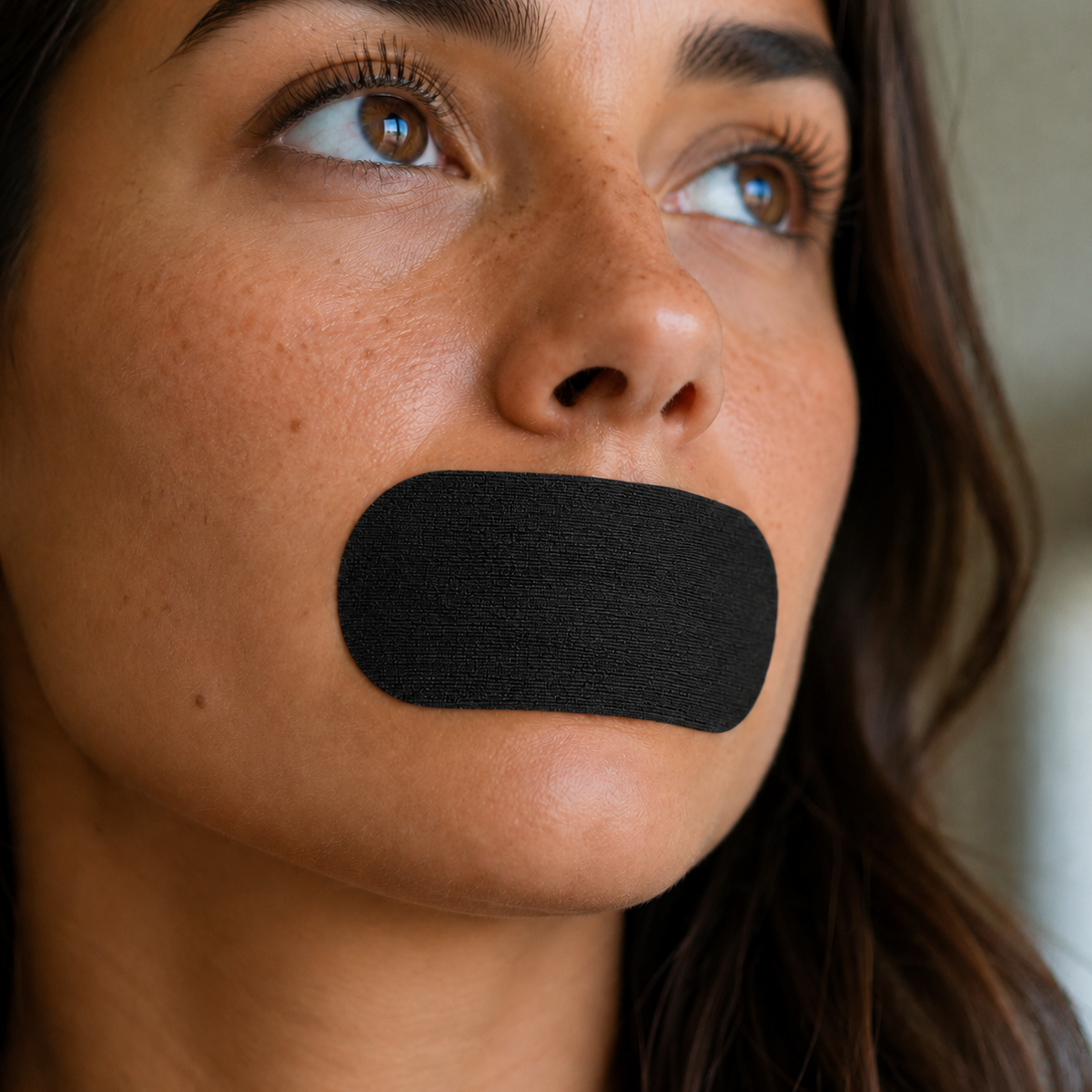
This is the one that ties the others together. Nasal breathing supports calmer, deeper sleep and a less dry airway than mouth breathing. But you can only breathe through your nose if your nose is open. Many people use nasal strips specifically to keep the nasal route clear — often alongside mouth tape, which keeps the mouth gently closed so nasal breathing is the default. The two solve different halves of the same problem: see nasal strips vs mouth tape.
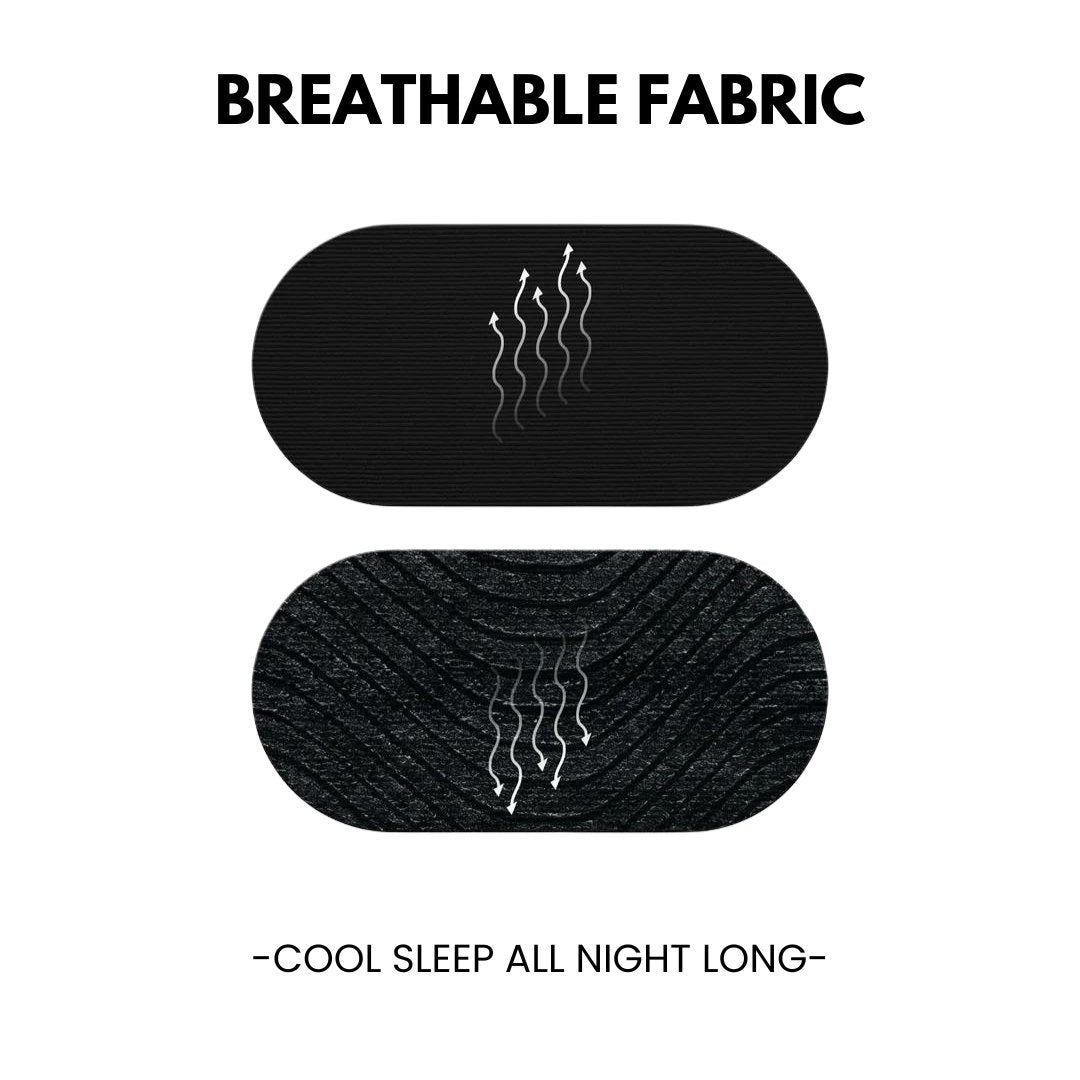
If you want the full setup, the Titan Sleep System pairs TitanAir nasal strips with bamboo silk mouth tape for open-nose, closed-mouth breathing all night.
The Bottom Line
People use nasal strips for far more than snoring — congestion, allergies, exercise, narrow nasal passages, and simply making nasal breathing easier at night. They all come down to one thing: a more open nose. If narrow or blocked nasal passages are getting in your way, a drug-free strip is a cheap, low-risk thing to try. Just know what they can't do: they open the nose, but they don't close the mouth — which is why many people use them together with mouth tape.
Frequently asked questions
What are nasal strips used for?
Nasal strips mechanically widen the nostrils from the outside to reduce airflow resistance. People use them for snoring, nasal congestion from colds or allergies, naturally narrow nostrils or a deviated septum, exercise, and to make nasal breathing easier at night.
Do nasal strips only help with snoring?
No. Snoring is the best-known use, but many people use nasal strips for congestion, allergies, exercise, or simply because their nasal passages are narrow. They help with the nose itself, not just the noise.
Are nasal strips a drug?
No. Nasal strips are drug-free. They work mechanically by lifting and widening the nostrils, so there's nothing absorbed into the body and no medication involved.
Doctor Recommended: "As a maxillofacial surgeon and dentist, I recommend Titan Mouth Tape. Nasal breathing during sleep is essential for airway health and deep restorative rest. Titan's bamboo silk design is the most comfortable and effective mouth tape I have tested. If you struggle with snoring, dry mouth, or poor sleep quality, this is the simplest change you can make for your health." — Dr. Francois Proux, MD, DDS — Maxillofacial Surgeon
Lab-Tested Safety: Titan's adhesive is independently tested to ISO 10993 medical device standards. Non-toxic (95% cell viability). Non-allergenic (0% reaction rate). Non-irritating (score 0.0/8.0). PFAS-free — 501 compounds tested, zero detected. See full test results →
Try the complete system tonight. Titan Mouth Tape (bamboo silk, SilkSeal™ adhesive) + TitanAir Nasal Strips. Free shipping. 30-night Better Sleep Guarantee. Shop Titan Mouth Tape → · Shop TitanAir Nasal Strips →