Nasal Strips for Allergies: Breathing Easier Through Allergy Season

Share
Allergy season has a way of stealing your sleep. Pollen, dust, or pet dander leave your nose swollen and blocked, and suddenly you're mouth breathing all night and waking up exhausted. Nasal strips are a simple, drug-free tool a lot of allergy sufferers swear by — but do nasal strips really help with allergies? Here's the honest breakdown.
We'll cover what nasal strips do for allergy congestion, what they can't do, and how to fit them into a sensible allergy routine.
Why Allergies Block Your Nose
An allergic reaction makes the lining of your nose inflamed and swollen. Your immune system responds to an allergen — pollen, dust mites, dander — by releasing histamine, which swells the nasal tissues and narrows your airway. The result is that familiar stuffed-up, can't-breathe feeling, often worse at night and first thing in the morning.
That swelling is the target. And it's exactly where a nasal strip can and can't help.
How Nasal Strips Help With Allergy Congestion
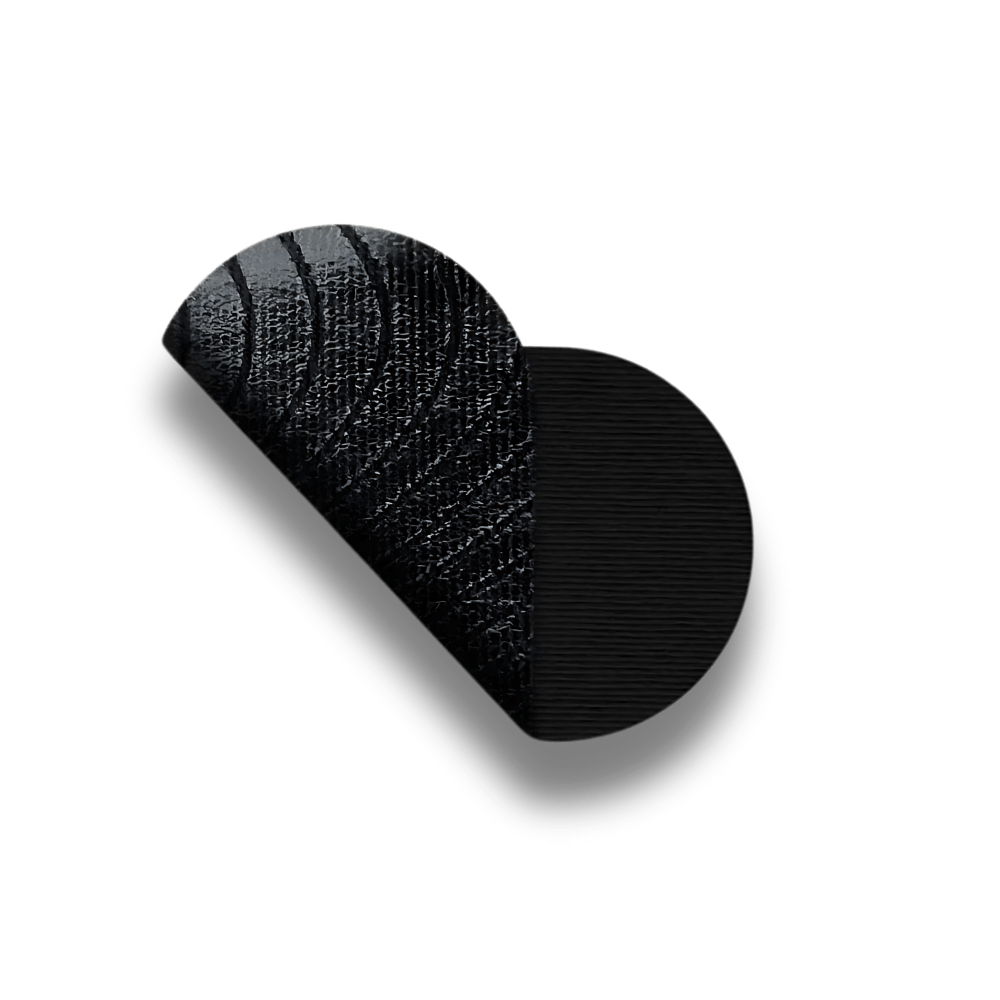
Nasal strips mechanically widen your nostrils from the outside, lifting the sides of the nose to open the narrowest part of the nasal airway. When allergies have swollen that passage nearly shut, even a small physical widening can make breathing noticeably easier — without adding another medication. See how nasal strips work for the mechanism.
For allergy sufferers the appeal is specific: it's drug-free, it won't interact with any antihistamine or spray you're already taking, and it's made for night use, when allergy congestion and lying flat combine to wreck your sleep.
What Nasal Strips Can't Do
A nasal strip doesn't touch the allergic reaction itself. It won't reduce histamine, calm the inflammation, or stop your body reacting to the allergen. It opens the nose mechanically — that's it. So think of a strip as a complement to allergy care, not a replacement for it. If your allergies are significant, antihistamines, steroid nasal sprays, allergen avoidance, and a doctor's guidance do the actual heavy lifting; the strip just helps you breathe while they work.
If your symptoms are severe, year-round, or not responding to over-the-counter care, see a doctor or allergist rather than relying on mechanical relief alone.
Allergies, Mouth Breathing, and Sleep
Here's the knock-on effect allergy sufferers know too well: a blocked nose forces you to breathe through your mouth all night. Mouth breathing dries out your airway, worsens that morning sore throat, and is tied to lighter, more broken sleep — so an allergy flare costs you twice, once in congestion and again in sleep quality.
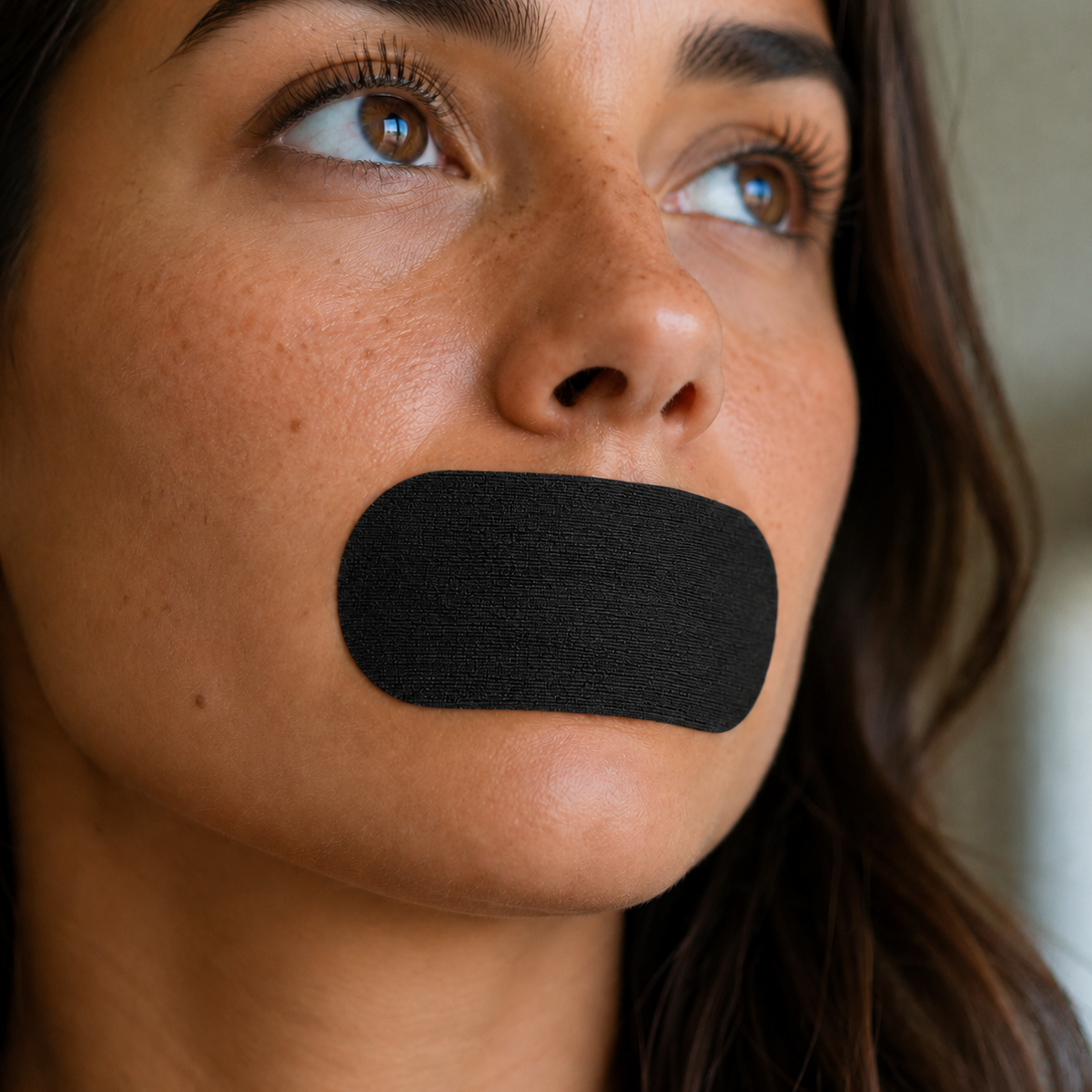
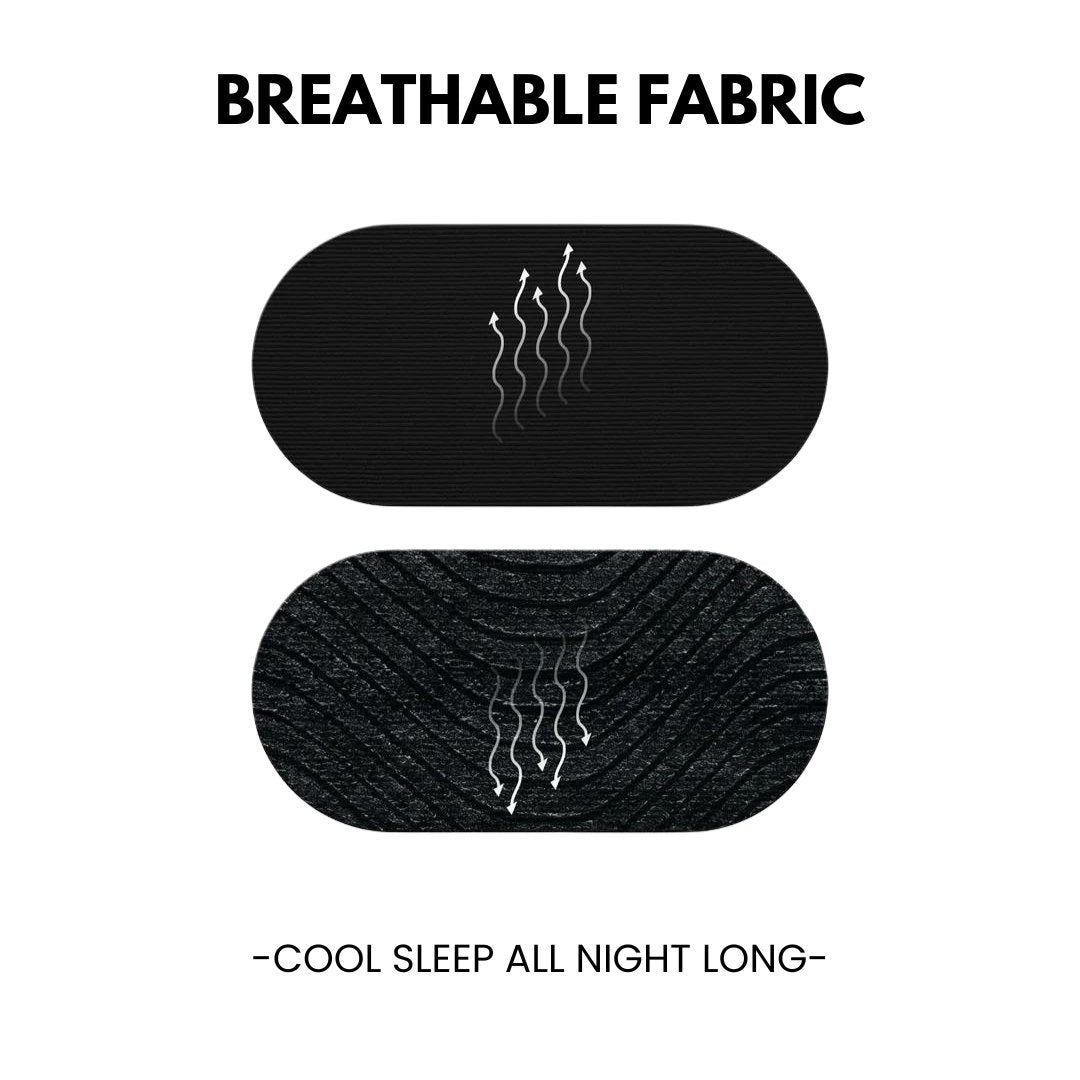
Opening the nose with a strip helps you stay on the nasal route. Once your nose is open enough, some people add mouth tape to keep the mouth gently closed so nasal breathing is the default — the same logic behind mouth taping during allergy season. During a bad flare, though, lead with the strip and your allergy care; only add tape when you can breathe comfortably through your nose.
How to Use Nasal Strips for Allergies
Apply to clean, dry skin across the bridge of the nose before bed — skip moisturizer first so it sticks. A saline rinse beforehand can flush out allergens and mucus so the strip works on a cleaner passage. Keep your bedroom allergen-light: wash bedding often, consider an air filter, and keep windows closed on high-pollen nights. A strip plus a cleaner sleep environment plus your usual allergy medication is a strong, low-risk nighttime combination. The TitanAir nasal strips are built to hold through the night.
The Bottom Line
Nasal strips help with the congestion part of allergies — they open a swollen nose mechanically so you can breathe and sleep, drug-free and with no interaction with your allergy meds. What they don't do is stop the allergic reaction, so use them alongside proper allergy care, not instead of it. For breathing easier through allergy season at night, a strip is a cheap, sensible addition to the routine.
Frequently asked questions
Do nasal strips help with allergies?
They help with allergy congestion mechanically by widening the nostrils so you can breathe more easily through a swollen nose. They don't block the allergic reaction itself, so they work best alongside allergy care like antihistamines, not instead of it.
Can I use nasal strips with antihistamines or allergy sprays?
Yes. Nasal strips are drug-free and work mechanically, so they don't interact with allergy medication. Many people combine them, using medication to calm the reaction and a strip to open the nose at night.
Are nasal strips good for nighttime allergy congestion?
They're especially useful at night, when lying down tends to worsen congestion and you need nasal breathing to sleep. A strip holds the nose open drug-free through the night with no rebound effect.
Related reading: Why Winter Wrecks Your Sleep (And How to Fix It)
Doctor Recommended: "As a maxillofacial surgeon and dentist, I recommend Titan Mouth Tape. Nasal breathing during sleep is essential for airway health and deep restorative rest. Titan's bamboo silk design is the most comfortable and effective mouth tape I have tested. If you struggle with snoring, dry mouth, or poor sleep quality, this is the simplest change you can make for your health." — Dr. Francois Proux, MD, DDS — Maxillofacial Surgeon
Lab-Tested Safety: Titan's adhesive is independently tested to ISO 10993 medical device standards. Non-toxic (95% cell viability). Non-allergenic (0% reaction rate). Non-irritating (score 0.0/8.0). PFAS-free — 501 compounds tested, zero detected. See full test results →
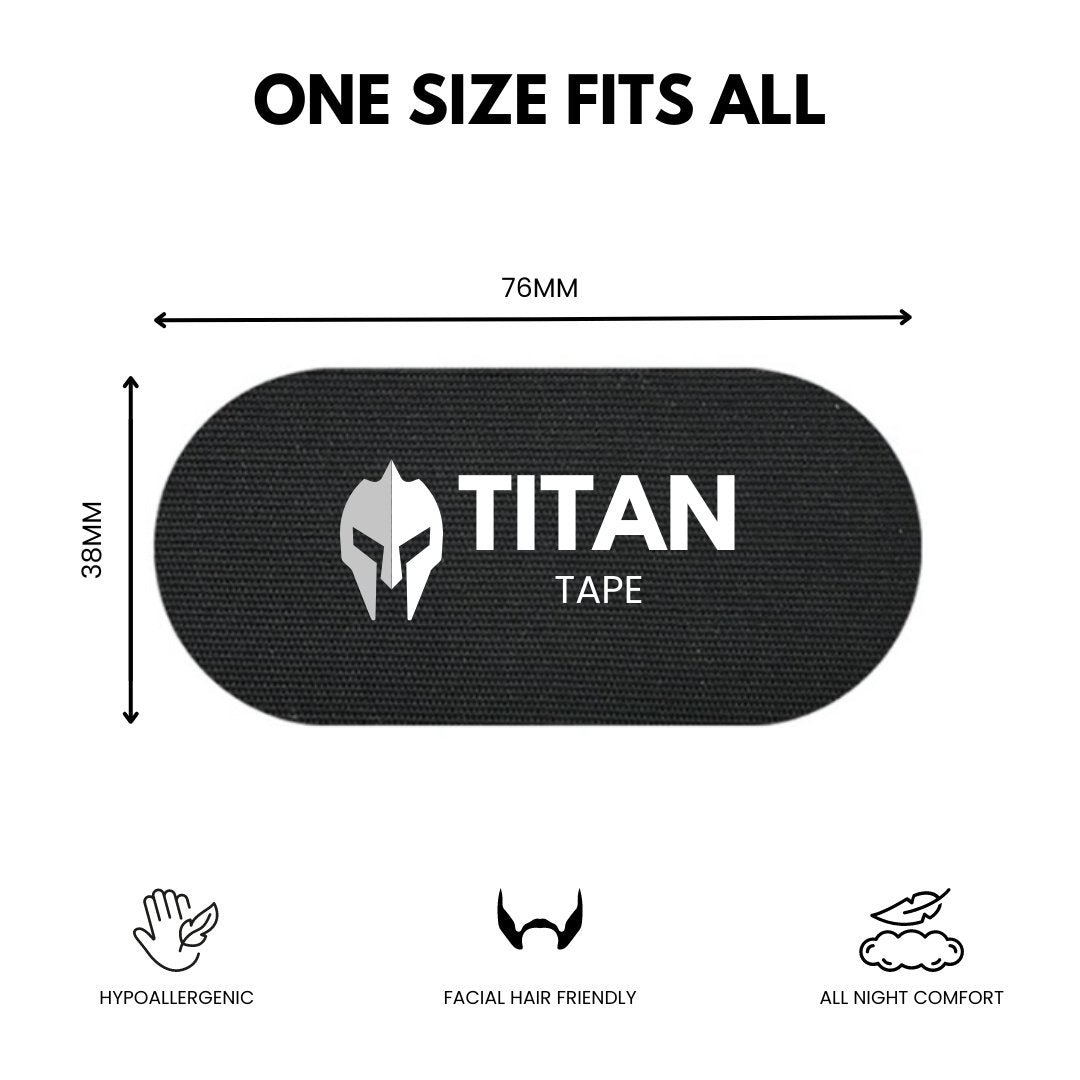
Try the complete system tonight. Titan Mouth Tape (bamboo silk, SilkSeal™ adhesive) + TitanAir Nasal Strips. Free shipping. 30-night Better Sleep Guarantee. Shop Titan Mouth Tape → · Shop TitanAir Nasal Strips →