Nasal Strips for Congestion & Colds: Do They Actually Help?

Share
When your nose is stuffed up from a cold, sleep is the first thing to go. Nasal strips are a cheap, drug-free option a lot of people reach for — but do nasal strips actually help with congestion, or just feel like they do? The honest answer: they help with one specific part of the problem, and it's worth knowing which part.
Here's what nasal strips do for a blocked nose, what they can't do, and how to get the most out of them when you're congested.
What Congestion Actually Is
A stuffy nose usually isn't "too much mucus" — it's swelling. When you have a cold, the blood vessels and tissues lining your nasal passages become inflamed and swollen, narrowing the space air has to move through. That's why your nose can feel blocked even when it's not running. The passage is simply too tight.
Understanding that explains exactly where nasal strips fit — and where they don't.
How Nasal Strips Help
Nasal strips widen the nostrils from the outside. The spring in the strip lifts the sides of your nose, opening the external nasal valve — often the narrowest point in the whole airway. When that opening is swollen nearly shut, even a small mechanical widening can make a noticeable difference in how easily you breathe. For the full mechanism, see how nasal strips work.
The big advantages during a cold: it's drug-free, there's nothing to overuse, and it works well overnight, when lying down tends to make congestion feel worse and when you most need to breathe through your nose to sleep.
What Nasal Strips Don't Do
Be clear-eyed about the limits. Nasal strips don't reduce the underlying swelling, clear mucus, fight the virus, or shorten your cold. They're symptom relief for the mechanical blockage, not a treatment. If your congestion is severe, one-sided and persistent, or comes with a high fever, facial pain, or lasts more than about ten days, that's worth a conversation with a doctor rather than a strip.
They also only address the nose. If you're so blocked that you default to breathing through your mouth all night, you'll wake up with a dry, sore mouth regardless. That's where pairing matters (more below).
Nasal Strips vs. Decongestant Sprays
Sprays and strips solve congestion in opposite ways. Decongestant sprays shrink the swollen tissue chemically — effective, but overusing them for more than a few days can cause rebound congestion that leaves you more blocked than you started. Nasal strips add nothing to your body; they just hold the nose open mechanically, with no rebound effect. For nighttime relief over several days of a cold, many people find strips the safer habit.
How to Use Them When You're Congested
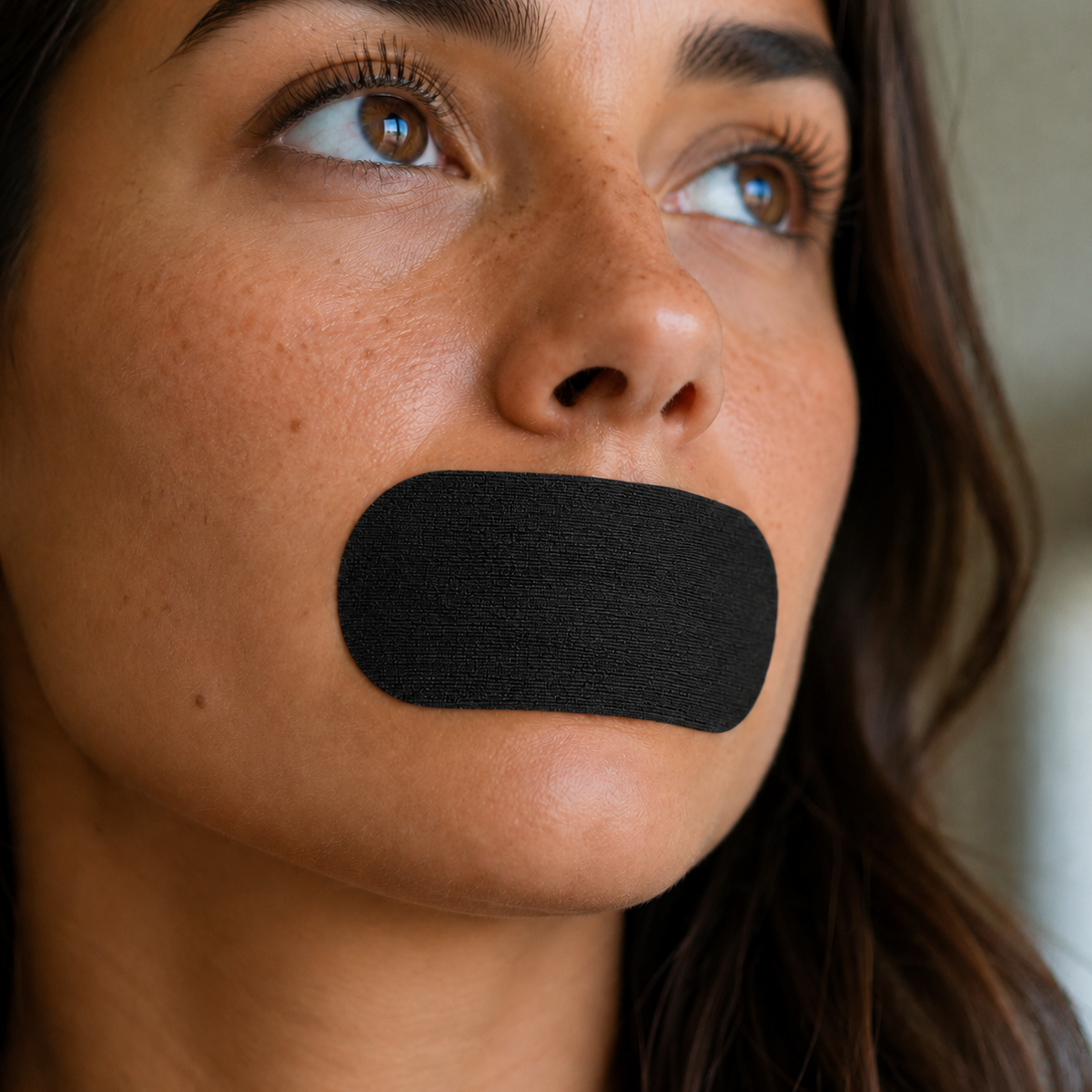
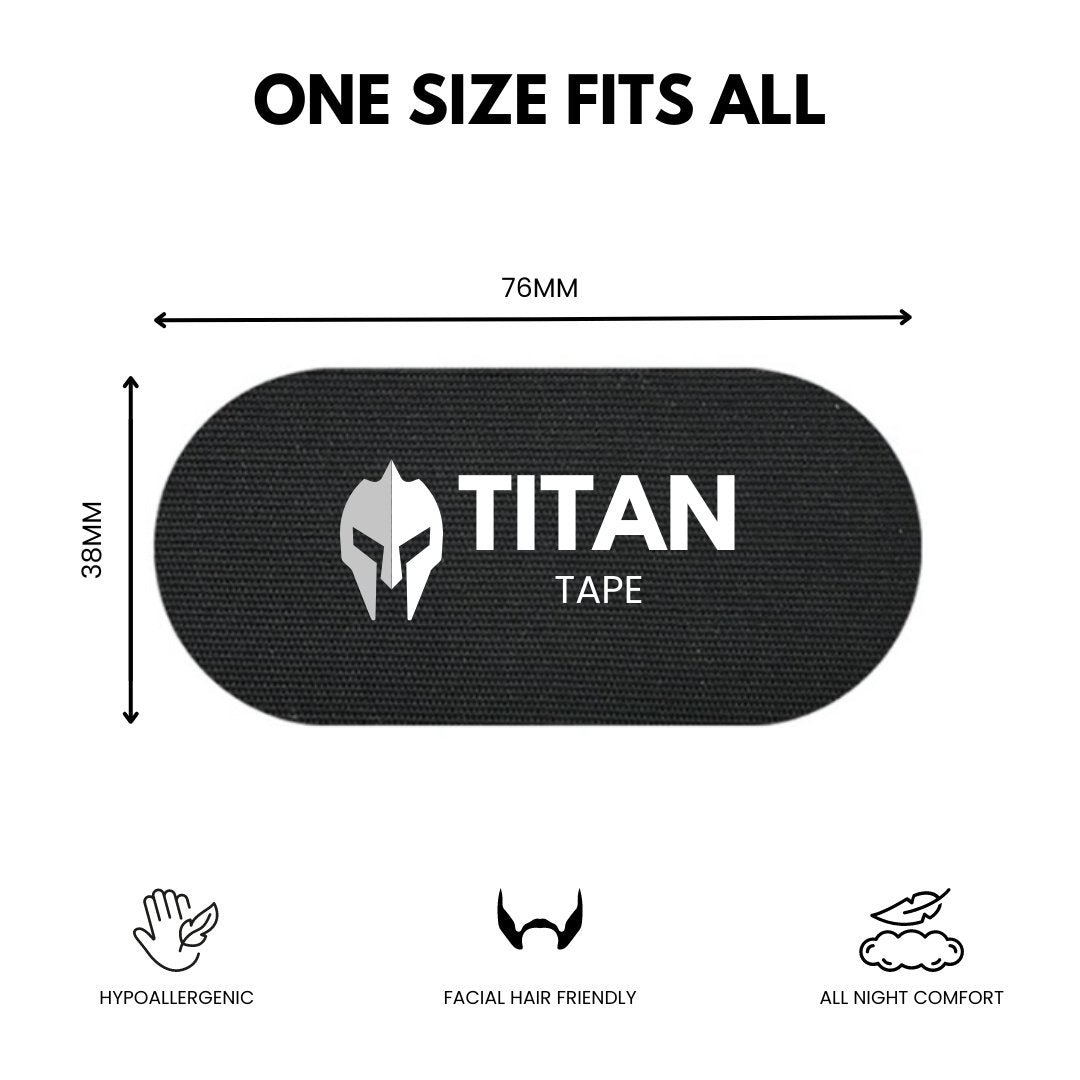
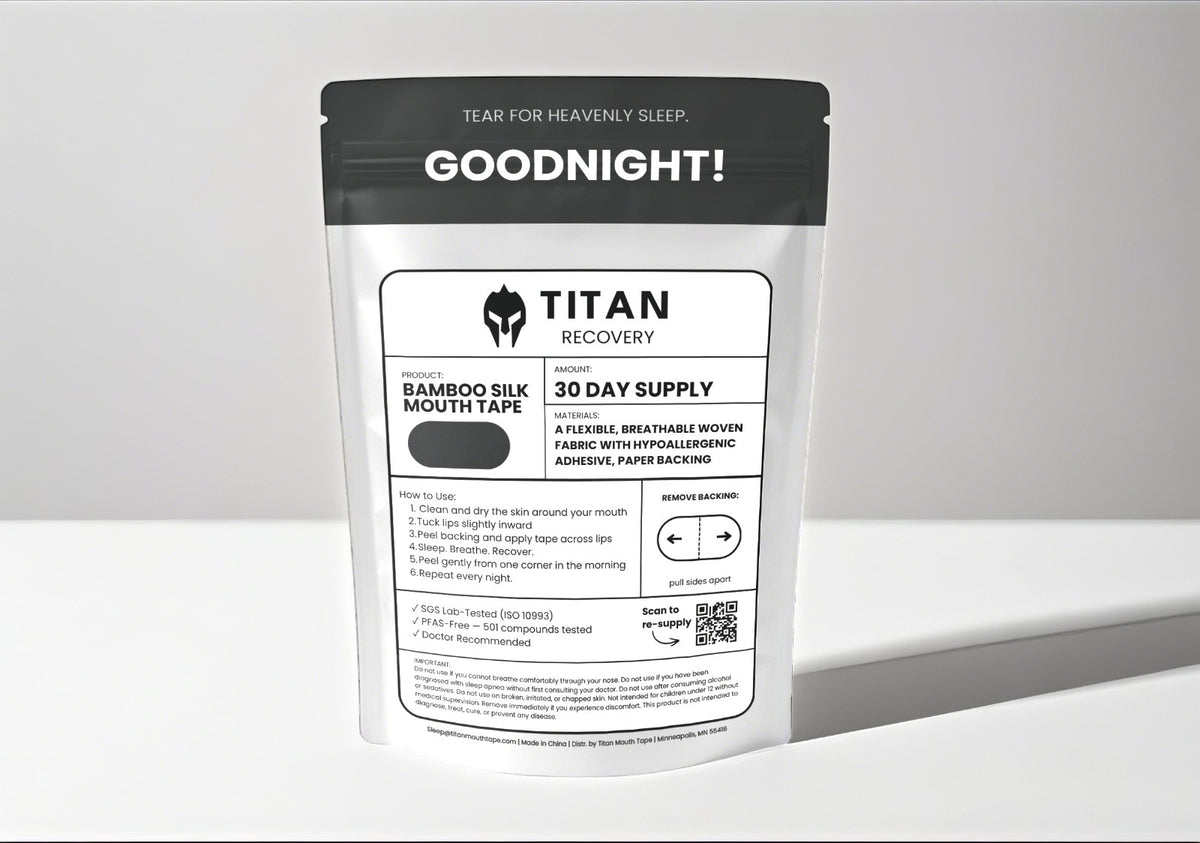
Apply to clean, dry skin across the widest part of the bridge of your nose just before bed — lotions and oils keep strips from sticking. A warm shower or a saline rinse beforehand can clear some mucus so the strip has more to work with. And because congestion blocks the nose while mouth breathing keeps your airway dry, some people add mouth tape once the nose is open enough, so nasal breathing becomes the default. The Titan Sleep System pairs TitanAir nasal strips and tape together — though during a heavy cold, strips alone are the gentler place to start.
The Bottom Line
Nasal strips genuinely help with the mechanical side of congestion — they open a swollen, narrowed nose so you can breathe and sleep, drug-free and with no rebound. What they don't do is treat the cold or reduce the swelling itself. Use them for honest symptom relief at night, lean on rest and fluids for the cold, and see a doctor if congestion is severe or won't quit.
Frequently asked questions
Do nasal strips help with congestion?
Yes, for the mechanical part of it. Nasal strips lift and widen the nostrils, which can make breathing through a congested nose easier. They don't reduce the underlying swelling or clear mucus, but they open the airway so you can move more air.
Are nasal strips good for a cold?
They can make sleeping with a stuffy nose more bearable during a cold, drug-free. They won't shorten the cold or treat it, so use them for symptom relief alongside rest and fluids, not as a cure.
Are nasal strips better than decongestant spray?
They work differently. Sprays shrink swollen tissue chemically but can cause rebound congestion if overused; nasal strips open the nose mechanically with no rebound and nothing absorbed. Many people prefer strips for nighttime relief for that reason.
Related reading: Why Winter Wrecks Your Sleep (And How to Fix It) • Nasal Polyps and Sleep: Why They Block Your Breathing
Doctor Recommended: "As a maxillofacial surgeon and dentist, I recommend Titan Mouth Tape. Nasal breathing during sleep is essential for airway health and deep restorative rest. Titan's bamboo silk design is the most comfortable and effective mouth tape I have tested. If you struggle with snoring, dry mouth, or poor sleep quality, this is the simplest change you can make for your health." — Dr. Francois Proux, MD, DDS — Maxillofacial Surgeon
Lab-Tested Safety: Titan's adhesive is independently tested to ISO 10993 medical device standards. Non-toxic (95% cell viability). Non-allergenic (0% reaction rate). Non-irritating (score 0.0/8.0). PFAS-free — 501 compounds tested, zero detected. See full test results →
Try the complete system tonight. Titan Mouth Tape (bamboo silk, SilkSeal™ adhesive) + TitanAir Nasal Strips. Free shipping. 30-night Better Sleep Guarantee. Shop Titan Mouth Tape → · Shop TitanAir Nasal Strips →