Waking Up With a Headache Every Morning? It Might Be How You Breathe
Share
The headache is there before you even open your eyes. A dull pressure across your forehead, sometimes behind the eyes, sometimes at the temples. It fades by mid-morning — usually after coffee and water — and you move on with your day.
Until tomorrow morning, when it's back.
You've tried drinking more water. Changing pillows. Skipping alcohol. Taking magnesium. Nothing consistently eliminates the morning headache — because you've been treating symptoms without identifying the cause.
For many people, the cause is happening while they sleep. And it starts with how they breathe.
Why Morning Headaches Happen
Morning headaches have multiple potential causes. Some are well-known. One is almost never discussed.
The causes your doctor will mention
Dehydration. If you don't drink enough water during the day, you wake up mildly dehydrated after 7-8 hours without fluids. Dehydration reduces blood volume, which can cause headache-like pressure.
Teeth grinding (bruxism). Clenching or grinding your teeth during sleep creates sustained tension in the jaw, temples, and skull — producing a headache that's often worst on waking and fades as the muscles relax.
Poor sleep posture. A pillow that's too high, too low, or too firm can strain neck muscles and compress nerves — producing tension headaches or cervicogenic headaches that peak in the morning.
Alcohol. Even moderate drinking disrupts sleep architecture and causes vasodilation that can trigger headaches — especially in the second half of the night as alcohol metabolizes.
Sleep apnea. Obstructive sleep apnea causes repeated oxygen desaturation during sleep. Morning headache is one of the hallmark symptoms — caused by CO2 buildup and oxygen deprivation during apneic events.
The cause almost nobody mentions: mouth breathing
When your mouth falls open during sleep, the way your body handles oxygen changes.
Nasal breathing produces nitric oxide in the paranasal sinuses — a molecule that research suggests may dilate blood vessels and improve oxygen transfer in the lungs. Mouth breathing bypasses the nasal passages entirely, producing zero nitric oxide.
Additionally, mouth breathing may cause you to exhale CO2 too rapidly. Lower blood CO2 triggers a mechanism called the Bohr effect — where hemoglobin holds onto oxygen more tightly instead of releasing it to tissues. The paradox: you're breathing more air, but your cells may be receiving less oxygen.
The brain consumes roughly 20% of your body's oxygen despite being only 2% of your body weight. Even a modest reduction in oxygen delivery efficiency — compounded over 7-8 hours of mouth breathing — may be enough to trigger the kind of dull, diffuse headache that greets you every morning.
The pattern is distinctive: the headache is present on waking, resolves within 1-2 hours (as you begin nasal breathing, drinking water, and moving around), and returns the next morning. If this describes your headaches, check for the other signs of nighttime mouth breathing: dry mouth, sore throat, bad breath, cracked lips, or a partner who says you snore.
Mouth breathing + dehydration: the compound effect
Mouth breathing doesn't just reduce oxygen efficiency — it also dehydrates you. Exhaling through an open mouth loses significantly more moisture than exhaling through the nose. Over 8 hours, this respiratory water loss compounds the normal overnight dehydration that occurs from not drinking fluids.
So mouth breathers wake up both oxygen-deprived AND more dehydrated than nasal breathers — two headache triggers stacking on top of each other.
How to Test Whether Mouth Breathing Is Causing Your Headaches
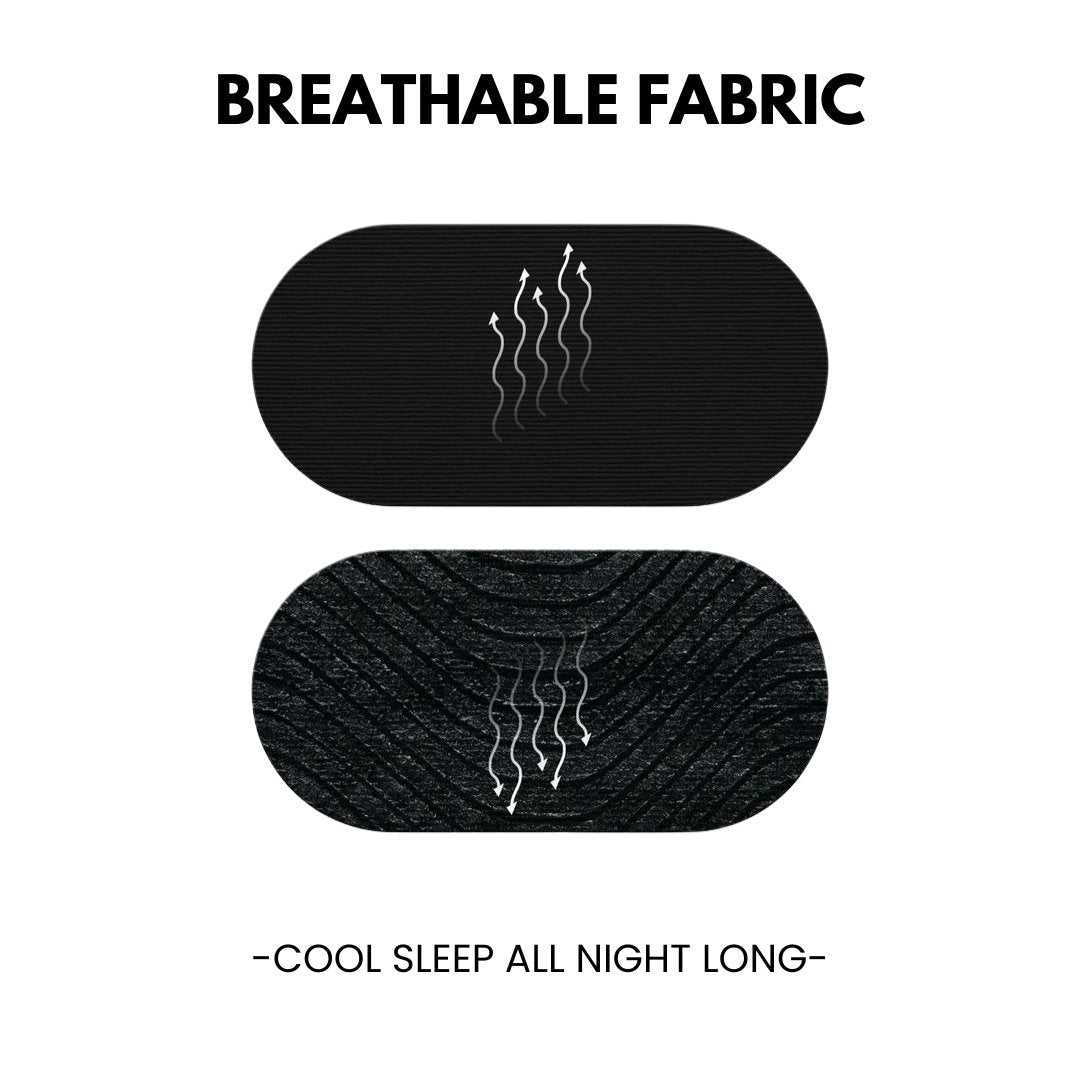
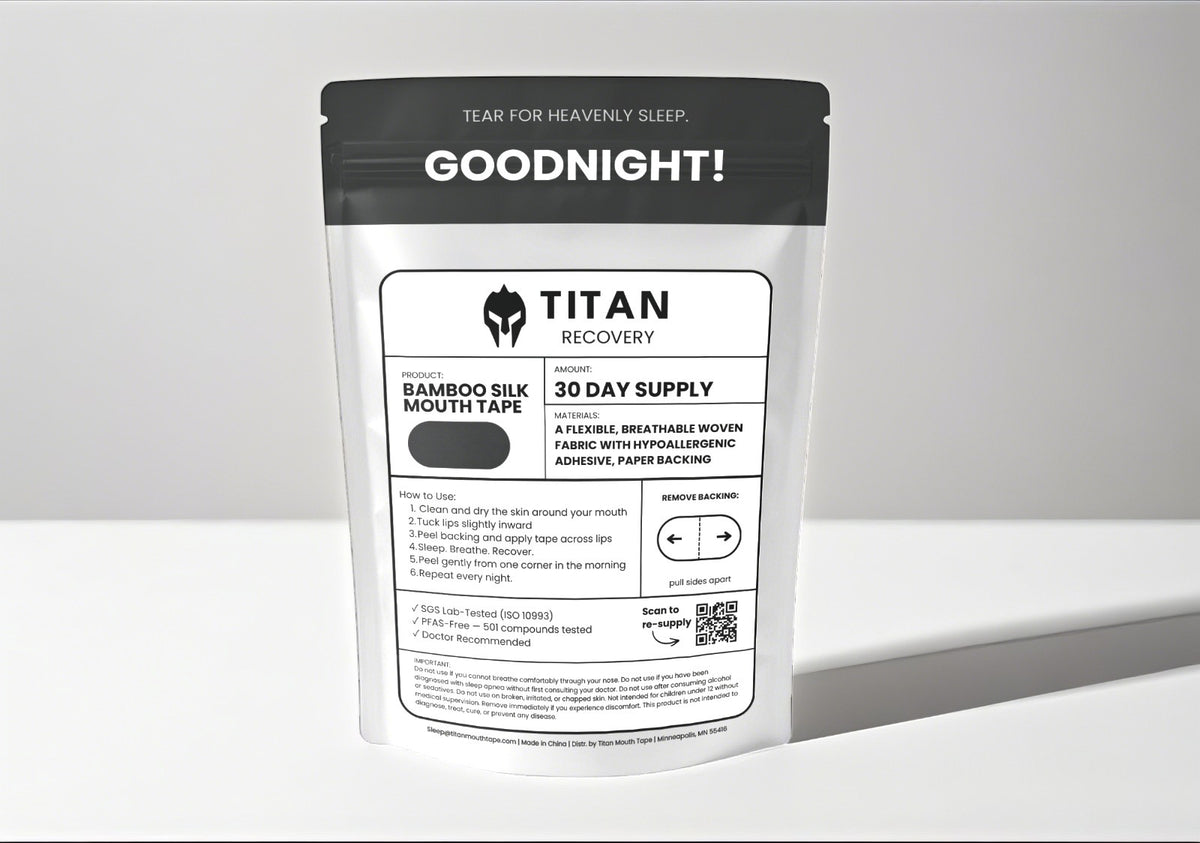
The test is simple. Apply a strip of mouth tape before bed tonight. Sleep with your mouth closed. Note whether the headache is present tomorrow morning.
If the headache is absent or reduced — and your mouth was moist when you woke up (confirming the tape stayed on and the mouth stayed closed) — mouth breathing was likely a contributing factor.
Try it for a week to confirm the pattern. One night could be coincidence. Five consecutive mornings without the headache is data.
If nasal congestion makes nose breathing difficult, pair mouth tape with a nasal strip — open the nose first, then close the mouth.
When to See a Doctor
Morning headaches that are accompanied by witnessed breathing pauses, gasping during sleep, extreme daytime sleepiness, or a partner who says you stop breathing should be evaluated for sleep apnea. Sleep apnea-related headaches require medical treatment — mouth tape is not a treatment for sleep apnea.
Morning headaches that are sudden, severe ("worst headache of my life"), accompanied by vision changes, or progressively worsening over days should be evaluated urgently — these may indicate conditions unrelated to breathing.
Morning headaches that are dull, bilateral, resolve within 1-2 hours, and occur alongside dry mouth and snoring are most consistent with mouth breathing and/or mild oxygen efficiency issues — and are worth testing with nasal breathing before pursuing further medical workup.
The Morning Headache Fix Stack
Tonight: Mouth tape to close the mouth and promote nasal breathing. Glass of water on the nightstand.
Before bed: Avoid alcohol 4+ hours before sleep. Check your pillow height — your neck should be neutral, not flexed.
Tomorrow morning: Note whether the headache is present, reduced, or absent. Note whether your mouth was dry or moist. Drink water immediately on waking.
If the headache disappears with mouth tape, you found your cause. If it persists, rule out the other factors — bruxism, sleep apnea, pillow, dehydration — one at a time.
The simplest explanation is usually the right one. And for many people, the simplest explanation for a daily morning headache is 8 hours of open-mouth breathing that nobody told them was happening.
Doctor Recommended: "As a maxillofacial surgeon and dentist, I recommend Titan Mouth Tape. Nasal breathing during sleep is essential for airway health and deep restorative rest. Titan's bamboo silk design is the most comfortable and effective mouth tape I have tested. If you struggle with snoring, dry mouth, or poor sleep quality, this is the simplest change you can make for your health." — Dr. Francois P., MD, DDS — Maxillofacial Surgeon
Lab-Tested Safety: Titan's adhesive is independently tested to ISO 10993 medical device standards. Non-toxic (95% cell viability). Non-allergenic (0% reaction rate). Non-irritating (score 0.0/8.0). PFAS-free — 501 compounds tested, zero detected. See full test results →
Try it tonight. Bamboo silk. SilkSeal™ adhesive. Beard-friendly. No logo on the tape. Free shipping. 30-night Better Sleep Guarantee. Shop Titan Mouth Tape → · Shop TitanAir →
This article is for informational purposes only and does not constitute medical advice. If you have or suspect a sleep disorder or other medical condition, consult a qualified healthcare provider before making changes to your routine.