Sleep Apnea: Symptoms, Diagnosis, and Treatment — What You Need to Know
Share
Important: Mouth tape is not a treatment for sleep apnea. This article is educational. If you suspect you have sleep apnea, see a sleep specialist and get a proper diagnosis before trying any over-the-counter sleep product, including mouth tape.
What Is Sleep Apnea?
Sleep apnea is a medical condition in which breathing repeatedly stops and starts during sleep. The pauses — called apneas — can last 10 seconds or longer and may occur dozens or even hundreds of times per night. Each pause triggers a partial arousal as the brain detects dropping oxygen levels and forces the body to resume breathing.
The person experiencing these events rarely remembers them. They wake up in the morning feeling exhausted, with no memory of the interruptions that fragmented their sleep all night.
Sleep apnea is not snoring. Snoring is a sound caused by vibration of soft tissues. Sleep apnea is a medical condition involving repeated airway closure and oxygen desaturation. Many people snore without having sleep apnea. Some people have sleep apnea without loud snoring. The two overlap but they are not the same thing — and the distinction matters for treatment.
Types of Sleep Apnea
Obstructive Sleep Apnea (OSA) is the most common form, accounting for approximately 80% of cases. It occurs when the soft tissues of the throat — the tongue, soft palate, and pharyngeal walls — collapse and physically block the airway during sleep. The chest and diaphragm continue trying to breathe, but air cannot pass through the obstruction. This is a mechanical problem — the airway is physically closed.
Central Sleep Apnea (CSA) is less common and involves the brain failing to send the proper signals to the muscles that control breathing. The airway may be open, but the respiratory drive itself pauses. This is a neurological problem, not a mechanical one.
Complex (Mixed) Sleep Apnea involves elements of both obstructive and central apnea.
How Common Is Sleep Apnea?
Research suggests sleep apnea is significantly underdiagnosed. The American Medical Association estimates that approximately 30 million Americans have obstructive sleep apnea, but roughly 80% of moderate and severe cases remain undiagnosed.
Risk factors include excess weight (particularly around the neck), male sex (though the gap narrows after menopause), age over 40, large neck circumference (over 17 inches in men, 16 in women), family history, nasal obstruction, and anatomical factors like a recessed jaw or enlarged tonsils.
However, sleep apnea can affect anyone — including fit, young adults with none of the traditional risk factors.
Symptoms of Sleep Apnea
The symptoms of sleep apnea overlap with many other sleep issues, which is part of why it's so frequently missed. Common symptoms include:
Nighttime symptoms: Loud, chronic snoring (often reported by a partner). Witnessed breathing pauses — your partner sees you stop breathing, then gasp or choke. Frequent nighttime awakenings. Nocturia (waking to urinate multiple times per night). Night sweats.
Daytime symptoms: Excessive daytime sleepiness despite adequate sleep hours. Waking up feeling unrefreshed after a full night's sleep. Morning headaches. Difficulty concentrating, memory problems, and brain fog. Irritability and mood changes. Decreased libido.
Morning symptoms: Waking with a very dry mouth or sore throat. Waking with a headache. Feeling groggy regardless of hours slept.
Many of these symptoms — dry mouth, snoring, fatigue, sore throat — also occur in people who mouth breathe during sleep but do NOT have sleep apnea. This overlap is why a proper diagnosis matters. The symptoms alone cannot distinguish between simple mouth breathing and obstructive sleep apnea.
How Sleep Apnea Is Diagnosed
Sleep apnea is diagnosed through a sleep study — either an in-lab polysomnography (PSG) or a home sleep apnea test (HSAT).
In-lab polysomnography is the gold standard. You sleep overnight in a sleep lab while sensors monitor brain waves, eye movements, heart rate, blood oxygen, respiratory effort, airflow, snoring, and body position. A sleep technologist monitors the data in real time. This is the most comprehensive test available.
Home sleep apnea tests are simpler, less expensive, and increasingly common. You wear a portable device at home that monitors airflow, respiratory effort, blood oxygen, and heart rate. Home tests are effective for diagnosing moderate to severe obstructive sleep apnea but may miss milder cases or central sleep apnea.
The key metric is the Apnea-Hypopnea Index (AHI) — the number of apneas (complete breathing stops) and hypopneas (partial reductions in airflow) per hour of sleep.
AHI under 5: Normal
AHI 5-15: Mild sleep apnea
AHI 15-30: Moderate sleep apnea
AHI over 30: Severe sleep apnea
If you suspect you have sleep apnea — particularly if a partner has witnessed you stopping breathing during sleep — talk to your doctor about getting a sleep study. Many primary care physicians can order home sleep tests directly.
How Sleep Apnea Is Treated
Sleep apnea treatment depends on the severity and type.
CPAP (Continuous Positive Airway Pressure)
CPAP is the gold standard treatment for moderate to severe obstructive sleep apnea. A machine delivers pressurized air through a mask worn during sleep, keeping the airway open mechanically. When used consistently, CPAP is highly effective — it eliminates apneas, restores normal oxygen levels, and dramatically improves sleep quality.
The challenge: CPAP compliance. Research suggests approximately 50% of people prescribed CPAP stop using it consistently within the first year. Common complaints include mask discomfort, air leaks, dry mouth from mouth breathing through the mask, claustrophobia, noise, and the inconvenience of traveling with the machine.
For people who struggle with CPAP compliance, the solution is not to abandon treatment — it's to work with a sleep specialist to find a better mask fit, adjust pressure settings, or explore alternative treatments.
Oral Appliances (Mandibular Advancement Devices)
Custom dental devices that hold the lower jaw slightly forward during sleep, repositioning the tongue and opening the retroglossal airway. These are typically recommended for mild to moderate OSA in patients who can't tolerate CPAP. They require fitting by a dentist or sleep specialist and cost $1,500-3,000+ for custom devices.
Positional Therapy
For patients whose apnea is significantly worse when sleeping on their back (supine-dependent OSA), positional therapy devices discourage back sleeping. This is usually a supplementary treatment, not a standalone solution.
Surgery
Surgical options include uvulopalatopharyngoplasty (UPPP), maxillomandibular advancement (MMA), hypoglossal nerve stimulation (Inspire device), and tonsillectomy/adenoidectomy. Surgery is typically considered when CPAP and oral appliances have failed or are not tolerated.
Weight Management
For patients whose OSA is related to excess weight, weight loss can significantly reduce or even resolve sleep apnea. Research suggests that a 10% reduction in body weight can reduce AHI by approximately 26%. However, weight loss alone is rarely sufficient for moderate to severe cases.
Lifestyle Modifications
Avoiding alcohol and sedatives before bed (they relax airway muscles and worsen apnea), sleeping on your side, and treating nasal congestion can all reduce the severity of mild OSA.
Sleep Apnea vs. Simple Snoring and Mouth Breathing
This distinction is critical — and it's where most internet content fails.
Sleep apnea involves repeated complete or partial airway closure with measurable oxygen desaturation. It is a medical condition with documented cardiovascular, metabolic, and neurological consequences. It requires medical diagnosis and treatment.
Simple snoring is vibration of soft tissues without significant airway closure or oxygen desaturation. It's annoying and may disrupt a partner's sleep, but it is not the same as sleep apnea. Simple snoring can often be addressed with behavioral and mechanical interventions.
Mouth breathing during sleep is the habit of breathing through the mouth rather than the nose. It causes dry mouth, sore throat, may contribute to snoring, and research suggests it may reduce sleep quality — but it is not sleep apnea.
Many people who experience dry mouth, snoring, fatigue, and poor sleep quality assume they have sleep apnea — or fear they might. For some, that fear prevents them from doing anything at all. They don't get tested because they're afraid of the diagnosis, and they don't try simpler interventions because they think their problem is too serious for them.
The reality: most snorers do not have sleep apnea. The majority of people who mouth breathe during sleep do not have sleep apnea. Getting tested is the only way to know which category you're in — and knowing changes what you should do about it.
If You Have Sleep Apnea
Follow your doctor's treatment plan. CPAP, oral appliances, surgery, and weight management are evidence-based treatments for a serious medical condition. Don't replace medical treatment with over-the-counter products.
Some CPAP users report that mouth taping helps reduce mouth leak when using a nasal CPAP mask — but this should only be done with your sleep specialist's knowledge and approval.
If You Don't Have Sleep Apnea
If a sleep study shows your AHI is normal (under 5) and you're still snoring, waking with dry mouth, or sleeping 8 hours and feeling exhausted — your problem may be mouth breathing, not apnea.
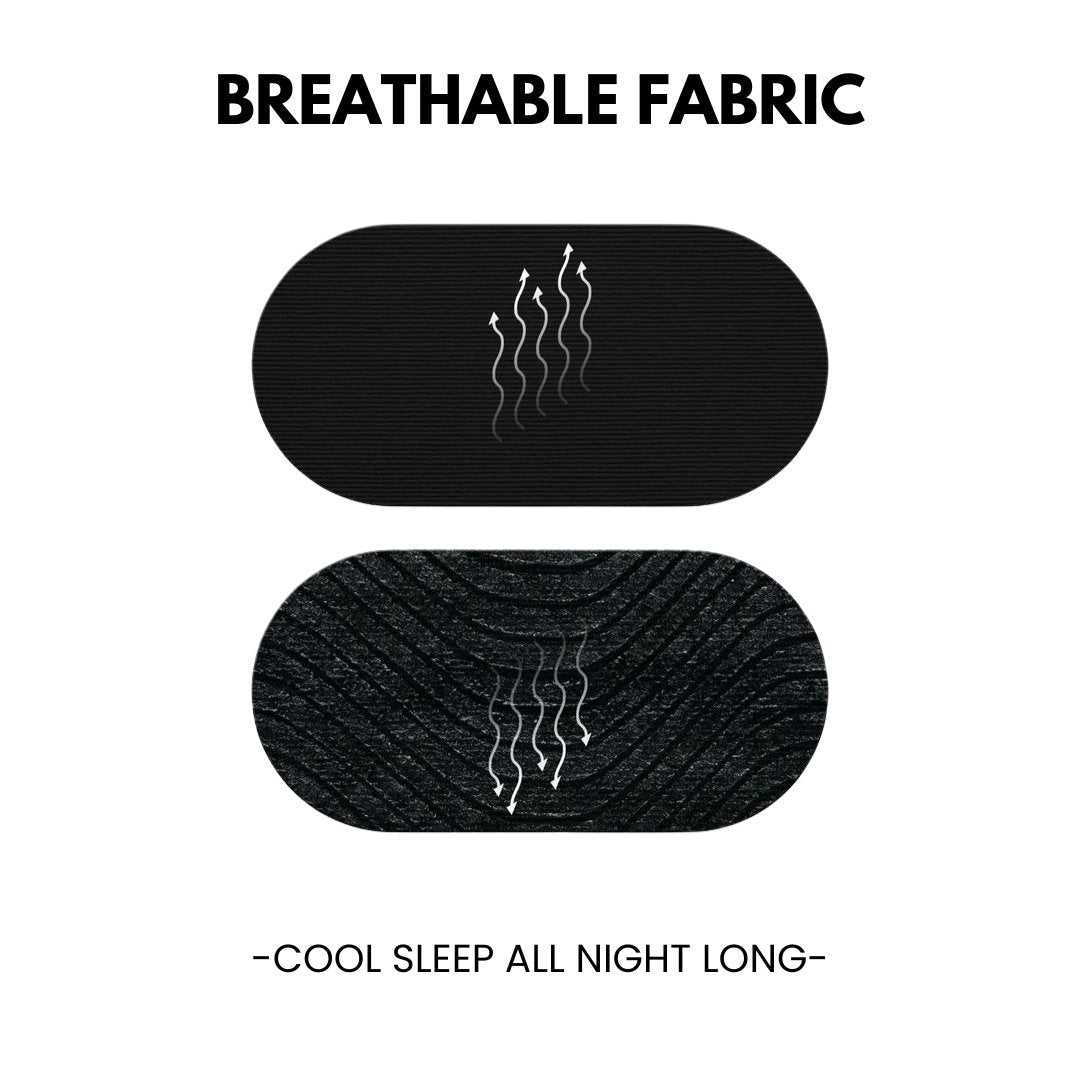
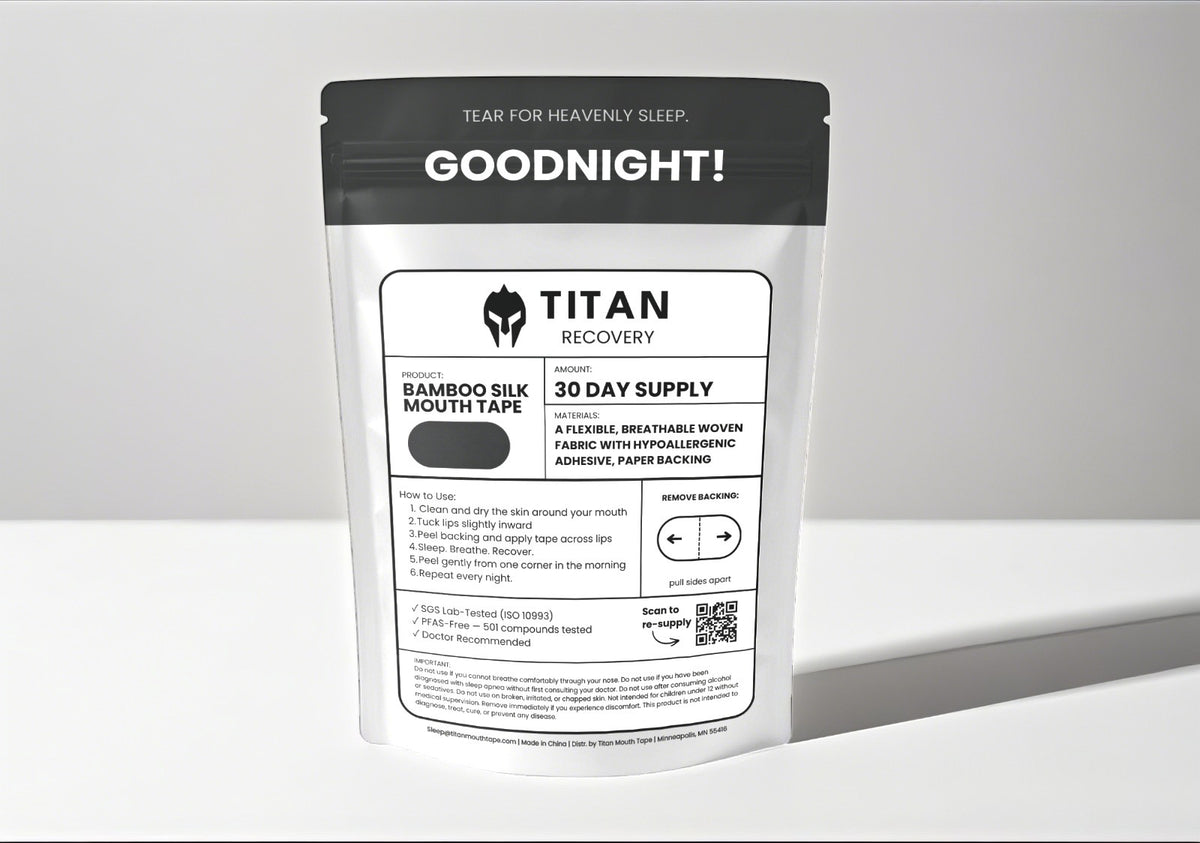
This is where behavioral and mechanical interventions can help. Mouth taping, nasal strips, positional changes, and nasal hygiene are all low-cost, low-risk interventions that address mouth breathing directly.
Research suggests that nasal breathing during sleep is associated with parasympathetic nervous system activation, improved oxygen efficiency (via nasally-produced nitric oxide), better airway stability, and improved deep sleep architecture. For the millions of people who mouth breathe without having sleep apnea, addressing the breathing route may be the single highest-leverage intervention for sleep quality.
The Bottom Line
If you suspect sleep apnea: get tested. A home sleep test is easy, affordable, and gives you a definitive answer. Untreated sleep apnea carries serious long-term health risks — cardiovascular disease, type 2 diabetes, stroke, and cognitive decline. This is not something to ignore or self-treat.
If your test comes back normal and you're still struggling with snoring, dry mouth, and poor sleep quality: your breathing route during sleep is the next variable to address. Close the mouth, open the nose, and see what changes.
The worst outcome is doing nothing — either because you're afraid of the diagnosis or because you assume there's nothing you can do. Get the data. Then act on it.
Medical Disclaimer: This article is for educational purposes only and does not constitute medical advice. Titan Mouth Tape is a general wellness product. It is not a medical device. It is not a treatment, cure, or preventive measure for sleep apnea or any other medical condition. If you suspect you have sleep apnea, consult a qualified healthcare provider for diagnosis and treatment.
Doctor Recommended: “As a maxillofacial surgeon and dentist, I recommend Titan Mouth Tape. Nasal breathing during sleep is essential for airway health and deep restorative rest. Titan’s bamboo silk design is the most comfortable and effective mouth tape I have tested. If you struggle with snoring, dry mouth, or poor sleep quality, this is the simplest change you can make for your health.” — Dr. Francois P., MD, DDS — Maxillofacial Surgeon
Lab-Tested Safety: Titan’s SilkSeal™ adhesive is independently tested to ISO 10993 medical device standards. Non-toxic (95% cell viability). Non-allergenic (0% reaction rate). Non-irritating (score 0.0/8.0). PFAS-free — 501 compounds tested, zero detected. See full test results →
Try it tonight. Bamboo silk. SilkSeal™ adhesive. Beard-friendly. No logo on the tape. Free shipping. 30-night Better Sleep Guarantee. Shop Titan Mouth Tape → · Shop TitanAir →