Does Titan Recovery Actually Work?
Share
You've seen the claims. Better sleep, less snoring, no more dry mouth. But does Titan Recovery mouth tape actually deliver? Fair question. We'd rather give you an honest breakdown of what it does, what it doesn't do, and what the realistic timeline looks like than overpromise and lose your trust.
The short answer: yes, it works — but "works" means different things depending on what you're hoping for. Here's what to actually expect.
What Titan Recovery Does
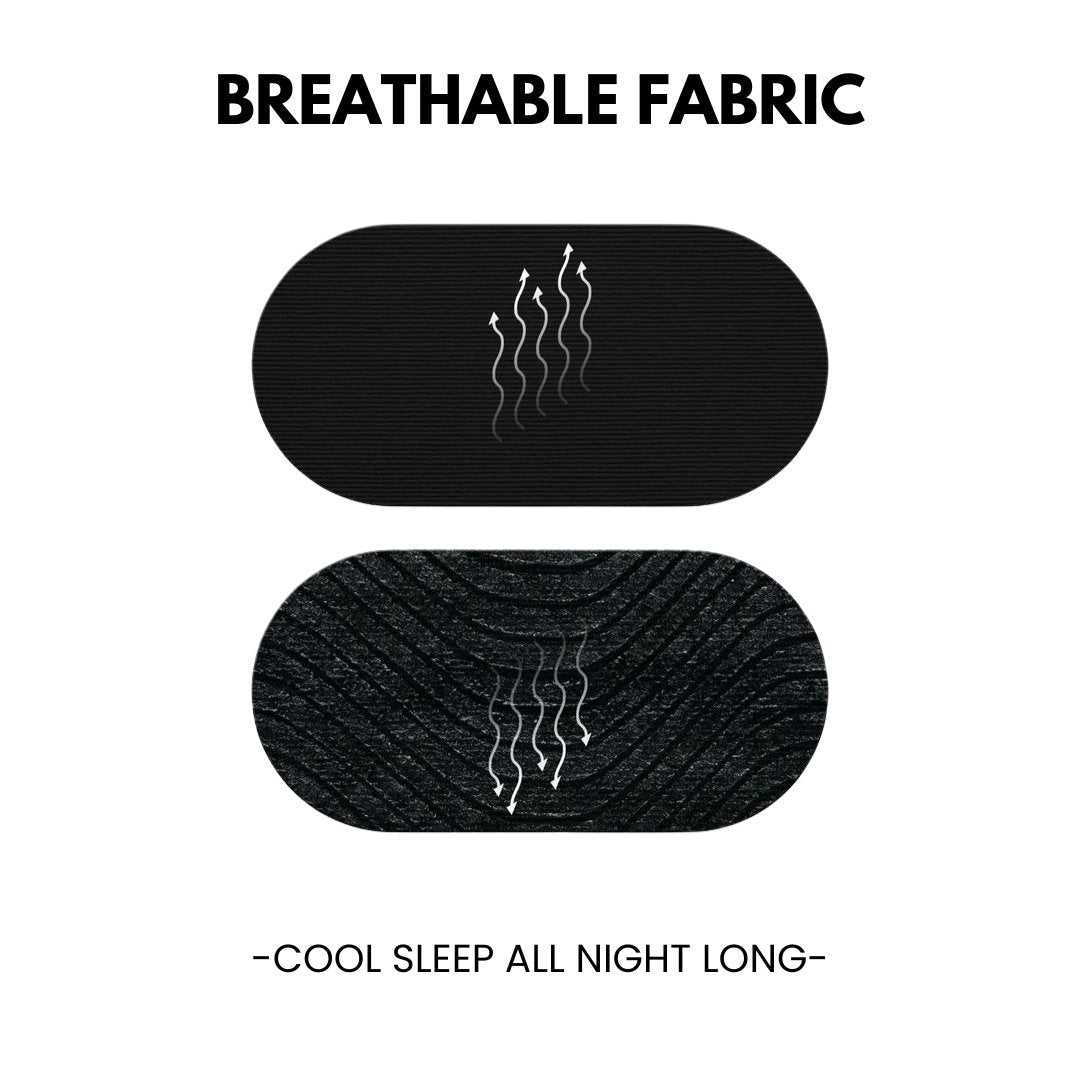
Titan Mouth Tape holds your lips gently closed during sleep, which forces your body to breathe through your nose instead of your mouth. That single mechanical change — mouth closed, nose breathing — triggers a cascade of measurable effects.
Eliminates dry mouth. This is the most immediate and universally reported result. If you wake up with a dry mouth, sticky saliva, or morning breath that no amount of brushing seems to fix, the cause is almost certainly nighttime mouth breathing. When your mouth stays closed, saliva flow is preserved all night. Most users notice this on the very first night — they wake up with a moist, comfortable mouth instead of the parched desert feeling they're used to.
Reduces or stops snoring. Mouth breathing narrows the airway at the back of the throat. Air rushing through that narrowed passage vibrates the soft tissue — that's snoring. When the mouth closes and breathing shifts to the nose, the airway stays wider and the tongue presses against the palate instead of falling backward. Snoring reduction is one of the most consistent results users report, and it's usually noticed by their partner before they notice it themselves.
Improves sleep quality. Nasal breathing activates the parasympathetic nervous system — the rest-and-recovery branch. Mouth breathing activates the sympathetic — the stress branch. Sleeping in parasympathetic mode means lower heart rate, better heart rate variability, and more time in deep and REM sleep stages. Users who track with wearables (Oura, Whoop, Apple Watch) frequently report measurable improvements in sleep scores after a few consistent weeks of mouth taping.
Protects oral health. This is the benefit most people don't think about until their dentist brings it up. Saliva is your mouth's primary defense against bacteria, acid erosion, and tooth decay. Eight hours of mouth breathing evaporates that saliva and creates conditions where harmful bacteria thrive. Chronic nighttime mouth breathing is linked to higher rates of cavities and gum disease — and keeping your mouth closed is the simplest form of prevention.
What It Doesn't Do
We're not going to claim Titan Recovery cures anything, because it doesn't. Being clear about limits is more useful to you than hype.
It doesn't treat sleep apnea. Sleep apnea is an airway obstruction at the throat level — the airway collapses during sleep, blocking breathing regardless of whether your mouth is open or closed. Mouth tape can complement CPAP therapy (by preventing mouth leak) and may support mild cases, but it is not a treatment or replacement for diagnosed sleep apnea. If you suspect you have apnea, get a sleep study first.
It doesn't clear a blocked nose. If you can't breathe through your nose — from severe congestion, polyps, or significant structural obstruction — closing your mouth doesn't fix the supply problem. That's why we built TitanAir Nasal Strips as a companion product. They physically open the nasal passages so there's actually a clear airway to breathe through. For mild to moderate congestion, the strips handle it. For severe obstruction, see an ENT.
It doesn't work if you don't use it consistently. One night of mouth taping shows you what nasal breathing feels like. But the real benefits — habit formation, consistent snoring reduction, measurable sleep quality improvements — come from nightly use over weeks. Mouth taping two nights a week isn't enough to retrain a breathing pattern your body has defaulted to for years.
How Long Until You See Results
This varies by what you're measuring, but here's the realistic timeline based on what users consistently report:
Night one. Dry mouth is gone or dramatically reduced. You wake up with a moist, comfortable mouth. This is the fastest, most noticeable change and it happens immediately. Some users also notice they feel slightly more rested, though this is harder to isolate after a single night.
Days two through seven. The adjustment period. Your body is getting used to nasal breathing during sleep. Some nights the tape stays on all night. Some nights you pull it off unconsciously — this is normal and doesn't mean it's not working. By the end of the first week, most users are keeping the tape on through the majority of the night. Snoring starts to decrease, often noticed by a partner.
Weeks two through four. This is where the compounding begins. Consistent nasal breathing is becoming a habit rather than a conscious effort. Sleep quality improvements become measurable if you're tracking — more deep sleep, better HRV, more consistent sleep scores. Dry mouth is completely resolved. Snoring is significantly reduced or gone.
Months two and beyond. Mouth taping becomes an unremarkable part of the bedtime routine — like brushing your teeth. Some long-term users find that after several months, their mouth stays closed during sleep even without tape. The habit has been retrained. Others continue taping indefinitely because the consistency and insurance of the tape is worth the minimal cost and effort.
The Adjustment Period Is Real
The most common reason people say mouth taping "didn't work" is that they quit during the adjustment period — usually within the first three to five nights. The tape felt weird, they pulled it off in their sleep, or they felt anxious about having their mouth covered.
All of that is normal. Your body has been mouth breathing during sleep for years, possibly decades. Changing that pattern overnight isn't realistic. The people who get results are the ones who push through the first week or two of inconsistency — reapplying when the tape comes off, practicing during the day to build comfort, and trusting the process long enough for the habit to take hold.
If you tried mouth taping once, didn't like it, and concluded it doesn't work — that's like going to the gym once, feeling sore, and concluding exercise doesn't work. The soreness is part of the adaptation. So is the weirdness of mouth tape.
What Users Actually Say
The feedback patterns from Titan Recovery customers cluster around a few themes:
- "My dry mouth is completely gone." This is the most frequent comment, and the most immediate result. People who've woken up dehydrated for years are stunned by the difference on night one.
- "My partner says I stopped snoring." Often the partner notices before the user does. Some couples where snoring was causing one person to sleep in a separate room have consolidated back into one bed.
- "My sleep scores improved." Wearable users consistently report better deep sleep, higher HRV, and improved recovery scores within two to four weeks.
- "It's comfortable enough to actually use every night." This is the Titan-specific feedback — the bamboo silk material and gentle adhesive make it sustainable as a nightly habit, not a product you dread putting on.
- "Works with my beard." Beard-friendly design is the most common reason men specifically choose Titan after trying other options.
The Bottom Line
Titan Recovery works by doing one thing well: keeping your mouth closed during sleep so you breathe through your nose. That single change eliminates dry mouth, reduces snoring, improves sleep quality, and protects oral health. It doesn't treat sleep apnea, it doesn't clear a blocked nose on its own, and it takes consistent nightly use to fully kick in. The Deep Sleep Bundle — mouth tape plus nasal strips — is the best way to start. At as low as $0.75 per night with free shipping and a Better Sleep Guarantee, you'll know within a week whether it's for you. Most people never go back to sleeping without it.
Doctor Recommended: “As a maxillofacial surgeon and dentist, I recommend Titan Mouth Tape. Nasal breathing during sleep is essential for airway health and deep restorative rest. Titan’s bamboo silk design is the most comfortable and effective mouth tape I have tested. If you struggle with snoring, dry mouth, or poor sleep quality, this is the simplest change you can make for your health.” — Dr. Francois P., MD, DDS — Maxillofacial Surgeon
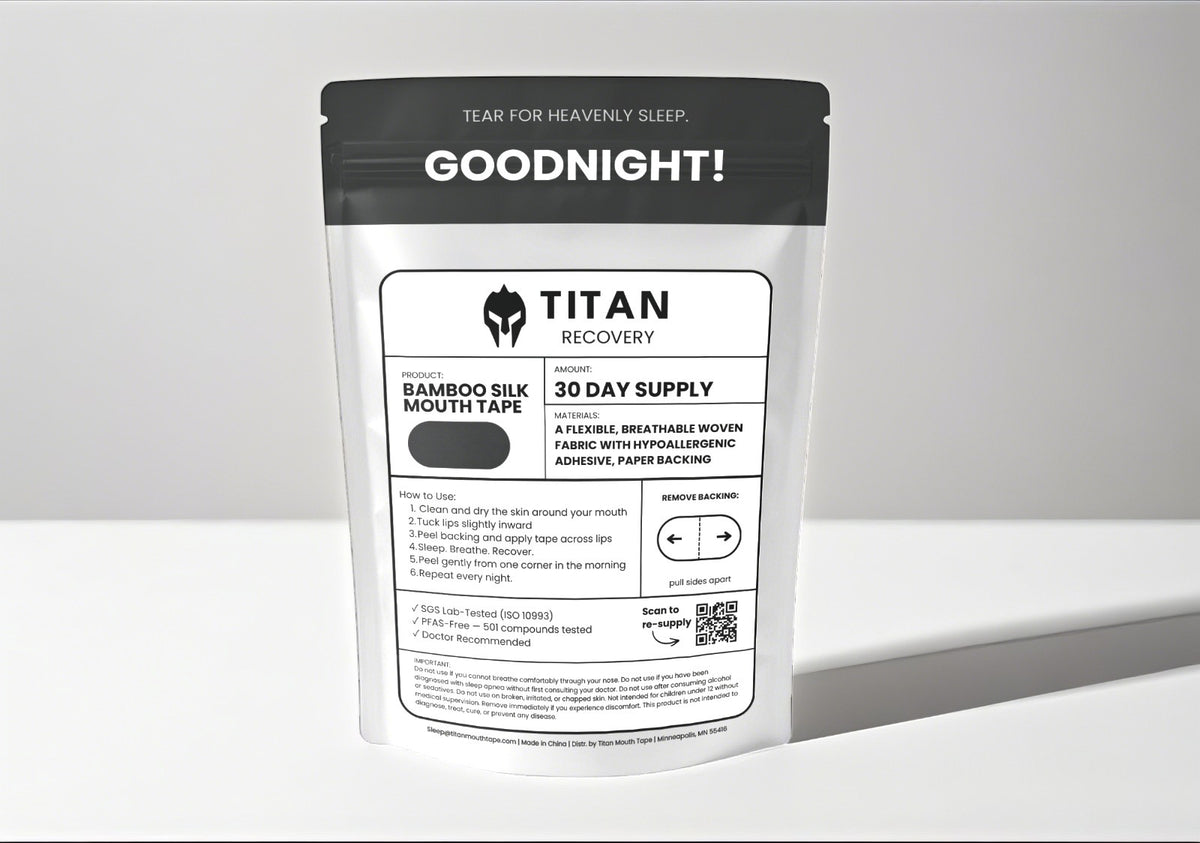
Lab-Tested Safety: Titan’s SilkSeal™ adhesive is independently tested to ISO 10993 medical device standards. Non-toxic (95% cell viability). Non-allergenic (0% reaction rate). Non-irritating (score 0.0/8.0). PFAS-free — 501 compounds tested, zero detected. See full test results →
Try it tonight. Bamboo silk. SilkSeal™ adhesive. Beard-friendly. No logo on the tape. Free shipping. 30-night Better Sleep Guarantee. Shop Titan Mouth Tape → · Shop TitanAir →
This article is for informational purposes only and does not constitute medical advice. If you have or suspect a sleep disorder or other medical condition, consult a qualified healthcare provider before making changes to your routine.