Titan Recovery and CPAP: Better Together
Share
Let's get this out of the way immediately: Titan Mouth Tape is not a CPAP replacement. If you have been diagnosed with obstructive sleep apnea and prescribed CPAP therapy, you need your machine. Full stop. What Titan Recovery and CPAP offer together is something different and, for a lot of CPAP users, genuinely life-changing — a way to make the therapy you already rely on actually work the way it's supposed to.
Mouth leak is the number one complaint CPAP users report. Air escapes through parted lips, pressure drops, the machine ramps up to compensate, and you wake up with a dry mouth, a loud machine, and the sense that none of this is working. Titan Mouth Tape eliminates mouth leak by keeping your lips sealed all night. The pressure stays where your sleep doctor set it. Your therapy works.
The Mouth Leak Problem
CPAP delivers a steady stream of pressurized air to keep your airway open during sleep. The system works — when the air stays in the system. But the human mouth doesn't come with a seal. Jaw muscles relax during sleep, lips part, and pressurized air escapes through the mouth instead of holding the airway open.
What happens when air leaks. Your CPAP machine detects the pressure drop and increases airflow to compensate. Higher airflow means more noise, more dryness, and more discomfort — which causes you to shift, pull at the mask, or wake up entirely. The therapeutic pressure your doctor calibrated during your sleep study isn't reaching your airway at the level it needs to. You're doing everything right and still not getting effective treatment.
Dry mouth compounds the problem. Pressurized air rushing out through parted lips strips moisture from the oral tissues. CPAP machines with heated humidifiers help, but a humidifier can't compensate for a wide-open mouth. The dryness leads to sore throats, cracked lips, and the kind of morning discomfort that makes people quit CPAP entirely. Studies estimate that CPAP mouth breathing affects 30% to 50% of users and is one of the primary reasons for therapy abandonment.
Your AHI data suffers. If you check your CPAP app and see elevated leak rates, your apnea-hypopnea index data for that night is unreliable. High leak means the machine couldn't maintain therapeutic pressure, so apnea events may have gone untreated. You think you're compliant because you wore the mask all night, but the treatment was compromised.
How Titan Recovery Fixes CPAP Mouth Leak
The fix is mechanical, simple, and immediate. Titan Mouth Tape holds your lips closed with a gentle, medical-grade adhesive. Pressurized air from the CPAP stays in the airway circuit — in through the mask, through the nose, into the airway — instead of escaping through parted lips.
Pressure stays consistent. When your mouth is sealed, the machine doesn't have to chase leaks. It delivers the prescribed pressure steadily and quietly. No ramping, no sudden blasts of air, no noise spikes that wake you or your partner.
Dryness disappears. With the mouth closed, pressurized air isn't flowing over your tongue, gums, and palate on its way out. The heated humidifier on your CPAP can do its job because the system is sealed. Most CPAP users who add mouth tape with CPAP report that morning dry mouth is eliminated on the first night.
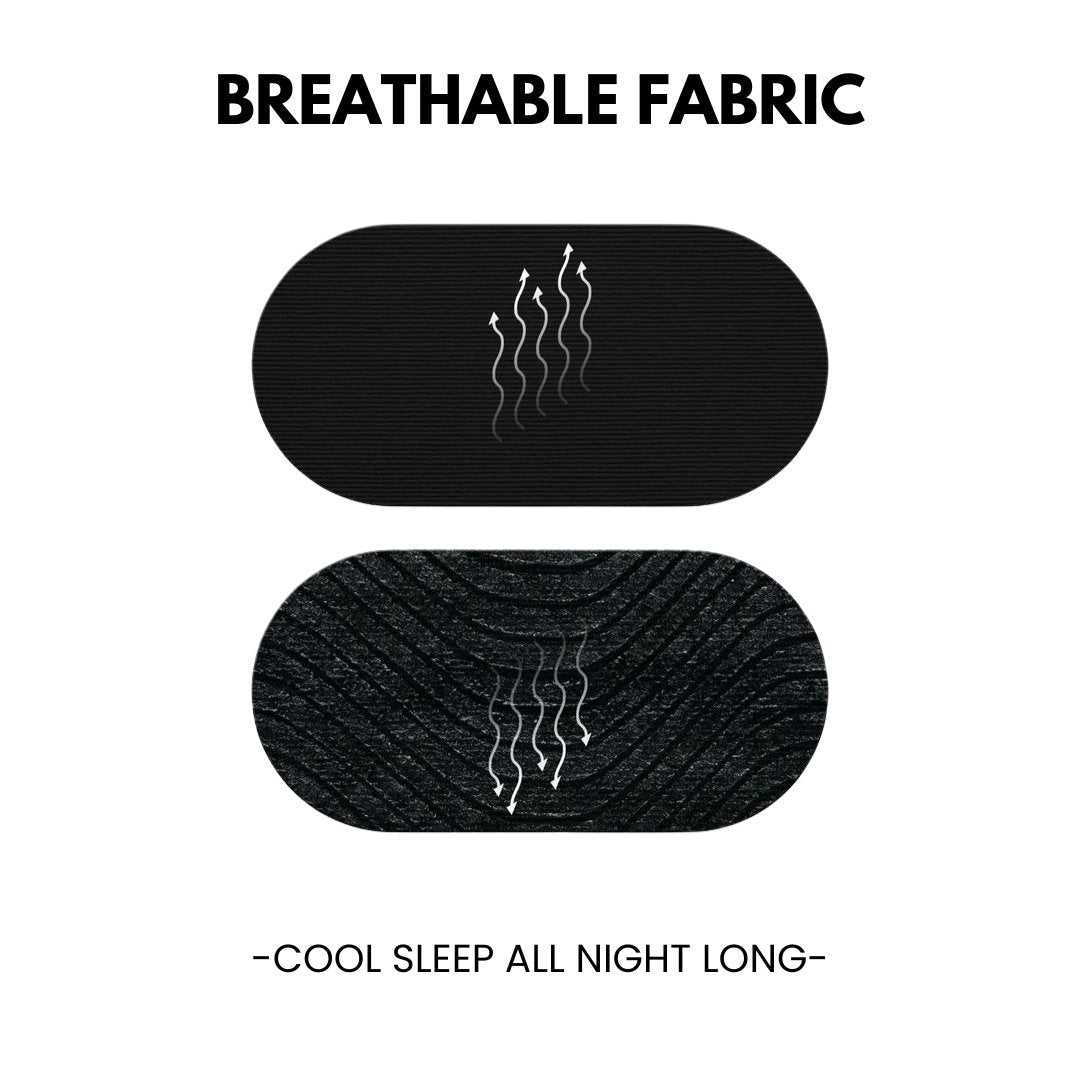
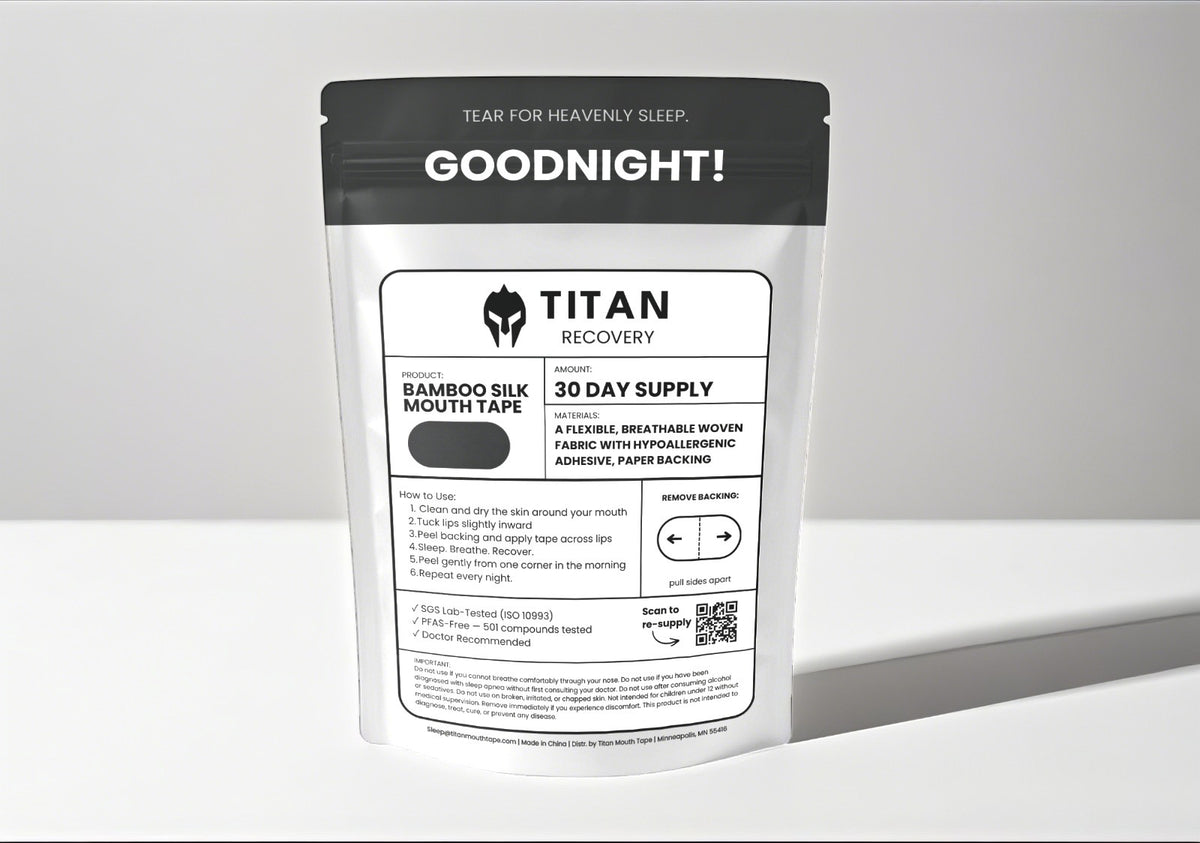
The adhesive is designed for this. Titan Mouth Tape uses a bamboo silk material with medical-grade adhesive that holds through an entire night — through positive pressure, position changes, and the natural oils your skin produces. It peels off easily in the morning without pulling skin or leaving residue.
Using Tape with Different CPAP Mask Types
The type of CPAP mask you use determines whether mouth tape is helpful, essential, or unnecessary. Here's how it breaks down.
Nasal masks. These cover only the nose, which means nothing is holding your mouth closed. When jaw muscles relax during sleep, pressurized air vents straight out through your lips. Nasal mask users are the most common candidates for a CPAP mouth leak fix, and adding mouth tape is the most effective solution. The tape seals the mouth, the nasal mask delivers pressure through the nose, and the system works as designed.
Nasal pillow masks. Same principle as nasal masks, but with even less facial coverage. Nasal pillows sit at the nostrils, leaving the lower face exposed. Mouth leak is extremely common with this mask type. Many users choose nasal pillows because they're the most comfortable option — and pair them with tape to handle the leak that comes with the minimal design.
Full face masks. These cover both the nose and mouth, capturing mouth leak within the mask. If you use a full face mask primarily because of mouth leak, adding tape might allow you to switch to a smaller nasal mask — which many users find more comfortable and better for side sleeping. Talk to your sleep doctor before making mask changes.
What CPAP Users Report After Adding Tape
CPAP users who add Titan Mouth Tape to their routine report a consistent pattern.
Leak rates drop immediately. CPAP apps track leak data. Users seeing elevated leak numbers — flagged in yellow or red on apps like OSCAR or myAir — report leak rates dropping to near zero on the first night with tape. The machine stays quiet because it isn't chasing pressure, and AHI data becomes more accurate because therapeutic pressure is being delivered consistently.
Morning dryness stops. No more reaching for water before opening your eyes. No more sore throats or cracked lips from hours of pressurized air flowing over them. The humidifier on the machine can finally do its job when the system isn't bleeding air through an open mouth.
Sleep quality improves. Less noise, fewer micro-awakenings from pressure spikes, and more consistent therapy throughout the night add up to deeper, less fragmented sleep. Users notice they stop pulling at the mask during sleep because the discomfort that triggered it — the dryness, the noise — is gone.
CPAP compliance goes up. This is the big one. People who were considering abandoning their CPAP find that tape makes the machine tolerable — even comfortable. A strip of tape that costs less than a dollar a night can be the difference between using your CPAP and putting it in a closet. For people managing a serious medical condition, that difference matters.
Pairing tape with TitanAir Nasal Strips can help further if nasal congestion makes CPAP breathing feel restricted. The strips open the nasal passages mechanically, reducing resistance and making the whole experience feel more natural.
What Titan Recovery Does NOT Do
Titan Mouth Tape is not a treatment for obstructive sleep apnea. It does not keep your airway open. It does not deliver positive pressure. It does not replace your CPAP, your BiPAP, or any other prescribed therapy.
What it does is make your existing CPAP therapy more effective by eliminating mouth leak. It is an accessory to your treatment, not a substitute. CPAP and mouth tape serve different functions, and anyone who tells you tape alone can treat moderate-to-severe sleep apnea is giving you dangerous advice.
If you have mild sleep apnea or snoring without apnea, mouth taping may be worth discussing with your doctor as a standalone practice. But that conversation depends on your specific diagnosis, your AHI, and your overall health. We're not your doctor and we're not going to play one.
When to Talk to Your Sleep Doctor
Before adding mouth tape to your CPAP routine, let your sleep specialist know. Most will welcome it — CPAP mouth leak is one of the most common problems they troubleshoot, and a mechanical fix that keeps the mouth closed is straightforward and low-risk. But your doctor knows your pressure settings, your mask type, your AHI history, and your treatment plan. Keep them informed.
Talk to your doctor if you're considering switching from a full face mask to a nasal mask with tape, if your leak rates remain high even with tape (which could indicate mask fit issues), or if you have nasal obstruction that might make sealed-mouth breathing uncomfortable. Starting mouth taping is straightforward, but your sleep treatment is a medical matter and your doctor should be part of the conversation.
Frequently Asked Questions
Is it safe to use mouth tape with a CPAP machine?
For most CPAP users, yes. The tape holds lips gently closed while the CPAP delivers air through a nasal mask. If you need to open your mouth — to cough or yawn — the adhesive releases with deliberate jaw movement. Titan Mouth Tape is secure enough to prevent unconscious mouth opening but not so strong that you can't override it. Talk to your sleep specialist before adding anything to your treatment routine.
Will mouth tape work with my specific CPAP pressure setting?
Mouth tape works across the full range of standard CPAP pressures. The tape isn't fighting against the pressure — it's preventing air from escaping through the lips, which makes it easier for the machine to maintain your prescribed setting. If your pressure is set to auto-adjust (APAP), you may find the machine settles at lower pressures because it no longer has to compensate for leak.
Can I use mouth tape instead of my CPAP?
No. If you've been diagnosed with obstructive sleep apnea and prescribed CPAP, mouth tape is not a replacement. CPAP delivers positive pressure to keep the airway open — something tape cannot do. Mouth tape is a complement that eliminates mouth leak, reduces dryness, and improves therapy effectiveness. Never stop using your prescribed CPAP without your doctor's guidance.
What if I breathe through my mouth because my nose is congested?
Address the congestion first. TitanAir Nasal Strips can mechanically open the nasal passages, which helps with both CPAP airflow and keeping the mouth closed. If congestion is chronic or severe, your sleep doctor may recommend nasal sprays, allergy treatment, or an evaluation for structural issues like a deviated septum. Solve the nasal pathway, then add tape to keep the mouth sealed.
The Bottom Line
CPAP is the treatment. Titan Mouth Tape makes the treatment work better. If you've been dealing with mouth leak, morning dryness, noisy pressure spikes, or inconsistent AHI data, the problem isn't your machine — it's your mouth falling open while you sleep. Seal the mouth, and the CPAP does what it was designed to do: keep your airway open, quietly and consistently, all night long.
Subscribe and Save delivers your tape monthly at an 11% discount — one less thing to manage alongside your CPAP routine. Pair it with TitanAir Nasal Strips for the complete breathing system, and give your CPAP the partner it's been missing.
Doctor Recommended: "As a maxillofacial surgeon and dentist, I recommend Titan Mouth Tape. Nasal breathing during sleep is essential for airway health and deep restorative rest. Titan's bamboo silk design is the most comfortable and effective mouth tape I have tested. If you struggle with snoring, dry mouth, or poor sleep quality, this is the simplest change you can make for your health." — Dr. Francois P., MD, DDS — Maxillofacial Surgeon
Lab-Tested Safety: Titan's adhesive is independently tested to ISO 10993 medical device standards. Non-toxic (95% cell viability). Non-allergenic (0% reaction rate). Non-irritating (score 0.0/8.0). PFAS-free — 501 compounds tested, zero detected. See full test results →
Try the complete system tonight. Titan Mouth Tape (bamboo silk, SilkSeal™ adhesive) + TitanAir Nasal Strips. Free shipping. 30-night Better Sleep Guarantee. Shop Titan Mouth Tape → · Shop TitanAir Nasal Strips →