Mouth Taping with CPAP — Can You Use Both? | Titan Recovery
Share
If you use a CPAP machine, you've probably had this exact problem: your mouth falls open during the night, air leaks out, the seal breaks, and the pressure that's supposed to be keeping your airway open just escapes into the room. Some CPAP users solve this with a full-face mask. A growing number solve it with mouth tape.
This isn't about choosing mouth tape instead of CPAP. It's about using mouth tape alongside CPAP to fix one of the most common complaints CPAP users have.
Why Mouth Leaks Happen on CPAP
Most CPAP setups use a nasal mask or nasal pillow — a mask that covers only the nose, not the mouth. This design is generally more comfortable, less claustrophobic, and easier to maintain a seal with than a full-face mask. The tradeoff: it only works if your mouth stays closed.
During sleep, especially in the early hours or during deeper sleep stages, the jaw relaxes and can fall open. When that happens with a nasal CPAP mask, the pressurized air has nowhere productive to go — it escapes out through your open mouth instead of doing its job of keeping your airway open. This is called a mouth leak, and it's one of the most common reasons people report CPAP therapy "not working" even though the machine itself is functioning correctly.
Signs of mouth leak during CPAP use include:
- Waking up with a very dry mouth or throat despite using a humidifier
- Hearing or feeling air escaping from your mouth during the night
- Your CPAP data showing high leak rates despite a properly fitted mask
- Feeling like the therapy isn't as effective as it should be despite consistent use
How Mouth Tape Addresses This
Mouth tape keeps your lips gently closed throughout the night, which prevents the jaw-drop that causes mouth leaks. With your mouth sealed, the pressurized air from your nasal CPAP mask stays where it's supposed to — moving through your nasal passages and airway instead of escaping out an open mouth.
For CPAP users who already breathe through their nose fine during the day but lose that seal as their jaw relaxes overnight, mouth tape is a low-cost, simple addition that can meaningfully improve how well the existing therapy works.
Is This a Common Practice?
Yes. Combining mouth tape with a nasal CPAP mask is a widely discussed practice among long-term CPAP users and is mentioned by sleep medicine providers as one option for managing chinstrap-resistant mouth leaks. The key point is this is different from using mouth tape instead of CPAP — this is specifically about supporting an existing nasal mask setup that's already prescribed and fitted.
How to Try It Safely
If you want to test mouth tape alongside your CPAP:
- Confirm your nasal passages are clear. Mouth tape with a nasal CPAP mask only works if you can breathe comfortably through your nose. If you have chronic congestion, address that first — a nasal CPAP setup combined with mouth tape requires clear nasal airflow.
- Talk to your sleep specialist first. CPAP therapy is a prescribed medical treatment. Before adding mouth tape to your routine, mention it to the provider managing your sleep apnea care, especially if you have any conditions that affect your ability to breathe through your nose.
- Apply the tape after your mask is on and sealed. Make sure your CPAP mask is properly fitted first, then apply the mouth tape.
- Start with a few hours, not the full night. The first few times, test it during a nap or the early part of the night so you can remove it easily if anything feels uncomfortable.
- Monitor your CPAP leak data. Most modern CPAP machines track leak rate. If mouth tape is helping, you should see your leak rate data improve.
Who Should Not Combine Mouth Tape with CPAP
This combination is not appropriate for everyone. Skip it, or check with your doctor first, if:
- You use a full-face CPAP mask that already covers both your nose and mouth — mouth tape isn't necessary in this setup
- You have chronic nasal congestion or a condition that makes nasal breathing difficult
- You've been advised by your sleep specialist against changes to your CPAP routine
- You experience anxiety or claustrophobia related to having your mouth covered
As with any addition to a prescribed medical therapy, your sleep specialist is the right person to confirm this is appropriate for your specific situation.
Why Material and Adhesive Quality Matters More Here
If you're using mouth tape every night alongside CPAP therapy, you're now combining two things in close contact with your face for 7+ hours: a CPAP mask and an adhesive strip. This makes adhesive quality especially important — a tape that irritates skin or leaves residue compounds the existing contact from your mask straps.
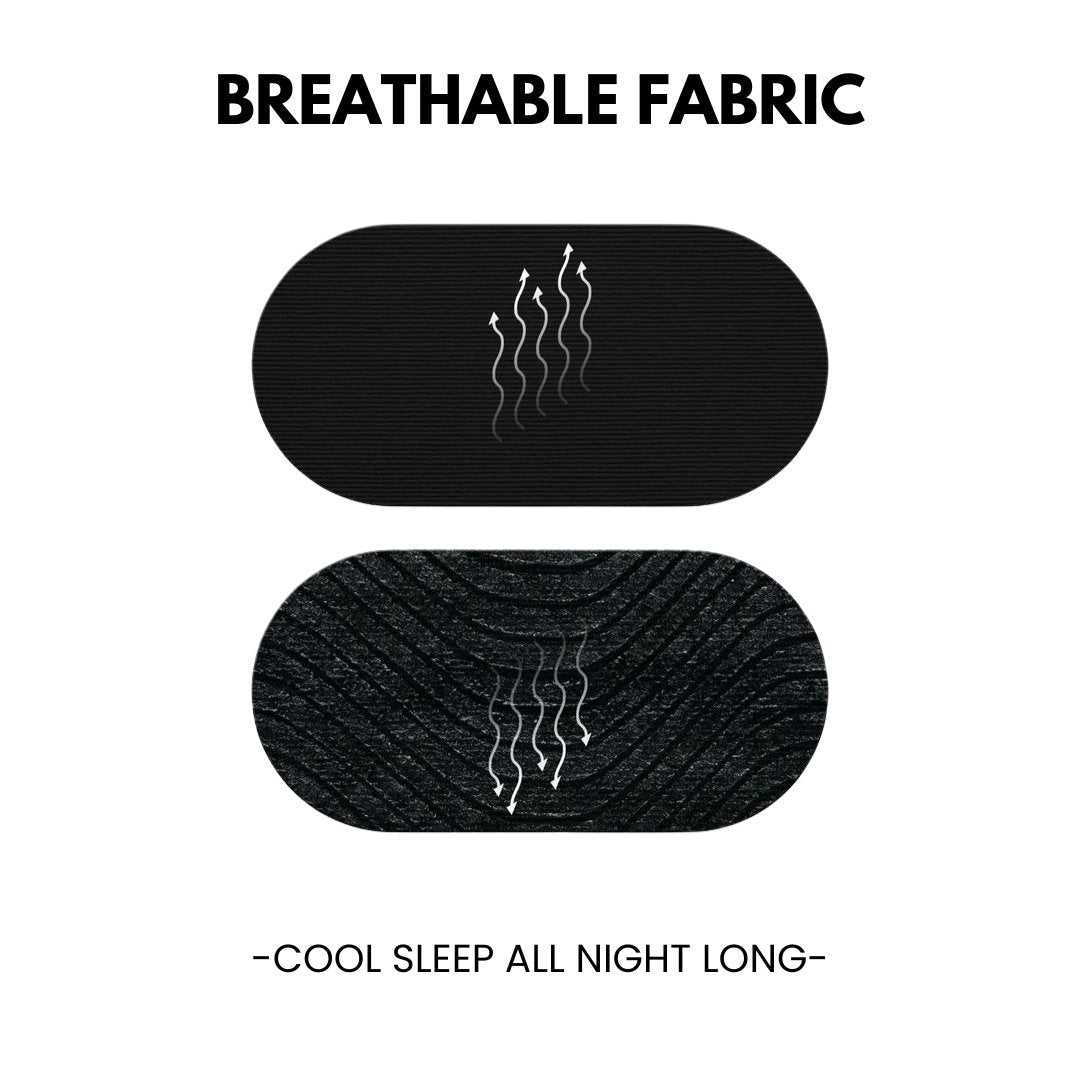
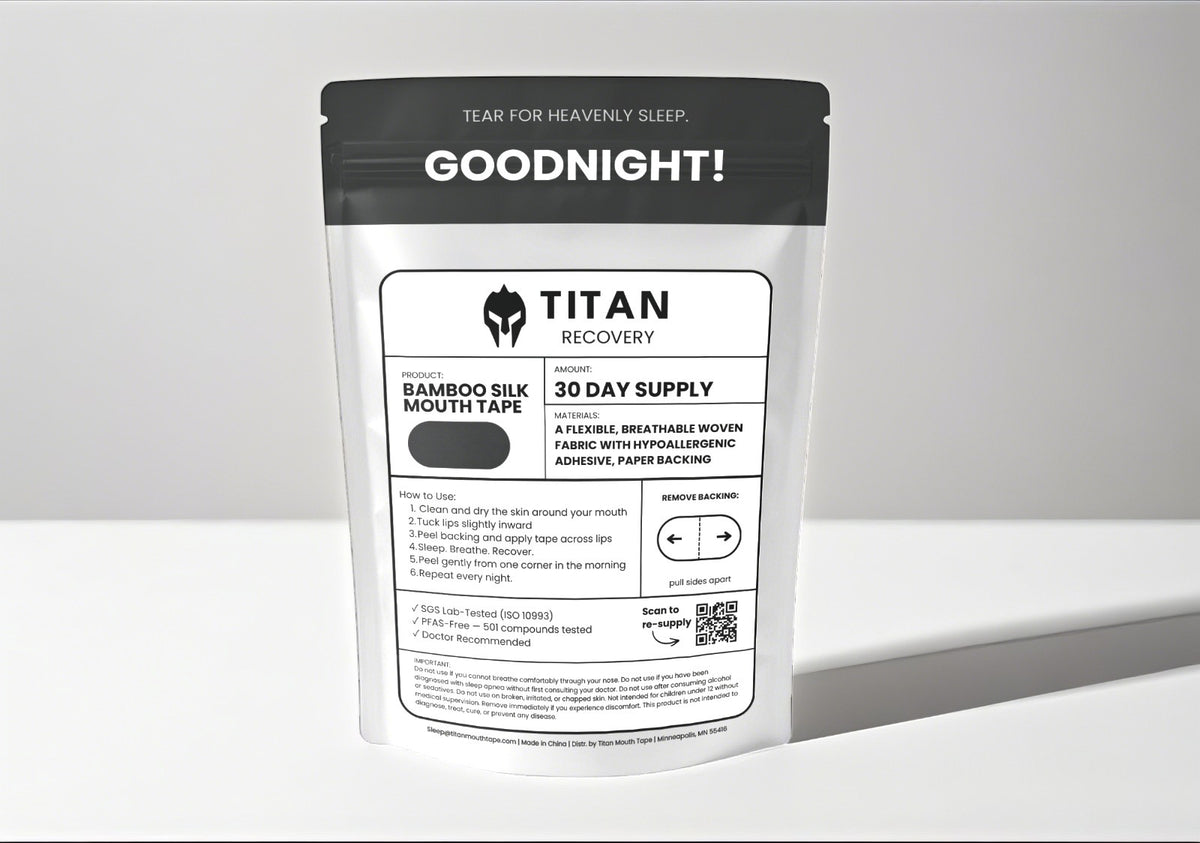
Titan Mouth Tape uses bamboo silk with our proprietary SilkSeal adhesive, independently tested to ISO 10993 medical device standards — the same framework used for surgical tapes. It's non-cytotoxic, non-sensitizing, and scored 0.0 out of 8.0 on the irritation scale. It's also been screened for 501 PFAS compounds with zero detected, which matters for a product with this much nightly skin contact.
"As a maxillofacial surgeon and dentist, I recommend Titan Mouth Tape. Nasal breathing during sleep is essential for airway health and deep restorative rest. Titan's bamboo silk design is the most comfortable and effective mouth tape I have tested. If you struggle with snoring, dry mouth, or poor sleep quality, this is the simplest change you can make for your health."
— Dr. Francois P., MD, DDS, Maxillofacial Surgeon
Frequently Asked Questions
Will mouth tape replace my CPAP machine?
No. Mouth tape is not a treatment for sleep apnea and should never be used as a substitute for prescribed CPAP therapy. This is specifically about supporting an existing nasal CPAP setup, not replacing it.
Can I use mouth tape with a full-face CPAP mask?
It's generally unnecessary. Full-face masks already cover the mouth, so there's no mouth leak to prevent. Mouth tape is relevant specifically for nasal masks and nasal pillow setups.
What if I need to open my mouth during the night?
Quality mouth tape is designed to release with normal effort if needed — your body's natural reflexes will override it if breathing becomes uncomfortable. If you have any concerns about this, discuss it with your sleep specialist before trying the combination.
Will this fix all my CPAP leak issues?
Mouth tape addresses mouth leaks specifically. If your CPAP leak issues are related to mask fit, headgear tension, or facial hair interfering with the seal, those need to be addressed separately — possibly alongside mouth tape, not instead of fixing them.
How do I know if mouth tape is helping?
Most CPAP machines log leak rate data you can review in your therapy app or with your provider. A reduction in leak rate after consistently using mouth tape is a good sign it's helping. You may also notice less dry mouth in the morning.
Doctor Recommended
"As a maxillofacial surgeon and dentist, I recommend Titan Mouth Tape. Nasal breathing during sleep is essential for airway health and deep restorative rest. Titan's bamboo silk design is the most comfortable and effective mouth tape I have tested."
— Dr. Francois P., MD, DDS, Maxillofacial Surgeon
Independently Lab-Tested
- Cytotoxicity (ISO 10993-5): 95% cell viability — non-cytotoxic
- Skin Sensitization (ISO 10993-10): 0% reaction rate — non-sensitizing
- Skin Irritation (ISO 10993-10): 0.0/8.0 — negligible irritant
- PFAS (WEIPU): 501 compounds tested, zero detected
Support Your CPAP Therapy Tonight
Bamboo silk mouth tape. Beard-friendly. Zero residue. 30-Night Better Sleep Guarantee. Free US shipping.
Doctor Recommended: “As a maxillofacial surgeon and dentist, I recommend Titan Mouth Tape. Nasal breathing during sleep is essential for airway health and deep restorative rest. Titan’s bamboo silk design is the most comfortable and effective mouth tape I have tested. If you struggle with snoring, dry mouth, or poor sleep quality, this is the simplest change you can make for your health.” — Dr. Francois P., MD, DDS — Maxillofacial Surgeon
Lab-Tested Safety: Titan’s SilkSeal™ adhesive is independently tested to ISO 10993 medical device standards. Non-toxic (95% cell viability). Non-allergenic (0% reaction rate). Non-irritating (score 0.0/8.0). PFAS-free — 501 compounds tested, zero detected. See full test results →
Try it tonight. Bamboo silk. SilkSeal™ adhesive. Beard-friendly. No logo on the tape. Free shipping. 30-night Better Sleep Guarantee. Shop Titan Mouth Tape → · Shop TitanAir →
This article is for informational purposes only and does not constitute medical advice. If you have or suspect a sleep disorder or other medical condition, consult a qualified healthcare provider before making changes to your routine.