Best Mouth Tape for CPAP Users (2026)
Share
If your CPAP leak rate looks like a stock ticker and you wake up with a mouth drier than sandpaper, the machine isn't failing -- your mouth is opening. The best mouth tape for CPAP keeps your lips sealed under positive airway pressure all night, so the air your machine delivers actually reaches your airway instead of whistling out between your lips. For most nasal mask and nasal pillow users, a single strip of tape is the cheapest, simplest fix for the most common CPAP compliance problem there is.
Why CPAP Users Need Mouth Tape
Mouth leak is the number one reason CPAP therapy underperforms. When you fall asleep, your jaw relaxes. Your lips part. Pressurized air that should be holding your airway open escapes through your mouth instead. The machine detects the pressure drop and ramps up to compensate -- which means more noise, more turbulence, and air rushing across your tongue and palate so fast it strips every trace of moisture from your mouth.
The downstream effects cascade quickly. Your AHI data becomes unreliable because the machine couldn't maintain therapeutic pressure during leak events. Your heated humidifier can't keep up. You wake up, reach for water, pull at the mask, and seriously consider putting the whole setup in a closet. Research consistently shows that cpap mouth leak affects 30% to 50% of users and is one of the leading drivers of therapy abandonment.
Chin straps were the traditional answer. They wrap around your head and jaw to hold your mouth closed. The problem is that chin straps push the jaw back rather than sealing the lips, which can narrow the airway -- the opposite of what CPAP is trying to accomplish. They're also bulky and uncomfortable.
Mouth tape solves the leak at the source. A strip across your lips holds them sealed gently and directly. No jaw repositioning, no headgear, no interference with your mask. The air stays in the circuit: machine to hose to mask to nose to airway. That's it.
What to Look for in CPAP Mouth Tape
Not every mouth tape works well with CPAP. The positive pressure your machine generates creates a specific challenge: the tape has to hold your lips closed against outward air pressure, not just against the passive relaxation of jaw muscles during sleep. Here's what separates a good cpap mouth tape from one that peels off at 2 AM.
Adhesive strength under pressure. Standard mouth tapes are designed for people who breathe at ambient pressure. CPAP users need an adhesive that holds under continuous positive pressure pushing against the inside of the lips. If the tape lets go under pressure, you get the worst of both worlds -- a leak event plus tape residue on your face. Look for medical-grade adhesives specifically rated for extended wear.
Mask compatibility. Mouth tape works with nasal masks and nasal pillow masks -- the two types that leave your mouth uncovered. Full face mask users already have mouth coverage, though some find that switching to a nasal mask plus tape gives them a better seal with less bulk. Talk to your sleep specialist before making that switch.
Material comfort for nightly use. CPAP is a lifelong therapy for most users. You'll be wearing tape every night alongside a mask, headgear, and a hose. Comfort isn't a luxury -- it's a compliance requirement. Materials that feel plasticky, stiff, or sticky make a machine you're already tolerating feel worse.
Clean removal. Your morning routine already includes removing a mask and cleaning equipment. Tape that leaves adhesive residue or pulls at skin adds friction you don't need. If the tape is annoying to remove, you'll stop using it -- and the leak comes back.
Facial hair compatibility. CPAP users with beards already struggle with mask seal. Tape that won't stick over facial hair creates another failure point. The adhesive needs to grip over stubble and short beards without relying entirely on skin contact.
Why Titan Mouth Tape Works Best with CPAP
Titan Mouth Tape was built for the exact scenario CPAP users face every night: sustained positive pressure, eight hours of wear, and zero tolerance for failure.
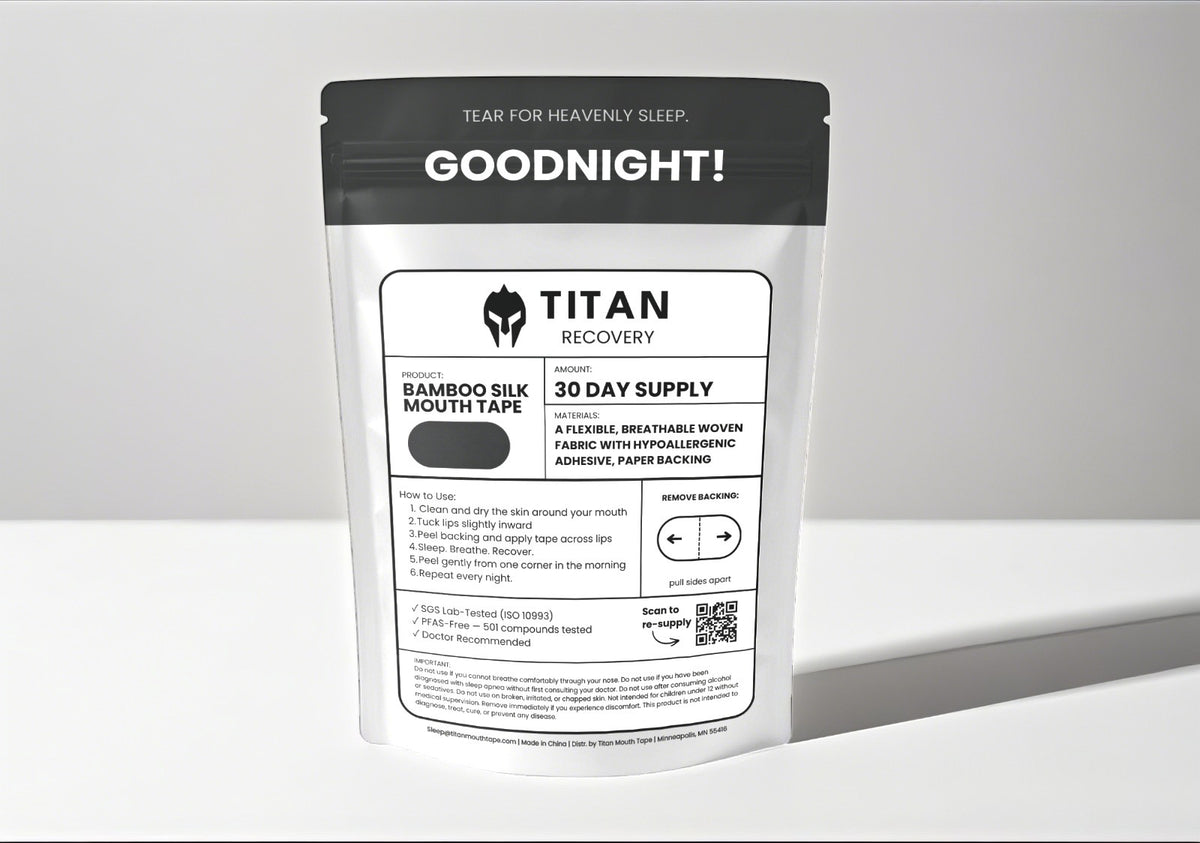
The adhesive holds under CPAP pressure. Titan's medical-grade adhesive was designed for a full-seal hold throughout the night. It doesn't peel at the edges when pressurized air pushes against the inside of your lips. Users running CPAP pressures across the standard range -- from low single digits to higher therapeutic settings -- report consistent seal throughout the night. Your leak rate drops, your machine quiets down, and your AHI data finally reflects what the therapy is actually doing.
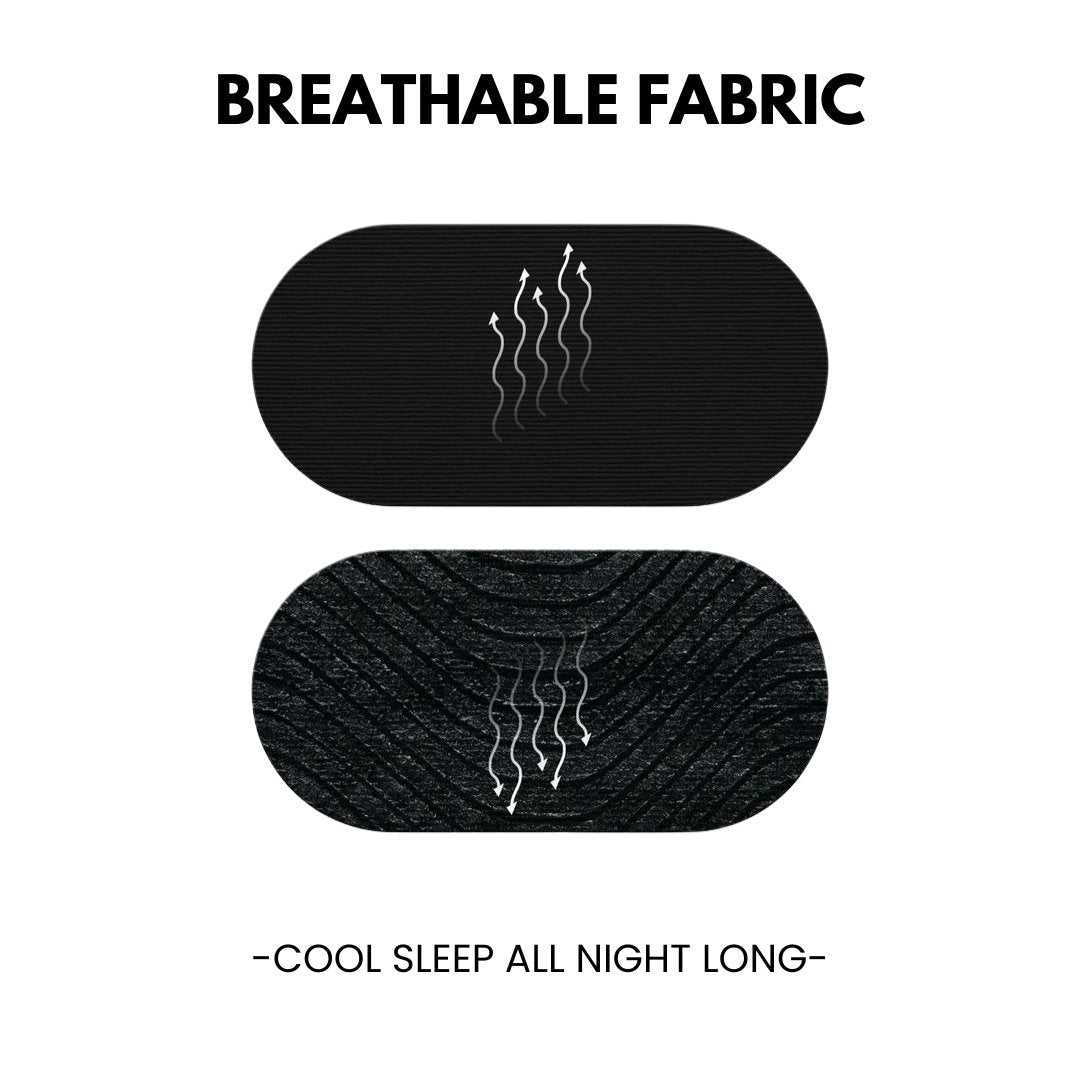
Bamboo silk is comfortable enough for nightly use. The tape is made from bamboo silk -- softer and more breathable than the synthetic, kinesiology, or paper-based materials other brands use. When you're already wearing a nasal mask and headgear, the last thing you need is another piece of equipment that feels clinical. The bamboo silk sits against skin without stiffness or clamminess.
It works with facial hair. The adhesive grips over stubble and moderate beards -- a genuine advantage for CPAP users who already battle mask leak around facial hair. No tape seals perfectly over a thick, full beard, but for users with trimmed or moderate facial hair, the hold is consistent.
Morning removal is clean. One smooth peel. No residue, no redness, no adhesive left behind. This sounds minor until you've experienced the alternative -- scrubbing sticky residue off your chin while the coffee gets cold.
How to Use Mouth Tape with Your CPAP
Put the tape on before the mask. Clean and dry your lips and chin first -- oils and lip balm reduce adhesion. Center a strip of Titan Mouth Tape horizontally over your closed lips and press gently from the center outward. Then position your nasal mask or nasal pillows as you normally would. The tape sits below the mask and won't interfere with its seal.
Check your data in the morning. Pull up your CPAP app -- OSCAR, myAir, DreamMapper, whatever your machine uses. Compare your leak rate from nights with tape to nights without. Most users see the difference immediately: leak rates drop to near zero and AHI readings become more consistent.
Pairing Tape with Nasal Strips
Some CPAP users deal with nasal congestion or resistance that makes sealed-mouth breathing feel restricted, especially during allergy season or when fighting a cold. TitanAir Nasal Strips open the nasal passages mechanically, reducing airflow resistance so the CPAP air moves through your nose more easily.
The combination -- tape sealing the mouth, strips opening the nose -- gives the CPAP a clear, low-resistance airway to deliver pressure through. The Deep Sleep Bundle includes both products and is a practical starting point for CPAP users who want the full breathing system without ordering separately.
Important Disclaimer
Mouth tape is not a treatment for sleep apnea. If you've been diagnosed with obstructive sleep apnea and prescribed CPAP, you need your machine. Mouth tape does not deliver positive pressure. It does not keep your airway open. It is a CPAP accessory that improves your therapy by eliminating mouth leak -- nothing more, nothing less.
Always consult your sleep specialist before adding anything to your CPAP routine. Most sleep doctors welcome mouth taping with cpap because it solves a problem they troubleshoot constantly, but your doctor knows your pressure settings, your mask type, and your specific diagnosis. Keep them in the loop.
Frequently Asked Questions
Is mouth tape safe to use with a CPAP machine?
For most CPAP users with nasal masks or nasal pillows, yes. The tape holds your lips closed while the CPAP delivers air through your nose. If you need to open your mouth, deliberate jaw movement overrides the adhesive -- the tape prevents unconscious mouth opening, not intentional. Tell your sleep specialist you're adding tape so they can note it in your treatment plan.
Will mouth tape work with any CPAP pressure setting?
Yes. Titan Mouth Tape holds across the full range of standard CPAP and APAP pressures. The tape isn't fighting the pressure -- it's preventing air from escaping, which actually makes the machine's job easier. If you use auto-adjusting pressure (APAP), you may find your machine settles at lower average pressures because it no longer needs to compensate for leak.
Can I use mouth tape instead of my CPAP?
No. Mouth tape and CPAP serve completely different functions. CPAP delivers positive pressure to keep your airway open during sleep -- something tape cannot do. Mouth tape is a companion to CPAP therapy that prevents mouth leak and improves therapy effectiveness. Never discontinue prescribed CPAP without your doctor's guidance.
What type of CPAP mask works best with mouth tape?
Nasal masks and nasal pillow masks. Both deliver air through the nose only, making your mouth the primary leak point -- and tape seals it. Full face masks already cover the mouth, so tape isn't necessary. Some full face mask users switch to a nasal mask plus tape for more comfort, but make that change with your sleep doctor's input.
What if my nose gets congested during the night?
If nasal congestion is occasional, pairing tape with TitanAir Nasal Strips can help by mechanically opening the nasal passages. If congestion is chronic or severe, talk to your sleep specialist about nasal sprays, allergy management, or an evaluation for structural issues before committing to mouth tape cpap use. You need a clear nasal airway for sealed-mouth CPAP therapy to work comfortably.
How do I know if mouth tape is reducing my CPAP leak?
Check your CPAP app. Every modern CPAP machine tracks leak data -- apps like OSCAR, myAir, and DreamMapper display it nightly. Compare your leak rates from nights with tape to your historical data without it. Most users see leak rates drop to near zero on the first night.
The Bottom Line
Mouth leak is the most common problem CPAP users face, and the simplest fix is a strip of tape that costs less than a dollar a night. Titan Mouth Tape is the best mouth tape for CPAP because its medical-grade adhesive holds under positive pressure, its bamboo silk material is comfortable enough for nightly use alongside a mask, and it works over facial hair -- three requirements that matter specifically to CPAP users and that generic mouth tapes consistently fail.
Your CPAP works when the air stays in the system. Seal your mouth, open your nose with TitanAir Nasal Strips if you need the extra airflow, and let the machine do what your sleep doctor prescribed. If you've been thinking about quitting CPAP because of dryness, noise, or inconsistent results, try fixing the leak first. The machine isn't the problem -- the open mouth is.
Doctor Recommended: "As a maxillofacial surgeon and dentist, I recommend Titan Mouth Tape. Nasal breathing during sleep is essential for airway health and deep restorative rest. Titan's bamboo silk design is the most comfortable and effective mouth tape I have tested. If you struggle with snoring, dry mouth, or poor sleep quality, this is the simplest change you can make for your health." — Dr. Francois P., MD, DDS — Maxillofacial Surgeon
Lab-Tested Safety: Titan's adhesive is independently tested to ISO 10993 medical device standards. Non-toxic (95% cell viability). Non-allergenic (0% reaction rate). Non-irritating (score 0.0/8.0). PFAS-free — 501 compounds tested, zero detected. See full test results →
Try the complete system tonight. Titan Mouth Tape (bamboo silk, SilkSeal™ adhesive) + TitanAir Nasal Strips. Free shipping. 30-night Better Sleep Guarantee. Shop Titan Mouth Tape → · Shop TitanAir Nasal Strips →