What If I Panic and Rip Off My Mouth Tape?
Share
If you've woken up in the middle of the night and ripped off your mouth tape in a moment of panic, you're not alone -- and nothing went wrong. This is one of the most common experiences for first-time mouth tapers, and it's actually a sign that the system is working exactly as it should.
Here's the part most people need to hear: the fact that you can remove the tape instantly, while half-asleep, proves that mouth tape is not dangerous. Your body woke you up, you removed it without thinking, and you were fine. That's the safety mechanism in action. The panic doesn't mean mouth taping isn't for you -- it means your body hasn't adjusted yet.
Why the Panic Happens
Your body has spent your entire life with unrestricted access to your mouth for breathing. Even if you primarily breathe through your nose while awake, the option to mouth breathe has always been there. Mouth tape changes that dynamic during sleep, and your nervous system notices.
The most common triggers for nighttime mouth tape panic:
- Unfamiliar sensation. Having something adhered to your lips during sleep is new. Your brain registers it as unusual and sounds the alarm, especially during lighter sleep stages when you're more aware of physical sensations.
- Nasal congestion. If your nose gets even slightly stuffy during the night -- from allergies, dry air, or positional congestion -- your body's instinct is to open your mouth to breathe. When the tape prevents that, the response can feel urgent.
- Sleep position changes. Rolling from your back to your side or stomach can shift how air flows through your nose. A position that temporarily restricts one nostril can trigger a brief feeling of reduced airflow, which your sleeping brain interprets as a problem.
- General anxiety. If you went to bed nervous about the tape, that anxiety doesn't fully shut off when you fall asleep. It sits in the background and amplifies any minor discomfort into a stronger response.
None of these triggers indicate a real breathing problem. They indicate an adjustment period -- your body learning that nasal breathing during sleep is safe and sufficient.
The Adjustment Period: What to Expect
For most people, the panic response fades within 3 to 7 nights of consistent use. Some people adjust on night one and never think about it again. Others need a couple of weeks. Both are normal.
Here's how the typical adjustment looks:
Nights 1-2: You may wake up and remove the tape once or twice. You might find the tape on your pillow in the morning with no memory of removing it. This is the most common first-night experience, and it doesn't mean the tape failed.
Nights 3-5: You start making it through more of the night. Maybe you wake up once but don't feel the same urgency to remove it. Your body is beginning to associate the tape with normal sleep rather than a threat.
Nights 5-7: Most people are sleeping through the night with the tape on. You wake up in the morning with the tape still in place, and the idea of removing it in a panic feels distant. The new normal has been established.
If you're still consistently panicking after two weeks of nightly use, that's worth paying attention to. It may indicate nasal obstruction that needs to be addressed, or an anxiety response that benefits from the graduated approach we'll cover below.
How to Reduce the Panic Response
You don't have to white-knuckle through the adjustment period. There are practical steps that make the transition smoother and reduce the chances of a middle-of-the-night removal.
Start with a vertical strip
Instead of placing the tape horizontally across both lips, use a single vertical strip from just above the upper lip to just below the lower lip. This keeps the center of your mouth sealed while leaving the corners open. Air can't flow freely enough to sustain full mouth breathing, but the open corners give your brain the reassurance that an escape route exists. It's training wheels for mouth taping.
Once you're comfortable with the vertical strip -- usually after a few nights -- transition to a full horizontal application for a complete seal.
Clear your nose before bed
A significant portion of nighttime panic comes from nasal congestion that develops during sleep. Reduce that risk before you get into bed:
- Use a saline rinse or neti pot to clear your nasal passages
- Apply nasal strips to mechanically open your nostrils
- If you have allergies, take your antihistamine before bed rather than in the morning
- Run a humidifier in dry climates -- dry air inflames nasal tissue and restricts airflow
The combination of mouth tape and nasal strips -- what we call the Deep Sleep Bundle approach -- addresses both sides of the equation: closing the mouth and opening the nose. People who panic with mouth tape alone often have zero issues when they add nasal strips.
Practice during the day first
This is one of the most effective strategies, and we've dedicated an entire guide to it. The short version: wearing mouth tape while you're awake, conscious, and in control removes the fear of the unknown. You know what it feels like, you know you can breathe, and you know you can remove it anytime. That knowledge carries into sleep.
Start with 30 minutes while watching TV or reading. Work up to an hour. Try it during an afternoon nap. By the time you wear it for a full night, it feels routine rather than alarming.
Control your sleep environment
Anything that reduces sleep disturbances also reduces the chances of waking up and panicking about the tape. Keep the bedroom cool (65-68 degrees), minimize light and noise, and avoid alcohol before bed -- alcohol increases nasal congestion and disrupts sleep architecture. The deeper your sleep, the less likely you are to enter the light stage where you'd notice the tape and react to it.
For People with Anxiety or Claustrophobia
If you experience general anxiety or claustrophobic tendencies, the mouth tape panic response may be stronger and longer-lasting than average. That doesn't mean mouth taping is off the table -- it means the adjustment needs to be more gradual.
A stepped approach that works for anxiety-prone users:
Step 1: Handle the tape -- peel it on and off your wrist. Familiarizing yourself with the product reduces the "foreign object" response.
Step 2: Apply it to your lips for 5 minutes in a comfortable room. Breathe through your nose. Remove it. Nothing bad happened.
Step 3: Extend daytime wear to 30-60 minutes while doing something absorbing -- a show, a book, a phone call.
Step 4: Wear it for a daytime nap. Lighter sleep and shorter duration make this easier than a full night.
Step 5: Full overnight use. By now, your brain has enough positive data points to override the panic signal.
There's no rush. Getting there in two weeks through a comfortable progression beats forcing it on night one and creating a negative association. Understanding the safety profile of mouth tape may also help -- the short version is that the tape removes instantly, and your body will wake you up if it needs to.
When to Reconsider
The panic response should diminish over time. If it doesn't -- if you're consistently waking up in distress after two or more weeks of trying -- consider these possibilities:
- Undiagnosed nasal obstruction. A deviated septum, nasal polyps, or chronic inflammation may be limiting your nasal airflow to a degree that makes mouth closure genuinely uncomfortable. See an ENT if you suspect this.
- Sleep apnea. If your panic is accompanied by gasping, choking sensations, or significant snoring, talk to your doctor about a sleep study. Mouth tape is not a treatment for sleep apnea, and persistent distress during use can be a signal worth investigating.
- Severe claustrophobia. For some people, the sensation of having their mouth sealed is genuinely intolerable regardless of adjustment time. That's okay. Mouth taping isn't the only way to improve sleep quality, and forcing something that causes significant distress isn't good for sleep either.
The Bottom Line
Waking up and ripping off your mouth tape is not a failure -- it's a normal part of the adjustment process that most people move through in under a week. The fact that you can remove the tape instantly is a feature, not a flaw. Your body is proving to itself, night by night, that mouth taping is safe and that nasal breathing is sufficient.
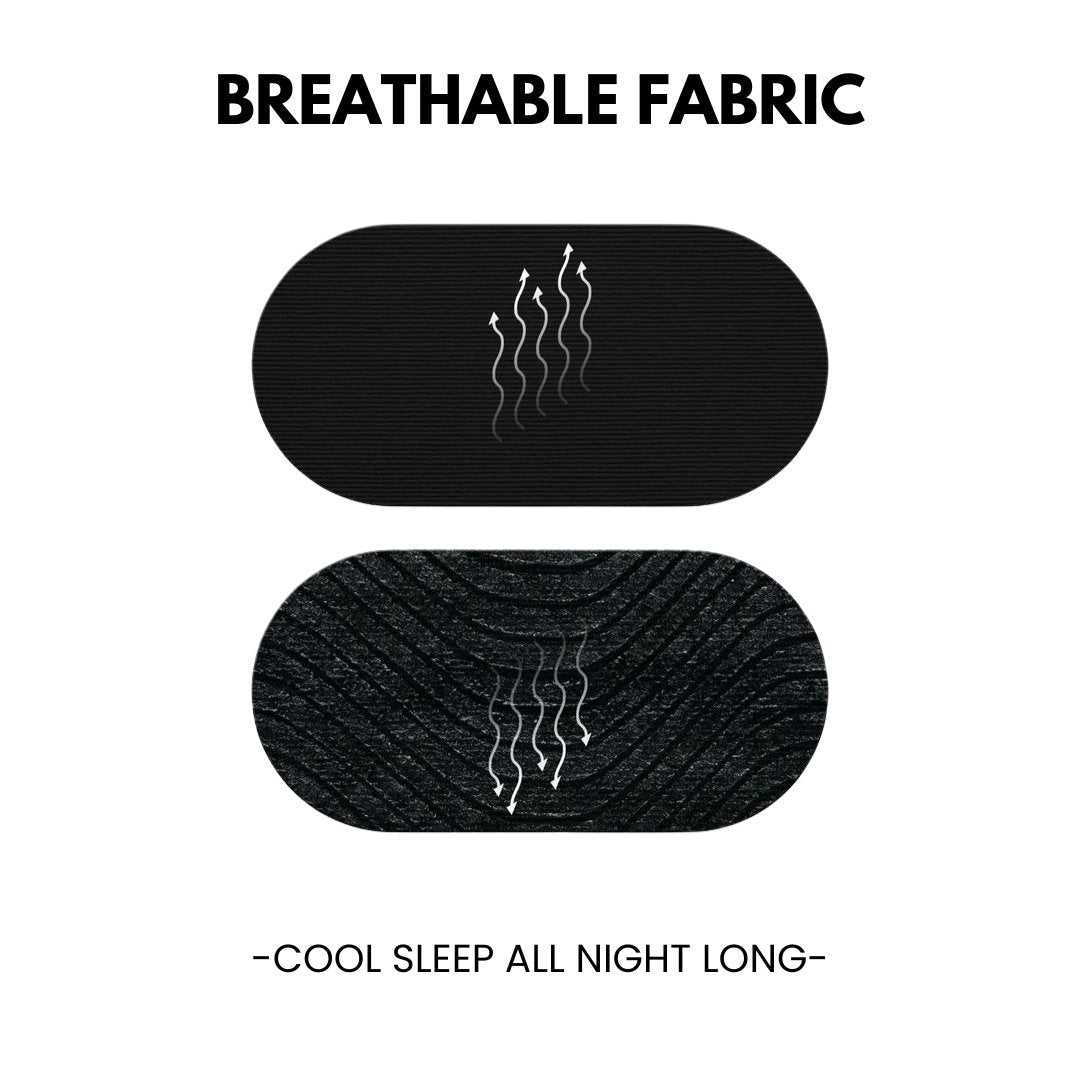
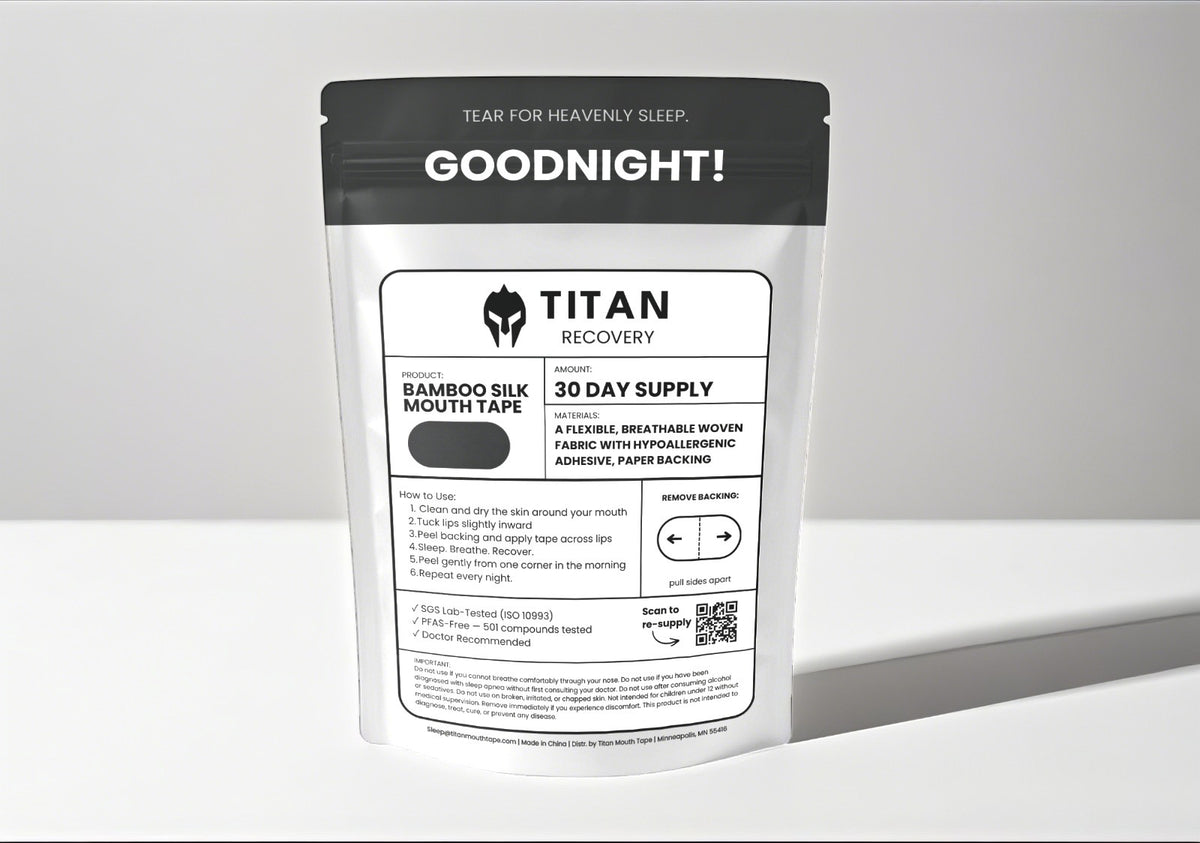
Start with a vertical strip, clear your nose before bed, practice during the day, and give yourself 3-7 nights before deciding it isn't for you. Our 7-day mouth tape challenge provides a day-by-day plan for your first week. For people with anxiety or claustrophobia, the graduated approach -- from handling the tape to daytime wear to naps to overnight -- works consistently. Titan Mouth Tape uses a gentle, medical-grade adhesive that peels off cleanly and painlessly, which is exactly what you want during the learning curve.
Doctor Recommended: “As a maxillofacial surgeon and dentist, I recommend Titan Mouth Tape. Nasal breathing during sleep is essential for airway health and deep restorative rest. Titan’s bamboo silk design is the most comfortable and effective mouth tape I have tested. If you struggle with snoring, dry mouth, or poor sleep quality, this is the simplest change you can make for your health.” — Dr. Francois P., MD, DDS — Maxillofacial Surgeon
Lab-Tested Safety: Titan’s SilkSeal™ adhesive is independently tested to ISO 10993 medical device standards. Non-toxic (95% cell viability). Non-allergenic (0% reaction rate). Non-irritating (score 0.0/8.0). PFAS-free — 501 compounds tested, zero detected. See full test results →
Try it tonight. Bamboo silk. SilkSeal™ adhesive. Beard-friendly. No logo on the tape. Free shipping. 30-night Better Sleep Guarantee. Shop Titan Mouth Tape → · Shop TitanAir →
This article is for informational purposes only and does not constitute medical advice. If you have or suspect a sleep disorder or other medical condition, consult a qualified healthcare provider before making changes to your routine.