How to Use Mouth Tape: 3 Methods Compared
Share
There's more than one way to tape your mouth at night, and the method you choose actually matters. Most people stick a strip across their lips and call it done, but the placement, angle, and coverage of the tape affect how secure it stays, how comfortable it feels, and how well it promotes nasal breathing through the entire night.
If you're wondering how to use mouth tape, the short answer is: clean and dry your lips, choose one of three application methods based on your comfort level, press the tape firmly for ten seconds, and breathe through your nose. The real question is which method suits you best — full seal, vertical strip, or X-pattern — because each has distinct advantages depending on your experience level, breathing habits, and facial structure.
Before You Apply: Skin Prep Matters More Than You Think
Regardless of which method you choose, the tape won't perform well if the surface isn't prepared. This step is simple but non-negotiable.
Wash your face. Residual oils, sweat, and skincare products create a barrier between the adhesive and your skin. You don't need a full routine — just splash water on the area around your mouth and dry it thoroughly. The key word is thoroughly. Even a light layer of moisture will weaken the bond.
Skip the lip balm. This is the single biggest mistake new users make. Lip balm, chapstick, petroleum jelly — anything you apply to your lips before bed creates a slippery layer that prevents the adhesive from gripping. If your lips are dry and you want to moisturize them, do it earlier in the evening and wipe the residue off before taping.
No moisturizer on the chin or upper lip area. If you apply a night cream or moisturizer, keep it away from the zone where the tape will sit. This includes the skin below your lower lip and above your upper lip.
Pat dry with a clean towel. Right before application, give the entire taping area one final pat with a dry towel. You want the skin to feel clean and slightly tacky — that's the ideal surface for adhesive.
Method 1: The Full Seal (Horizontal Strip)
The full seal is exactly what it sounds like: a single strip of tape applied horizontally across both lips, covering the mouth from one side to the other. This is the most common method, the most researched, and the one we recommend for anyone who has moved past the first few nights of adjustment.
How to apply it:
- Close your lips gently. Don't press them together tightly — just a natural, relaxed closure.
- Center the strip horizontally across your mouth. The tape should cover the full width of your lips, extending slightly past the corners of your mouth onto the surrounding skin.
- Press from the center outward, smoothing the tape toward each corner. This prevents air bubbles and ensures full contact with the skin.
- Run your finger along the entire strip with firm pressure for about ten seconds. This activates the adhesive and creates a secure bond.
Why it works well: The full seal covers the most surface area, which means the strongest hold. It distributes the adhesive load across a wider area of skin, so no single point bears the full tension of your jaw relaxing during sleep. For heavy mouth breathers, this is the most reliable method. It stays put.
Who it's best for: Experienced users, heavy snorers, side sleepers (broader coverage resists pillow friction), and anyone whose tape keeps coming loose overnight. The full seal is usually the fix.
The trade-off: Some beginners find it psychologically uncomfortable to have the entire mouth covered. If that's you, start with the vertical method and work up. Safety concerns are worth addressing before your first night, but with proper sleep-specific tape, the adhesive is gentle enough that you can open your mouth in an emergency — you just won't do it unconsciously.
Method 2: The Vertical Strip (Top-to-Bottom)
The vertical strip method uses a single piece of tape applied from just below the nose to just above the chin, running straight down the center of the lips. This is the method most sleep coaches recommend for people who are brand new to mouth taping.
How to apply it:
- Close your lips in a relaxed position.
- Place the top edge of the tape just below the base of your nose, centered between your nostrils.
- Smooth the tape straight down over the center of your upper lip, across the seam where your lips meet, and down over the center of your lower lip to just above the chin.
- Press firmly along the full length of the strip for ten seconds.
Why it works well: The vertical strip seals the center of the lips — the point where the mouth naturally opens first — while leaving the corners uncovered. If nasal congestion makes breathing difficult mid-sleep, a small amount of air can escape through the corners. It's a built-in pressure relief valve that promotes nasal breathing without creating a fully sealed environment on your first try.
Who it's best for: First-time users, people with mild congestion, and anyone anxious about a full mouth seal. It's also great for people with facial hair, since the strip sits on the lips and the smooth skin between the nose and chin.
The trade-off: Less secure than a full seal. Strong mouth breathers may find air leaks through the sides. If you consistently wake up with a dry mouth despite using the vertical method, you're leaking air through the corners and should move to a full seal or X-pattern.
Method 3: The X-Pattern (Two Crossed Strips)
The X-pattern uses two strips of tape crossed over each other in an X shape at the center of the lips. Each strip runs diagonally from one corner of the mouth area to the opposite side. This method is less common but has a dedicated following among people who find it hits the sweet spot between coverage and comfort.
How to apply it:
- Cut or use two shorter strips of tape.
- Apply the first strip diagonally from just above the left corner of the upper lip to just below the right corner of the lower lip.
- Apply the second strip from just above the right corner of the upper lip to just below the left corner of the lower lip, crossing over the first strip at the center of the lips.
- Press firmly where the strips overlap at the center — this double layer creates the strongest seal point — then smooth outward along each strip.
Why it works well: The X-pattern covers more surface area than the vertical strip but with a different force distribution than the full seal. The crossed strips create tension in multiple directions, which can make the tape more resistant to movement during sleep — especially the rolling and shifting that side sleepers deal with. The overlap at the center creates a reinforced seal where it matters most.
Who it's best for: Intermediate users who want more coverage than the vertical strip but find the full seal uncomfortable. Active sleepers who move a lot. People who like to customize their approach.
The trade-off: It uses more tape, it takes more time to apply, and getting the angles consistent each night requires a bit of practice. The corners of the mouth get partial coverage but not complete coverage, so heavy mouth breathers may still experience some air leakage compared to the full seal.
Which Method Should You Start With?
If you've never used mouth tape before, start with the vertical strip. Use it for your first week. Getting comfortable with the basic practice of mouth taping is more important than optimizing the method on night one. Once you're sleeping through the night without thinking about the tape, you can experiment with the X-pattern or full seal and compare how you feel in the morning.
If you've been mouth taping for a while and it's working, there's no reason to change. Stick with whatever method keeps the tape on all night and lets you breathe comfortably. But if you're experiencing issues — tape falling off, dry mouth in the morning, inconsistent results — switching methods often solves the problem without any other changes.
A few additional notes that apply regardless of method:
Pair with a nasal strip if needed. If your nasal breathing feels restricted when you close your mouth, an external nasal strip can open the airway enough to make taping comfortable. Apply the nasal strip first, confirm you can breathe easily through your nose, then apply the mouth tape.
Relax your jaw. After applying the tape, consciously relax your jaw before falling asleep. Some people clench or press their lips together, which creates tension that makes sleep harder. The tape does the work of keeping your mouth closed — your muscles don't need to help.
The Bottom Line
The best way to use mouth tape is the method that stays on all night and lets you sleep without thinking about it. For most people, that's the full seal once they're past the first few nights. For beginners, the vertical strip is the right starting point — low commitment, built-in safety margin, and effective enough to show you what nasal breathing during sleep actually feels like.
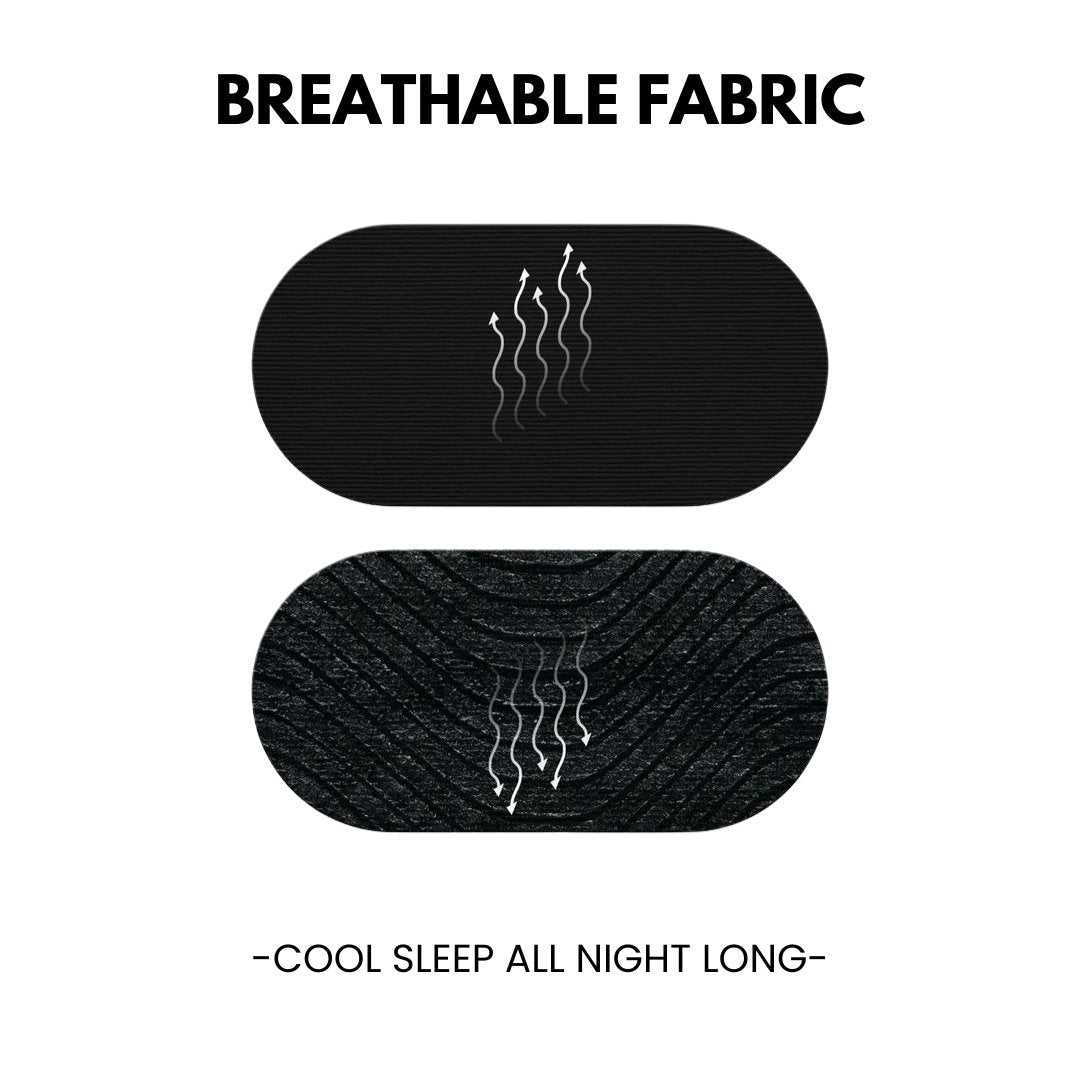
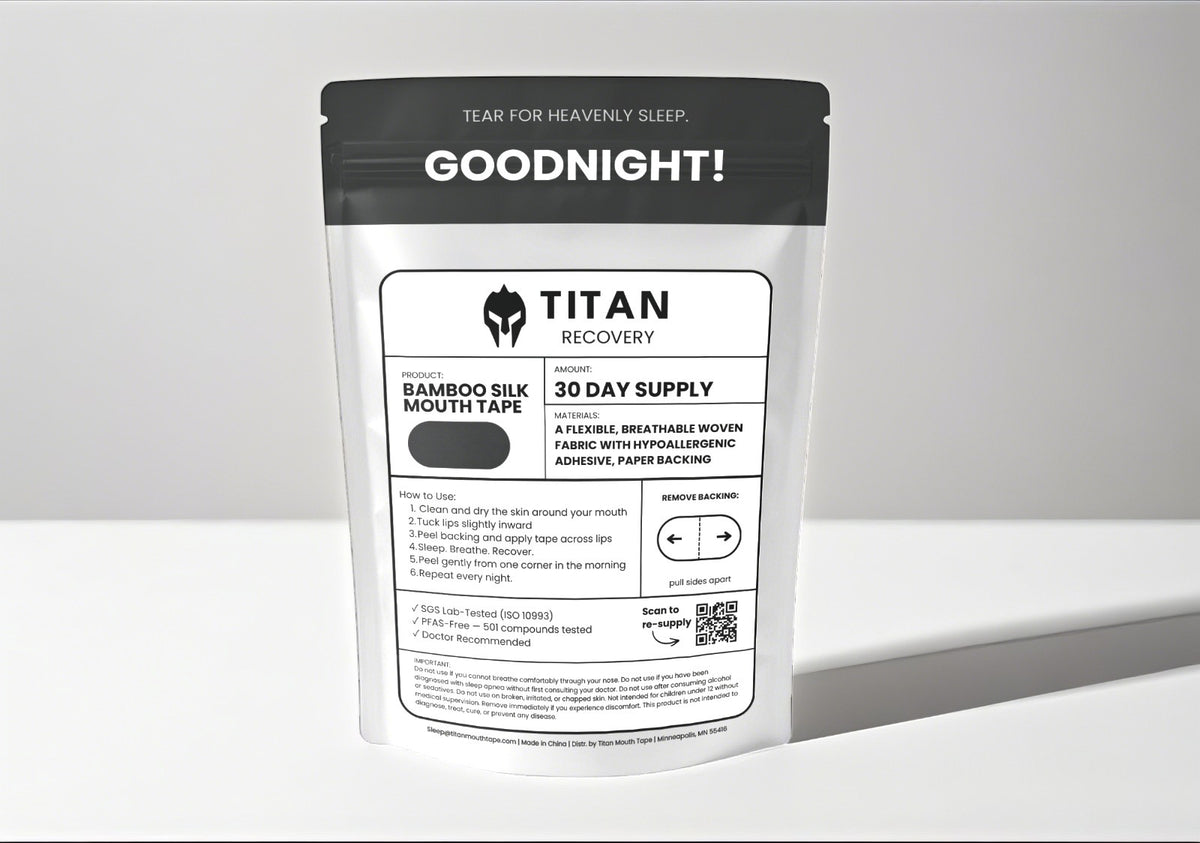
All three methods work with Titan Mouth Tape. The bamboo silk fabric is flexible enough to conform to any application angle, and the medical-grade adhesive holds through the night regardless of placement method. Start with the vertical strip tonight, and if it stays on and you wake up with a closed mouth and no dry throat, you've found your method. If you want more security, move to the full seal next week. The goal isn't the perfect technique — it's consistent nasal breathing, every night, all night.
Doctor Recommended: “As a maxillofacial surgeon and dentist, I recommend Titan Mouth Tape. Nasal breathing during sleep is essential for airway health and deep restorative rest. Titan’s bamboo silk design is the most comfortable and effective mouth tape I have tested. If you struggle with snoring, dry mouth, or poor sleep quality, this is the simplest change you can make for your health.” — Dr. Francois P., MD, DDS — Maxillofacial Surgeon
Lab-Tested Safety: Titan’s SilkSeal™ adhesive is independently tested to ISO 10993 medical device standards. Non-toxic (95% cell viability). Non-allergenic (0% reaction rate). Non-irritating (score 0.0/8.0). PFAS-free — 501 compounds tested, zero detected. See full test results →
Try it tonight. Bamboo silk. SilkSeal™ adhesive. Beard-friendly. No logo on the tape. Free shipping. 30-night Better Sleep Guarantee. Shop Titan Mouth Tape → · Shop TitanAir →