Mouth Tape for Sleeping With a Beard
Share
Yes, bearded men can mouth tape for sleep. The sleep benefits are identical to a clean-shaven face -- keeping your lips sealed promotes nasal breathing, which means less snoring, less dry mouth, and calmer nights. The only real difference is adhesion over facial hair, and a beard-friendly tape solves that: it grips the skin, holds through the night, and peels off cleanly in the morning without pulling hair.
If you've tried mouth tape before and found it on your pillow by 2 AM, the beard wasn't the dealbreaker -- the tape was. This guide covers why the benefits carry over exactly the same, how to get a seal that lasts over stubble or a full beard, what your first week will feel like, and when to skip taping entirely.
Can you mouth tape for sleep with a beard?
Yes -- the challenge is grip, not the beard itself. Mouth tape works by holding your lips together so you breathe through your nose all night. None of that changes because you have facial hair. What changes is where the adhesive lands: instead of bonding to smooth skin, it has to grip the skin underneath your hair to hold. A tape built for that will stay put; a thin drugstore strip made for a bare face usually won't.
Why standard tape struggles. Facial hair creates dozens of tiny gaps between the adhesive and your skin, so a flat, rigid strip contacts far less surface than it would on a clean-shaven face. Every jaw movement overnight works those weak spots loose. That's the peeling, the pillow tape, and the sticky residue bearded men complain about -- all adhesion problems, not reasons to give up on nasal breathing.
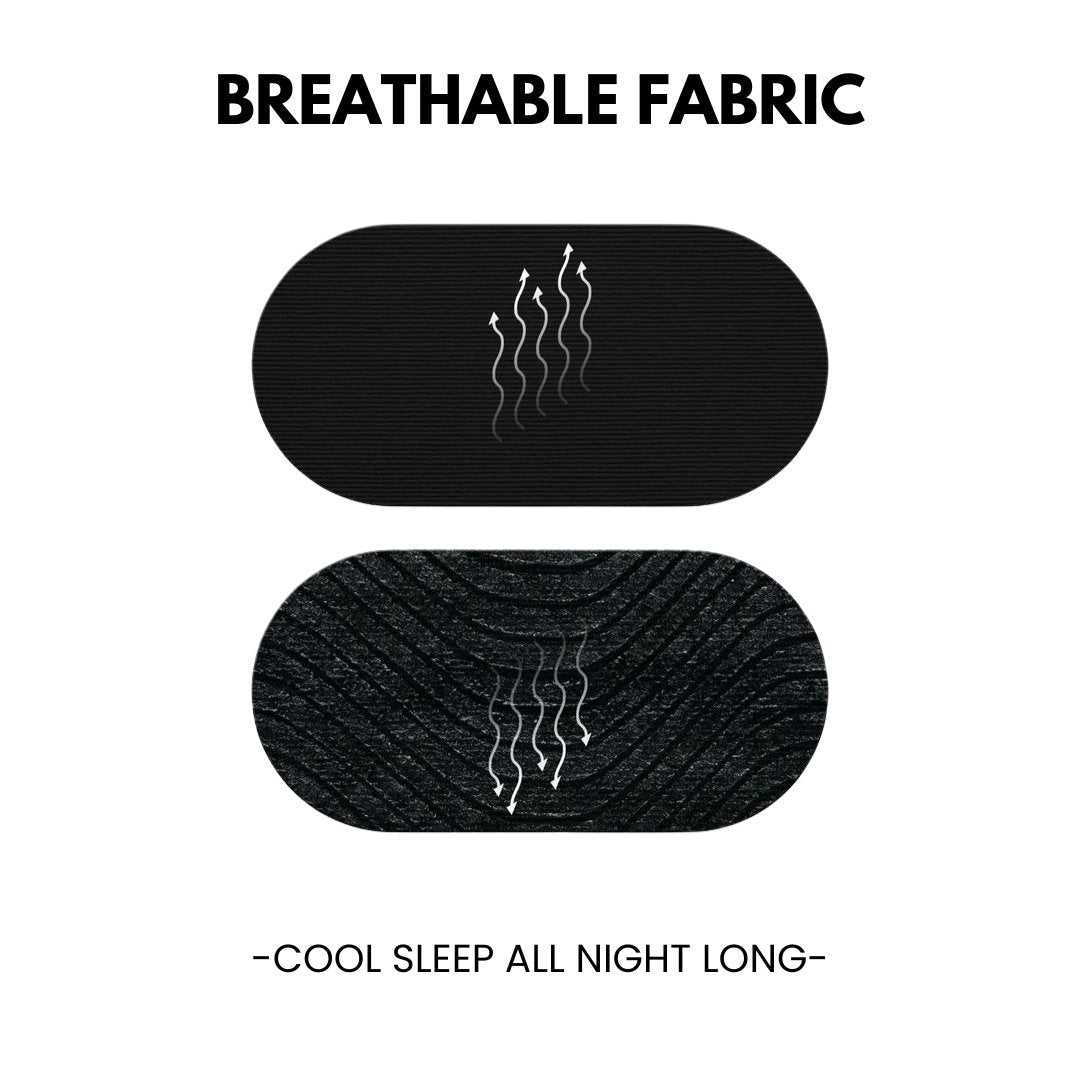
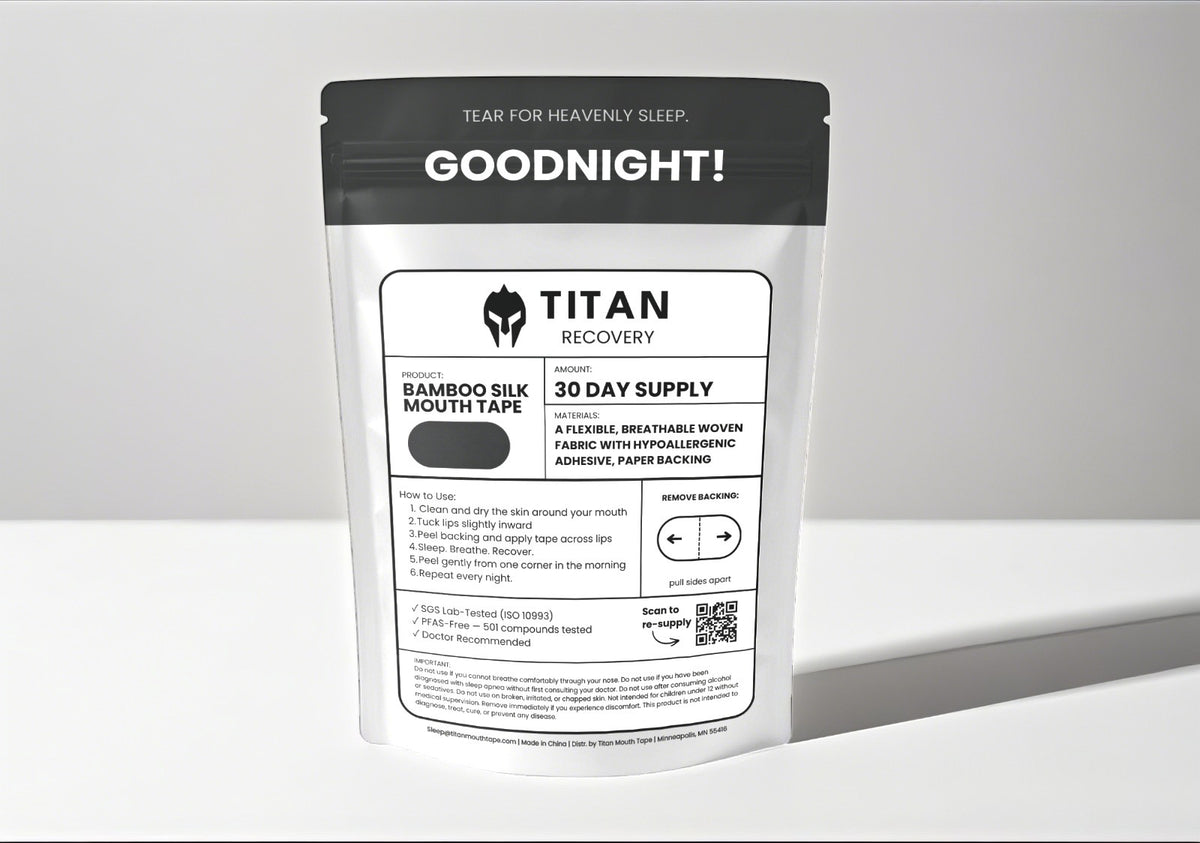
What actually fixes it. A beard-friendly tape does two things at once: it uses a flexible material that conforms to the uneven surface of a beard, and an adhesive strong enough to grip the skin through hair yet gentle enough to release without tugging. Titan Mouth Tape pairs a soft bamboo silk fabric with a SilkSeal adhesive designed for exactly this trade-off. For the full breakdown of tape types, see our complete guide to mouth tape for beards.
What are the benefits for bearded sleepers?
The payoff comes from nasal breathing, not from the tape itself -- so a bearded man gets the same benefits as anyone else once the seal holds.
- Less snoring. Sleeping with your mouth open lets the jaw drop and the tongue slide back, narrowing your airway -- that's the vibration you hear as snoring. A sealed mouth supports better tongue posture, which is why partners often notice quieter nights within the first week.
- Less dry mouth. When your mouth falls open overnight, air dries out your mouth and throat, leaving that sticky, parched morning feeling. Keeping your lips closed lets your nose humidify the air, so you wake up without desert mouth.
- Calmer, steadier sleep. Nasal breathing is slower and more regulated than gulping air through an open mouth. Many people find their sleep feels more settled once they stop mouth breathing all night.
- Fresher breath in the morning. A dry, open mouth overnight is a common driver of morning breath. Nasal breathing keeps the mouth moist, which helps.
If you want the mechanics in more detail, our explainer on how to start mouth taping walks through why nasal breathing does the work. The beard is incidental to all of it -- once the tape stays on, your face gets the same results as a clean-shaven one.
How do you make it comfortable overnight?
Getting a beard-friendly seal that lasts until morning is mostly about prep and placement. Follow these and the tape will hold over stubble, a short beard, or a full one.
- Clear your nose first. Mouth tape only works if you can breathe through your nose. Do a saline rinse before bed, and if you tend to stuff up lying down, add TitanAir Nasal Strips to physically open your nostrils.
- Start with clean, dry lips. Wash your face and pat the skin around your mouth completely dry. Any moisture between the tape and your skin weakens the bond instantly -- this is the single most important step.
- Skip the beard oil before bed. Oil, balm, wax, and moisturizer create a slippery barrier the adhesive can't grip. Move your beard care routine to the morning on nights you tape.
- Place it center-first. Press the middle of the strip over the center of your closed lips, then smooth outward toward the corners. This pushes out air bubbles and drives the adhesive down to the skin beneath your hair.
- Press firmly, especially the edges. Hold the tape down for 5 to 10 seconds and run a fingertip along every edge. The corners of the mouth are where a beard lifts tape first, so lock them down.
- Remove gently in the morning. Peel slowly from one corner, pulling in the direction your hair grows rather than against it. A clean-release adhesive comes off closer to a bandage than athletic tape -- no tug-of-war with your beard.
A few habits by beard length help, too:
- Stubble is the easy mode. Short hairs actually give the adhesive extra texture to grip. Just keep the area clean and dry.
- Short beards need edge pressure. Press the tape down into the hair so it contacts the skin, and spend extra time sealing the corners.
- Full beards want a focused placement. Concentrate the tape on your lips and the thin-haired skin right around them, and smooth longer hair away from the tape area before applying.
What should a bearded beginner expect the first week?
The adjustment for a bearded sleeper is the same short curve everyone goes through -- plus a night or two of dialing in your placement.
Nights 1-2 feel strange, and that's normal. You'll be aware of the tape at first, and you may wake once or find it peeled off with no memory of removing it. If it lifted, treat it as a placement lesson: cleaner, drier skin and firmer edge pressure next time. A night the tape came off is still progress.
Nights 3-4 are usually the first payoff. The novelty fades, applying the tape becomes routine, and most people notice they're waking with far less dry mouth and a calmer throat.
Nights 5-7 are when it becomes a habit. The tape disappears into your wind-down -- it goes on, the lights go off, and sleep happens. A partner may start mentioning quieter nights.
Set honest expectations: less dry mouth tends to show up first, quieter nights follow, and feeling genuinely more rested builds across the week. For a night-by-night look, read what to expect your first week of mouth taping. If you're still fighting the tape at the end of week one, it's usually a sign your nasal breathing needs more support -- not that beards and mouth tape don't mix.
Is mouth taping with a beard safe?
For most healthy adults who can breathe through their nose, gentle mouth taping is low-risk -- a beard doesn't change that. But a few situations are genuine reasons to skip it.
Don't tape over a blocked nose. If you can't move air freely through your nose because of a cold, allergies, or congestion, skip the tape until it clears. Sealing your mouth gives nasal breathing nothing to work with if the nose is blocked.
Rule out sleep apnea first. Mouth tape is a comfort aid, not a treatment for a medical breathing disorder. If you have loud chronic snoring with daytime exhaustion, or a partner has noticed you stop breathing in your sleep, talk to a doctor before taping. Those can be signs of obstructive sleep apnea, which needs proper evaluation.
Know who shouldn't use it. Certain groups should not mouth tape at all. Our guide to who should not use mouth tape lays out exactly who, and when to check with a doctor first.
Watch your skin. Faint lip marks that fade by mid-morning are normal. Lasting redness or irritation means it's time to reassess your tape or your application -- a gentle, skin-friendly adhesive is designed to avoid exactly that.
Frequently Asked Questions
Can you mouth tape with a full beard?
Yes. Focus the tape on your lips and the thinner-haired skin right around them, and smooth longer hair away from the tape area before applying. A flexible, stretch-to-fit tape with a strong-but-gentle adhesive like SilkSeal holds through a full beard when it's applied to clean, dry, oil-free skin.
What's the best mouth tape for sleeping with a beard?
Look for a soft, flexible material like bamboo silk that conforms to facial contours, paired with an adhesive built to grip through hair and release cleanly. Avoid rigid plastic strips and cheap medical tape. Titan Mouth Tape was designed with beards in mind and holds across stubble, short beards, and full beards. See our best mouth tape for beards breakdown for a side-by-side.
Does mouth tape pull out beard hair?
A cheap, aggressive adhesive can grab individual hairs on removal. A quality beard-friendly tape bonds to the skin rather than the hair, so it releases without tugging. Peel slowly from one corner in the direction your hair grows for the smoothest removal.
Should I apply beard oil before mouth taping?
No. Beard oil, balm, wax, and moisturizer leave an oily film that stops the adhesive from sticking. On nights you tape, move your beard grooming to the morning so you go to bed with clean, dry skin.
Do bearded men get the same benefits from mouth tape?
Yes. The benefits -- less snoring, less dry mouth, calmer sleep -- come from the nasal breathing that a sealed mouth encourages, not from the tape or your face. Once the tape stays on, a bearded sleeper gets the same results as a clean-shaven one.
The Bottom Line
Mouth tape works with a beard. The sleep benefits carry over unchanged -- less snoring, less dry mouth, calmer nights -- because they come from nasal breathing, not from your face. The only thing a beard adds is an adhesion challenge, and a beard-friendly tape solves it: apply it to clean, dry, oil-free skin, press the edges firmly, and peel gently in the morning.
Use a soft, flexible tape like Titan Mouth Tape with its bamboo silk material and SilkSeal beard-friendly adhesive for a seal that holds all night and comes off clean. Add TitanAir Nasal Strips -- together they're the Deep Sleep Bundle -- for the first week if congestion is your weak spot. Skip the tape when your nose is blocked, and see a doctor first if you have signs of sleep apnea. Otherwise, give it a full week before you decide.
Doctor Recommended: "As a maxillofacial surgeon and dentist, I recommend Titan Mouth Tape. Nasal breathing during sleep is essential for airway health and deep restorative rest. Titan's bamboo silk design is the most comfortable and effective mouth tape I have tested. If you struggle with snoring, dry mouth, or poor sleep quality, this is the simplest change you can make for your health." — Dr. Francois P., MD, DDS — Maxillofacial Surgeon
Lab-Tested Safety: Titan's adhesive is independently tested to ISO 10993 medical device standards. Non-toxic (95% cell viability). Non-allergenic (0% reaction rate). Non-irritating (score 0.0/8.0). PFAS-free — 501 compounds tested, zero detected. See full test results →
Try the complete system tonight. Titan Mouth Tape (bamboo silk, SilkSeal™ adhesive) + TitanAir Nasal Strips. Free shipping. 30-night Better Sleep Guarantee. Shop Titan Mouth Tape → · Shop TitanAir Nasal Strips →