How to Use Mouth Tape With a Beard or Mustache

Share
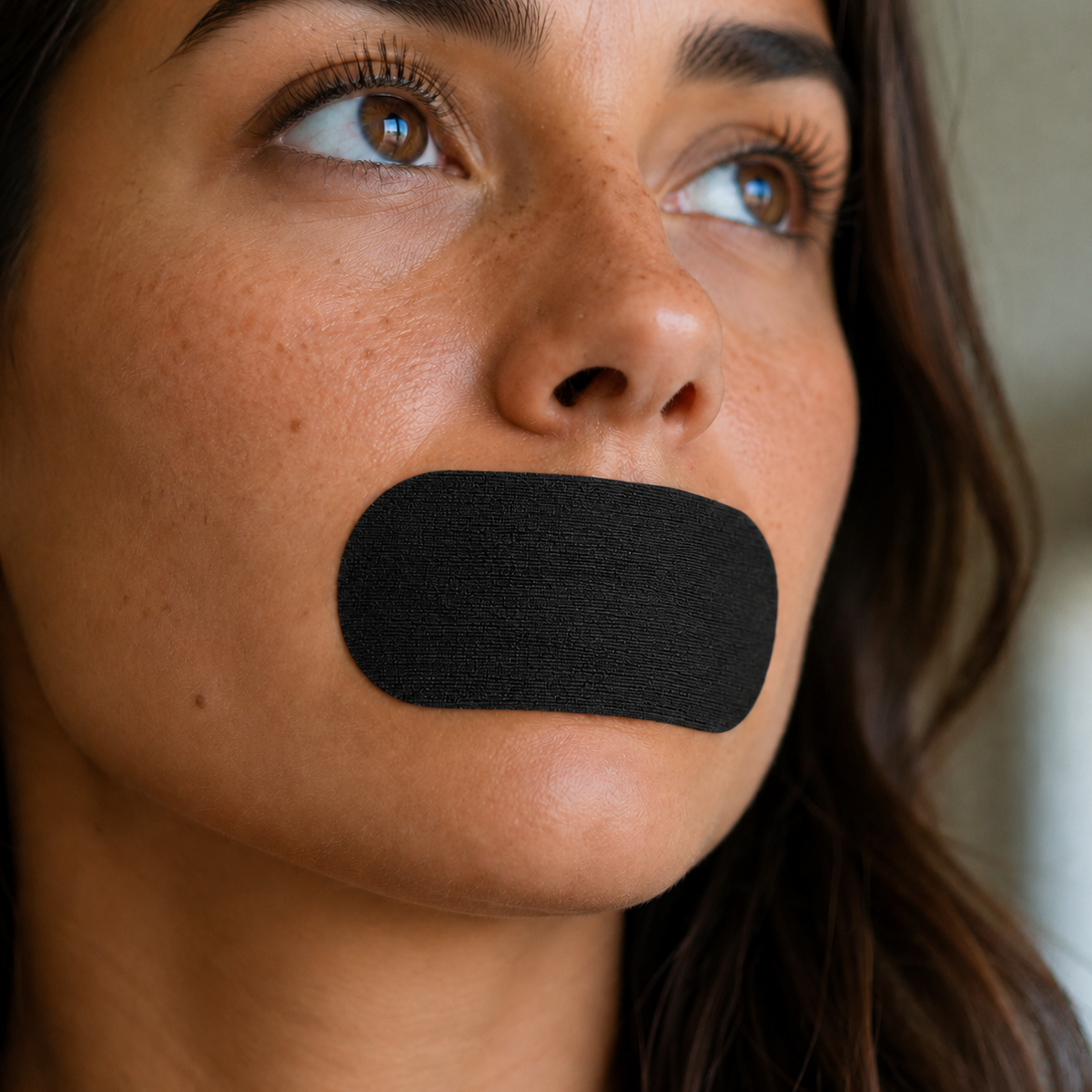
You've heard that mouth tape can improve your sleep, reduce snoring, and keep you breathing through your nose all night. You've also got a beard. And the first thing that comes to mind is ripping tape off your facial hair in the morning. That mental image alone stops a lot of guys from ever trying mouth taping — and it's understandable. Nobody wants to start their day with a DIY waxing session.
Here's the good news: mouth tape with a beard is absolutely doable, and it doesn't have to involve painful removal or tape that won't stay on. The key is understanding where to place the tape and what type of adhesive to use. With the right approach, guys with full beards, goatees, mustaches, and everything in between can mouth tape comfortably every night.
Why Beards Make Mouth Taping Harder
The issue isn't complicated. Adhesive is designed to bond to skin. When you place tape on hair instead of skin, two things go wrong.
The tape doesn't stick well. Hair creates an uneven, unstable surface. The adhesive grips individual hairs rather than forming a continuous bond with the skin underneath. This means significantly less holding force, and the tape is more likely to peel away during the night as you move, change positions, or relax your jaw during deep sleep.
Removal hurts. When adhesive does grip hair, removing the tape pulls the hair. Facial hair is rooted in sensitive skin, and the pulling sensation ranges from mildly annoying with fine hairs to genuinely painful with coarse beard hair. Repeat this every morning and it goes from inconvenience to deterrent. Some guys also experience ingrown hairs or follicle irritation from repeated tape-and-pull cycles on bearded skin.
These are real problems, but they're problems of technique, not fundamental incompatibility. The solution isn't to abandon mouth taping — it's to apply the tape where beard hair isn't.
The Anatomy of Placement: Where to Put the Tape
Look at your face in the mirror. Regardless of your beard style, there are areas around your mouth that are either hair-free or have minimal coverage:
- The lips themselves. Your lips are smooth, hairless skin. This is the primary landing zone for mouth tape, whether you have a beard or not. The adhesive bonds directly to the lip surface with full contact and no hair interference.
- The philtrum. The vertical groove between your nose and upper lip. Even men with full mustaches often have minimal hair growth in this narrow channel, especially in the center. This is the anchor point for vertical strip application.
- The strip of skin just below the lower lip. The area between the lower lip and the chin — sometimes called the mentolabial sulcus — often has thinner hair growth than the chin and jaw. On many men, it's nearly bare.
The principle is simple: place the tape so the adhesive contacts these smoother areas, and avoid the thickly bearded zones on the cheeks, jaw, and chin.
The Best Application Method for Facial Hair
The vertical strip method is the go-to for men with beards and mustaches. Here's why it works and exactly how to do it.
Step 1: Prep the landing zone. Wash the area around your lips with water. You don't need to wash your entire beard — just the lips, the philtrum, and the strip below the lower lip. Pat these areas completely dry. No lip balm, no beard oil on the lips (more on this below).
Step 2: Apply the tape vertically. Take a single strip and place the top edge just below the base of your nose, centered in the philtrum. Smooth the tape straight down over the center of your upper lip, across the lip seal, and down over the center of your lower lip. The bottom edge should land on that strip of skin just below your lower lip — above where the thick chin hair starts.
Step 3: Press firmly for ten seconds. Start at the center of the lips where the seal matters most, then press along the full length of the strip. This activates the adhesive and creates a secure bond with the lip surface.
The vertical method is effective for beards because the tape's adhesive contact is almost entirely on the lip surfaces and the two small patches of smoother skin above and below. It avoids the bearded areas on the sides of the face entirely. The corners of the mouth remain uncovered, which also means no adhesive on the mustache hair at the sides of the upper lip.
If you want more coverage than a vertical strip provides, the X-pattern method can work — the strips cross at the center of the lips and the diagonal ends land closer to the lip line than a full horizontal seal would. But for most bearded users, the vertical strip is the simplest, most comfortable starting point.
The Beard Oil Problem
Beard oil is to mouth tape adhesion what lip balm is to everyone else — the silent saboteur. Most beard oils use carrier oils like jojoba, argan, or coconut oil. When you apply oil to your beard, it doesn't stay only on the hair. It migrates to the skin underneath and adjacent to the lips, creating a thin film on the surfaces where the tape needs to bond.
The fix: Apply beard oil earlier in the day or well before bed, and wash the lip area specifically before taping. The rest of your beard can stay oiled — just make sure the taping zone is clean and dry. Beard balm is the same story. Keep the products on the beard, off the lips.
Dealing With a Mustache
Mustaches present a slightly different challenge than beards because the hair sits directly above the upper lip — right where a horizontal strip of tape would land. Here's how to handle different mustache styles:
Trimmed or short mustache: A vertical strip works perfectly. The tape lands on the center of the philtrum, which typically has the least hair growth, and the adhesive contacts mostly lip surface.
Full or handlebar mustache: Horizontal tape is impractical — it would sit entirely on hair. Use the vertical method and focus the top anchor in the center of the philtrum, where hair density is lowest. If your mustache covers even that area, trim a small landing zone the width of the tape strip, or skip the upper anchor and apply only on the lips and lower lip area.
Stubble on the upper lip: Light stubble is often more problematic than a longer mustache because the short, stiff hairs prevent close skin contact without being long enough to lie flat. A clean shave of just the area directly around the lip line gives the tape a smooth surface — you don't need to shave the whole face.
Choosing the Right Tape for Facial Hair
Two adhesive properties matter more for bearded users than for anyone else: holding strength and release gentleness. You need the tape to stick firmly to the lip surface all night long, but you also need it to release without yanking on any hair it does contact.
Aggressive adhesives — like you'd find on athletic tape or surgical tape — will hold to anything, including beard hair. And they'll pull that hair out when you remove them. That's the wrong solution. The answer isn't maximum adhesive strength; it's a clean bond to skin combined with a gentle release profile.
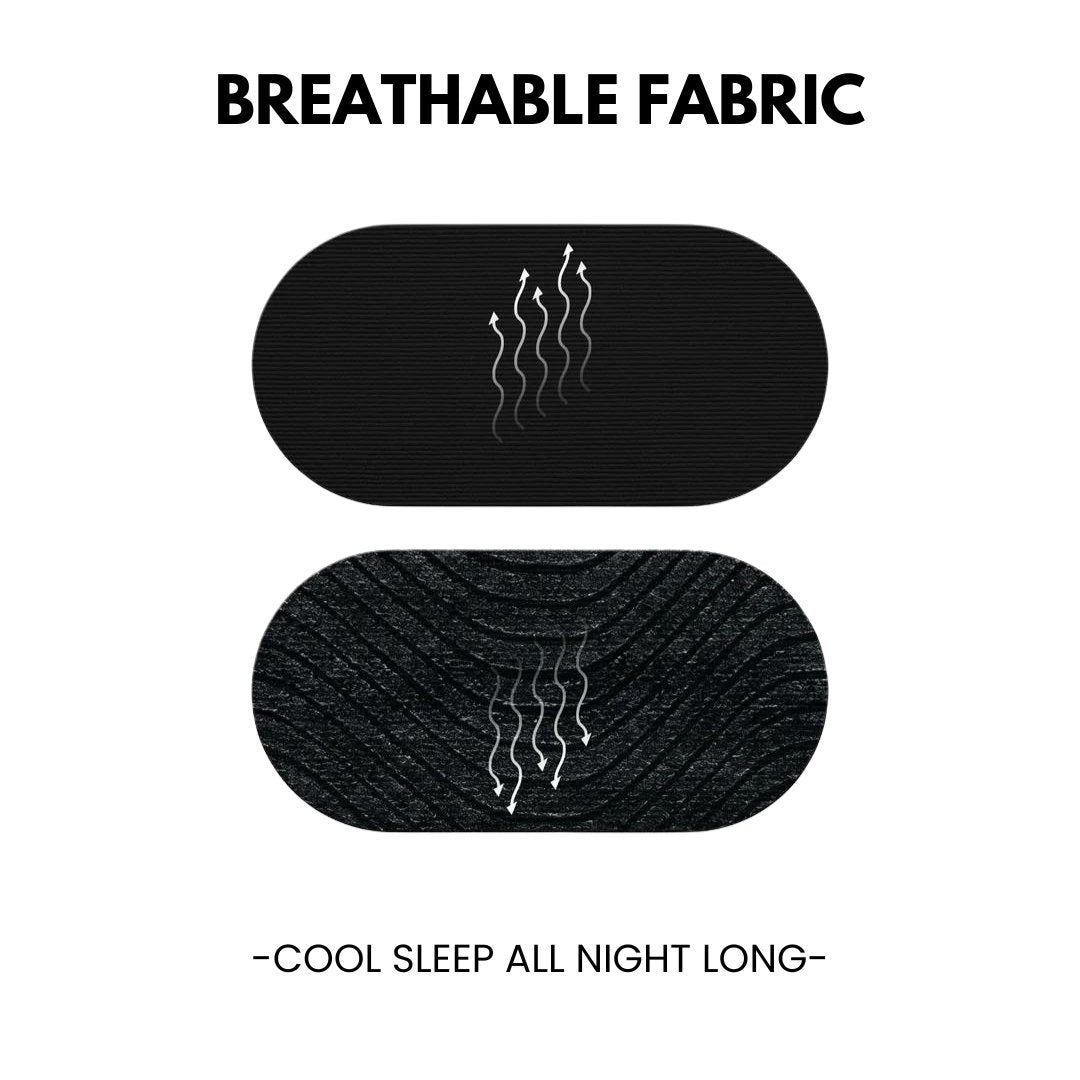
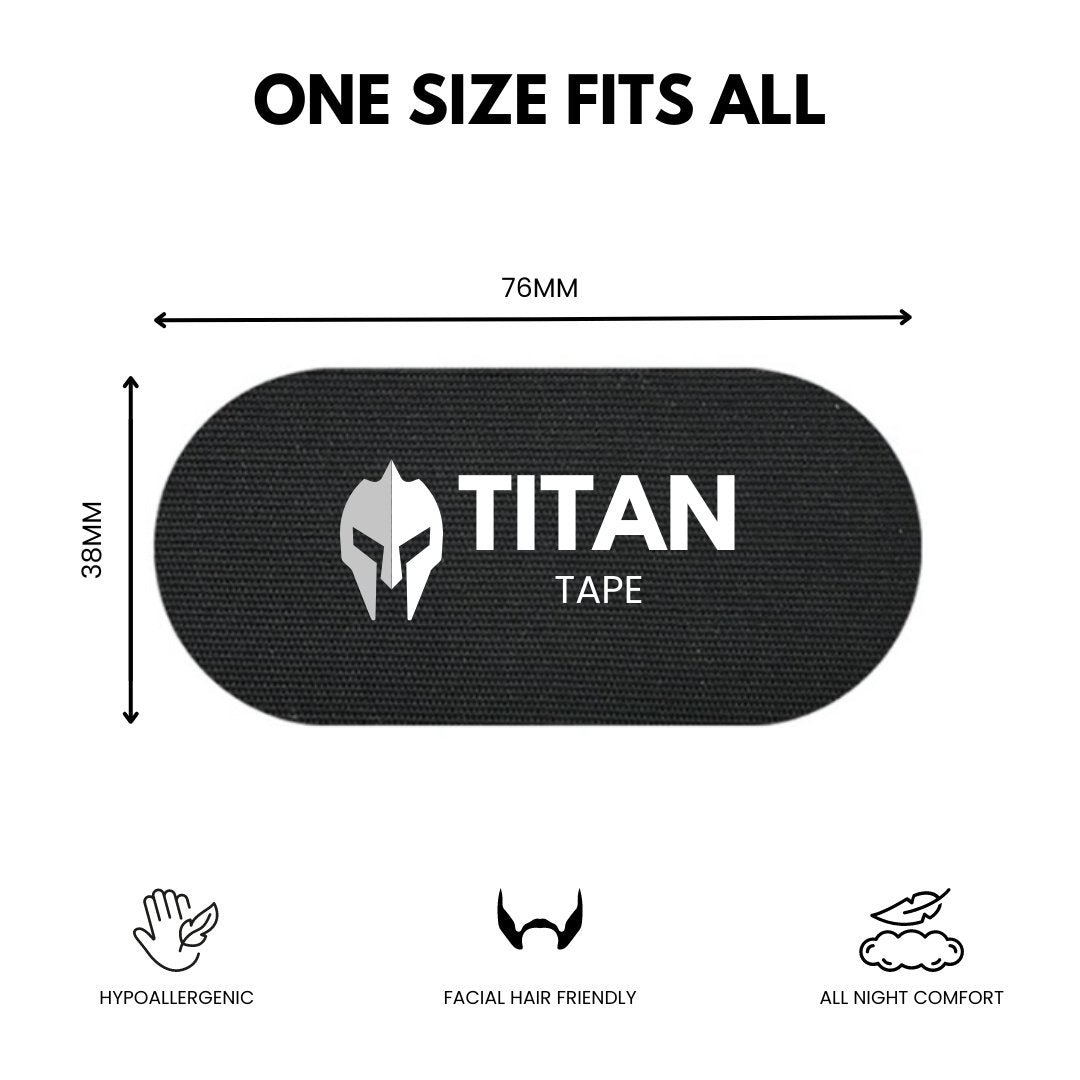
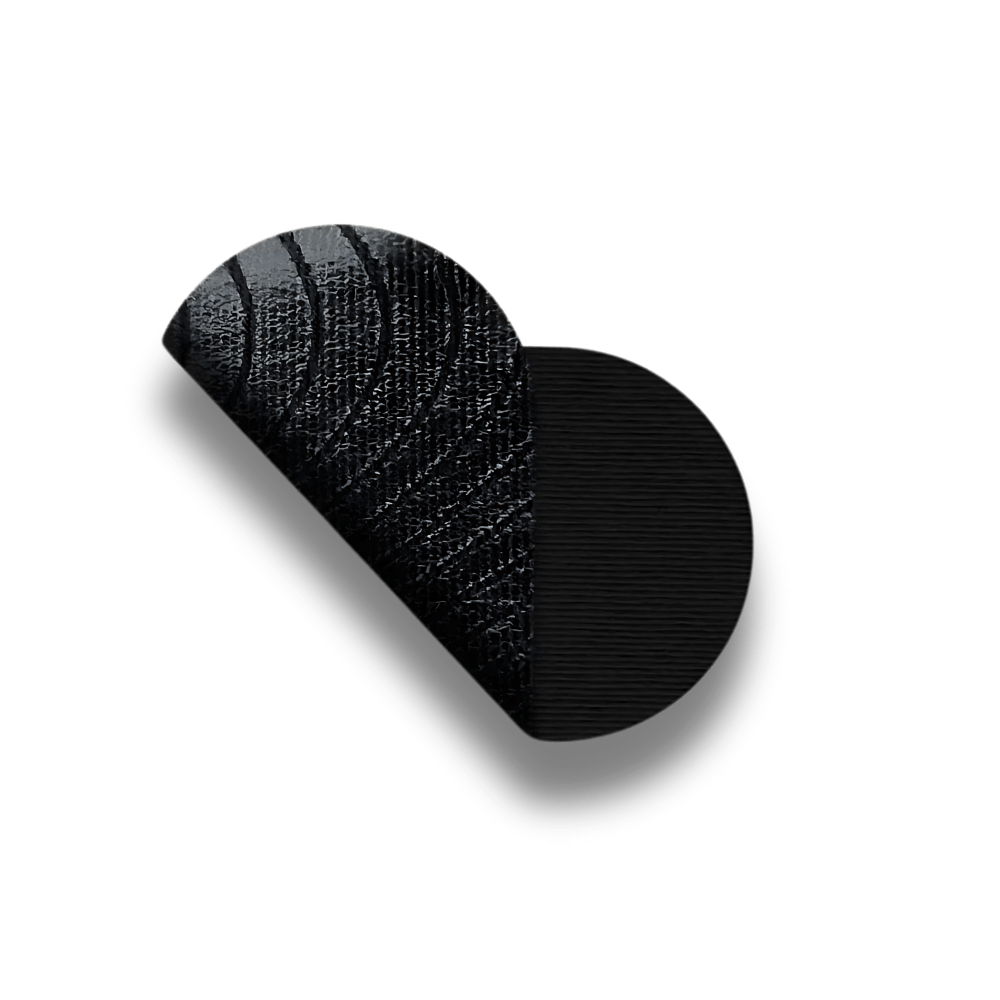
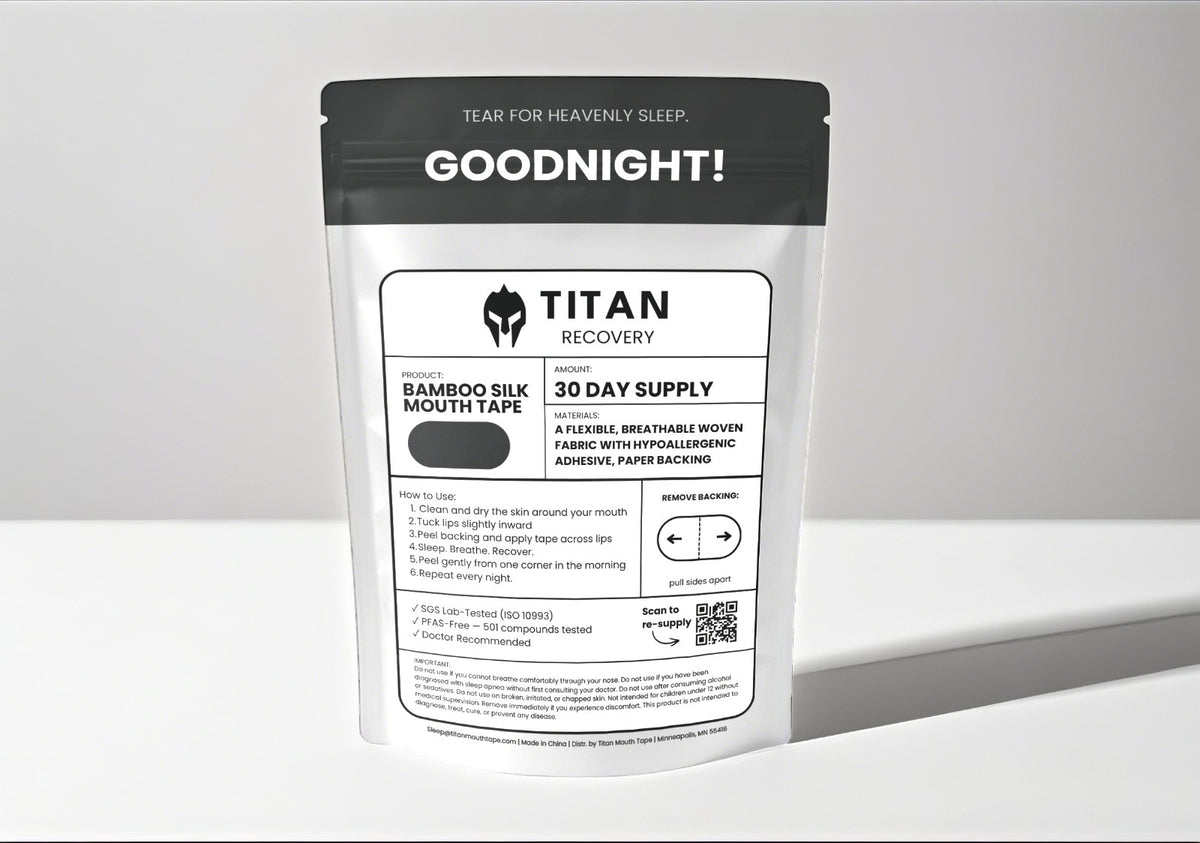
Titan Mouth Tape uses a bamboo silk fabric with a medical-grade adhesive that's designed for this exact balance. The adhesive bonds securely to clean skin — strong enough to hold all night through position changes — but releases gently from both skin and hair without the ripping sensation that comes with industrial-grade adhesives. It's hypoallergenic and tested for sensitive skin, which matters for the facial skin under and around a beard that's already dealing with the friction and irritation that facial hair can cause.
Removal Tips for Bearded Users
Even with the right tape and placement, technique matters in the morning. Start at one end of the strip and peel slowly toward the other, keeping the tape close to the skin at a low angle. If the tape edge contacts any facial hair, pull in the direction the hair grows — downward for chin and upper lip — to minimize snagging. If a section feels stuck, press a warm, damp cloth against it for a few seconds to soften the adhesive. And if you feel resistance from hair, stop, reposition your pull angle, and continue slowly rather than fighting it.
The Bottom Line
Having a beard or mustache isn't a reason to skip mouth taping. It's a reason to be more deliberate about your technique. Use a vertical strip placed on the lips and adjacent smooth skin. Keep the taping zone clean and free of beard oil. Choose a tape with a gentle adhesive that bonds to skin without destroying hair during removal. And peel slowly in the morning.
The benefits of nasal breathing during sleep — reduced snoring, better sleep quality, improved oral health, and more — don't disappear because you have facial hair. You just need the right approach. Try the Titan Deep Sleep Bundle with the vertical strip method tonight and see how straightforward it actually is.
Doctor Recommended: “As a maxillofacial surgeon and dentist, I recommend Titan Mouth Tape. Nasal breathing during sleep is essential for airway health and deep restorative rest. Titan’s bamboo silk design is the most comfortable and effective mouth tape I have tested. If you struggle with snoring, dry mouth, or poor sleep quality, this is the simplest change you can make for your health.” — Dr. Francois Proux, MD, DDS — Maxillofacial Surgeon
Lab-Tested Safety: Titan’s SilkSeal™ adhesive is independently tested to ISO 10993 medical device standards. Non-toxic (95% cell viability). Non-allergenic (0% reaction rate). Non-irritating (score 0.0/8.0). PFAS-free — 501 compounds tested, zero detected. See full test results →
Try it tonight. Bamboo silk. SilkSeal™ adhesive. Beard-friendly. No logo on the tape. Free shipping. 30-night Better Sleep Guarantee. Shop Titan Mouth Tape → · Shop TitanAir →