Should You Practice Mouth Taping During the Day?
Share
Yes, practicing mouth taping during the day is one of the best things you can do before your first overnight session. Daytime practice lets you get comfortable with the sensation, verify that you can breathe through your nose, and build the confidence that makes nighttime use feel routine instead of anxiety-inducing.
Most people who struggle with mouth tape at night aren't struggling because the tape doesn't work -- they're struggling because the sensation is unfamiliar, and unfamiliar things feel threatening when you're half-asleep. Daytime practice removes that variable. You experience the tape while fully conscious and in control. By the time you go to bed with it, your brain already has data that says "this is fine."
Why Daytime Practice Works
The biggest barrier to mouth taping isn't physical -- it's psychological. Your brain has to learn that having your lips sealed is safe, and it learns that lesson faster when you're awake.
Here's what daytime practice accomplishes:
- Sensation familiarity. The first time you put tape on your lips, it feels strange. The second time, less so. By the fifth time, you barely notice it. Getting those repetitions in while awake means you skip the "this feels weird" phase before bed.
- Nasal breathing confirmation. Wearing tape during the day lets you verify in real time that your nose provides enough airflow. You can walk around, do light activity, and prove to yourself that breathing through your nose is adequate. That evidence matters when you're lying in the dark wondering if you can breathe.
- Skin test. If your skin is going to react to the adhesive, better to find out during the day when you can remove the tape, wash the area, and assess the reaction. Hypoallergenic medical-grade adhesives rarely cause reactions, but everyone's skin is different, and a daytime test is the responsible way to check.
- Anxiety reduction. For people with any degree of claustrophobia or general anxiety about mouth taping, daytime practice is essential. It builds a library of positive experiences that your nervous system can reference during sleep.
How to Practice: A Simple Progression
You don't need a complicated protocol. The goal is gradual exposure that builds comfort without pushing past your tolerance.
Session 1: 15-30 minutes, seated and relaxed
Apply a strip of Titan Mouth Tape and sit down with something to watch or read. Don't focus on the tape -- focus on whatever you're doing. The point is to let the tape become background rather than the center of attention.
Breathe normally through your nose. If you feel the urge to remove the tape, note the urge, take a slow breath through your nose, and see if the urge passes. It usually does within a few seconds. If it doesn't, remove the tape and try again later. No pressure.
Session 2: 30-60 minutes, light activity
Wear the tape while doing household activities -- cooking, cleaning, folding laundry. Moving around adds normalcy: you're going about your life while the tape happens to be there. This also confirms that mild exertion doesn't change your breathing comfort. If you can walk around and climb stairs while breathing through your nose with tape on, nighttime breathing will be more than adequate.
Session 3: A daytime nap
This bridges awake practice and overnight use. Apply the tape and take a 20-30 minute nap. Naps involve lighter sleep, so you're more aware of the tape than during deep nighttime sleep -- if you can nap with it, you can sleep with it. If you wake up and remove it, that's fine. Try again next nap. Most people who panic on overnight night one have zero issues napping after a few daytime sessions.
Session 4: Full overnight use
After 2-3 daytime sessions and at least one successful nap, you're ready for a full night. By this point, you know what the tape feels like, you've confirmed your nasal breathing is sufficient, and your brain has no reason to flag it as a threat. Follow proper application technique and go to sleep.
If you want extra reassurance on your first night, pair the mouth tape with nasal strips to maximize nasal airflow. The combination eliminates the most common source of nighttime discomfort -- mild nasal restriction that triggers the urge to mouth breathe.
Tips for Better Daytime Practice
Don't announce it. You don't need to tell your household that you're practicing mouth taping. If you make it a thing, it becomes a thing. Just put the tape on and go about your day. If someone asks, you're trying something for sleep. Keep it low-key.
Start with a vertical strip. If a full horizontal seal feels like too much on day one, place a single vertical strip from just above your upper lip to just below your lower lip. This keeps the center sealed while leaving the corners of your mouth open. It's enough to start building comfort without feeling fully sealed. Different application methods serve different comfort levels.
Clean, dry lips first. Even for practice sessions, applying to clean, dry skin gives you the real experience. If the tape slides around because of lip balm or food residue, you're not getting an accurate preview of how it feels at night.
Notice your breathing pattern. Pay attention to how you breathe with the tape on. Many people discover that they're habitual mouth breathers during the day, too -- opening their mouth slightly while scrolling their phone, watching TV, or working at a computer. The tape makes you aware of a pattern you didn't know you had.
Daytime Mouth Taping During Exercise
This goes beyond beginner practice, but it's worth knowing about. Nasal breathing during low-to-moderate intensity workouts has been studied for its effects on oxygen efficiency and carbon dioxide tolerance, and some athletes use mouth tape during warm-ups, walks, yoga, or easy runs to train the pattern.
Walking, hiking, and yoga are fully manageable with tape for most people. Easy running and cycling work at conversational pace -- if you can't sustain nasal breathing at your pace, slow down or remove the tape. Skip it during heavy lifting, where you need unrestricted breathing for bracing and safety.
The rule: if you have to fight to breathe through your nose, remove the tape. Exercise mouth taping trains a pattern at comfortable intensities -- it's not about forcing nasal breathing during maximal effort. The benefits of nasal breathing -- air filtration, humidification, nitric oxide production -- apply during exercise just as they do during sleep.
The Psychological Benefit of Practice
In behavioral psychology, systematic desensitization means gradually exposing yourself to something anxiety-provoking in a controlled environment until the response fades. Daytime mouth tape practice is a self-guided version of exactly that. Each positive experience builds a mental record your brain references during sleep, and after enough data points, the threat detection system stops flagging the tape.
This is why skipping daytime practice and going straight to overnight use leads to a higher rate of nighttime panic. You're asking your nervous system to accept something new during its most vulnerable state without giving it any proof the new thing is safe. If you've tried mouth taping at night and given up because you kept waking up and removing it, daytime practice is your re-entry point.
How Long Should You Practice Before Sleeping With It?
There's no universal timeline. Some people do one 30-minute daytime session and sleep with the tape that same night without issues. Others benefit from a full week of daytime practice before attempting overnight use.
A reasonable guideline:
- If you have no anxiety about mouth taping and just want to know what it feels like: one daytime session is enough. Apply it, wear it for 30 minutes, confirm you can breathe, and go to bed with it that night.
- If you're mildly nervous: two to three daytime sessions across a couple of days, plus one nap, before your first overnight use.
- If you have significant anxiety or claustrophobia: follow the stepped progression above over the course of a week or more. There's no deadline, and rushing defeats the purpose.
The goal isn't to hit a specific number of practice sessions. The goal is to feel genuinely comfortable -- not just tolerating the tape, but barely noticing it. When you reach that point during the day, you're ready for night.
The Bottom Line
Practicing mouth taping during the day is the simplest, most effective way to ensure your first night goes well. It removes the unfamiliarity that causes panic, confirms your nasal breathing is sufficient, tests the adhesive on your skin, and builds the psychological comfort that makes overnight use feel routine.
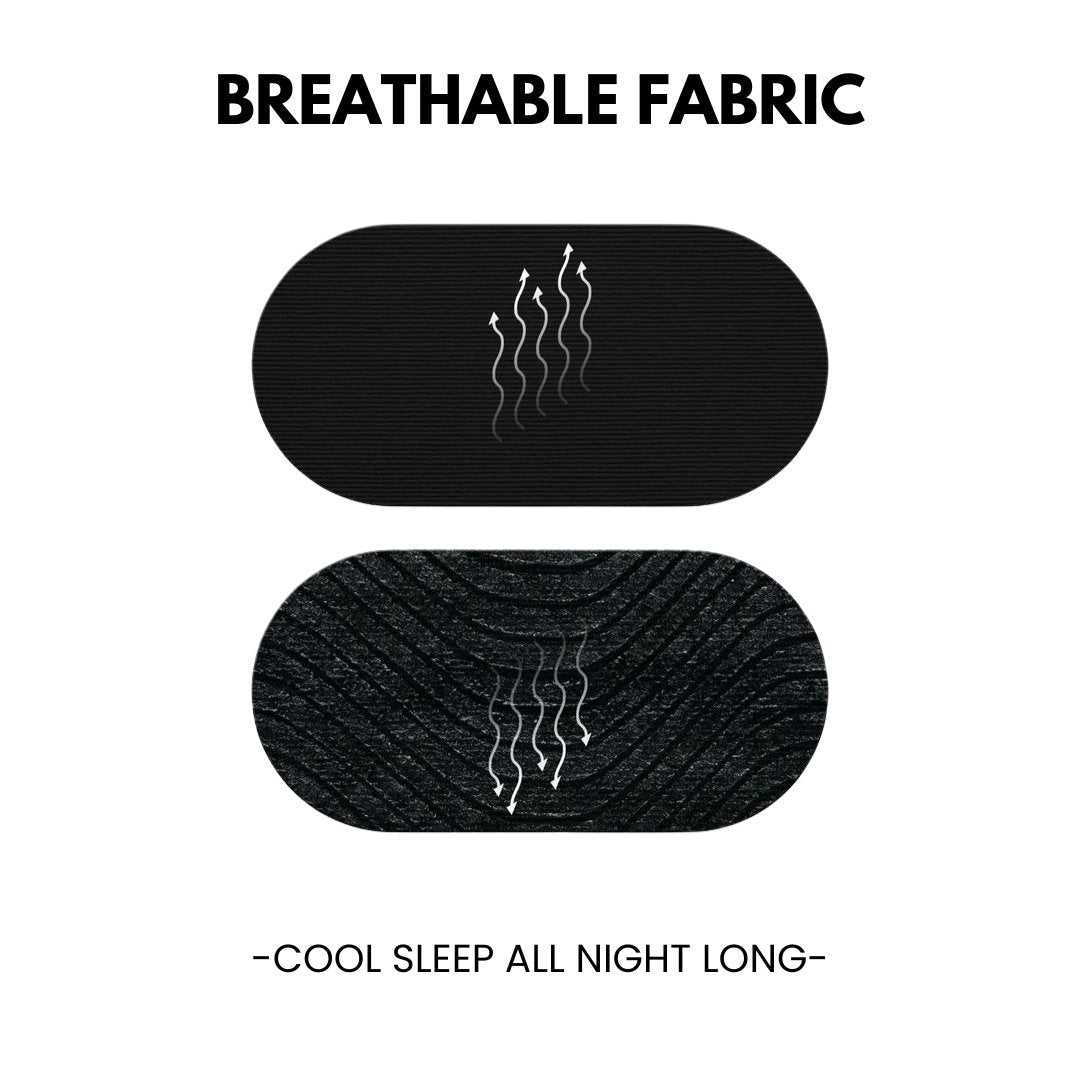
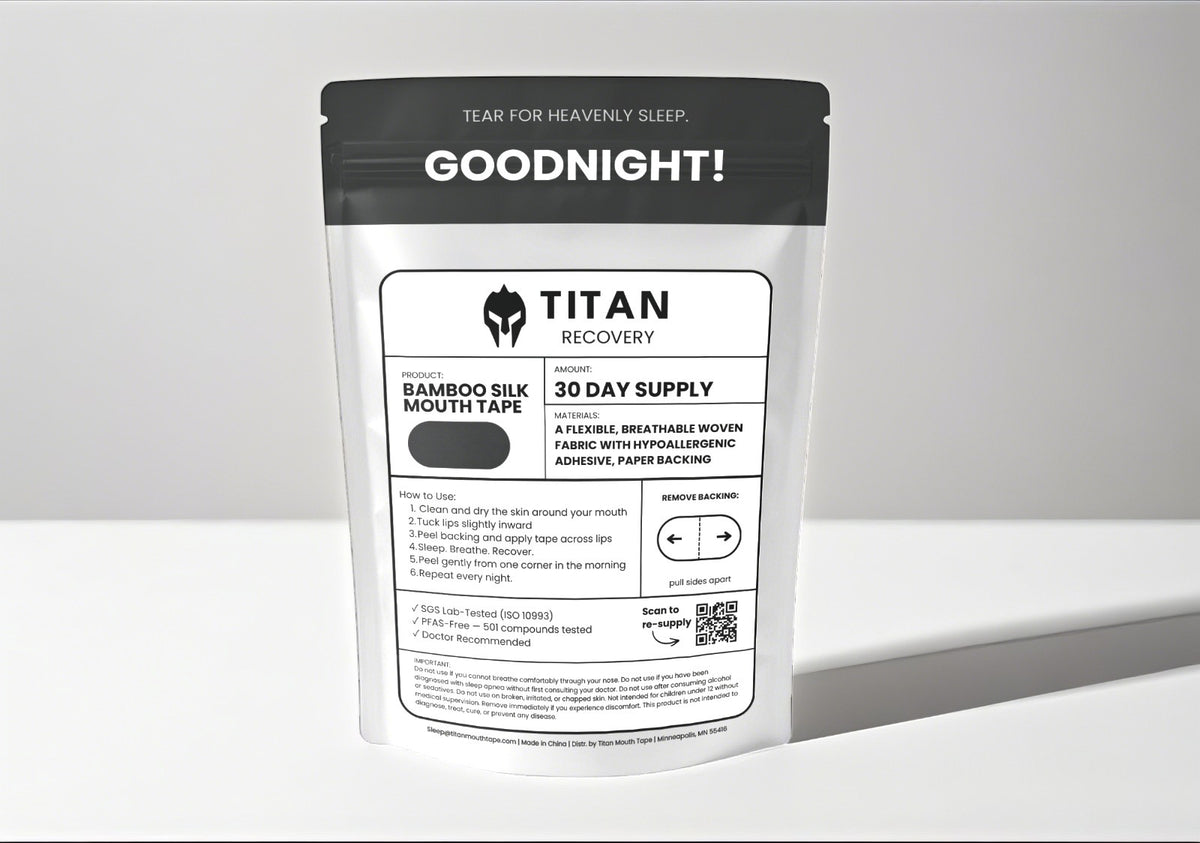
Start with 15-30 minutes while doing something you enjoy. Work up to an hour, try a nap, and then transition to overnight use. The whole progression can happen in a few days or a couple of weeks -- whatever pace makes it feel easy. Titan Mouth Tape is designed for exactly this kind of gradual introduction: gentle adhesive that holds without pulling, breathable bamboo silk that doesn't feel suffocating, and a clean removal that leaves no residue whether you wear it for 20 minutes or 8 hours.
Doctor Recommended: “As a maxillofacial surgeon and dentist, I recommend Titan Mouth Tape. Nasal breathing during sleep is essential for airway health and deep restorative rest. Titan’s bamboo silk design is the most comfortable and effective mouth tape I have tested. If you struggle with snoring, dry mouth, or poor sleep quality, this is the simplest change you can make for your health.” — Dr. Francois P., MD, DDS — Maxillofacial Surgeon
Lab-Tested Safety: Titan’s SilkSeal™ adhesive is independently tested to ISO 10993 medical device standards. Non-toxic (95% cell viability). Non-allergenic (0% reaction rate). Non-irritating (score 0.0/8.0). PFAS-free — 501 compounds tested, zero detected. See full test results →
Try it tonight. Bamboo silk. SilkSeal™ adhesive. Beard-friendly. No logo on the tape. Free shipping. 30-night Better Sleep Guarantee. Shop Titan Mouth Tape → · Shop TitanAir →