Eating Before Bed and Sleep Quality
Share
You already know that eating a huge plate of nachos at 11 PM probably isn't doing your sleep any favors. But the reasons go deeper than just feeling uncomfortably full. Eating before bed — specifically within two to three hours of lying down — forces your metabolism to stay elevated during a window when your body needs to downshift. Your core temperature stays high. Insulin is still circulating. Your digestive system is working hard instead of winding down. And if acid reflux enters the picture, you're looking at a chain reaction that leads to dry mouth, throat irritation, and fragmented sleep.
None of this means you need to starve yourself after 6 PM. The timing, the amount, and the type of food all matter. Here's what actually happens when you eat late, what to avoid, what's fine, and how to handle the nights when a late meal is unavoidable.
What Happens When You Eat Too Close to Bedtime
Digestion raises your core temperature. Your body generates heat when it breaks down food — a process called diet-induced thermogenesis. After a large meal, your core temperature can stay elevated for two to four hours depending on the size and composition of what you ate. This is a problem because your body needs its core temperature to drop by about one to two degrees Fahrenheit to initiate sleep. When your thermostat is running hot from digestion, falling asleep takes longer and your early sleep cycles are shallower than they should be.
Insulin response keeps you alert. Eating triggers insulin release, and insulin activity signals metabolic work — the opposite of the wind-down state your body needs for sleep onset. High-carb and high-sugar meals cause the sharpest insulin spikes, but any substantial meal triggers some degree of metabolic activation. Your nervous system interprets this as a reason to stay awake and active, not shut down for the night.
Your digestive system competes with sleep processes. Digesting a meal requires blood flow to the gut, muscular contractions in the stomach and intestines, and enzyme production from the pancreas and liver. These are active, energy-consuming processes. During normal sleep, your body redirects resources toward repair, memory consolidation, and immune function. When digestion is still running, those restorative processes get fewer resources. You might log eight hours in bed but wake up feeling like you got six.
Sympathetic nervous system stays engaged. Active digestion keeps your sympathetic nervous system — the "fight or flight" branch — slightly activated. Sleep onset and deep sleep depend on a shift toward parasympathetic dominance, the "rest and digest" state. Ironically, the "digest" part of that phrase requires a transition period. Your body can't fully relax into parasympathetic mode while it's still processing a large meal.
The Acid Reflux Connection
This is where late night eating and sleep quality gets worse than just poor timing. When you lie down with a full stomach, gravity stops helping keep stomach acid where it belongs. The lower esophageal sphincter — the valve between your esophagus and stomach — has to fight against a stomach full of food and acid pressing upward. Even people who don't experience reflux during the day can develop nocturnal reflux simply because of the position change.
Acid irritates your throat and airway. When stomach acid reaches the esophagus and throat, it causes inflammation and swelling in the tissue. Your body responds by producing more mucus to protect the lining. This combination — swollen tissue plus extra mucus — increases airway resistance and makes nasal breathing harder. Your body's fallback is to open the mouth and breathe through the path of least resistance.
Reflux promotes mouth breathing. The irritation and mucus production from acid reflux can trigger coughing, throat clearing, and the reflexive opening of the mouth during sleep. Once your mouth opens, you're breathing unfiltered, unhumidified air directly through the oral airway. This dries out the mouth and throat, compounds the irritation from the reflux, and fragments your sleep further. Many people who wake up with a dry mouth don't realize that a late dinner is the upstream cause.
The cycle compounds. Reflux causes mouth breathing. Mouth breathing dries the throat. A dry, irritated throat triggers more coughing and micro-awakenings. You shift position, which can move more acid up the esophagus. Each disruption pulls you out of deep sleep and into lighter stages, reducing the restorative quality of the entire night.
Foods That Are Worst Before Bed
Not all foods are equally disruptive. Some are particularly bad at increasing reflux risk, elevating core temperature, or spiking insulin right when your body needs the opposite.
Heavy, fatty meals. Fat slows gastric emptying, which means food sits in your stomach longer. A burger, pizza, or anything deep-fried will keep your digestive system running for hours after you eat. Fat also relaxes the lower esophageal sphincter, making reflux more likely. This is the worst combination — food that stays in the stomach a long time and a valve that's not holding it in properly.
Spicy food. Capsaicin and other compounds in spicy food can directly irritate the esophageal lining and increase acid production. Spicy meals also raise core body temperature through thermogenesis, which works against the temperature drop your body needs for sleep onset.
Large portions of anything. Volume matters regardless of food quality. A large meal — even a relatively healthy one — takes longer to digest, keeps core temperature elevated longer, and puts more pressure on the lower esophageal sphincter when you lie down. The simple mechanical pressure of a full stomach pushing against that valve is often enough to trigger reflux.
High-sugar foods and refined carbs. These cause rapid insulin spikes followed by blood sugar crashes, which can trigger cortisol release in the middle of the night. That cortisol spike wakes you up — sometimes fully, sometimes just enough to pull you out of deep sleep without your conscious awareness. Either way, your sleep quality suffers.
Alcohol. People often pair late meals with a drink, and alcohol deserves mention here. It relaxes the lower esophageal sphincter (increasing reflux risk), disrupts sleep architecture in the second half of the night, and suppresses REM sleep. A late meal with alcohol is one of the most reliably disruptive combinations for sleep quality.
Foods That Are Actually Fine Before Bed
The goal is not to go to bed hungry — that has its own problems, including cortisol release from low blood sugar that can wake you up at 3 AM. If you need something before bed, keep it small and choose strategically.
A small protein snack. A handful of almonds, a small serving of cottage cheese, or a couple of slices of turkey. Protein is satiating without causing large insulin spikes, and small amounts don't significantly raise core temperature or overload digestion. The amino acid tryptophan in turkey and dairy products is a precursor to serotonin and melatonin, which can actually support sleep onset.
Tart cherry juice. Tart cherries are one of the few natural food sources of melatonin. A small glass of tart cherry juice (unsweetened, not the sugar-laden cocktail versions) has been studied for its effects on sleep and shown modest improvements in sleep duration and quality. Keep the serving small — four to eight ounces is enough.
Kiwi. A couple of kiwis before bed is one of the better-studied food-sleep connections. Research has shown that people who eat two kiwis about an hour before bed fall asleep faster and sleep longer. The mechanism likely involves serotonin and antioxidant content. Kiwis are also small, light, and easy to digest — they won't trigger the metabolic burden of a full meal.
Banana with a small amount of nut butter. The combination of potassium and magnesium in the banana with the protein and fat in the nut butter provides sustained satiety without a large insulin spike. Keep the portion small — one banana, a tablespoon of nut butter.
The Timing Window That Matters
The research and clinical recommendations consistently point to the same window: finish eating two to three hours before you plan to sleep. This gives your body enough time to complete the most active phase of digestion, allows your core temperature to begin dropping, and lets insulin levels return to baseline.
If your bedtime is 10:30 PM, your last substantial meal should wrap up by 7:30 to 8:30 PM. A light snack from the list above is fine closer to bedtime — we're talking about full meals here, not a handful of almonds at 9 PM.
This two-to-three-hour buffer is especially critical if you're prone to acid reflux. The upright position during those hours lets gravity keep stomach acid in the stomach. By the time you lie down, the most active phase of acid production from the meal has passed.
How Late Eating Compounds Mouth Breathing
This is where all the mechanisms converge, and it's why eating late and sleep quality has a direct connection to airway function.
When you eat late, your sympathetic nervous system stays activated from the metabolic demand. Sympathetic activation reduces parasympathetic tone, and parasympathetic control is what keeps your airway relaxed and open in a balanced way during sleep. Add acid reflux to the picture — which inflames the throat, triggers mucus production, and increases airway resistance — and you have a setup that pushes your body toward mouth breathing.
Once mouth breathing starts, the cascade is familiar: dry mouth, reduced nitric oxide production (nitric oxide is produced in the nasal passages during nasal breathing and supports oxygen absorption), lighter sleep stages, more frequent awakenings, and a morning that starts with a sore throat and the feeling that sleep didn't do its job.
The people who benefit most from fixing their meal timing are often the same people who experience unexplained nighttime mouth breathing. They've tried sleep hygiene improvements — dark room, cool temperature, consistent schedule — but haven't connected the 9 PM dinner to the 2 AM dry mouth.
What to Do If You Have to Eat Late
Real life doesn't always cooperate with ideal meal timing. Work schedules, social events, travel, and simple hunger mean that late meals happen. When they do, these adjustments minimize the damage.
Eat smaller. If you're eating within two hours of bed, cut the portion in half compared to what you'd eat earlier in the day. Enough to satisfy hunger, not enough to trigger a full digestive ramp-up.
Choose low-fat, low-acid foods. Skip the heavy, spicy, and fried options. A piece of grilled chicken with vegetables, a bowl of oatmeal, or a light soup will digest faster and produce less acid than a steak with creamy sauce.
Stay upright for as long as possible after eating. Don't eat and immediately lie down on the couch. Even sitting upright on the couch is better than lying flat. If you can manage a gentle walk after eating, that accelerates gastric emptying.
Elevate your head when you sleep. If reflux is a concern, sleeping with your head elevated four to six inches above your stomach level helps gravity keep acid down. This means elevating the head of your bed or using a wedge pillow — stacking regular pillows tends to just crane your neck without changing the angle of your esophagus relative to your stomach.
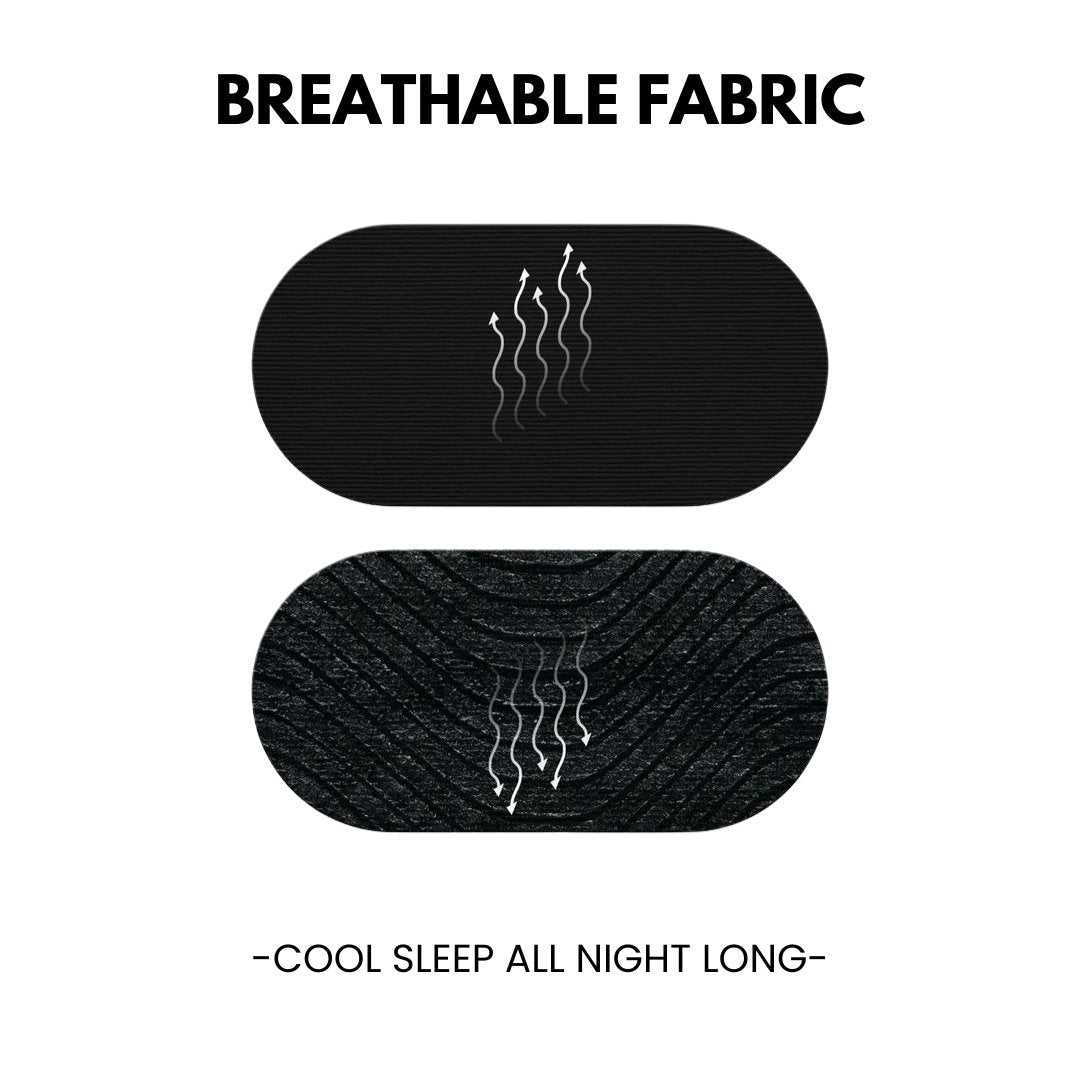
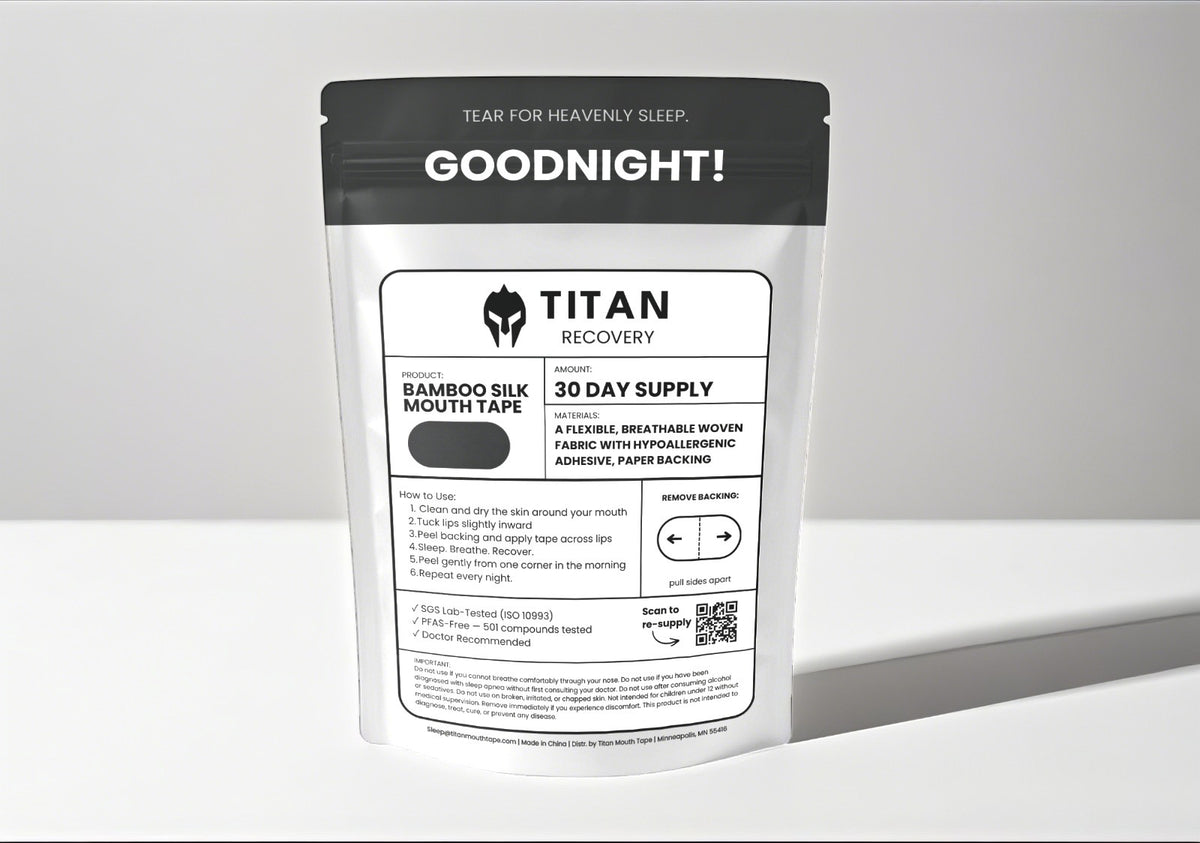
Use mouth tape. Even when you've done everything right with food timing and choices, reflux can still show up on occasion and nudge your body toward mouth breathing. Mouth tape holds your lips gently sealed, which maintains nasal breathing regardless of what's happening with digestion. Pairing it with TitanAir Nasal Strips keeps the nasal airway mechanically open so your body doesn't have a reason to switch to oral breathing even if congestion or mucus from reflux narrows the nasal passage slightly.
Frequently Asked Questions
Does eating before bed cause weight gain?
The relationship between late eating and weight gain is more about total caloric intake and food choices than the clock itself. However, eating late does disrupt sleep quality, and poor sleep independently increases hunger hormones (ghrelin rises, leptin drops) the next day, which leads to overeating. So while the late meal itself doesn't magically become more caloric after dark, the downstream effects on sleep and appetite regulation can contribute to weight gain over time.
How long before bed should I stop eating?
Two to three hours before bed for a full meal. A small, light snack — a handful of nuts, a kiwi, a small piece of fruit — is fine within that window. The key variable is meal size: the larger the meal, the more buffer time you need for digestion and core temperature to settle before sleep.
Can certain foods actually help you sleep better?
Yes, in modest ways. Tart cherry juice (a natural melatonin source), kiwi (serotonin and antioxidants), turkey and dairy (tryptophan), and foods high in magnesium like almonds and pumpkin seeds have some research support for improving sleep onset or duration. The effect is real but mild — don't expect a food to overcome poor sleep habits. Think of these as small contributors within a larger sleep improvement strategy.
Why do I wake up with a sore throat after eating late?
Nocturnal acid reflux is the most common cause. When you lie down with a full stomach, acid can travel up the esophagus and reach the throat, causing inflammation that you feel as soreness in the morning. The irritation also promotes mouth breathing during the night, which dries the throat and makes the soreness worse. Moving your last meal earlier and using mouth tape to maintain nasal breathing addresses both sides of the problem.
The Bottom Line
Does eating before bed affect sleep? Yes — through core temperature, insulin response, sympathetic activation, and acid reflux. The fix is straightforward: finish full meals two to three hours before bed, keep any later snacks small and strategic, and address the mouth breathing that reflux can trigger.
Acid reflux from late eating is one of the top causes of nighttime mouth breathing that people don't think to connect. They treat the dry mouth, the sore throat, or the fragmented sleep as separate problems when the late dinner is the common upstream cause. Adjusting meal timing handles the input side. Mouth taping handles the output side — ensuring nasal breathing regardless of what your digestive system is doing. Together, they remove one of the most common and least recognized barriers to consistently deep, restorative sleep.
Doctor Recommended: "As a maxillofacial surgeon and dentist, I recommend Titan Mouth Tape. Nasal breathing during sleep is essential for airway health and deep restorative rest. Titan's bamboo silk design is the most comfortable and effective mouth tape I have tested. If you struggle with snoring, dry mouth, or poor sleep quality, this is the simplest change you can make for your health." — Dr. Francois P., MD, DDS — Maxillofacial Surgeon
Lab-Tested Safety: Titan's adhesive is independently tested to ISO 10993 medical device standards. Non-toxic (95% cell viability). Non-allergenic (0% reaction rate). Non-irritating (score 0.0/8.0). PFAS-free — 501 compounds tested, zero detected. See full test results →
Try the complete system tonight. Titan Mouth Tape (bamboo silk, SilkSeal™ adhesive) + TitanAir Nasal Strips. Free shipping. 30-night Better Sleep Guarantee. Shop Titan Mouth Tape → · Shop TitanAir Nasal Strips →