The Sleep Checklist: 7 Things That Actually Improve Sleep Quality
Share
You have probably read a dozen articles about sleep hygiene. Most of them repeat the same vague advice: keep a consistent schedule, avoid screens before bed, make your room dark and cool. That advice is not wrong. But it is incomplete. It skips the changes that make the biggest measurable difference in actual sleep quality and overemphasizes habits that matter less than people think.
This checklist focuses on the seven changes that actually move the needle, ranked roughly by impact. Do all seven consistently and you will notice the difference within a week. Do even the top three and your mornings will feel different.
1. Fix your breathing first
This is the single highest-impact change most people have never considered. If you breathe through your mouth at night, you are silently undermining everything else on this list. Mouth breathing causes snoring that fragments your sleep, dries out your throat and oral tissues, triggers micro-arousals you do not consciously remember, and keeps you cycling through lighter sleep stages instead of dropping into the deep N3 and REM phases where real recovery happens.
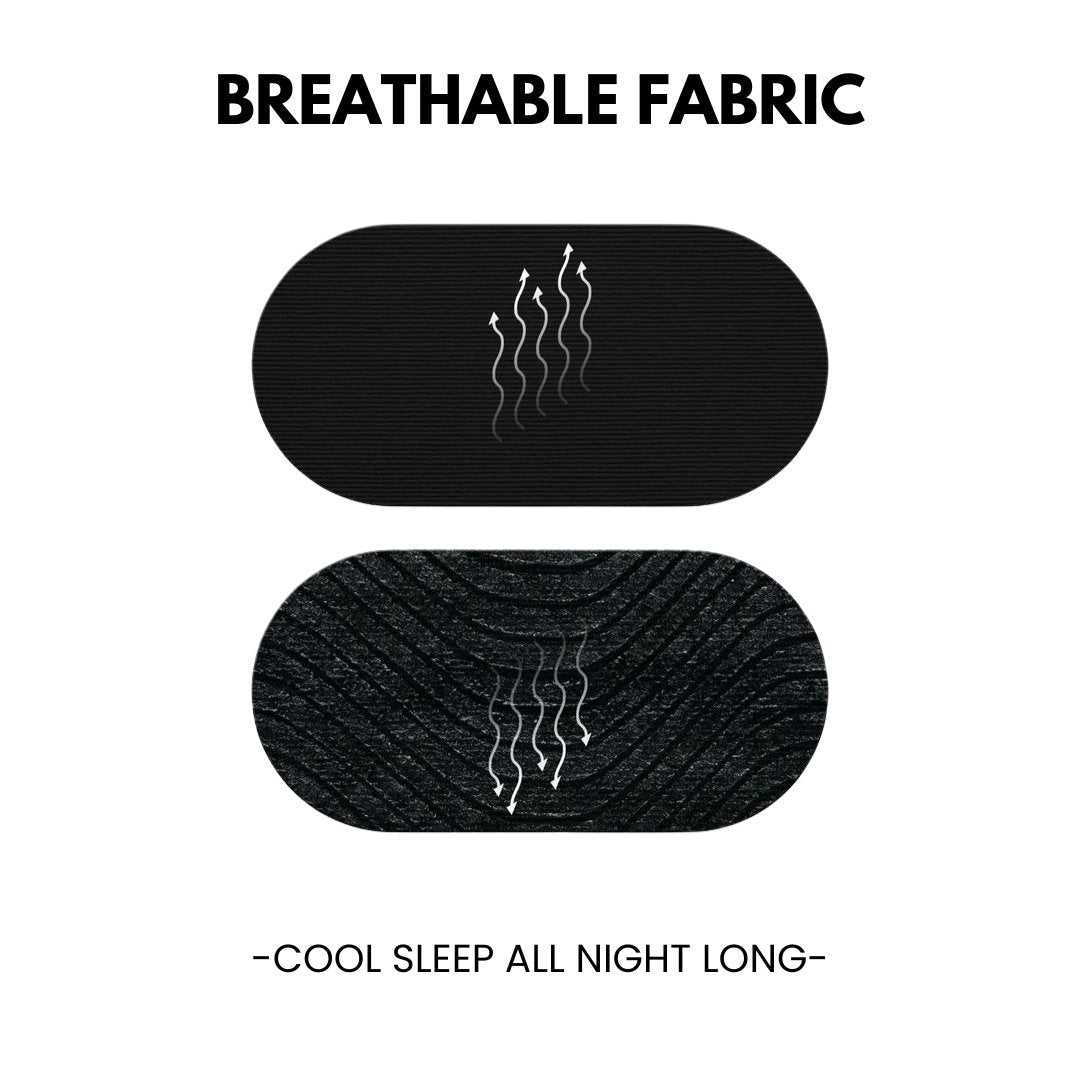
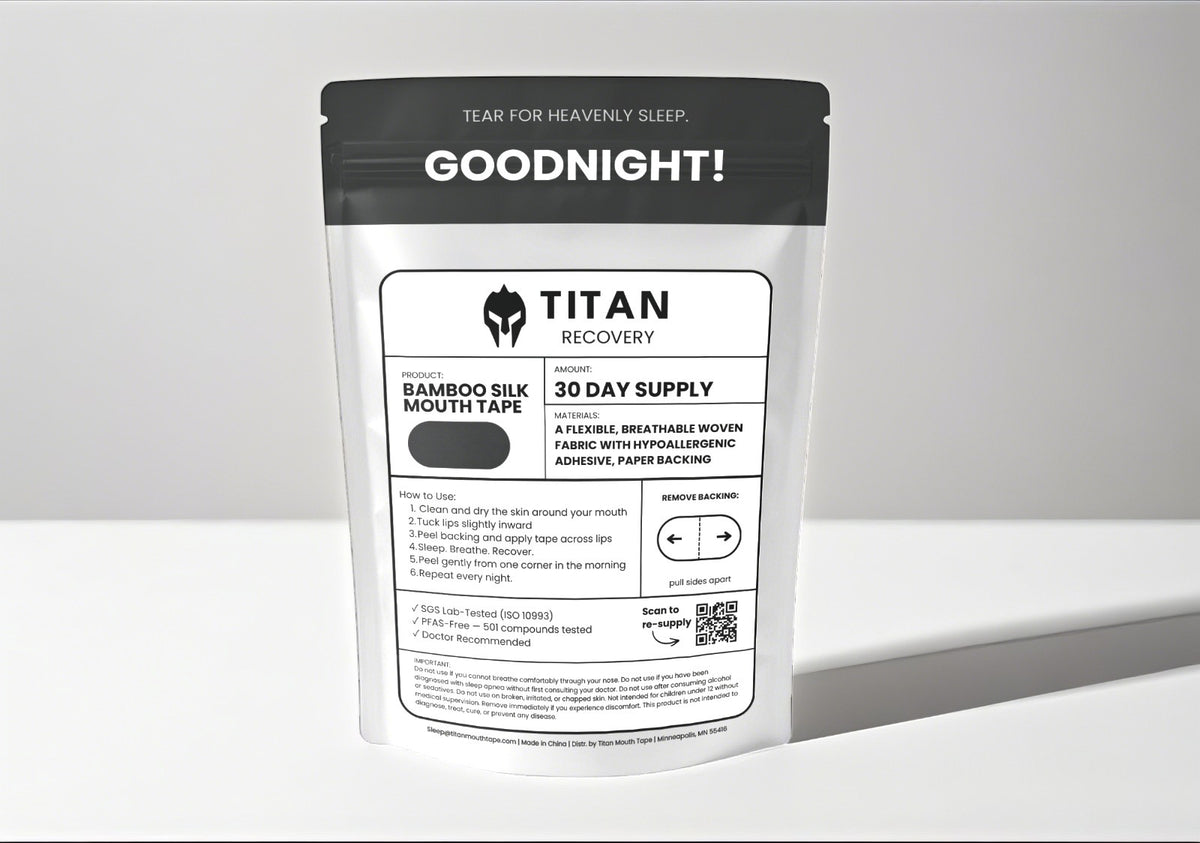
Mouth tape keeps your lips gently closed so your body defaults to nasal breathing throughout the night. Nasal breathing produces nitric oxide that improves oxygen absorption, activates your parasympathetic nervous system for deeper relaxation, humidifies air to protect your throat and lungs, and supports the longer, uninterrupted sleep cycles your body needs for physical repair and memory consolidation. Most people notice a meaningful difference starting the very first night they tape. If you are going to prioritize just one item on this entire list, prioritize this one.
2. Control your bedroom temperature
Your core body temperature needs to drop by approximately one to two degrees Fahrenheit to both initiate and maintain quality sleep. A warm bedroom actively fights this process, keeping your body in a state of thermal arousal that prevents full transition into deep sleep stages. Research consistently shows that the ideal bedroom temperature for sleep is between 65 and 68 degrees Fahrenheit (18 to 20 degrees Celsius).
If you cannot control your thermostat precisely, a fan provides both active cooling and consistent white noise that masks environmental sounds. Cooling mattress pads, breathable bedding materials like linen or bamboo, and sleeping without heavy pajamas also help. The guideline is simple: slightly too cool is always better than slightly too warm when it comes to sleep quality.
3. Block all light sources
Your circadian rhythm is primarily driven by light exposure hitting photoreceptors in your eyes. Even small amounts of ambient light, from a streetlight leaking through curtains, an alarm clock display, a phone charging indicator, or the standby LED on a television, can suppress melatonin production and delay sleep onset by minutes to hours depending on the individual.
Blackout curtains are the most effective and permanent solution. If those are not practical for your living situation, a high-quality contoured sleep mask that blocks light without pressing on your eyelids works well. The goal is genuine, complete darkness. Your eyelids are not light-proof, which means even closed eyes register ambient light and adjust your hormonal response accordingly.
4. Lock your sleep and wake schedule
Your circadian rhythm performs best with consistency. Going to bed and waking up at the same time every single day, including weekends, is more important for sleep quality than how many total hours you log. Research on circadian disruption shows that a consistent 7-hour sleep schedule outperforms a chaotic 8-hour average that varies by an hour or more on different nights.
The weekend sleep-in feels restorative in the moment, but it creates what sleep researchers call social jet lag, a misalignment between your biological clock and your behavioral schedule that takes two to three days to recover from. If you genuinely need to catch up on sleep debt, go to bed 30 to 60 minutes earlier rather than sleeping later. Your wake time is the circadian anchor that everything else is built around.
5. Cut caffeine by early afternoon
Caffeine has a half-life of five to six hours in most adults, which means the coffee you drink at 3 PM still has half its stimulant effect active in your bloodstream at 9 PM. Even if you can fall asleep despite the caffeine, research using polysomnography shows that evening caffeine measurably reduces both the total duration and the intensity of deep sleep stages, even when the person reports feeling like they slept fine.
Set a hard personal cutoff at 1 or 2 PM and stick to it without exceptions. If you need an afternoon energy boost, a 10-minute walk outside in natural light, splashing cold water on your face, or a disciplined 20-minute power nap will provide a meaningful lift without compromising your night.
6. Time your last meal strategically
Eating a large or heavy meal within two to three hours of bedtime forces your digestive system into active work during the period when it should be winding down. This raises your core body temperature (working against item 2 on this list), can trigger acid reflux that irritates your throat and nasal passages, and diverts blood flow and energy toward digestion rather than the restoration processes that sleep is supposed to prioritize.
A light snack is fine if you are genuinely hungry before bed. Foods containing tryptophan (turkey, nuts, dairy), magnesium (dark chocolate, bananas, almonds, pumpkin seeds), or complex carbohydrates that promote serotonin production can actually support sleep onset. The issue is volume and timing, not food itself.
7. Build a wind-down buffer zone
Your nervous system cannot transition from high alert, active problem-solving mode to restful sleep in five minutes. Build a 30-to-60-minute wind-down period where you systematically reduce stimulation. This does not have to be meditation, a rigid routine, or anything that feels like a chore. Reading a physical book, gentle stretching, a warm shower, a calm conversation, or even just sitting quietly with low lighting all work.
The critical piece within this window is reducing light exposure, especially the blue-spectrum light emitted by phone, tablet, and laptop screens. If you absolutely must use a device, enable night mode and reduce brightness to the minimum usable level. Better yet, charge your phone in another room entirely. Removing the device from arm's reach eliminates both the light exposure and the temptation to scroll. For more on optimizing your full sleep environment and routine, see our guide on how to sleep better.
The quick-reference checklist
- Apply mouth tape (and nasal strips if you experience any congestion) every single night
- Set bedroom temperature to 65-68 degrees Fahrenheit
- Achieve complete darkness with blackout curtains or a contoured sleep mask
- Keep the same wake time every day, including weekends and holidays
- No caffeine consumption after 1-2 PM
- Finish your last substantial meal 2-3 hours before bed
- Build a 30-60 minute low-stimulation wind-down routine
The Bottom Line
Better sleep is not about doing fifty things perfectly or buying expensive gadgets. It is about doing seven specific things consistently, starting with the one that most people completely overlook: fixing how you breathe at night. Nasal breathing through mouth taping is the foundation that makes every other habit on this list more effective. Start there, and layer in temperature, darkness, and schedule consistency as you go.
Titan Mouth Tape costs under $0.75 per night. Combined with a cool, dark room and a locked schedule, it is part of a proven system that genuinely transforms how you feel every single morning.
Doctor Recommended: “As a maxillofacial surgeon and dentist, I recommend Titan Mouth Tape. Nasal breathing during sleep is essential for airway health and deep restorative rest. Titan’s bamboo silk design is the most comfortable and effective mouth tape I have tested. If you struggle with snoring, dry mouth, or poor sleep quality, this is the simplest change you can make for your health.” — Dr. Francois P., MD, DDS — Maxillofacial Surgeon
Lab-Tested Safety: Titan’s SilkSeal™ adhesive is independently tested to ISO 10993 medical device standards. Non-toxic (95% cell viability). Non-allergenic (0% reaction rate). Non-irritating (score 0.0/8.0). PFAS-free — 501 compounds tested, zero detected. See full test results →
Try it tonight. Bamboo silk. SilkSeal™ adhesive. Beard-friendly. No logo on the tape. Free shipping. 30-night Better Sleep Guarantee. Shop Titan Mouth Tape → · Shop TitanAir →