Why Winter Wrecks Your Sleep (And How to Fix It)

Share
If your sleep falls apart every winter, the culprit is usually the air. Cold outdoor air holds very little moisture, and heated indoor air is even drier — and that dry, cold air inflames and congests your nasal passages while parching your throat. The result: a stuffy nose that forces you to breathe through your mouth all night, which dries you out further, fragments your sleep, and leaves you waking up groggy with a sore throat. Fix the air and the breathing, and winter sleep gets dramatically better.
It feels like you should sleep more in winter — longer nights, darker mornings, the urge to hibernate. But most people sleep worse. Here's what's actually happening and how to get your nights back.
Why winter air sabotages your breathing
Cold air is dry air. Humidity drops sharply in cold weather, and running the furnace indoors can push bedroom humidity down toward desert levels. Dry air irritates the delicate lining of your nose and throat, triggering congestion and that raw, scratchy feeling. A congested nose means one thing at night: your mouth opens to compensate.
Mouth breathing then makes everything worse. Once you're breathing through your mouth, you bypass the nose's job of warming and humidifying each breath. Dry air hits your throat directly, drying it out, worsening snoring, and lightening your sleep. You wake up with a dry, sticky mouth and a sore throat — the classic winter morning. It's a loop: dry air causes congestion, congestion causes mouth breathing, mouth breathing causes more dryness.
The cold-and-flu pile-on
Winter is peak season for colds. Add a seasonal cold or the flu on top of dry air and your nose closes up almost completely, which is why sleep during a cold is so miserable — you're forced into full mouth breathing right when your body most needs rest to recover. The same tools that help with dry-air congestion help here too; we cover the illness angle specifically in nasal strips for congestion and colds.
Fix the air first
Add humidity. The single highest-impact move is running a humidifier in the bedroom to bring humidity back into a comfortable range (roughly 40–50%). Moist air calms nasal irritation, loosens congestion, and keeps your throat from drying out. It also helps with snoring and dry mouth — the overlap is real, and we get into it in does a humidifier help with snoring and dry mouth.
Mind the thermostat. It's tempting to crank the heat, but a hot, dry bedroom is worse for sleep than a cool one. Your body wants a cooler room to drop into deep sleep — layer blankets instead of raising the temperature, and you'll sleep deeper and breathe easier.
Then fix the breathing
Comfortable air makes nose breathing possible; these two tools make it happen.
Open the nose. If congestion is still forcing your mouth open, an external nasal strip like TitanAir physically lifts the sides of your nose to widen the nasal passages — a drug-free way to breathe through a stuffy nose at night. It's the most direct fix when the blockage is the problem.
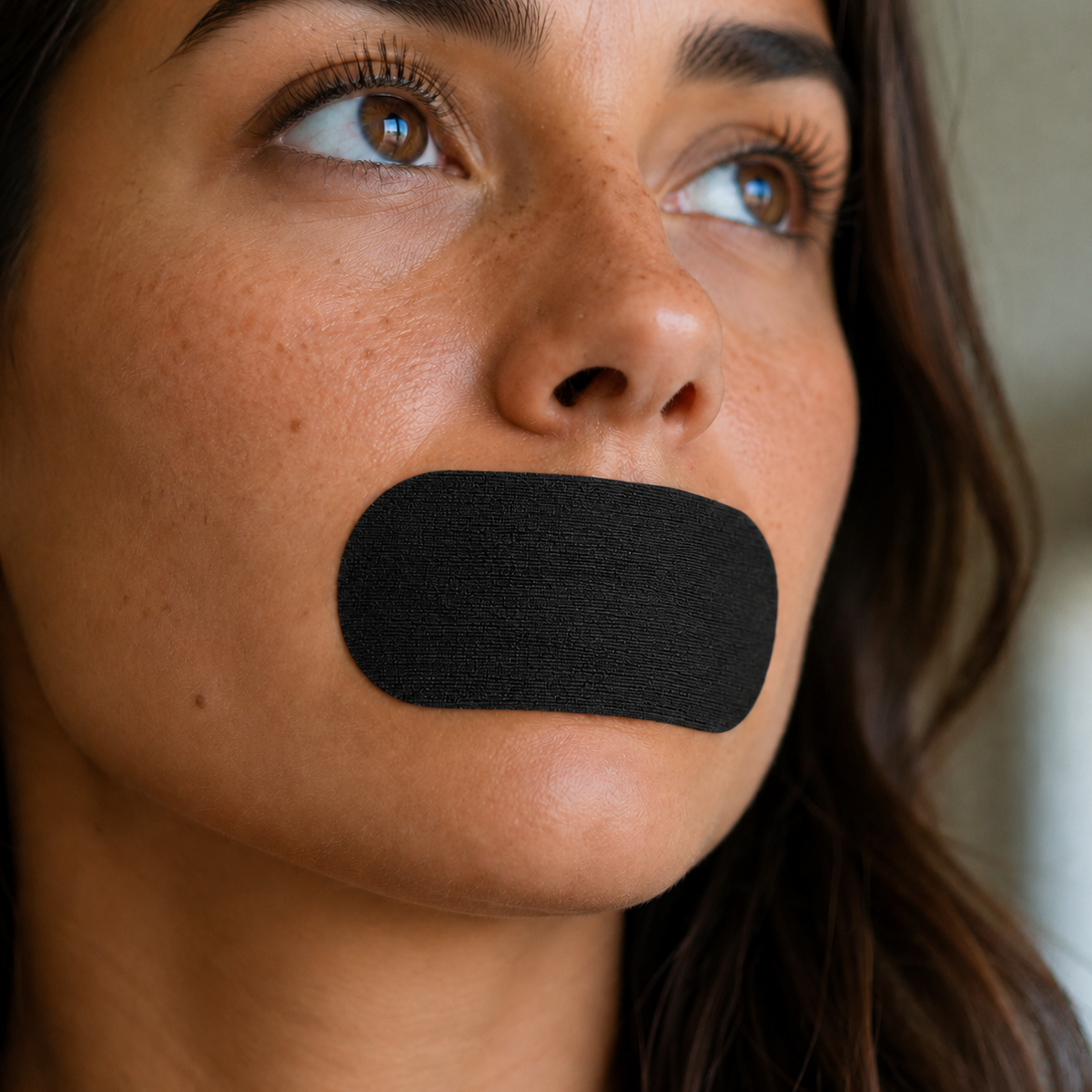
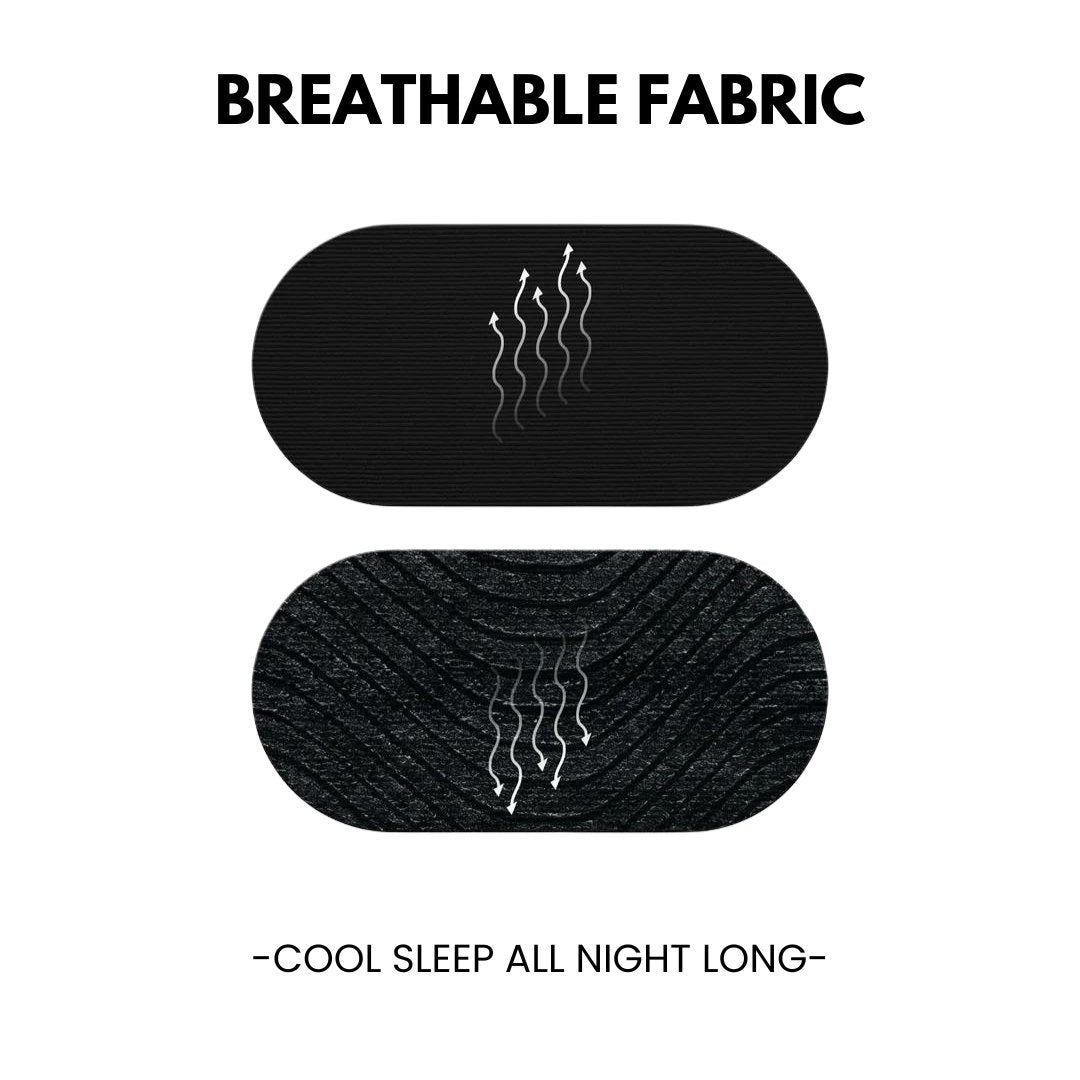
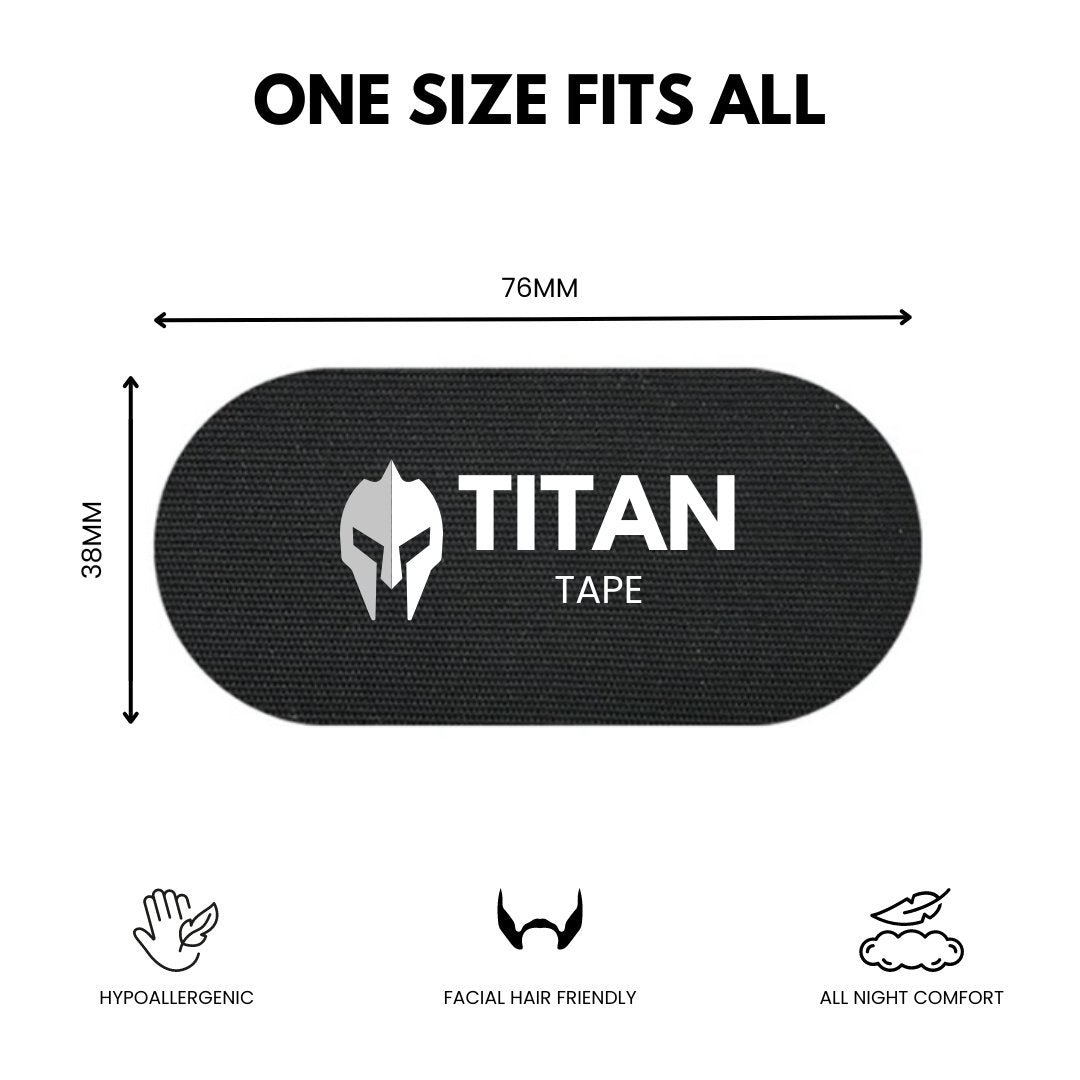
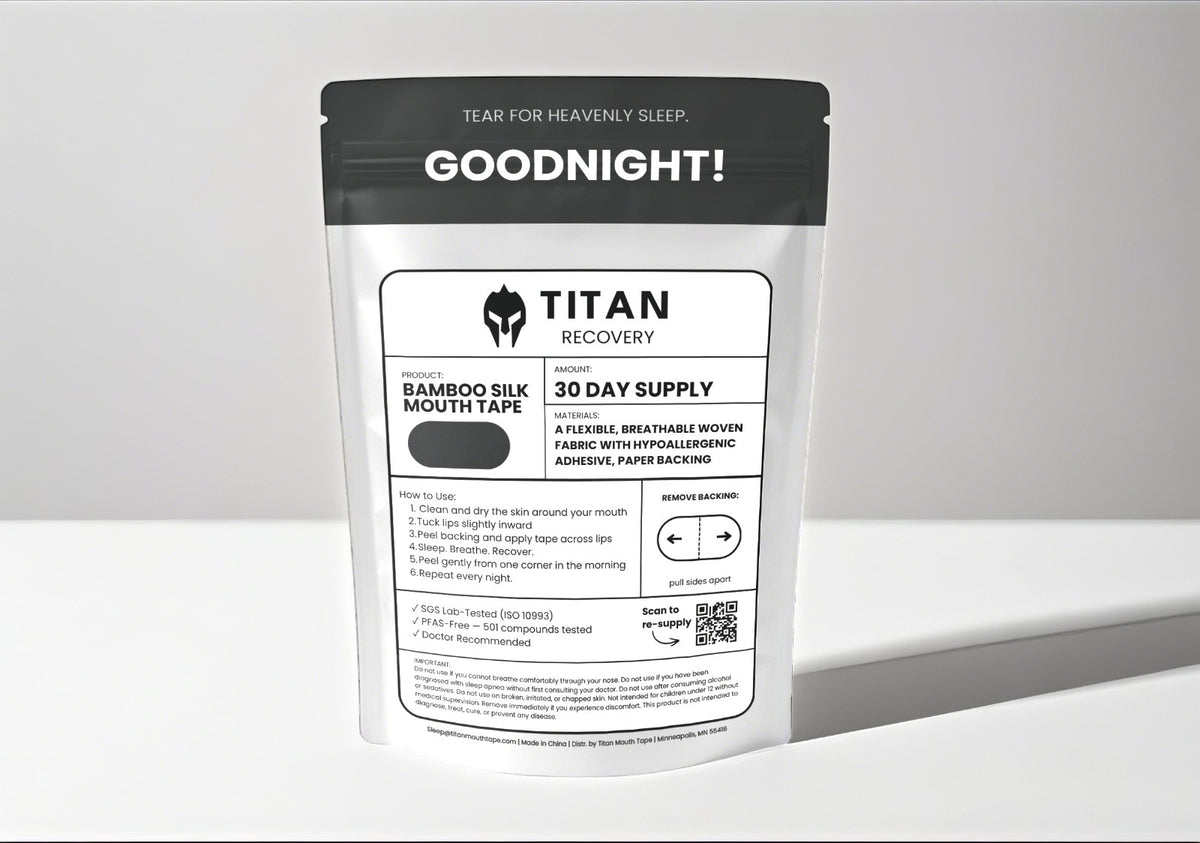
Keep the mouth closed. Once your nose is clear enough to breathe through, gentle mouth tape encourages your mouth to stay shut so you default to nasal breathing all night — which keeps your throat humidified and your sleep intact. The two work well together in winter: strip opens the nose, tape keeps the mouth closed. A honest note — if you have a heavy cold and your nose is completely blocked, skip the tape until you can breathe through your nose comfortably again.
Small habits that add up
Hydrate during the day. Dry air pulls moisture out of you; drink enough earlier in the day (not right before bed, or you'll be up at 3 AM). Rinse if you're congested. A saline spray or rinse before bed clears irritants and moistens the passages. Get morning light. Short, dark winter days blunt your circadian rhythm; even a few minutes of daylight (or a light box) in the morning helps anchor your sleep-wake rhythm when the sun isn't cooperating.
When to see a doctor
Seasonal dryness and the odd cold are normal. But see a clinician if congestion lasts for weeks without a cold, if you have persistent facial pain or pressure (possible sinus infection), or if a partner notices you gasping, choking, or stopping breathing at night. Chronic nasal obstruction and sleep apnea need proper evaluation, not just a humidifier.
Frequently Asked Questions
Why do I sleep worse in winter even though the nights are longer?
Because cold, dry, over-heated indoor air congests your nose and dries your throat, forcing mouth breathing and fragmenting sleep. The longer nights don't help if the air is sabotaging your breathing.
Does dry air really cause mouth breathing?
Indirectly, yes. Dry air inflames and congests the nasal passages, and a blocked nose forces your mouth open to get enough air — which then dries your throat further and worsens the congestion.
What humidity level is best for winter sleep?
Roughly 40–50%. That's moist enough to calm nasal irritation and keep your throat comfortable, without getting high enough to encourage mold or dust mites.
Can I use mouth tape when I have a cold?
Only if you can still breathe comfortably through your nose. If a cold has your nose completely blocked, skip the tape until it clears — open the nose with a nasal strip and a humidifier first.
The Bottom Line
Winter sleep problems almost always trace back to dry, cold air congesting your nose and pushing you into mouth breathing. Fix the environment — add humidity, keep the room cool, rinse a stuffy nose — then support your breathing so you stay on your nose all night: an nasal strip to open a blocked nose and gentle mouth tape to keep your mouth closed. Do both and you'll stop waking up parched, groggy, and sore-throated all season.
Doctor Recommended: "As a maxillofacial surgeon and dentist, I recommend Titan Mouth Tape. Nasal breathing during sleep is essential for airway health and deep restorative rest. Titan's bamboo silk design is the most comfortable and effective mouth tape I have tested. If you struggle with snoring, dry mouth, or poor sleep quality, this is the simplest change you can make for your health." — Dr. Francois Proux, MD, DDS — Maxillofacial Surgeon
Lab-Tested Safety: Titan's adhesive is independently tested to ISO 10993 medical device standards. Non-toxic (95% cell viability). Non-allergenic (0% reaction rate). Non-irritating (score 0.0/8.0). PFAS-free — 501 compounds tested, zero detected. See full test results →
Try the complete system tonight. Titan Mouth Tape (bamboo silk, SilkSeal™ adhesive) + TitanAir Nasal Strips. Free shipping. 30-night Better Sleep Guarantee. Shop Titan Mouth Tape → · Shop TitanAir Nasal Strips →