Why Can't I Breathe Through My Nose at Night?
Share
You usually can't breathe through your nose at night because lying down makes it worse: gravity pools blood in your nasal tissues, the nasal cycle narrows one side, and bedroom allergens, dry air, evening histamine, alcohol, or reflux add congestion. A deviated septum or narrow nasal valve compounds it. Most causes are positional and manageable.
If your nose runs clear all day and clamps shut the moment your head hits the pillow, you are not imagining it. Nighttime blockage has specific, well-understood causes — and once you know which one is driving yours, the fixes are straightforward.
Why does my nose block up at night?
Nighttime nasal congestion comes from a stack of overlapping causes, most of them made worse by lying down. Rarely is it just one thing. It is usually your normal nasal biology plus your sleeping position plus whatever is in your bedroom air. The common drivers:
- The nasal cycle. Your nostrils naturally take turns. Over a few hours, one side swells and partly closes while the other opens, then they swap. This is normal — but at night, when both sides are already more congested, the "off" nostril can feel fully blocked.
- Positional congestion (gravity). When you lie flat, blood pools in the vessels of the nasal lining instead of draining downward. The turbinates — the shelves of tissue inside your nose — engorge and swell, narrowing the passage.
- Bedroom allergens. Dust mites live in bedding and pillows. Pet dander collects where you sleep. Lying face-down in it for eight hours triggers an allergic swelling response you never notice during the day.
- Dry air. Heating and air conditioning strip moisture from the air, drying and irritating the nasal lining so it inflames and produces thicker mucus.
- A narrow nasal valve or deviated septum. If the narrowest part of your airway is already tight, any added swelling tips it from "breathable" to "blocked."
- Evening histamine rhythm. Cortisol, your body's natural anti-inflammatory hormone, dips in the evening while histamine activity rises overnight — so allergic congestion often peaks at night.
- Alcohol and reflux. Alcohol dilates blood vessels and swells nasal tissue. Acid reflux, worse when lying down, can irritate the back of the nose and throat.
What is the nasal cycle, exactly?
The nasal cycle is the natural alternation of airflow between your two nostrils, controlled by the swelling and shrinking of tissue inside each side. At any given moment, one nostril typically carries most of your airflow while the other rests in a partly congested state. Every one to several hours, they switch. During the day, upright and active, you rarely notice it. At night, when overall congestion is already higher, the resting nostril can feel completely shut — which is why so many people wake up able to breathe through only one side.
This is a feature, not a malfunction — and it explains why "my nose is fine, then suddenly one side is blocked" is such a common nighttime experience.
Why is it worse when I lie down?
Lying down removes gravity's help and lets blood pool in the nasal lining, so the tissue swells and the airway narrows. This is called positional congestion, and it is the single biggest reason a nose that breathes fine standing up feels blocked in bed.
When you are upright, blood and mucus drain downward and away from your head. When you lie flat, both back up. The turbinates — soft, blood-rich tissue that warms and humidifies incoming air — engorge and physically shrink the space air has to move through. Roll onto your side and the lower nostril often blocks while the upper one opens: the nasal cycle and gravity working together.
The practical takeaway is that a large share of nighttime blockage is mechanical and positional, not a sign of illness — which means it responds well to positional and mechanical fixes.
How do I know if it's allergies or something structural?
Allergy congestion tends to fluctuate, itch, and come with sneezing or runny eyes; structural blockage is constant and often one-sided. A few clues to sort it out:
- Points to allergens: itchy or watery eyes, sneezing, worse on some nights than others, and better when you travel and sleep elsewhere.
- Points to something structural: the same nostril is always blocked, it never fully clears even during the day, and it doesn't respond to allergy measures — a pattern that fits a deviated septum or a naturally narrow nasal valve.
- Points to dryness: worse in winter with the heat on, better with a humidifier, with crusting or a raw feeling inside the nose.
Most people have a mix. The good news is the fixes overlap.
How do I fix nighttime nasal congestion?
Stack a few simple fixes: open the nasal valve mechanically, use gravity to your advantage, clean up the air you sleep in, and cut evening triggers. Work through these from easiest to most involved:
- Nasal strips. An external nasal strip pulls the nasal valve — the narrowest, highest-resistance point of your airway — open from the outside. This directly counteracts the sidewall narrowing and part of the positional swelling that block you at night. It is mechanical and works the moment you apply it. Here is how nasal strips work in detail.
- Elevate your head. Raising the head of the bed or using an extra pillow reduces the blood pooling behind positional congestion and helps mucus drain instead of backing up.
- Sleep on your side. Side-sleeping can open the upper nostril, and switching sides sometimes clears a blocked one. It also reduces reflux compared with lying flat on your back.
- Rinse with saline. A saline spray or rinse before bed flushes out allergens and thins mucus, physically clearing the passage without medication.
- Run a humidifier. Adding moisture to dry bedroom air soothes the nasal lining and keeps mucus thin enough to drain.
- Control allergens. Wash bedding weekly in hot water, use dust-mite-proof pillow and mattress covers, and keep pets off the bed. This is often the highest-impact change for allergy-driven congestion.
- Avoid alcohol before bed. Alcohol swells nasal tissue and worsens both congestion and snoring. Skipping the evening drink can noticeably clear your nose.
Layering two or three of these usually beats relying on any single one. If you also breathe through your mouth once your nose feels blocked, our guide on how to breathe through your nose while sleeping covers how to hold the habit overnight.
When should I see a doctor?
See an ENT if the blockage is constant, always on the same side, or doesn't improve with positional and environmental changes. The at-home fixes above address valve-level narrowing, positional swelling, and irritation — but they cannot open deep blockage like badly swollen turbinates, chronic sinus disease, nasal polyps, or a severe septal deviation. Persistent one-sided obstruction, frequent sinus infections, or blockage that never clears deserves a professional look.
Where TitanAir fits
TitanAir is an external nasal strip built to open the nasal valve — the exact spot that narrows most when you lie down. TitanAir Nasal Strips use flexible splints to lift the flexible sidewalls of your nose outward, lowering airflow resistance at the point where nighttime congestion hits hardest. It is a mechanical fix for a mechanical problem, with nothing to insert.
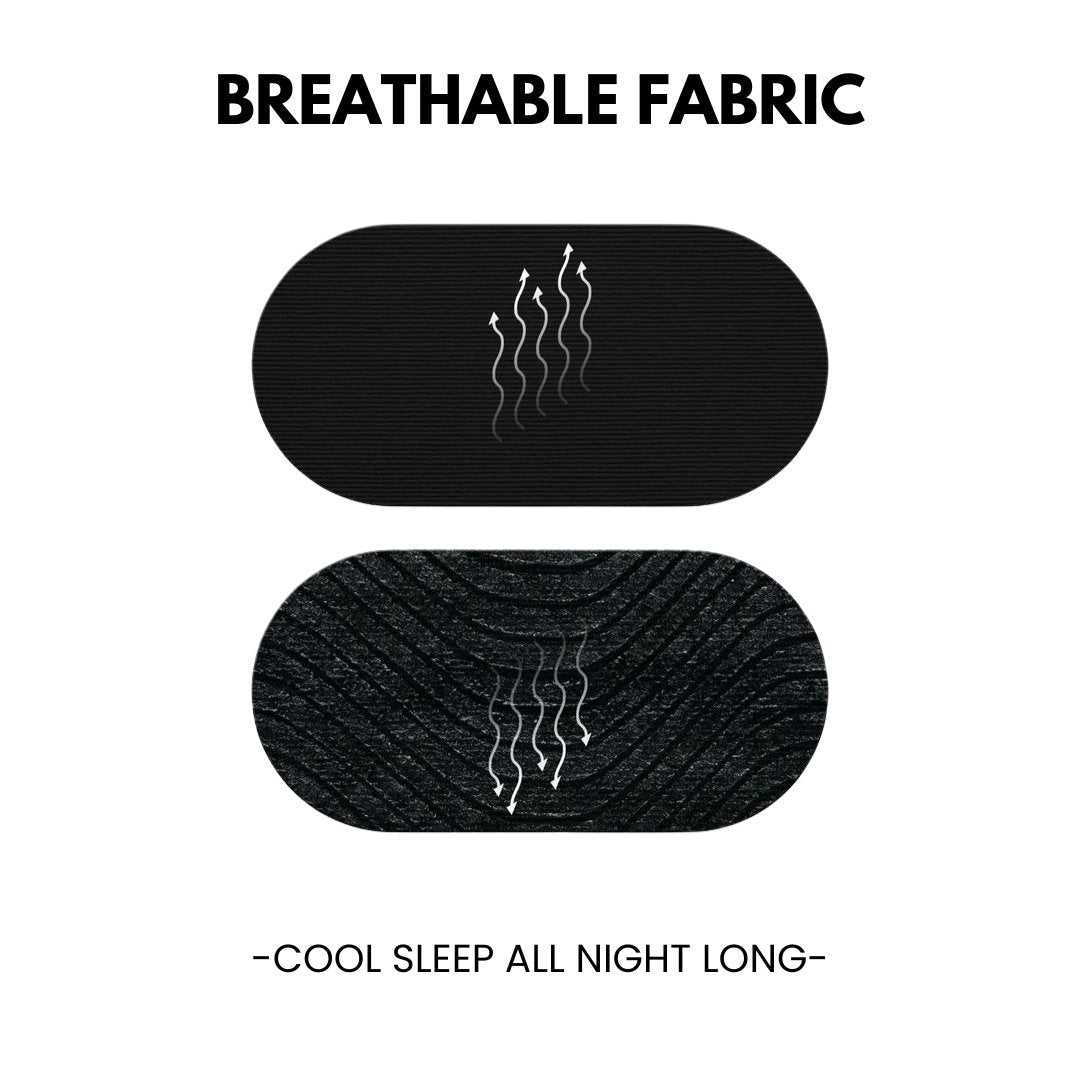
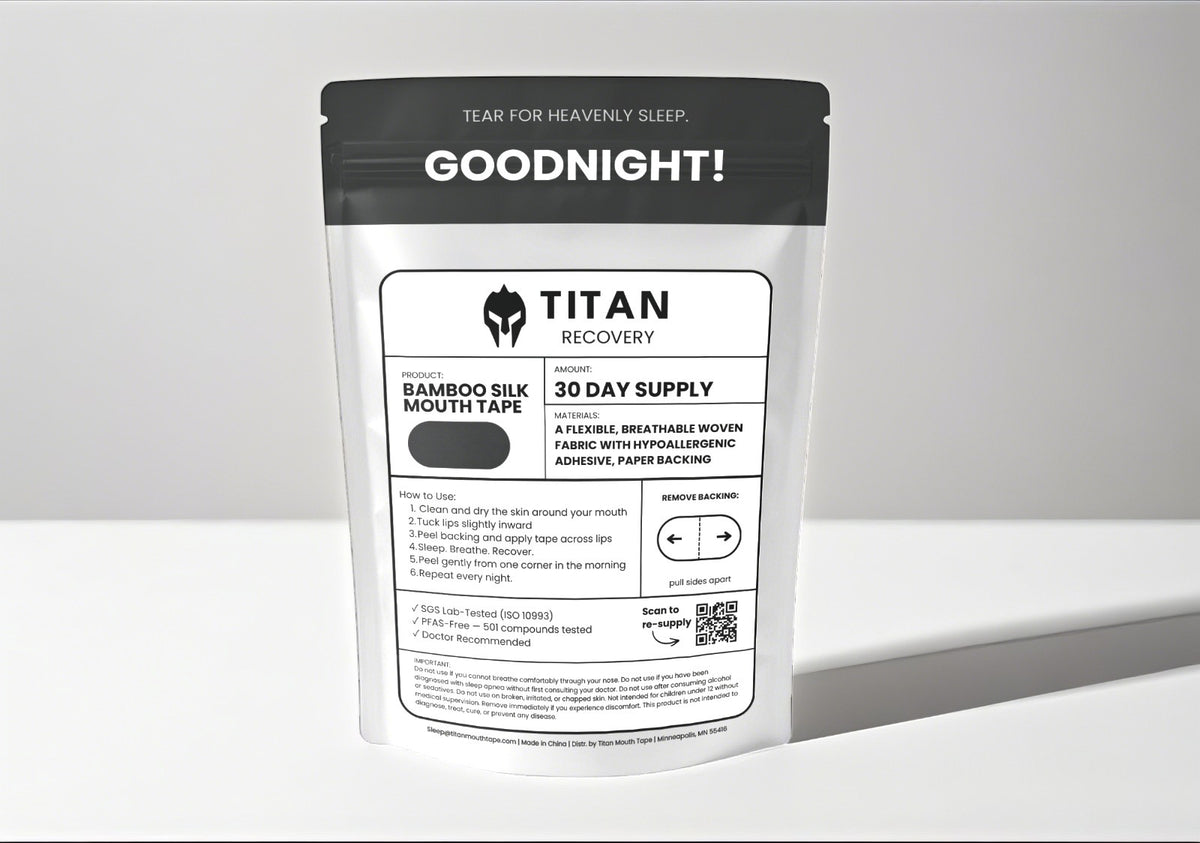
Strips open the nose, but they don't keep your mouth closed. If your jaw drops open once you're asleep, you'll mouth-breathe no matter how clear your nose is — so pairing TitanAir with Titan Mouth Tape keeps you routed through that now-easier nose all night. The Titan Mouth Tape Deep Sleep Bundle puts both together. Just remember: a strip helps valve-level narrowing, not deep sinus blockage — for that, see an ENT.
Frequently Asked Questions
Why can I breathe fine during the day but not at night?
Because most nighttime blockage is positional. Standing and sitting let gravity drain blood and mucus away from your nasal tissues. When you lie down, blood pools in the lining and the turbinates swell, narrowing the airway. Add the nasal cycle, dry bedroom air, and allergens in your bedding, and a nose that felt clear all day can feel completely blocked in bed.
Why is only one nostril blocked at night?
That is usually the nasal cycle. Your nostrils naturally alternate, with one swelling and partly closing while the other stays open, switching every few hours. At night, when overall congestion is higher and gravity adds swelling, the resting nostril can feel fully shut. If the same nostril is always blocked and never clears, that points more toward a structural cause like a deviated septum.
Do nasal strips help a stuffy nose at night?
They help when the restriction is at the nasal valve and the flexible outer sidewalls, which is exactly where positional narrowing tends to bite. A strip lifts that area open and lowers airflow resistance immediately. It cannot clear deep blockage such as swollen sinuses or polyps, but for valve-level and mild positional congestion it works mechanically and takes effect the moment you apply it.
Does elevating my head really help nasal congestion?
Yes. Raising the head of the bed or adding a pillow reduces the blood pooling that drives positional congestion and helps mucus drain instead of backing up in the nose. It also lessens acid reflux, another common nighttime irritant. It is one of the simplest changes with a real effect on how blocked your nose feels lying down.
Can alcohol before bed cause a blocked nose?
It can. Alcohol dilates blood vessels, which swells the nasal lining and worsens congestion and snoring. If your nose is noticeably worse on nights you drink, cutting the evening drink is one of the fastest ways to breathe more easily overnight.
When is a blocked nose at night a sign of something serious?
Congestion that is constant, always one-sided, or unresponsive to positional and allergen changes is worth having an ENT evaluate. Frequent sinus infections, a nose that never clears even during the day, or blockage paired with facial pain can signal chronic sinus disease, polyps, or a significant septal deviation — problems that need professional treatment rather than home remedies.
The Bottom Line
You can't breathe through your nose at night mostly because of biology and gravity, not illness. The nasal cycle narrows one side, lying down pools blood in the turbinates and swells them, and bedroom allergens, dry air, evening histamine, alcohol, and reflux pile on. A narrow nasal valve or deviated septum makes any of it worse.
Because so much of it is positional and mechanical, the fixes work: open the nasal valve with a strip, elevate your head, sleep on your side, rinse with saline, humidify, clean up allergens, and skip the evening drink. TitanAir Nasal Strips target the valve directly, and pairing them with Titan Mouth Tape turns an easier nose into all-night nasal breathing. If the blockage is constant or one-sided and won't budge, see an ENT — that is beyond what any strip can open.
Doctor Recommended: "As a maxillofacial surgeon and dentist, I recommend Titan Mouth Tape. Nasal breathing during sleep is essential for airway health and deep restorative rest. Titan's bamboo silk design is the most comfortable and effective mouth tape I have tested. If you struggle with snoring, dry mouth, or poor sleep quality, this is the simplest change you can make for your health." — Dr. Francois P., MD, DDS — Maxillofacial Surgeon
Lab-Tested Safety: Titan's adhesive is independently tested to ISO 10993 medical device standards. Non-toxic (95% cell viability). Non-allergenic (0% reaction rate). Non-irritating (score 0.0/8.0). PFAS-free — 501 compounds tested, zero detected. See full test results →
Try the complete system tonight. Titan Mouth Tape (bamboo silk, SilkSeal™ adhesive) + TitanAir Nasal Strips. Free shipping. 30-night Better Sleep Guarantee. Shop Titan Mouth Tape → · Shop TitanAir Nasal Strips →