What to Eat Before Bed: Foods That Help (and Hurt) Sleep

Share
If you've ever wondered what to eat before bed, you've probably gotten two opposite answers: "never eat after 7 PM" and "have a snack so you don't wake up hungry." Both contain some truth. What you eat, how much, and how close to bedtime all change how well you sleep.
Food isn't a sleep cure. No snack will fix a bad routine, and nothing here replaces advice from your doctor. But your last meal of the day is one of the easier levers to pull, and it affects more than digestion. It can change how you breathe once you lie down. Here's what helps, what hurts, and why.
How Food Affects Sleep
Digestion doesn't clock out at night. Your body is still working on whatever you ate, and a large meal asks for more effort than a small one. Core body temperature needs to drop slightly for you to fall asleep, and a heavy meal can work against that.
Certain nutrients feed your sleep chemistry. Tryptophan is an amino acid your body uses to make serotonin, which is then used to make melatonin. Magnesium plays a role in muscle relaxation and nervous system calm. Some foods contain small amounts of melatonin itself. None of these act like a sedative, but they support the process.
Blood sugar swings can fragment sleep. A sugar spike followed by a drop can leave some people restless or waking in the early hours. Going to bed starving isn't ideal either, which is why the answer is usually "something small," not "nothing."
Foods That May Help You Sleep
Kiwi. Small studies have looked at eating kiwi fruit before bed and found improvements in how quickly people fell asleep. Kiwi contains serotonin and antioxidants. The research is limited, but it's a light, easy snack with little downside.
Tart cherries. Tart cherries and tart cherry juice are one of the few food sources of natural melatonin. Some small trials suggest modest improvements in sleep time. Watch the sugar in juice, and go easy on the portion.
Nuts. Almonds and walnuts provide magnesium and a little melatonin, along with protein and healthy fat that help keep blood sugar steady. A small handful is plenty. A big bowl is a heavy late meal in disguise.
Dairy and dairy alternatives. Warm milk is a cliche, but milk and yogurt contain tryptophan and calcium. A small bowl of plain yogurt is an easy option. If dairy bothers your stomach, skip it.
Complex carbs with protein. A slice of whole-grain toast with nut butter, or oatmeal with a few berries, pairs slow-digesting carbs with a little protein. Carbohydrates help tryptophan reach the brain, and the pairing keeps blood sugar from spiking.
Magnesium-rich foods. Pumpkin seeds, leafy greens, and bananas all contribute. If you're curious about magnesium specifically, we cover it in our guide to magnesium for sleep.
Foods and Drinks That Can Hurt Your Sleep
Caffeine. Caffeine has a half-life of roughly five to six hours, so an afternoon coffee is still partly in your system at bedtime. Chocolate, tea, and some sodas count too. We break down timing in our post on caffeine before bed.
Alcohol. A drink may help you nod off, but it tends to fragment sleep later in the night and suppress REM sleep. It also relaxes the muscles in your throat and can worsen snoring. Details are in our guide to alcohol before bed.
Big, heavy meals. A large dinner eaten right before bed keeps your digestive system busy and raises the odds of discomfort when you lie flat.
Spicy foods. Hot peppers and heavy spice can cause heartburn and a rise in body heat in some people. If spicy food gives you trouble, make it a lunch food.
High-fat and fried foods. Fat slows stomach emptying. Fast food at 10 PM sits in your stomach long after your head hits the pillow.
Sugar and sweets. Ice cream, cookies, and candy can spike blood sugar and then drop it. Some people find they sleep lighter after a sugary late snack.
Acidic and carbonated items. Citrus, tomato-heavy dishes, and fizzy drinks are common reflux triggers for people who are sensitive to them.
Eat These vs. Avoid These Before Bed
| Food or Drink | Before Bed? | Why |
|---|---|---|
| Kiwi | ✓ | Light; contains serotonin and antioxidants |
| Tart cherries | ✓ | Natural source of melatonin |
| Almonds or walnuts (small handful) | ✓ | Magnesium plus steady blood sugar |
| Plain yogurt or warm milk | ✓ | Tryptophan and calcium |
| Whole-grain toast with nut butter | ✓ | Slow carbs plus protein |
| Coffee, tea, soda, chocolate | ✗ | Caffeine lingers for hours |
| Alcohol | ✗ | Fragments sleep, relaxes throat muscles |
| Large, heavy dinners | ✗ | Digestion competes with sleep |
| Spicy or fried food | ✗ | Common heartburn triggers |
| Sweets and ice cream | ✗ | Blood sugar spike and crash |
Individual tolerance varies. Plenty of people eat a bowl of spicy chili at 9 PM and sleep fine. If something reliably wrecks your night, believe your own experience over a generic list.
When to Stop Eating Before Bed
A common guideline is to finish your last full meal two to three hours before lying down. That gives your stomach time to empty a good portion of what you ate, and gravity does some of the work while you're still upright.
A small snack closer to bedtime is generally fine for most people. Think a few hundred calories at most: a kiwi, a small yogurt, a handful of nuts. If you're hungry, a light snack beats lying awake with a growling stomach.
A few practical habits help:
Make dinner your earlier, bigger meal. Shift the largest portion of your food to lunch or an early dinner when you can.
Stay upright after eating. A short walk after dinner beats collapsing onto the couch.
Don't snack out of habit. Late-night grazing in front of a screen often has more to do with boredom than hunger.
If you regularly wake at 3 AM, food may be one factor among several. Our guide on how to stay asleep all night covers the rest.
The Breathing Connection Most People Miss
Here's the part rarely covered in food-and-sleep articles. What you eat late can change how you breathe at night.
Reflux. When you eat a big, fatty, or spicy meal and then lie flat, stomach contents can move up toward the esophagus. Acid reflux can cause irritation, coughing, throat clearing, and brief awakenings, often without you remembering them.
Congestion. Lying down already increases blood flow to nasal tissues, which can cause mild swelling. Reflux irritation and some foods or alcohol can add to stuffiness for some people. When the nose feels blocked, your body takes the easy exit: it opens your mouth.
Mouth breathing. Breathing through the mouth at night dries out your mouth and throat, lets the tongue fall back, and tends to go along with snoring and lighter, choppier sleep. You can eat the perfect bedtime snack and still wake up groggy if your breathing pattern is working against you.
This is why nasal breathing matters. Breathing through the nose filters and humidifies air and supports the calmer breathing pattern that goes with deeper rest. Keeping your mouth closed gently through the night helps hold that pattern in place.
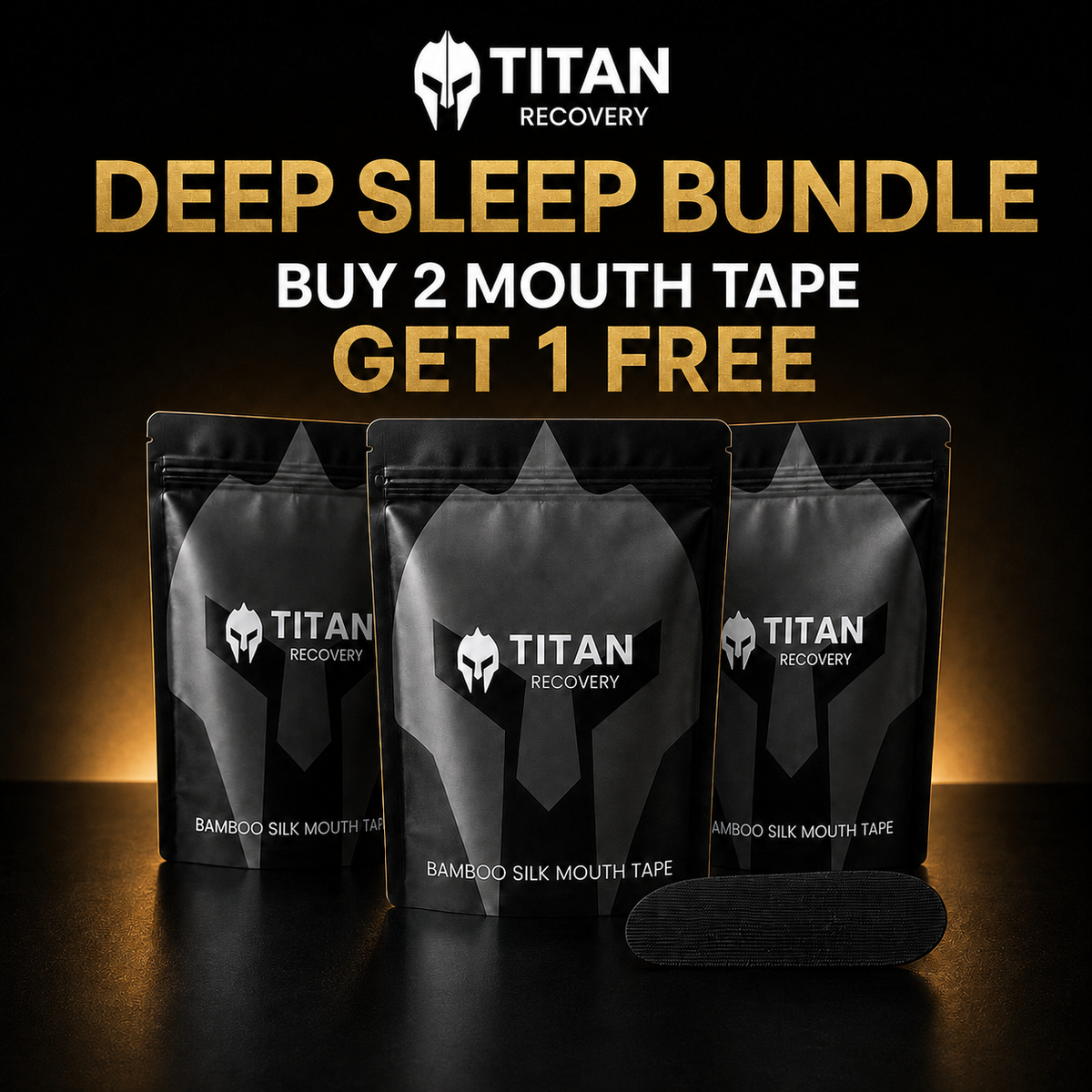
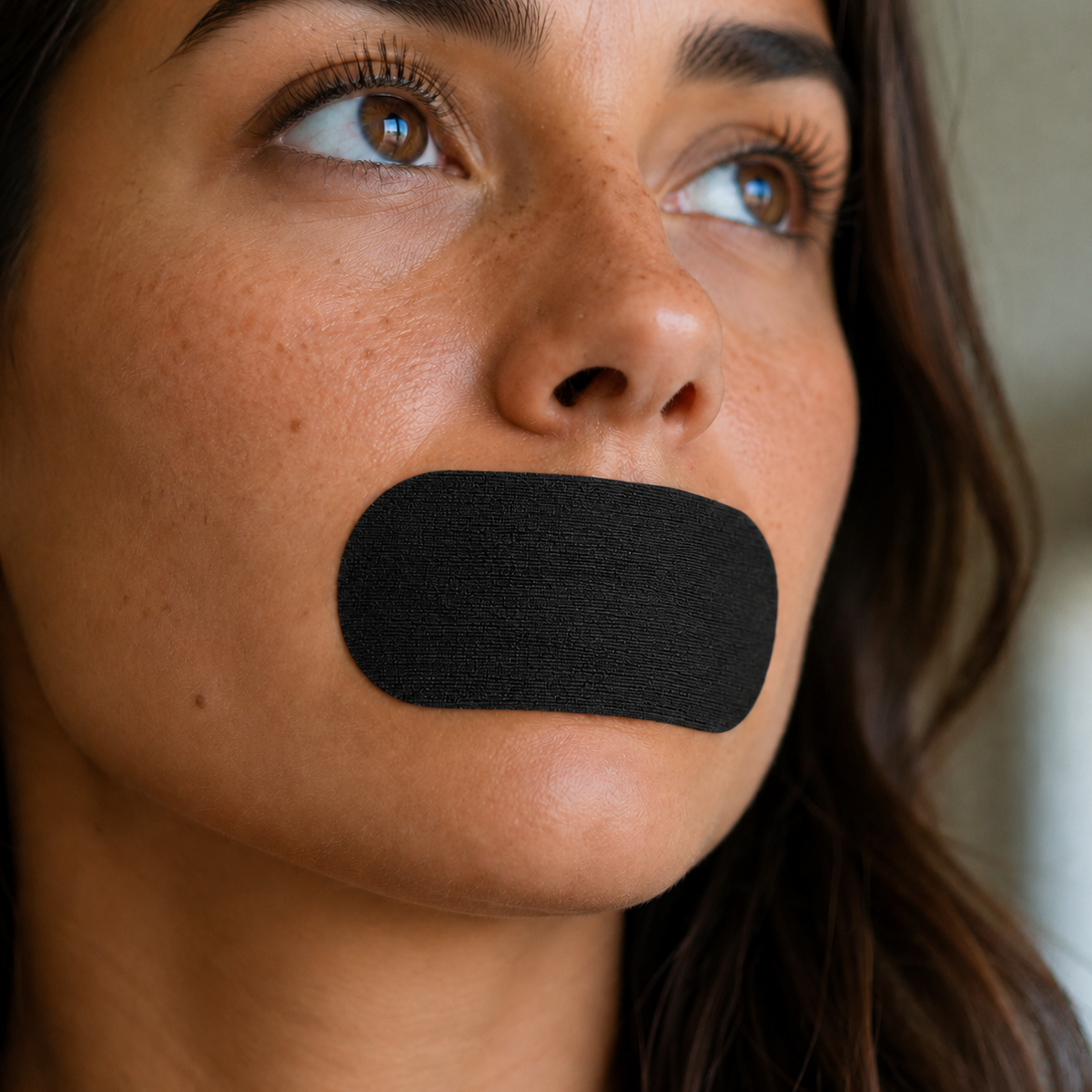
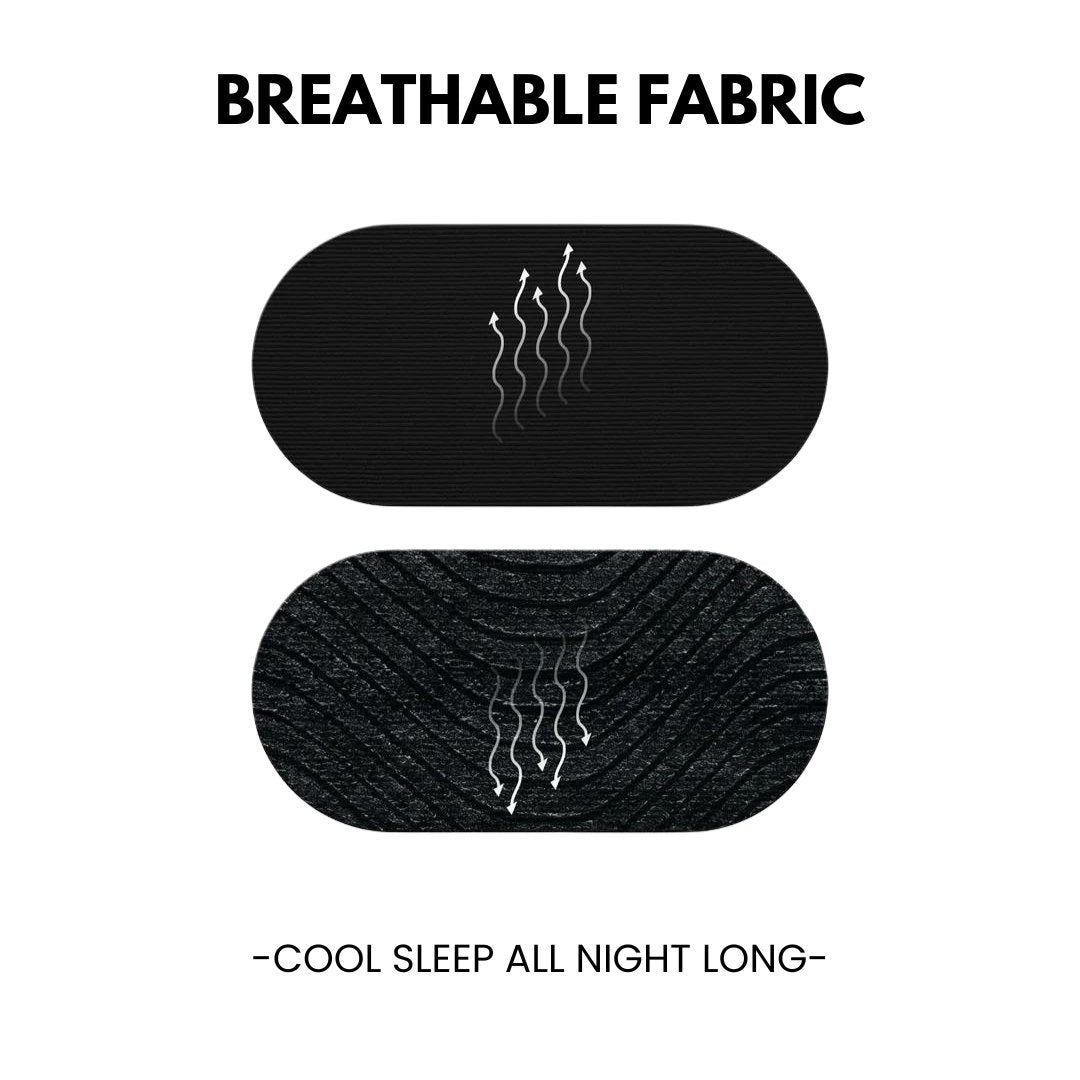
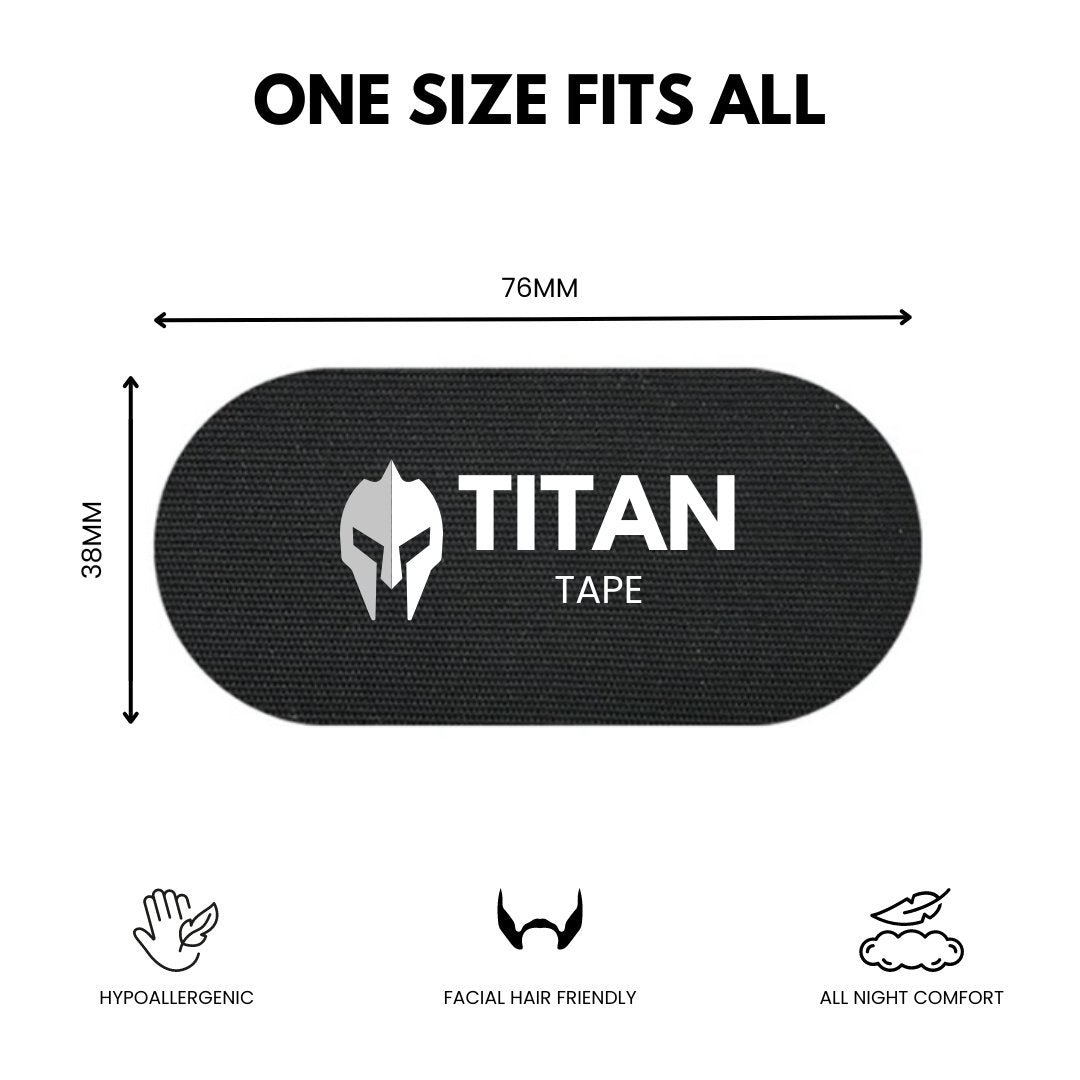
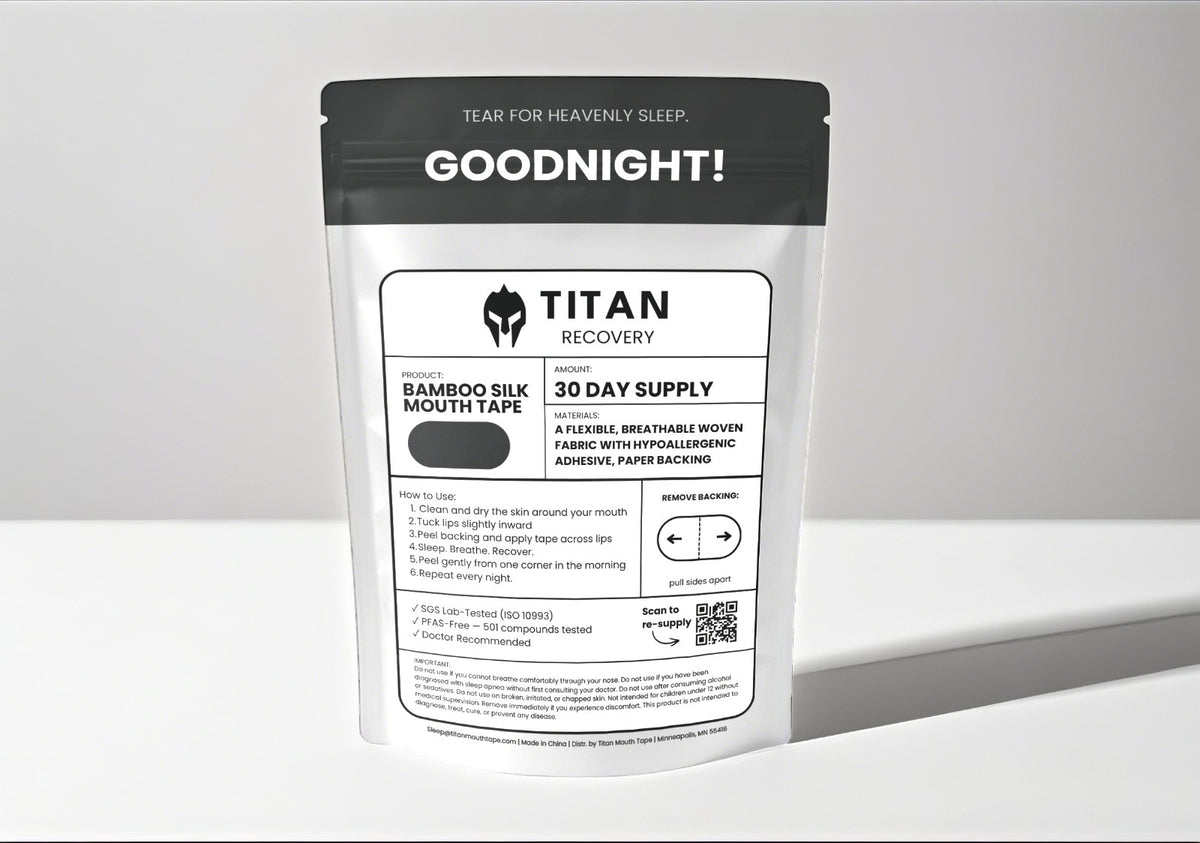
That's where Titan comes in. Titan Mouth Tape is a gentle strip that helps keep your lips closed so you breathe through your nose. Supplies start at $34.95 for 30 nights and drop to about $0.76 per night on the largest size. If evening stuffiness is part of your problem, TitanAir Nasal Strips help open the nasal passages from the outside, and the Deep Sleep Bundle gives you both for $69.95. Over 1,000 sleepers have rated Titan 4.9 stars.
To be clear about limits: mouth tape isn't a treatment for reflux or any medical condition, and it can't make up for a heavy meal at midnight. If your nose is fully blocked, don't tape your mouth. And if you have frequent heartburn, suspect GERD, or have a diet-related medical condition like diabetes, talk to your doctor before changing your routine.
A Simple Wind-Down Routine That Works With Your Diet
3 hours before bed: Finish your last full meal. Keep it moderate.
1 to 2 hours before bed: If you're hungry, have a small snack: kiwi, yogurt, or a few nuts. Skip alcohol and caffeine.
30 minutes before bed: Brush your teeth, which also acts as a "kitchen is closed" signal. Dim the lights.
At bedtime: Check that you can breathe through your nose. Add a nasal strip if you feel stuffy, apply mouth tape if you're comfortable with it, and sleep slightly propped up if reflux is an issue for you.
The Bottom Line
The best thing to eat before bed is usually something small and light: a kiwi, tart cherries, a handful of nuts, or a little yogurt. The things to avoid are the usual suspects: caffeine, alcohol, heavy and spicy meals, fried food, and sugar close to bedtime. Aim to finish your last full meal a few hours before lying down.
Food is a supporting lever, not a cure. It works best alongside the basics: a consistent schedule, a cool dark room, and nasal breathing through the night. Get the last meal right, protect your breathing, and you give your sleep a real chance to do its job.
Doctor Recommended: "As a maxillofacial surgeon and dentist, I recommend Titan Mouth Tape. Nasal breathing during sleep is essential for airway health and deep restorative rest. Titan's bamboo silk design is the most comfortable and effective mouth tape I have tested. If you struggle with snoring, dry mouth, or poor sleep quality, this is the simplest change you can make for your health." — Dr. Francois Proux, MD, DDS — Maxillofacial Surgeon
Lab-Tested Safety: Titan's adhesive is independently tested to ISO 10993 medical device standards. Non-toxic (95% cell viability). Non-allergenic (0% reaction rate). Non-irritating (score 0.0/8.0). PFAS-free — 501 compounds tested, zero detected. See full test results →
Try the complete system tonight. Titan Mouth Tape (bamboo silk, SilkSeal™ adhesive) + TitanAir Nasal Strips. Free shipping. 30-night Better Sleep Guarantee. Shop Titan Mouth Tape → · Shop TitanAir Nasal Strips →