Magnesium for Sleep — Does It Actually Work? | Titan Recovery
Share
Magnesium glycinate is, by search volume, the most popular sleep supplement on the internet. Millions of people take it every night hoping for deeper, more restorative sleep. Some get real results. Many don't — and most never figure out why.
The honest answer is that magnesium is a real, evidence-backed piece of the sleep puzzle. It's just not the whole puzzle. Here's what the research actually shows, and the one variable that determines whether magnesium does anything for you at all.
What Magnesium Actually Does
Magnesium is involved in over 300 enzymatic reactions in the body, several of which are directly relevant to sleep:
GABA receptor function. Magnesium supports the activity of GABA, the primary inhibitory neurotransmitter in the brain — the one responsible for calming neural activity and helping you wind down. Research suggests magnesium may help regulate GABA receptor binding, which is the theoretical basis for its calming effect before bed.
Melatonin regulation. Some studies have found associations between magnesium status and melatonin production, the hormone that signals your body it's time to sleep. The research here is suggestive rather than definitive, but the directional evidence is consistent.
Cortisol modulation. Magnesium deficiency has been associated with elevated cortisol — the stress hormone that actively works against deep sleep. Adequate magnesium levels may help keep cortisol from running high in the evening hours, when it should be tapering off.
Muscle relaxation. Magnesium plays a role in muscle relaxation and nervous system regulation, which is part of why people report feeling physically calmer after taking it.
Why Glycinate Specifically
Not all magnesium forms are equal for sleep purposes. Magnesium oxide and magnesium citrate are common, cheap, and poorly absorbed — citrate in particular tends to have a laxative effect that has nothing to do with sleep.
Magnesium glycinate — magnesium bound to the amino acid glycine — has meaningfully higher bioavailability and comes with an added benefit: glycine itself has independent research behind it as a sleep-supportive compound, with some studies suggesting it may help reduce the time it takes to fall asleep and improve subjective sleep quality.
This combination is why magnesium glycinate, specifically, dominates search and recommendation lists over other magnesium forms.
The Typical Protocol
Most research and clinical guidance points to a similar pattern:
- Dose: 200–400mg of magnesium glycinate
- Timing: 30–60 minutes before bed
- Consistency: Most reported benefits show up after consistent nightly use, not a single dose
As with any supplement, individual response varies, and higher doses aren't automatically better — magnesium has a ceiling beyond which more doesn't help and can cause GI discomfort. If you're taking other medications or have kidney concerns, check with your doctor before starting.
What Magnesium Won't Fix
Here's where most of the disappointment comes from. People take magnesium expecting it to override every other factor working against their sleep — and it can't.
Magnesium supports your nervous system's ability to relax. It does nothing to fix:
- A bedroom that's too warm to allow your core temperature to drop
- An inconsistent bedtime that confuses your circadian rhythm
- Screen exposure suppressing melatonin release before bed
- Mouth breathing during sleep, which keeps your nervous system in a low-grade stress state all night
That last one is the variable almost nobody connects to their magnesium routine — and it might be the most important.
The Missing Piece: How You're Breathing
Magnesium is working to shift your nervous system toward parasympathetic — rest and recovery — dominance. But if your mouth falls open during sleep, mouth breathing actively works against that shift. Nasal breathing supports parasympathetic activation; mouth breathing tends to keep the sympathetic, stress-oriented branch of your nervous system more engaged.
In practice, this means someone can take magnesium every night, do everything right with timing and dosage, and still wake up groggy — because their body spent the whole night in a slightly elevated stress state from an open mouth and shallow breathing. The supplement is pulling in one direction. The breathing pattern is pulling in the other.
This is why magnesium tends to work best as part of a stack rather than a standalone fix. The sleepmaxxing framework treats airway as the highest-leverage variable specifically because it interacts with everything else — including how effectively supplements like magnesium can do their job.
Building the Stack
If you're already taking magnesium and not seeing the results you expected, the next step isn't a higher dose — it's addressing the airway piece alongside it:
Magnesium glycinate, 30–60 minutes before bed. Supports GABA activity and nervous system calming.
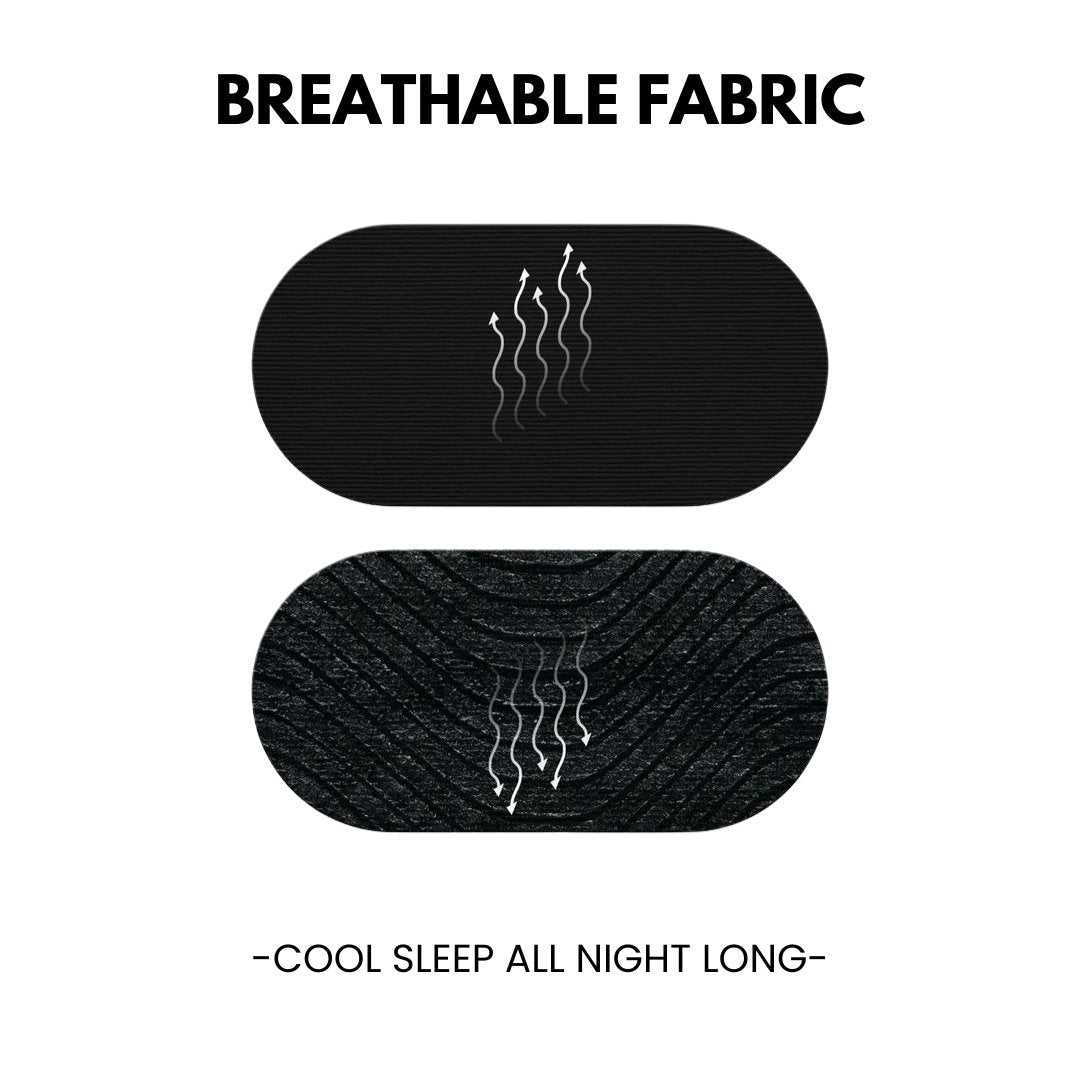
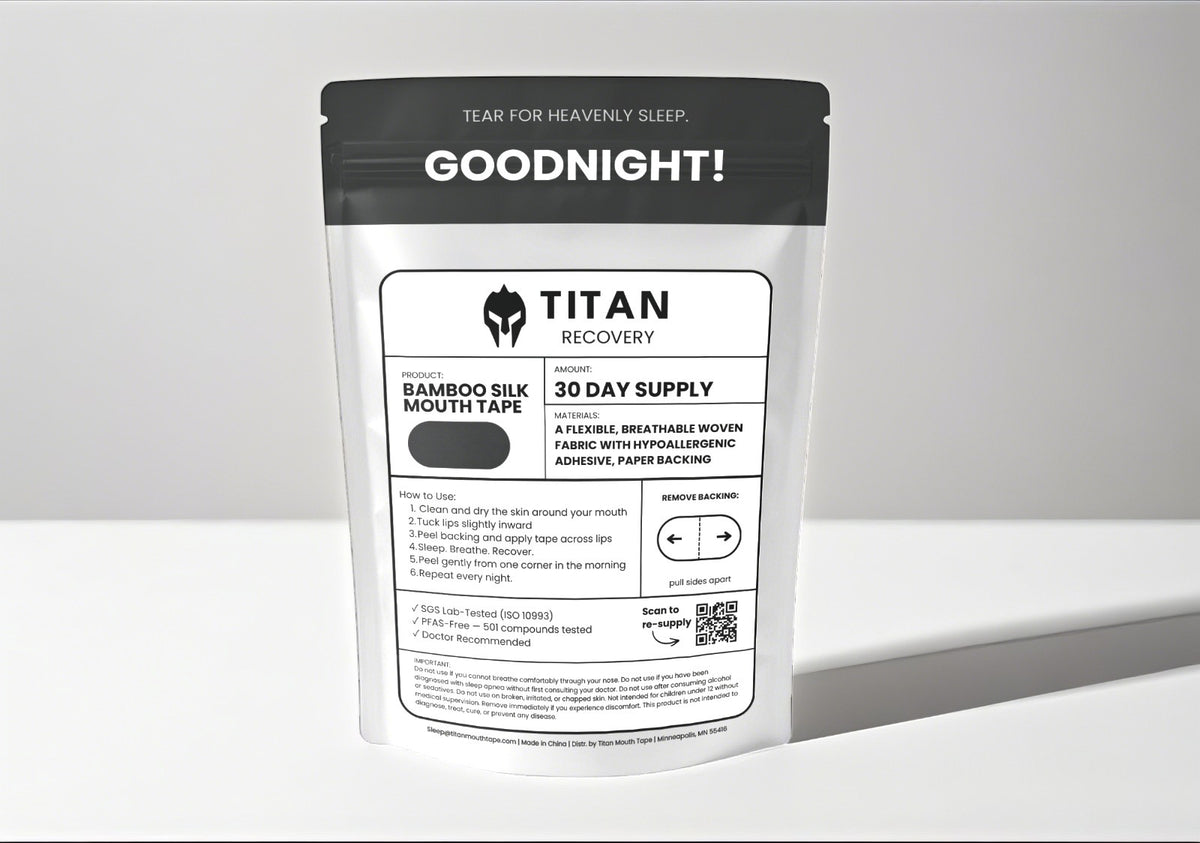
Mouth tape before lights out. Keeps the mouth closed, encouraging nasal breathing for the full night rather than relying on willpower or sleep position. This is the piece that lets the parasympathetic shift magnesium supports actually hold through the night instead of fighting against open-mouth breathing.
Cool, dark room. Supports the natural temperature drop and melatonin release that magnesium is working alongside, not against.
None of these pieces individually fixes poor sleep. Together, they address the nervous system, the airway, and the environment — the three levers that actually move sleep quality.
"As a maxillofacial surgeon and dentist, I recommend Titan Mouth Tape. Nasal breathing during sleep is essential for airway health and deep restorative rest. Titan's bamboo silk design is the most comfortable and effective mouth tape I have tested. If you struggle with snoring, dry mouth, or poor sleep quality, this is the simplest change you can make for your health."
— Dr. Francois P., MD, DDS, Maxillofacial Surgeon
Frequently Asked Questions
Is magnesium glycinate safe to take every night?
For most healthy adults, yes, within typical dosage ranges. If you have kidney issues or take medications that interact with magnesium, talk to your doctor first.
How long before I notice a difference?
Some people notice a subjective calming effect the first night. Measurable improvements in sleep quality typically take 1–2 weeks of consistent nightly use to become clear.
Can I take magnesium and use mouth tape on the same night?
Yes — there's no interaction between the two. They address different mechanisms (nervous system calming versus airway and breathing pattern) and are commonly used together as part of a broader sleep routine.
Why isn't magnesium working for me?
If you've been consistent with timing and dosage and still aren't seeing results, look at what else might be working against it — particularly mouth breathing, an inconsistent bedtime, or a bedroom that's too warm. Magnesium supports your nervous system, but it can't override every other disruptive factor on its own.
Doctor Recommended: “As a maxillofacial surgeon and dentist, I recommend Titan Mouth Tape. Nasal breathing during sleep is essential for airway health and deep restorative rest. Titan’s bamboo silk design is the most comfortable and effective mouth tape I have tested. If you struggle with snoring, dry mouth, or poor sleep quality, this is the simplest change you can make for your health.” — Dr. Francois P., MD, DDS — Maxillofacial Surgeon
Lab-Tested Safety: Titan’s SilkSeal™ adhesive is independently tested to ISO 10993 medical device standards. Non-toxic (95% cell viability). Non-allergenic (0% reaction rate). Non-irritating (score 0.0/8.0). PFAS-free — 501 compounds tested, zero detected. See full test results →
Try it tonight. Bamboo silk. SilkSeal™ adhesive. Beard-friendly. No logo on the tape. Free shipping. 30-night Better Sleep Guarantee. Shop Titan Mouth Tape → · Shop TitanAir →