What Doctors Say About Mouth Taping
Share
You've seen the TikTok videos, read the Reddit threads, maybe even tried mouth tape yourself — and now you want to know: what do doctors say about mouth taping? The honest answer is that medical opinion is split. Some ENTs and sleep specialists actively recommend it for certain patients. Others urge caution. And many are in the middle — acknowledging the logic behind it while noting that rigorous clinical evidence is still catching up to the practice.
Here's what the medical community actually thinks, what the FDA status means, and how to evaluate mouth taping with the same critical eye your doctor would use.
Where Doctors Agree: Nasal Breathing Is Better
Before getting into the debate about mouth tape specifically, one thing isn't debated at all: nasal breathing is physiologically superior to mouth breathing for the vast majority of people.
The nose warms, humidifies, and filters incoming air. The nasal passages produce nitric oxide — a molecule with vasodilatory and antimicrobial properties that supports oxygen absorption in the lungs. Chronic mouth breathing is associated with dry mouth, increased dental decay, gum disease, snoring, and disrupted sleep architecture. These are not controversial claims — they're well-established physiology that any ENT, pulmonologist, or dentist will confirm.
The question doctors are actually debating isn't whether people should breathe through their noses. It's whether taping the mouth shut during sleep is a reasonable way to achieve that.
Doctors Who Support Mouth Taping
A growing number of ENTs, sleep medicine specialists, and dentists have spoken publicly in support of mouth taping for specific patient populations. Their reasoning generally follows this logic:
It addresses a real problem. Many adults are habitual mouth breathers during sleep — not because of nasal obstruction, but because their jaw relaxes and their mouth falls open. For these patients, the nasal airway is perfectly functional; they just don't use it. Mouth tape keeps the mouth closed and routes airflow through the nose, which is exactly what these doctors want their patients to do.
It complements existing treatments. Some sleep specialists recommend mouth tape alongside other interventions — nasal strips for patients with mild nasal valve insufficiency, positional therapy for snoring, or as a behavioral tool for patients transitioning off CPAP for mild cases. Mouth tape isn't positioned as a replacement for medical treatment in these contexts, but as one component of a broader sleep hygiene protocol.
The risk profile is low for appropriate candidates. For a healthy adult with a clear nasal airway, the risk of mouth taping is minimal. The tape is gentle adhesive, not a seal — it can be opened with a lip movement or removed with one hand. Common safety concerns like "what if I can't breathe" are addressed by the fact that well-designed mouth tape allows mouth breathing in an emergency and that the nasal airway provides adequate ventilation for normal sleep.
Dentists have been particularly vocal, because they see the downstream effects of mouth breathing directly: dry mouth leading to cavities, gum recession, and long-term oral health decline. For dentists focused on airway-oriented practice, mouth tape is a practical tool that addresses a pattern they see causing real damage.
Doctors Who Urge Caution
The other side of the medical conversation is equally important, and the concerns raised are legitimate.
Undiagnosed sleep apnea is the primary worry. Sleep medicine physicians are concerned that people with obstructive sleep apnea (OSA) may use mouth tape instead of seeking diagnosis and treatment. OSA is a condition where the airway collapses during sleep, causing repeated breathing interruptions. It's associated with cardiovascular disease, hypertension, stroke, and daytime impairment. Mouth tape doesn't treat OSA — and in some cases, taping the mouth of someone with undiagnosed OSA could theoretically worsen oxygen desaturation events by removing the mouth as a backup airway when the nasal passage is obstructed.
This concern is valid. If you snore heavily, experience daytime sleepiness, or a partner has observed you stopping breathing during sleep, you should get a sleep study before trying mouth tape. Mouth tape is not a substitute for CPAP, oral appliance therapy, or other evidence-based sleep apnea treatments.
The evidence base is limited. Doctors trained in evidence-based medicine want to see randomized controlled trials before endorsing a practice. As of now, there are a small number of published studies on mouth taping during sleep — some showing reduced snoring and improved sleep metrics, others showing minimal effect. The studies that do exist tend to be small (under 50 participants), short-term, and not always well-controlled. This doesn't mean mouth taping doesn't work; it means the clinical evidence hasn't caught up to the practice yet.
Individual variation matters. Some doctors note that not everyone has a nasal airway adequate for full nighttime breathing. Deviated septums, nasal polyps, chronic rhinitis, and other conditions can make nasal-only breathing insufficient for some people. These doctors want patients evaluated before starting mouth tape — not because they oppose the concept, but because they want to ensure the nasal airway can actually support it.
Is Mouth Tape FDA Approved?
No, and this is important to understand correctly. Mouth tape is not an FDA-approved medical device. Here's what that actually means — and doesn't mean.
The FDA classifies products into categories. Medical devices — things like CPAP machines, pulse oximeters, and surgical instruments — go through a regulatory process that includes demonstrating safety and effectiveness for a specific medical indication. Mouth tape is not marketed as a medical device and does not claim to treat, cure, or prevent any disease. It falls into the category of general wellness products.
This is the same category that includes things like blue-light-blocking glasses, weighted blankets, and foam rollers. These products don't require FDA approval because they're not making medical claims. They're wellness tools that support general health practices.
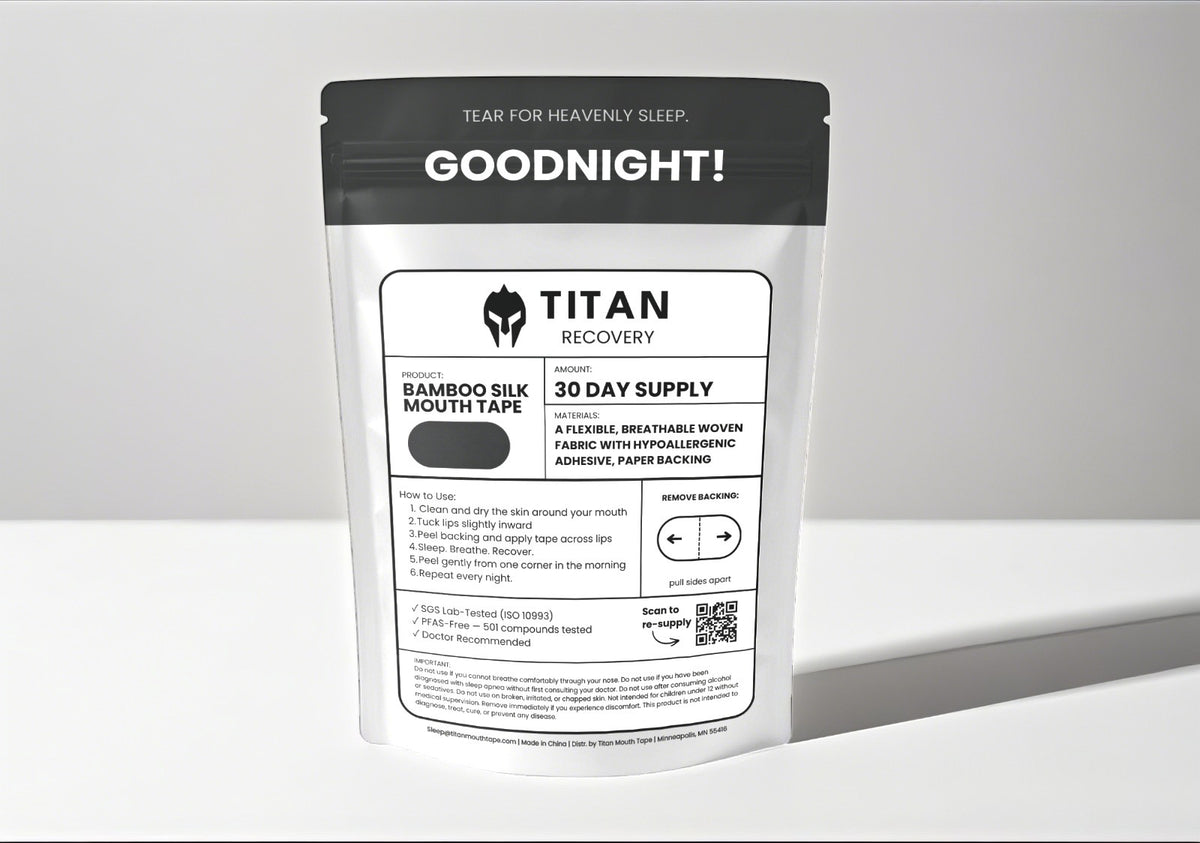
"Not FDA approved" doesn't mean "FDA disapproved" or "unsafe." It means the product hasn't gone through the medical device approval process — because it's not a medical device. The materials used in quality mouth tape (hypoallergenic adhesive, biocompatible backing material) are subject to their own safety standards, including ISO 10993 biocompatibility testing for skin-contact products.
When someone says "is mouth tape FDA approved" as a way to question its legitimacy, they're applying the wrong framework. The right questions are: is the product made with skin-safe, tested materials? Does the company make honest claims about what the product does? Is it appropriate for the intended use? For Titan Mouth Tape, the answer to all three is yes.
What the Professional Organizations Say
The American Academy of Sleep Medicine (AASM) — the primary professional body for sleep medicine in the United States — has not issued formal guidelines or position statements on mouth taping. This is neither an endorsement nor a condemnation. The AASM issues clinical practice guidelines based on systematic reviews of evidence, and mouth taping hasn't accumulated enough published research to trigger that review process.
Similarly, the American Academy of Otolaryngology (AAO) and the American Dental Association (ADA) have not issued formal positions on mouth taping. Individual practitioners within these organizations have spoken about it — often positively — but the organizations themselves have not weighed in as institutions.
This is normal for emerging wellness practices. Weighted blankets were used for years before enough research accumulated for professional organizations to comment. The absence of a formal position means the practice is too new for institutional review, not that the institutions have concerns they haven't voiced.
The State of the Research
Let's be honest about where the clinical evidence stands. The published research on mouth taping during sleep is limited but growing. Several small studies have examined mouth taping in the context of snoring reduction and sleep quality, with generally positive results — reduced snoring intensity, improved subjective sleep quality, and in some cases improved oxygen saturation compared to mouth-breathing baselines.
The limitations of these studies are real: small sample sizes, short durations, and difficulty blinding participants (you know whether your mouth is taped). Larger, longer-term studies are needed to establish mouth taping as an evidence-based practice by the standards that medical professionals apply.
What the existing research does support is the mechanism — that keeping the mouth closed during sleep promotes nasal breathing, and that nasal breathing is associated with better oxygenation, reduced snoring, and improved sleep quality. The science behind nasal breathing itself is well-established. The specific intervention of using tape to maintain mouth closure is the newer piece.
Meanwhile, the anecdotal evidence is substantial. Thousands of people report meaningful improvements in sleep quality, reduced snoring, elimination of dry mouth, and better morning energy after adopting mouth taping. Anecdotal evidence doesn't meet the bar for clinical practice guidelines, but it's not nothing — it's real-world data from real users that consistently points in the same direction as the limited formal research.
How to Approach Mouth Taping Like a Doctor Would
If you want to try mouth taping with the same rigor a thoughtful physician would apply, here's the framework:
- Rule out sleep apnea first. If you snore heavily, feel excessively tired during the day, or have been told you stop breathing during sleep, get a sleep study before trying mouth tape. This is the most important step.
- Confirm nasal airway adequacy. Lie down, close your mouth, and breathe through your nose for a full minute. If it's comfortable and easy, your nasal airway can support overnight mouth taping. If it's labored, see an ENT to evaluate for nasal obstruction.
- Start gradually. Wear the tape for 30 minutes while awake to build comfort. Then try it for a nap. Then overnight. This is how any responsible clinician would introduce a new sleep intervention — progressively, with monitoring.
- Track your results. Note your sleep quality, morning energy, dry mouth severity, and snoring (ask a partner or use a snoring app). If mouth taping is working, you should see measurable improvements within the first week or two.
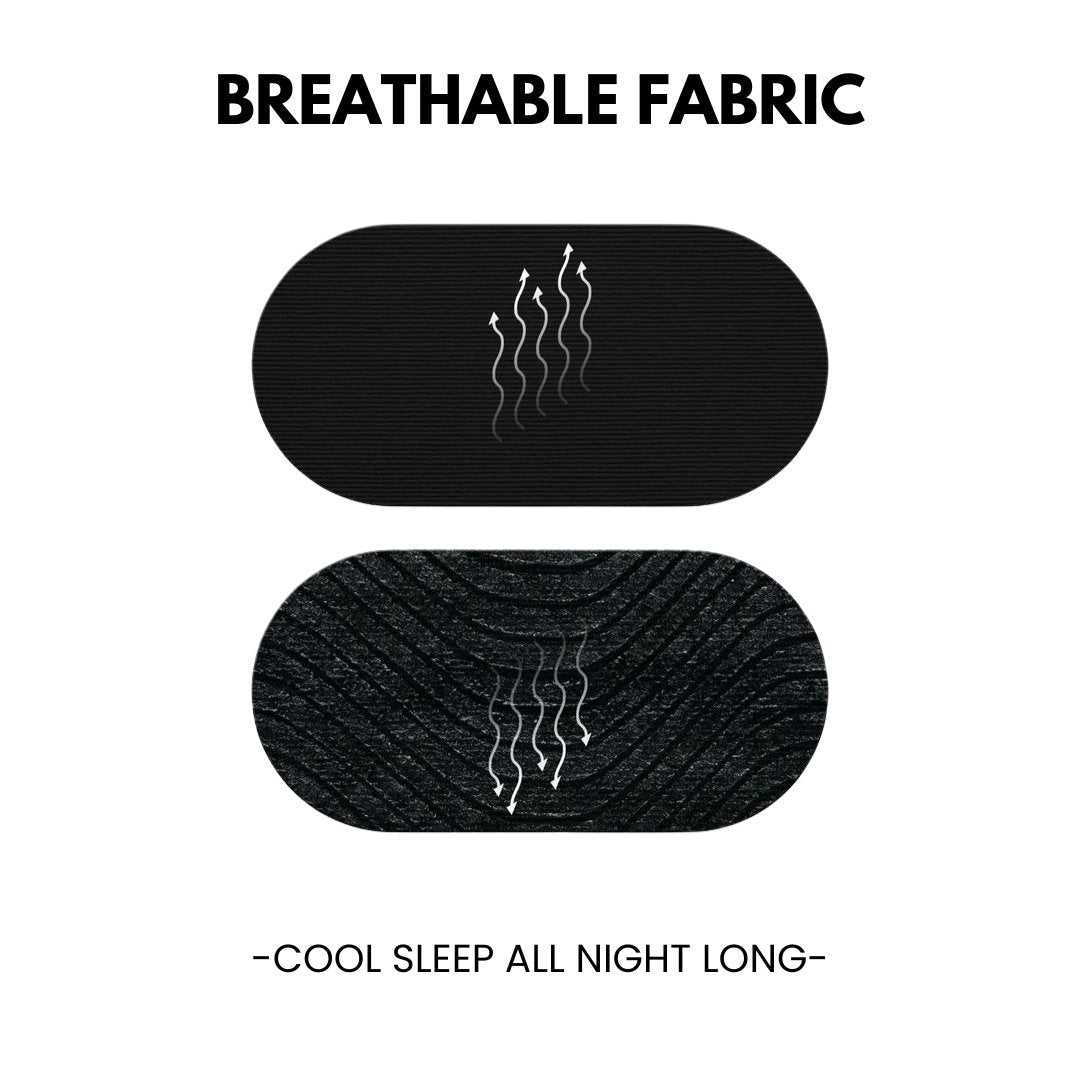
- Use quality products. A doctor would never recommend using duct tape or athletic tape on your face overnight. Use a product designed for the purpose — with hypoallergenic adhesive, breathable material, and skin-safe construction.
The Bottom Line
Medical opinion on mouth taping is mixed, not binary. The doctors who support it do so because it promotes nasal breathing — something universally acknowledged as beneficial — in a low-risk way for appropriate candidates. The doctors who urge caution are concerned about undiagnosed sleep apnea and the limitations of current research, and those concerns are legitimate.
Mouth tape is not FDA approved because it's a wellness product, not a medical device — the same category as most sleep accessories you already use. The clinical research is early-stage but directionally positive, and the anecdotal evidence from users is consistently strong. Professional organizations haven't issued formal positions, which reflects the newness of the practice rather than opposition to it.
If you approach mouth taping responsibly — ruling out sleep apnea, confirming your nasal airway works, starting gradually, and using a quality product like Titan Mouth Tape — you're doing exactly what a careful, informed doctor would advise. And if you want an extra layer of confidence, bring it up with your own physician. The conversation is worth having, and most doctors will give you a thoughtful, individualized answer rather than a blanket yes or no.
Doctor Recommended: "As a maxillofacial surgeon and dentist, I recommend Titan Mouth Tape. Nasal breathing during sleep is essential for airway health and deep restorative rest. Titan's bamboo silk design is the most comfortable and effective mouth tape I have tested. If you struggle with snoring, dry mouth, or poor sleep quality, this is the simplest change you can make for your health." — Dr. Francois P., MD, DDS — Maxillofacial Surgeon
Lab-Tested Safety: Titan's adhesive is independently tested to ISO 10993 medical device standards. Non-toxic (95% cell viability). Non-allergenic (0% reaction rate). Non-irritating (score 0.0/8.0). PFAS-free — 501 compounds tested, zero detected. See full test results →
Try the complete system tonight. Titan Mouth Tape (bamboo silk, SilkSeal™ adhesive) + TitanAir Nasal Strips. Free shipping. 30-night Better Sleep Guarantee. Shop Titan Mouth Tape → · Shop TitanAir Nasal Strips →
Related reading
- How Does Mouth Tape Work? The Mechanism Explained
- Mouth Breathing and Dark Circles: Why Your Eyes Show Your Breathing...
- Sleep and Breathing for Women: A Complete Guide
- Mouth Tape and Acid Reflux: Can Nasal Breathing Reduce Nighttime GERD?
Want the tape built for this? Try Titan mouth tape from Titan — bamboo silk, beard-friendly, PFAS-free, with a 30-Night Better Sleep Guarantee.