Sleep After 50: How to Get Deep, Restful Sleep
Share
If falling asleep, staying asleep, and waking up rested has quietly gotten harder, you are not doing anything wrong. Sleep after 50 changes in specific, measurable ways: you spend less time in deep sleep, your internal clock runs earlier, your nights break into more pieces, and the tissue around your airway grows softer and more prone to collapse. The good news is that none of this is fixed in place. With a few deliberate adjustments, most people in their fifties, sixties, and beyond can still sleep deeply and wake up recovered.
Here is what is actually happening to your sleep, why it matters for your long-term health, and the practical steps that make the biggest difference at this stage of life.
What Changes in Your Sleep After 50
The shifts that begin in your forties accelerate through your fifties and sixties. They are predictable, they happen to nearly everyone, and understanding them is the first step to working with your body instead of against it. If you want the earlier chapter of this story, our guide on why sleep gets worse after 40 covers the groundwork.
Deep sleep keeps declining. Slow-wave sleep is the deepest, most restorative stage, when your body repairs tissue, clears metabolic waste from the brain, and releases growth hormone. It drops steadily with age, and by your fifties and sixties many people get only a fraction of what they did in their twenties. You may spend the same hours in bed, but far less of that time restores you. This is a leading reason older adults report sleeping "enough" yet still waking up tired.
Your body clock runs earlier. Advanced sleep phase is common after 50. You feel sleepy earlier in the evening and wake earlier in the morning, sometimes well before you want to. This is a genuine biological shift in the brain region that sets your circadian rhythm, not a habit you can simply ignore. Fighting it by staying up late while still waking at dawn only shrinks your total sleep window and leaves you short on both ends.
Sleep becomes more fragmented. Older adults wake more often during the night, whether or not they remember it. More awakenings mean more time in light sleep and less in the deep and REM stages that deliver real recovery. Lighter, more easily disturbed sleep is one of the most consistent findings in research on aging and sleep.
Nighttime bathroom trips increase. Waking to use the bathroom, known as nocturia, becomes far more common with age for both men and women. Even one or two trips fragments your sleep and makes it harder to fall back into the deeper stages. Limiting fluids in the last two to three hours before bed helps, and persistent nighttime urination is worth mentioning to your doctor.
Your Airway Changes, and It Matters More Now
This is the change most people never hear about, and after 50 it may be the most important of all.
As you age, the soft tissue in your throat and the back of your mouth loses tone. Muscles that once held the airway open at night relax more. Tissue becomes laxer, and the airway narrows. These structural changes make sleep-disordered breathing, including snoring, upper airway resistance, and obstructive events, far more common with each passing decade. The prevalence of sleep-disordered breathing rises sharply from midlife onward, and it is often more pronounced after menopause in women.
Many people who never snored in their thirties or forties start in their fifties and sixties. The same loss of muscle tone also nudges many older adults toward breathing through the mouth at night. And mouth breathing during sleep is not a harmless quirk. It dries out the airway, shifts your nervous system toward a more activated state, and worsens nearly every other age-related sleep change. If you wake with a dry mouth, a sore throat, or the feeling that you slept without resting, how you breathe at night deserves a close look.
Why Deep Sleep Is Worth Protecting
It would be easy to treat worse sleep as a cosmetic annoyance. It is not. The stakes climb as you age.
Cognition, immunity, and heart health all depend on it. Deep sleep is when the brain consolidates memories and clears metabolic waste, so chronically shallow sleep is associated with poorer memory and slower thinking over time. Much of your immune maintenance also happens in deep sleep, and immune resilience already declines with age, so poor nights compound. Deep, unbroken sleep supports healthy blood pressure and steady metabolism too, while fragmented sleep and untreated sleep-disordered breathing are linked to higher cardiovascular risk. In short, protecting your sleep after 50 is one of the highest-leverage things you can do for how you age.
How Seniors Can Sleep Better
The changes above are real, but they respond to the right habits. Better sleep for seniors comes down to a handful of deliberate moves, done consistently.
Get bright light early, and dim it late. Light is the strongest signal your body clock reads. Morning sunlight within an hour of waking helps anchor a rhythm that drifts earlier with age, and it can ease the too-early waking many people over 50 experience. In the evening, dim the lights and limit screens. Getting outside during the day matters more now, because older eyes let in less light overall.
Stay physically active. Regular movement is one of the most reliable ways to increase deep sleep at any age. It supports healthy hormones, steadies mood, and deepens slow-wave sleep. Keep intense exercise out of the last few hours before bed so it does not raise your core temperature and delay sleep onset. A daily walk counts more than most people think.
Review medications and caffeine with your doctor. After 50, many people take daily medications, some of which interfere with sleep or increase nighttime waking. Caffeine also lingers longer in the body as you age. Do not stop any prescribed medication on your own, but ask your doctor or pharmacist whether timing changes might help, and move your last caffeine earlier in the day.
Lock in your sleep hygiene. The fundamentals carry more weight now because your biological margin is thinner. A steady bedtime and wake time reinforces a shifting circadian rhythm. A cool, dark, quiet room supports the temperature drop that initiates sleep. Keeping the last hours before bed calm protects whatever natural wind-down signals you still have. Our guide to simple sleep hygiene changes lays out the essentials, and our broader overview of how to sleep better pulls the habits together.
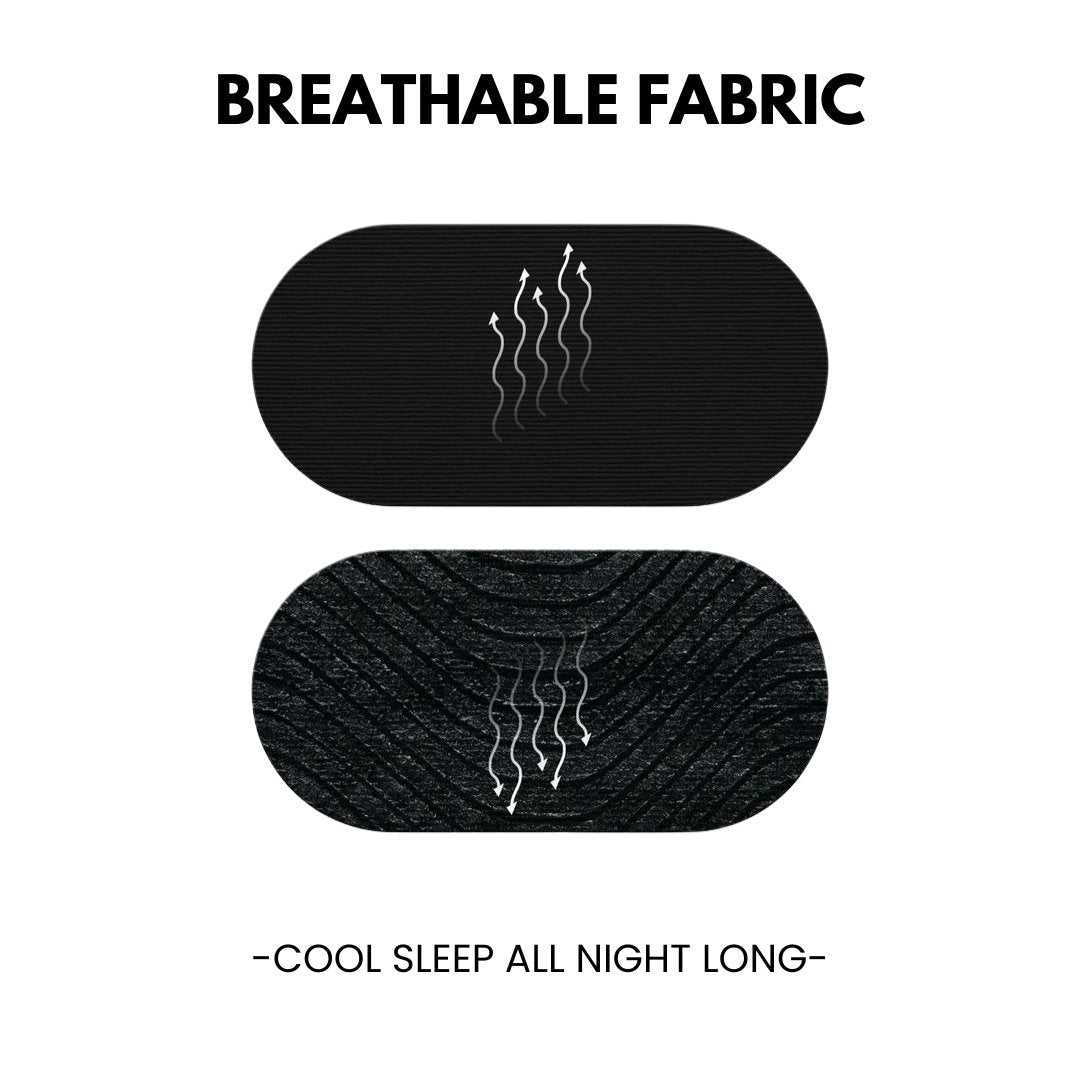
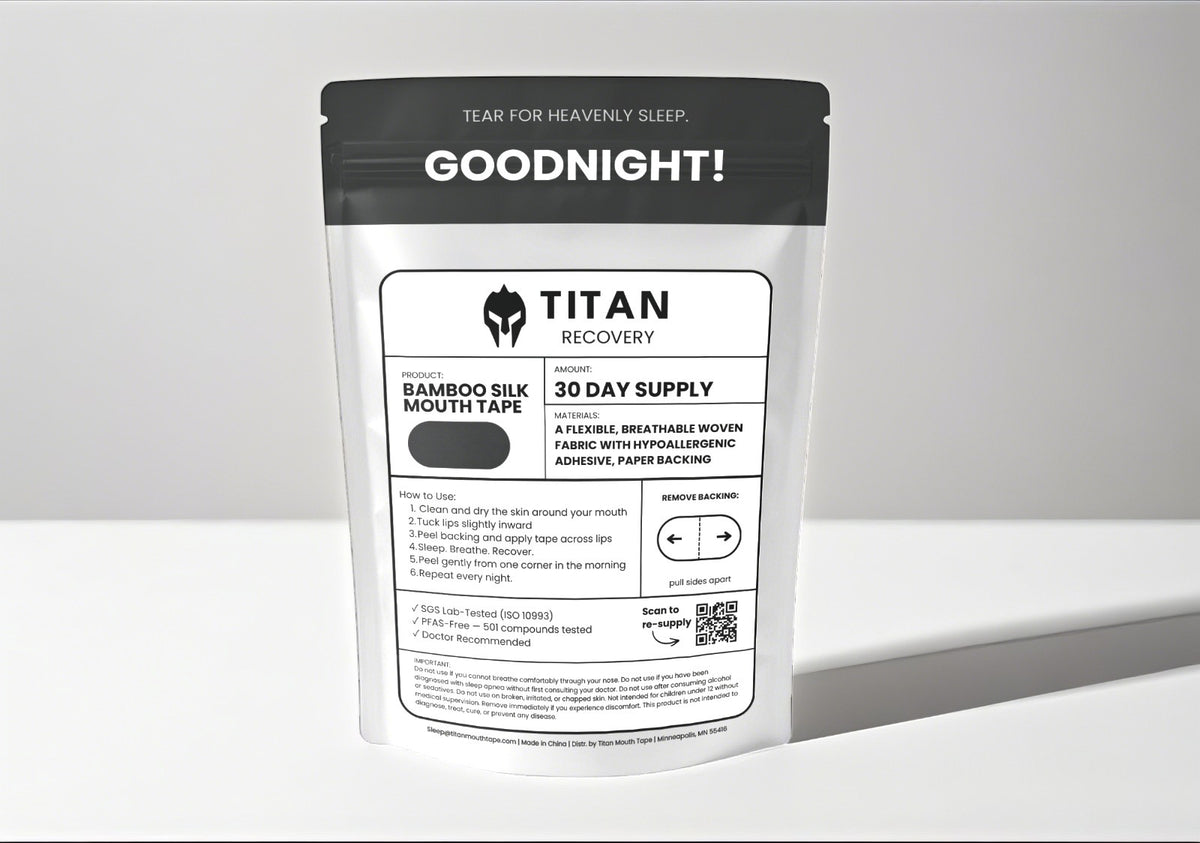
Address how you breathe at night. This is where most sleep advice for older adults stops short. People talk about light, exercise, and routine, but almost no one addresses the airway changes that make nighttime breathing worse every year after 50. Mouth tape keeps your lips gently sealed so every breath passes through your nose, which filters, warms, and humidifies the air. Nasal breathing also supports the calmer, parasympathetic state your body needs to enter deep sleep, and it keeps the airway more stable than open-mouth breathing allows.
Why Nasal Breathing Becomes Especially Valuable With Age
At 30, your body compensates for mouth breathing. Strong airway muscle tone and robust sleep drive carry you through the night without much cost. After 50, that buffer is gone, and every variable matters more because the reserve that once covered for poor breathing has thinned.
Nasal breathing keeps the airway more open and stable, directly working against the tissue laxity that comes with age. It reduces snoring, which is itself a marker of partial airway obstruction that fragments your nights, and it supports the steady breathing pattern your body needs to access whatever deep sleep remains available to you. For older adults, mouth taping is not a trendy hack. It is a direct, mechanical response to a real change, gently holding the mouth closed and the jaw supported when your anatomy no longer does that on its own.
Pairing mouth tape with a nasal strip makes the combination stronger still. The strip opens the nasal valve mechanically, lowering resistance so each breath comes easier. For people whose nasal passages have narrowed with age or who deal with mild congestion, that removes the very barrier that would otherwise push them to open their mouth at night. The Deep Sleep Bundle puts both tools together in one package.
One important note: if you snore loudly, gasp or choke during sleep, stop breathing for stretches that a partner notices, or feel exhausted no matter how long you sleep, talk to a doctor. These can be signs of obstructive sleep apnea, which is more common after 50 and needs proper medical evaluation. Mouth tape and nasal strips support healthy nasal breathing, but they are not a treatment for sleep apnea.
Frequently Asked Questions
Is it normal to sleep worse after 50?
Yes, but normal does not mean you have to accept it. Less deep sleep, an earlier body clock, more fragmentation, and more nighttime waking are all well-documented shifts. They respond to consistent light exposure, daily activity, good sleep hygiene, and addressing how you breathe at night. Most people over 50 can still sleep deeply with the right adjustments.
Why do I wake up so early now and cannot fall back asleep?
Waking early is often driven by advanced sleep phase, a genuine shift in your circadian rhythm that pulls both your sleep and wake times earlier with age. Getting bright light in the morning and again in the late afternoon, and keeping evenings calm and dark, can help nudge your clock. If early waking comes with low mood or persistent fatigue, mention it to your doctor.
How can seniors get more deep sleep?
Deep sleep responds best to consistency and daytime activity. Keep a steady sleep and wake schedule, get regular exercise earlier in the day, get morning sunlight, keep your bedroom cool and dark, and protect your breathing at night so the airway stays open. Reducing fragmentation from snoring and mouth breathing often lets your body spend more time in the deep stages it can still access.
Can mouth taping help with snoring that started after 50?
Often, yes. Snoring that appears later in life is frequently caused by mouth breathing combined with age-related airway laxity. When the mouth falls open, the jaw drops back, the tongue slides toward the throat, and the airway narrows. Mouth tape keeps the jaw supported and routes breathing through the nose, addressing the mechanical cause of most positional snoring. If your snoring is loud or comes with gasping or pauses in breathing, see a doctor to rule out sleep apnea first.
What is the single most helpful change for sleep after 50?
Keep a consistent sleep and wake schedule, even on weekends, because it anchors a rhythm that is naturally drifting earlier. After that, the highest-leverage change most people overlook is how they breathe at night. Supporting nasal breathing with mouth tape counters the airway changes that make sleep lighter and more broken as you age.
The Bottom Line
Sleep after 50 is different because your body is different. You spend less time in deep sleep, your clock runs earlier, your nights break into more pieces, and your airway is structurally less stable than it once was. These are facts of aging, not personal failures, and every one of them responds to the right adjustments.
Get bright light early, stay active during the day, review your medications and caffeine with your doctor, and hold the fundamentals of sleep hygiene steady, because your margin for error is thinner now. Most of all, pay attention to how you breathe at night, because the airway changes that arrive with age make nasal breathing more valuable than ever. And if the warning signs of sleep apnea are present, bring them to a doctor. The tools to sleep well at this stage exist, and your body is ready to use them.
Doctor Recommended: "As a maxillofacial surgeon and dentist, I recommend Titan Mouth Tape. Nasal breathing during sleep is essential for airway health and deep restorative rest. Titan's bamboo silk design is the most comfortable and effective mouth tape I have tested. If you struggle with snoring, dry mouth, or poor sleep quality, this is the simplest change you can make for your health." — Dr. Francois P., MD, DDS — Maxillofacial Surgeon
Lab-Tested Safety: Titan's adhesive is independently tested to ISO 10993 medical device standards. Non-toxic (95% cell viability). Non-allergenic (0% reaction rate). Non-irritating (score 0.0/8.0). PFAS-free — 501 compounds tested, zero detected. See full test results →
Try the complete system tonight. Titan Mouth Tape (bamboo silk, SilkSeal™ adhesive) + TitanAir Nasal Strips. Free shipping. 30-night Better Sleep Guarantee. Shop Titan Mouth Tape → · Shop TitanAir Nasal Strips →