Mouth Tape Side Effects: What to Know
Share
The most common mouth tape side effects are minor and manageable: skin irritation or redness from the adhesive, mild anxiety or claustrophobia during the first few nights, and lip dryness if you use the wrong product. For most healthy adults who can breathe comfortably through the nose, these effects are temporary and preventable. Mouth taping is not appropriate for people with untreated sleep apnea or blocked nasal passages.
Below is an honest look at every potential downside, who is actually at risk, and how to avoid or minimize each one.
What is mouth taping?
Mouth taping is the practice of placing a small piece of tape over the lips before sleep to encourage nasal breathing. It is a purely mechanical habit — the tape holds your lips gently together so air moves through your nose instead of your mouth overnight. Nasal breathing filters, warms, and humidifies air, and is associated with less snoring, less dry mouth, and steadier sleep. The tape contains no drugs or active ingredients; nothing absorbs into your body.
Because the intervention is so simple, its risks are also narrow and well understood. The question isn't whether mouth tape is universally safe — it's whether it's right for you, and how to use it correctly.
What are the side effects of mouth tape?
Here are the potential side effects of mouth taping, from most to least common:
- Skin irritation or redness where the adhesive sits, especially with low-quality or industrial-grade tape.
- Anxiety or claustrophobia during the first few nights while your brain adjusts to the sensation.
- Lip dryness or chapping if the tape pulls moisture from the lips or you apply it over dry skin.
- Adhesive residue or discomfort on removal with tapes not designed for facial skin.
- Ineffective or unsafe breathing if your nasal passages are congested or blocked.
- Masking a serious condition — using tape instead of getting untreated sleep apnea diagnosed.
Most of these are mild, temporary, and tied to either the product you choose or how you introduce the habit. The last two are the ones that actually matter for safety, and we cover them in detail below.
Is mouth taping dangerous?
For a healthy adult who can breathe freely through the nose, mouth taping is low-risk. The tape covers only the lips, peels off with minimal effort, and quality versions are porous enough to allow airflow in an emergency. There are no documented cases of suffocation from properly applied mouth tape in medical literature.
The real risk isn't the tape itself — it's using it in the wrong situation. Taping your mouth shut when you can't breathe through your nose, or when you have an undiagnosed breathing disorder, is where mouth taping goes from harmless to inappropriate. The tape doesn't create danger; using it as a substitute for medical care does.
Skin irritation and adhesive reactions
Skin irritation is the most common physical side effect of mouth taping. It usually shows up as slight redness or pinkness where the tape sat, and it typically fades within 30 minutes of removal. It happens when the adhesive seal limits the skin's normal overnight moisture exchange, or when a harsh, non-medical adhesive is used on delicate facial skin.
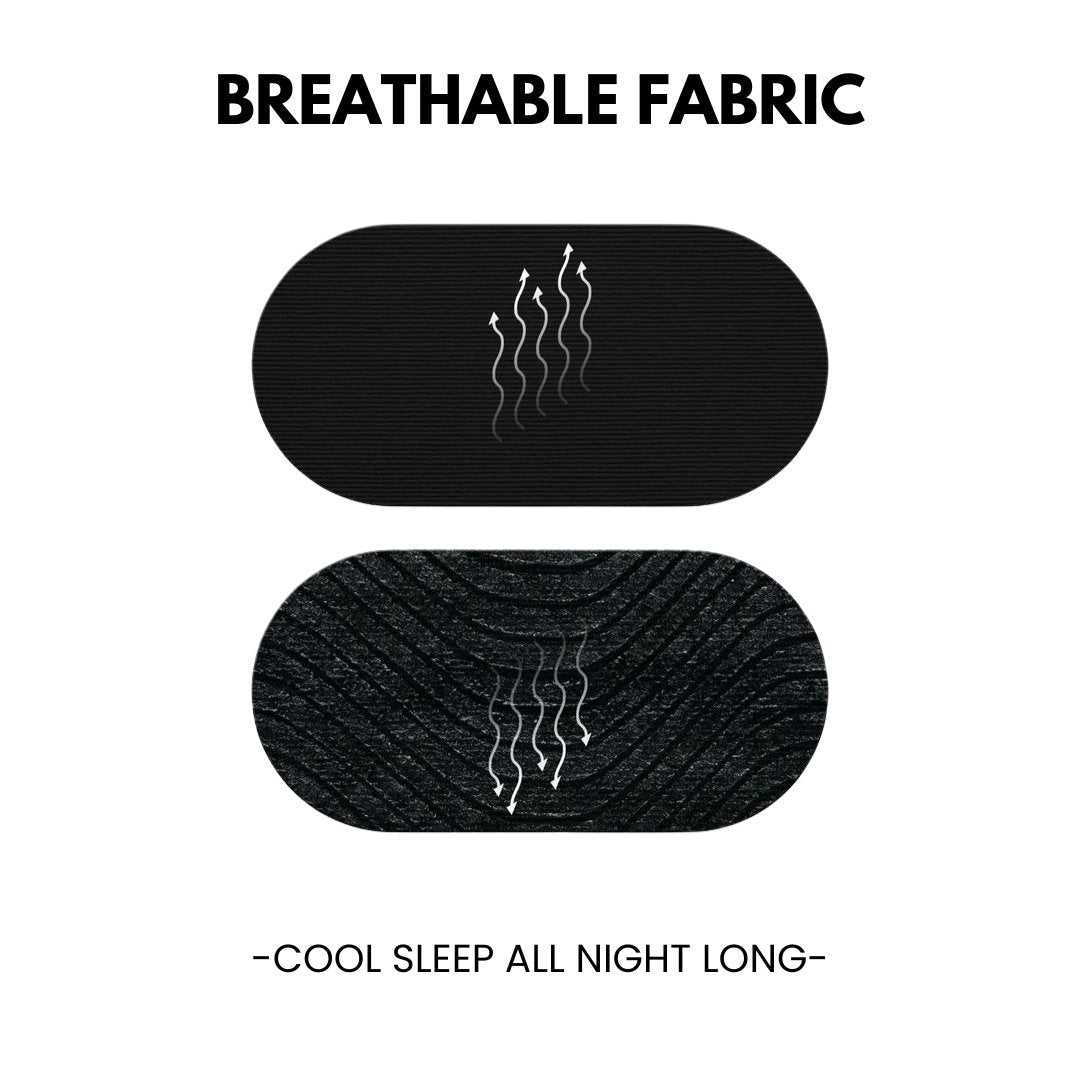
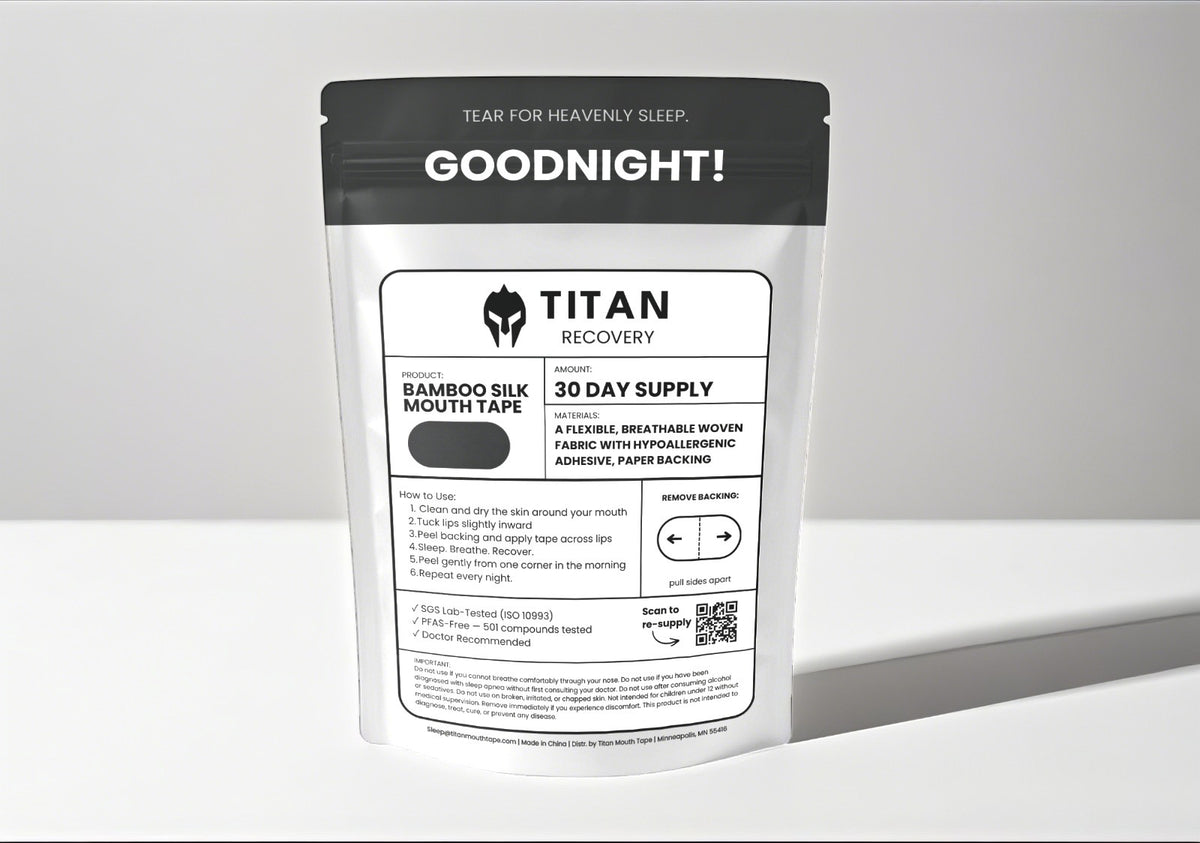
How to prevent it: Choose a tape made with a hypoallergenic, medical-grade adhesive designed for prolonged skin contact rather than a repurposed industrial or packaging tape. Titan Mouth Tape uses a latex-free adhesive and breathable bamboo silk fabric specifically so the skin underneath stays drier and calmer over nightly use. If you have a history of adhesive allergies from bandages or medical tape, test a strip on the back of your hand for 30 minutes first. Applying a light, fragrance-free moisturizer after removal helps too. If you're prone to breakouts, our guide on whether mouth tape causes acne and rashes covers this in more depth.
Anxiety and claustrophobia during adjustment
Feeling uneasy about covering your mouth is common in the first few nights, and it is psychological rather than physical. Your brain isn't used to the sensation, and some people wake up wanting to remove the tape or feel a flutter of panic before falling asleep. This almost always resolves within three to five nights as the feeling becomes familiar.
How to ease it: Take an ease-in approach. Wear the tape for 15 to 20 minutes during the day while you're awake and in control, so your brain learns the sensation is safe. Start with a vented tape or a small strip rather than fully sealing the lips. And remember the tape peels off instantly if you need it to. If waking up anxious is your main concern, we wrote a full guide on mouth tape panic when waking up and how to work through it.
Lip dryness and the wrong-product problem
Lip dryness or chapping is almost always a product problem, not a mouth-taping problem. Tapes that use aggressive adhesives, or that cover the entire lip surface, can pull moisture from the lips overnight. Applying tape over already-dry or cracked lips makes it worse.
How to prevent it: Use a tape sized and shaped to sit on the skin around the lips rather than smothering them, made from a breathable material. Avoid taping over chapped lips, and apply a thin layer of lip balm before bed if you're prone to dryness — just keep it off the exact area where the adhesive needs to grip. A well-designed tape shouldn't leave your lips dry at all.
When mouth tape is ineffective or unsafe
Mouth tape only works if you can actually breathe through your nose. If your nasal passages are congested or blocked, taping your mouth shut forces you to fight for air, which disrupts sleep and defeats the purpose. This is the single most important thing to get right before you start.
How to fix it: Make sure your nasal breathing is clear before you tape. Treat allergies or congestion first, and consider pairing tape with TitanAir Nasal Strips, which open the nasal passages mechanically and make nasal breathing easier. If congestion is chronic or severe, hold off on taping until you've addressed the underlying cause. Our step-by-step walkthrough on how to start mouth taping shows how to check your nasal breathing before your first night.
Who is at risk and should avoid mouth tape?
Mouth taping is not appropriate for everyone. Skip it, or talk to a doctor first, if any of the following apply:
- Untreated or suspected sleep apnea. If you snore loudly with gasping or choking, have observed breathing pauses, or feel exhausted despite a full night's sleep, get a sleep study before taping. Mouth tape is not a treatment for sleep apnea and can mask symptoms that need medical care.
- Blocked or severely congested nasal passages. A fully deviated septum, nasal polyps, or chronic congestion means you may not be able to breathe adequately through your nose alone.
- Recent alcohol use, nausea, or vomiting risk. Don't tape your mouth if you've been drinking heavily, have a stomach illness, or take medication that can cause vomiting.
- Children should only use mouth tape under the guidance of a pediatric dentist or ENT specialist.
- Known adhesive allergies or fragile facial skin conditions — patch-test first and stop if you react.
How to minimize side effects
Most mouth tape side effects come down to two things: the product you choose and how you introduce the habit. To keep risks low:
- Confirm clear nasal breathing first. Add a nasal strip if you need help, and never tape through congestion.
- Choose a hypoallergenic, medical-grade tape made for facial skin, not a generic or industrial adhesive.
- Ease in gradually. Practice during the day and start with a vented tape or small strip before a full seal.
- Care for your skin. Apply tape to clean, dry skin and moisturize after removal.
- Listen to your body. If something feels wrong, remove the tape — it comes off in a second.
The Deep Sleep Bundle pairs the tape with nasal strips for exactly this reason: it addresses the biggest cause of side effects — restricted nasal breathing — from the start.
Frequently Asked Questions
Is mouth tape bad for you?
For healthy adults who can breathe comfortably through the nose, mouth tape is not bad for you when used correctly. The main side effects — mild skin irritation, early-adjustment anxiety, and lip dryness — are minor and preventable. It becomes inappropriate only when used by someone with untreated sleep apnea or blocked nasal passages.
Can mouth tape cause any long-term damage?
There's no evidence that properly used mouth tape causes long-term harm to healthy adults. Because it's purely mechanical and nothing absorbs into your body, the risks are limited to short-term, reversible effects like skin redness. Using a breathable, skin-friendly tape further reduces any cumulative irritation over months of use.
Do the side effects go away over time?
Yes, for most people. Adjustment anxiety typically fades within three to five nights, and mild skin redness usually diminishes over the first week as your skin adapts. Choosing the right product and easing in gradually speeds this up considerably.
Can I choke or suffocate from mouth tape?
There are no documented cases of suffocation from properly applied mouth tape. Quality tape is porous, covers only the lips, and peels off with minimal effort, so air can pass or the tape can be removed if your body needs to breathe through your mouth.
When should I stop using mouth tape?
Stop and consult a doctor if you develop persistent skin reactions, wake up gasping or short of breath, or find you can't breathe well through your nose. Also stop if you suspect sleep apnea — you need a proper diagnosis, not tape.
The Bottom Line
Mouth tape side effects are real but generally minor: skin irritation, early anxiety, and lip dryness top the list, and nearly all of them come down to product quality and how you ease into the habit. Choosing a hypoallergenic, medical-grade tape, confirming clear nasal breathing before you start, and introducing the habit gradually eliminate most issues. The important caveat is medical, not cosmetic: mouth tape is not a treatment for sleep apnea, and anyone with untreated apnea, severe congestion, or a breathing condition should see a doctor before taping. For everyone else, Titan Mouth Tape is a low-risk way to make nasal breathing your default overnight.
Doctor Recommended: "As a maxillofacial surgeon and dentist, I recommend Titan Mouth Tape. Nasal breathing during sleep is essential for airway health and deep restorative rest. Titan's bamboo silk design is the most comfortable and effective mouth tape I have tested. If you struggle with snoring, dry mouth, or poor sleep quality, this is the simplest change you can make for your health." — Dr. Francois P., MD, DDS — Maxillofacial Surgeon
Lab-Tested Safety: Titan's adhesive is independently tested to ISO 10993 medical device standards. Non-toxic (95% cell viability). Non-allergenic (0% reaction rate). Non-irritating (score 0.0/8.0). PFAS-free — 501 compounds tested, zero detected. See full test results →
Try the complete system tonight. Titan Mouth Tape (bamboo silk, SilkSeal™ adhesive) + TitanAir Nasal Strips. Free shipping. 30-night Better Sleep Guarantee. Shop Titan Mouth Tape → · Shop TitanAir Nasal Strips →