Does Mouth Tape Cause Acne, Rashes, or Irritation?
Share
You started mouth taping for better sleep and woke up with a breakout around your lips. Now you're wondering: does mouth tape cause acne? The short answer is that mouth tape itself doesn't cause acne, but the conditions it creates — trapped moisture, adhesive contact, and friction against skin — can trigger breakouts, rashes, or irritation in some people, especially if the tape material or your skin prep isn't right.
The good news is that this is almost always preventable. The fix usually comes down to tape material, skin preparation, and application technique — not abandoning mouth taping altogether. Here's what's actually happening on your skin and how to stop it.
Why Mouth Tape Can Trigger Skin Reactions
Three mechanisms are at work when you tape your mouth overnight, and any of them can cause problems on susceptible skin.
Occlusion and Trapped Moisture
When tape covers skin for 7 to 9 hours, it creates an occlusive environment — moisture from sweat, breath condensation, and natural sebum production gets trapped between the tape and your skin. This is the same mechanism behind "maskne" (acne caused by wearing face masks), and it works the same way.
Trapped moisture softens the outer layer of skin (the stratum corneum), which disrupts the skin barrier. Sebum production continues under the tape but can't evaporate or spread normally. The combination of softened, compromised skin and trapped sebum creates an environment where the bacteria that cause acne — primarily Cutibacterium acnes — can proliferate more easily. The result is small, inflamed bumps, whiteheads, or red patches concentrated where the tape sits.
This is more likely if you naturally have oily or acne-prone skin, if you sleep hot, or if you live in a humid climate.
Adhesive Chemistry
The adhesive on any tape product is a chemical compound designed to bond to skin. Most medical-grade adhesives use acrylate-based or rubber-based formulations. Acrylate adhesives are generally less allergenic but can still cause contact dermatitis in sensitive individuals. Rubber-based adhesives (especially those containing natural rubber latex) are more likely to trigger allergic reactions.
Contact dermatitis from adhesive typically looks different from acne: it presents as redness, itching, and sometimes blistering in a pattern that exactly matches the shape of the tape. If your mouth tape rash follows the tape outline precisely, you're likely reacting to the adhesive rather than experiencing moisture-related breakouts.
Cheap tapes and tapes not designed for facial skin are more likely to use aggressive adhesives. Athletic tape, surgical tape, and generic adhesive strips were not formulated for nightly contact with the delicate skin around the mouth.
Mechanical Friction
During sleep, you move. Your jaw shifts, your lips press together and apart, and the tape flexes against your skin. This subtle but repetitive friction can irritate the skin surface, particularly on the lips and the skin of the upper lip and chin. Mouth tape lip irritation — dry, chapped, or peeling lips — is often friction-related rather than adhesive-related.
Friction-related irritation is more common with rigid tapes that don't flex with facial movement, with tapes that have rough textures, and with full-coverage application methods that put adhesive across a larger surface area.
How to Prevent Breakouts From Mouth Tape
If you've experienced a mouth tape skin reaction, the instinct is to stop taping. But in most cases, the solution is changing your approach rather than abandoning the practice. The benefits of mouth taping — reduced snoring, better sleep quality, improved oral health — are worth preserving if you can solve the skin issue.
Clean, Dry Skin Before Application
This is the single most effective prevention step. Wash your face before bed — specifically the area around your mouth and chin. Remove any residual moisturizer, sunscreen, or makeup. The goal is clean, dry skin with nothing between the adhesive and your skin that could trap bacteria or cause the tape to shift and create friction.
Critically: do not apply lip balm before taping. Lip balm is an occlusive product — it's designed to trap moisture. Adding lip balm under tape creates a double layer of occlusion that almost guarantees moisture buildup. If your lips tend to be dry, apply lip balm earlier in the evening and blot it off before applying tape, or use it in the morning after you remove the tape.
Choose Hypoallergenic, Skin-Safe Materials
Not all mouth tapes are created equal, and the material differences matter enormously for skin health. The tape backing (the material that touches your skin), the adhesive formulation, and whether the product was designed for overnight facial contact all affect your likelihood of a reaction.
What to look for:
- Hypoallergenic adhesive — formulated to minimize allergic response, typically acrylate-based and latex-free
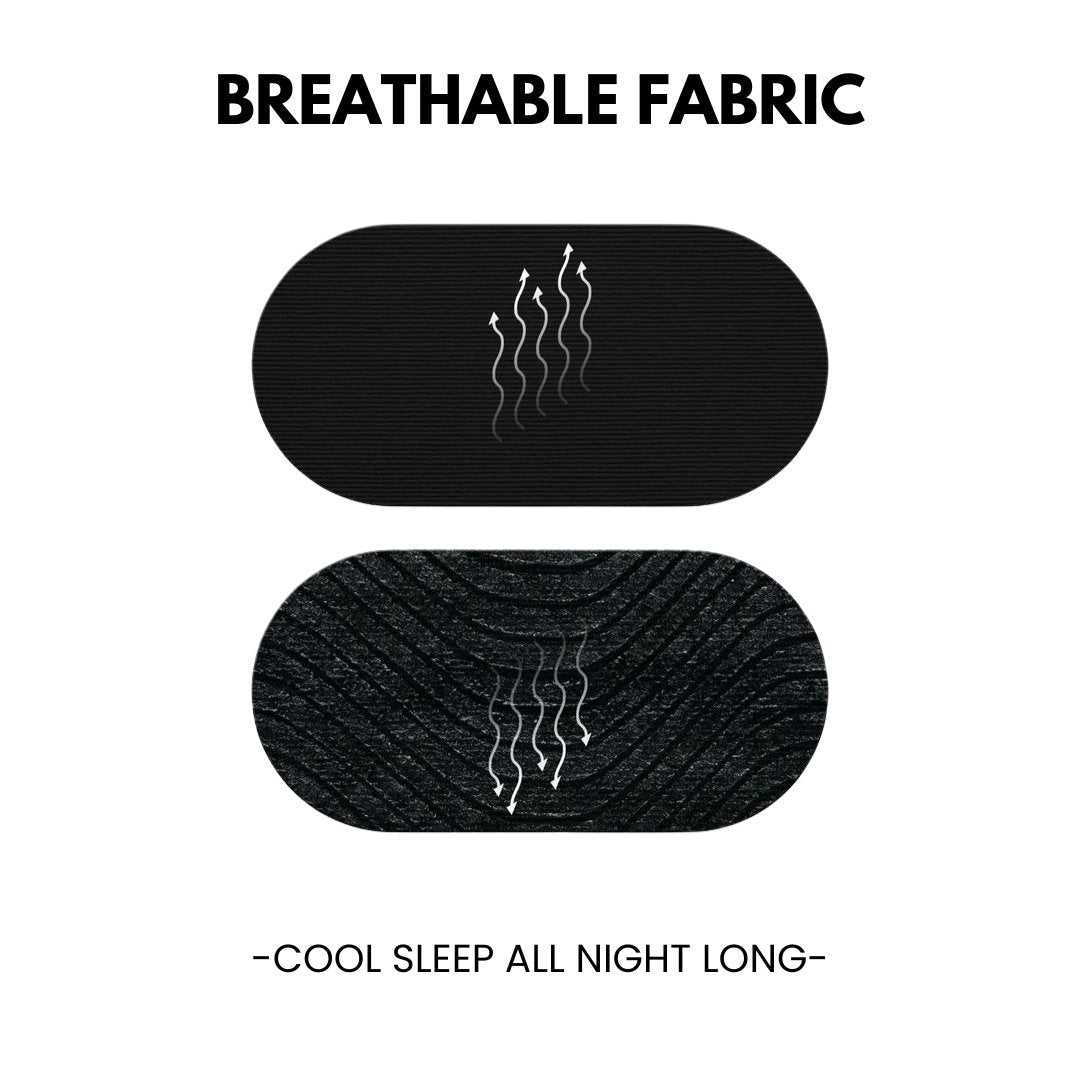
- Breathable backing material — allows some air exchange through the tape, reducing the occlusive effect
- ISO 10993 biocompatibility testing — the standard for materials that contact skin, confirming the product has been tested for irritation and sensitization
- Soft, flexible fabric — moves with your face rather than pulling against it, reducing friction
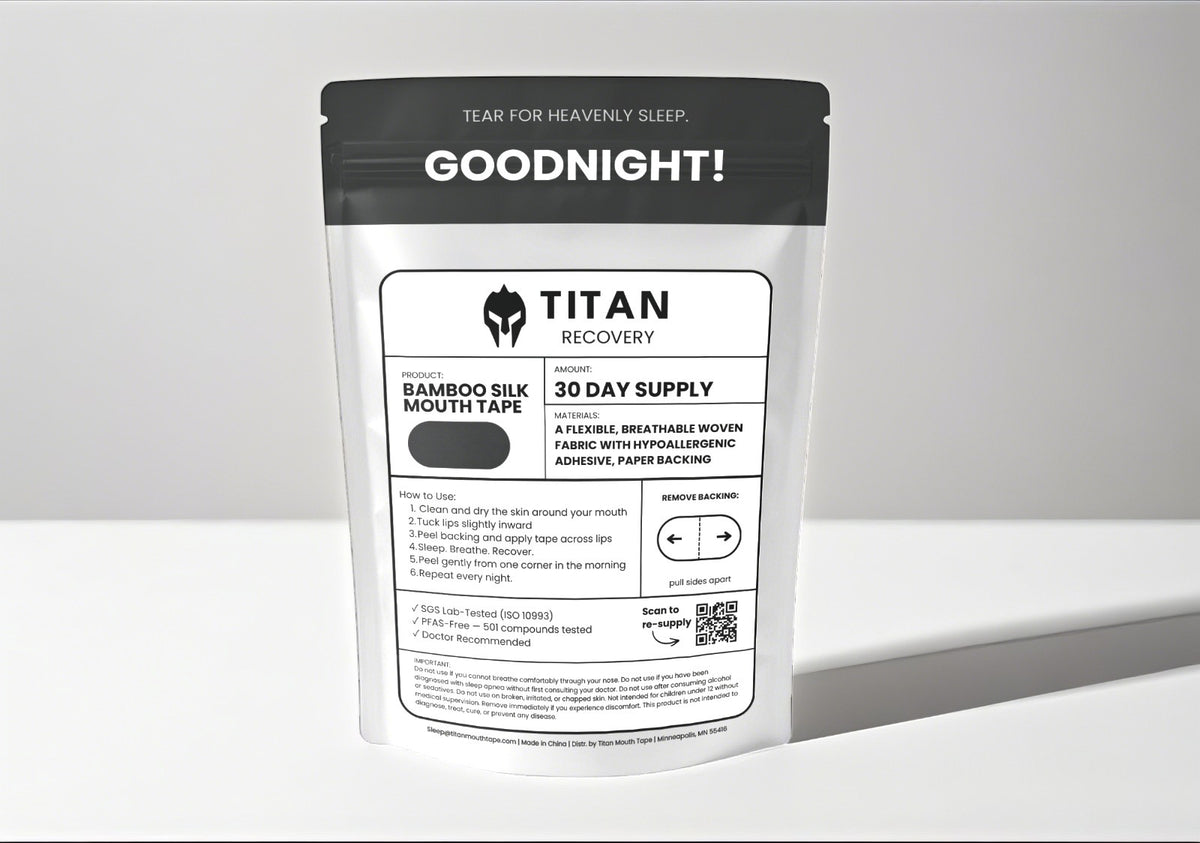
Titan Mouth Tape uses bamboo silk as the backing material. Bamboo silk is naturally hypoallergenic, breathable, and soft against skin — it feels like fabric, not like tape. The adhesive is latex-free and designed specifically for nightly use on facial skin. For people who've reacted to other mouth tapes, the material is usually the difference.
Try a Vertical Strip Instead of Full Coverage
Full-coverage mouth tape — a wide strip that covers the entire mouth — puts adhesive in contact with more skin, traps more moisture, and creates more opportunity for friction. If you're prone to breakouts, try applying a single vertical strip from below the nose to the chin. This keeps the lips together effectively while reducing the total skin contact area significantly.
A vertical strip also means the adhesive is primarily on the relatively tougher skin of the upper lip and chin, avoiding the more delicate skin at the corners of the mouth where irritation tends to concentrate.
Patch Test Before Full Use
If you have sensitive or reactive skin, do a patch test before committing to overnight use. Apply a small piece of the tape to your jawline or inner forearm for several hours during the day. If there's no redness, itching, or irritation after removal, your skin tolerates the adhesive. If you see a reaction, try a different tape material before giving up on mouth taping entirely.
This step takes five minutes and can save you a week of dealing with a facial rash. It's worth doing with any new tape product, even if you've used other mouth tapes without issues — different adhesives and backing materials behave differently on skin.
What to Do If You're Already Reacting
If you're reading this because you already have a breakout, rash, or irritation from mouth tape, here's how to handle it:
Stop taping the affected area until it heals. Continue to let the skin recover — most adhesive-related irritation clears within 3 to 5 days once the tape is removed. Acne-type breakouts may take a week or two to fully resolve.
Keep the area clean and moisturized. Gentle cleanser, fragrance-free moisturizer. Don't use harsh acne treatments on adhesive-irritated skin — the barrier is already compromised, and aggressive products will make it worse.
Distinguish between acne and contact dermatitis. If the reaction is red, itchy, and perfectly matches the tape shape, it's likely contact dermatitis — an allergic or irritant reaction to the adhesive. Switch to a different tape material entirely. If the reaction looks like typical acne (bumps, whiteheads, located where you normally break out), it's likely occlusion-related and addressable with better skin prep and a more breathable tape.
When you resume, switch materials. If you were using a synthetic tape, try bamboo silk. If you were using full coverage, try a vertical strip. If you weren't washing your face before taping, start. Change one variable at a time so you can identify what actually caused the reaction.
Skin Types That Need Extra Attention
Some skin types are more susceptible to tape-related reactions, and knowing your risk profile helps you choose the right approach from the start.
Oily and acne-prone skin. Higher sebum production means more material trapped under the tape. Clean skin before application is non-negotiable. A breathable tape material reduces the occlusive effect. Consider a vertical strip to minimize coverage area. Choosing a tape designed for sensitive skin is especially important for this group.
Eczema or dermatitis-prone skin. The skin barrier is already compromised. Use the gentlest adhesive available, keep the contact area small, and be vigilant about patch testing. If your eczema is active in the perioral area, wait until it's cleared before taping.
Dry or mature skin. Less likely to break out but more susceptible to mechanical irritation and adhesive damage. The tape removal process matters as much as the application — peel slowly and gently, never rip the tape off. A light moisturizer after removal helps restore the barrier.
Facial hair. Beards and stubble create uneven adhesion, which means the tape may shift more during the night (increasing friction) and removal can pull hairs (causing folliculitis — irritated hair follicles that look like acne). Apply tape to the smoothest available skin, and consider shaving the application area if irritation is persistent.
The Bottom Line
Mouth tape doesn't inherently cause acne, rashes, or lip irritation — but cheap materials, poor skin prep, and full-coverage application can create conditions where your skin reacts. The fix is almost always achievable: wash and dry your face before taping, skip the lip balm, choose a tape with hypoallergenic adhesive and breathable material, and consider a vertical strip if you're breakout-prone.
If you've tried other mouth tapes and reacted, the tape material is worth examining before you abandon the practice. Titan Mouth Tape is built with bamboo silk fabric and a latex-free, skin-safe adhesive specifically because nightly facial contact demands a higher material standard than what most tapes deliver. Pair it with the right nighttime routine and your skin and your sleep can both improve — no trade-off required. For the science behind how breathing affects your complexion, see nasal breathing, skin health, and sleep.
Doctor Recommended: “As a maxillofacial surgeon and dentist, I recommend Titan Mouth Tape. Nasal breathing during sleep is essential for airway health and deep restorative rest. Titan’s bamboo silk design is the most comfortable and effective mouth tape I have tested. If you struggle with snoring, dry mouth, or poor sleep quality, this is the simplest change you can make for your health.” — Dr. Francois P., MD, DDS — Maxillofacial Surgeon
Lab-Tested Safety: Titan’s SilkSeal™ adhesive is independently tested to ISO 10993 medical device standards. Non-toxic (95% cell viability). Non-allergenic (0% reaction rate). Non-irritating (score 0.0/8.0). PFAS-free — 501 compounds tested, zero detected. See full test results →
Try it tonight. Bamboo silk. SilkSeal™ adhesive. Beard-friendly. No logo on the tape. Free shipping. 30-night Better Sleep Guarantee. Shop Titan Mouth Tape → · Shop TitanAir →