Can You Reuse Mouth Tape? Why Single-Use Wins
Share
No, you should not reuse mouth tape. Each strip is designed for a single night of use. After one wear, the adhesive weakens, bacteria from your saliva and skin accumulate on the surface, and the tape can no longer seal reliably or safely.
We get it -- the question usually comes from a reasonable place. You peel off a strip in the morning, it still looks fine, and tossing it feels wasteful. But what's happening on the tape after eight hours against your skin is invisible, and that's exactly why reusing mouth tape is a bad idea. Let's break down the three reasons single-use isn't a marketing trick -- it's the only approach that makes sense.
Reason 1: Bacteria Build Up Overnight
Your mouth is one of the most bacteria-rich environments in your body. Saliva contains hundreds of bacterial species, and overnight your mouth produces and redistributes that saliva across your lips, the surrounding skin, and anything pressed against them -- including mouth tape.
The warm, moist environment between the tape and your lips is ideal for bacterial growth. After a full night of wear, that strip has absorbed moisture, trapped skin cells, and collected the microbial load of eight hours of breathing. Sticking that back on your face the next night is essentially reintroducing last night's bacterial colony directly onto your skin.
For people with sensitive or acne-prone skin, this is especially problematic. Reapplying a bacteria-laden strip can trigger perioral breakouts -- the kind of irritation around the lips and chin that gets blamed on the tape itself when it's actually caused by reuse. If you've experienced breakouts from mouth tape and were reusing strips, that's the likely culprit.
What about cleaning the tape between uses?
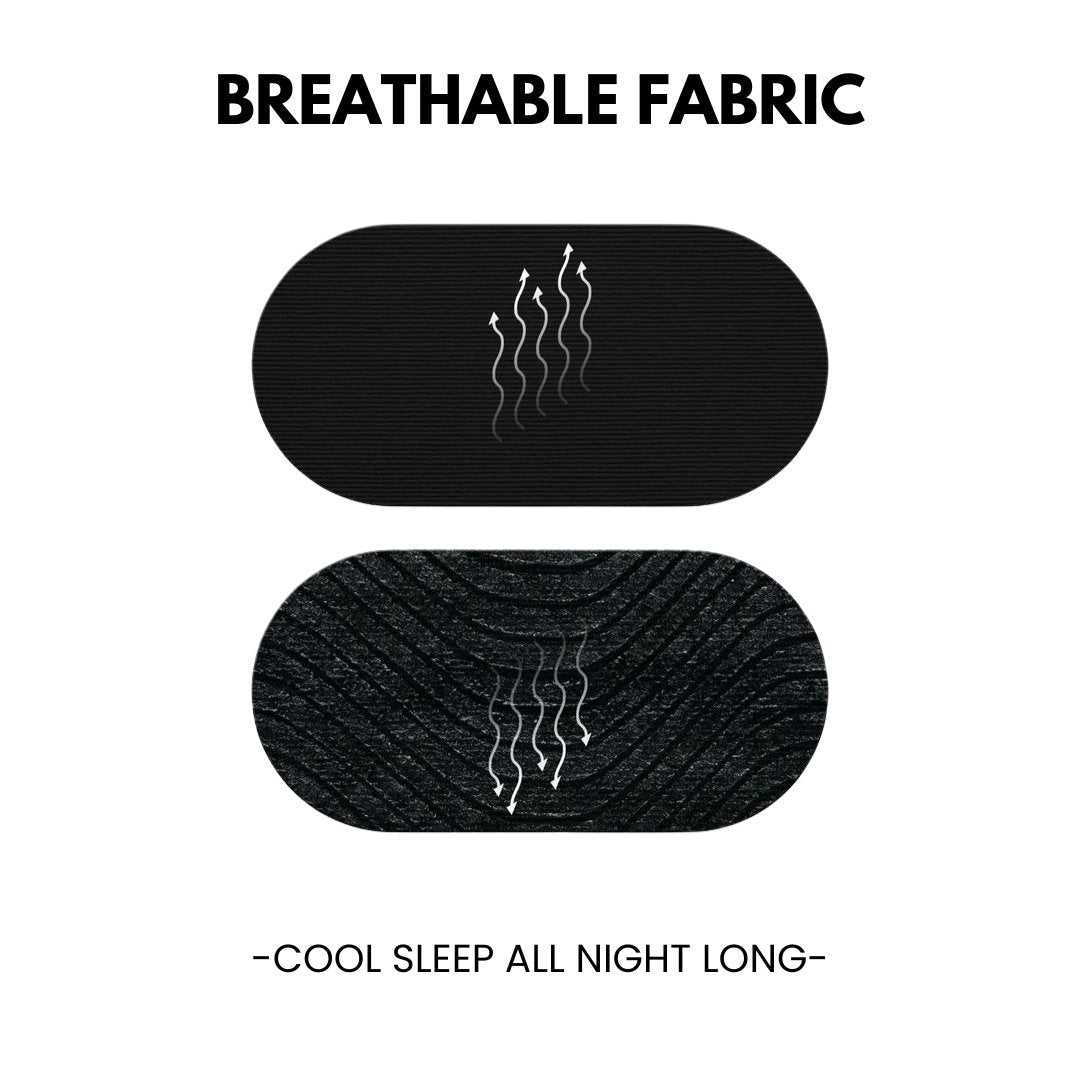
Washing or wiping down a used strip doesn't solve the problem. Any cleaning agent strong enough to kill bacteria will also degrade the adhesive. And the tape's material -- especially breathable fabrics like bamboo silk -- absorbs moisture and contaminants at a fiber level. You can't wipe away what's been absorbed into the material itself.
Reason 2: The Adhesive Won't Hold Reliably
Medical-grade adhesives are engineered for a single application-and-removal cycle. The bonding chemistry activates when pressed against clean, dry skin and holds through the night. When you peel it off in the morning, you're breaking that bond at the molecular level.
A reapplied strip won't seal the same way twice. The adhesive surface is now contaminated with skin oils, dead skin cells, and moisture. Even if the tape feels tacky, the bond strength is significantly reduced. That means the strip is more likely to peel loose at 3 a.m., which defeats the entire purpose of wearing it.
Worse, a strip that partially adheres can shift during sleep, pulling at your skin unevenly and causing irritation. A fresh strip sits flat and holds evenly. A used one curls at the edges, lifts in patches, and moves around -- the opposite of what you want on your face overnight.
Reason 3: Skin Oils and Dead Cells Accumulate
Even the cleanest face produces sebum (skin oil) and sheds dead skin cells throughout the night. These collect on the adhesive side of the tape and create a barrier between the adhesive and your skin on reuse. The result is weaker adhesion and a higher chance of skin irritation from trapped oils being pressed back into your pores.
If you use any nighttime skincare -- moisturizer, retinol, lip balm -- residue from those products also transfers to the tape. Reapplying a strip loaded with yesterday's product residue on top of tonight's freshly applied skincare creates a messy layer that neither your skin nor the adhesive benefits from.
The Cost Concern Is Real -- Here's the Math
The desire to reuse mouth tape almost always comes down to cost. That's a legitimate concern, so let's look at the actual numbers.
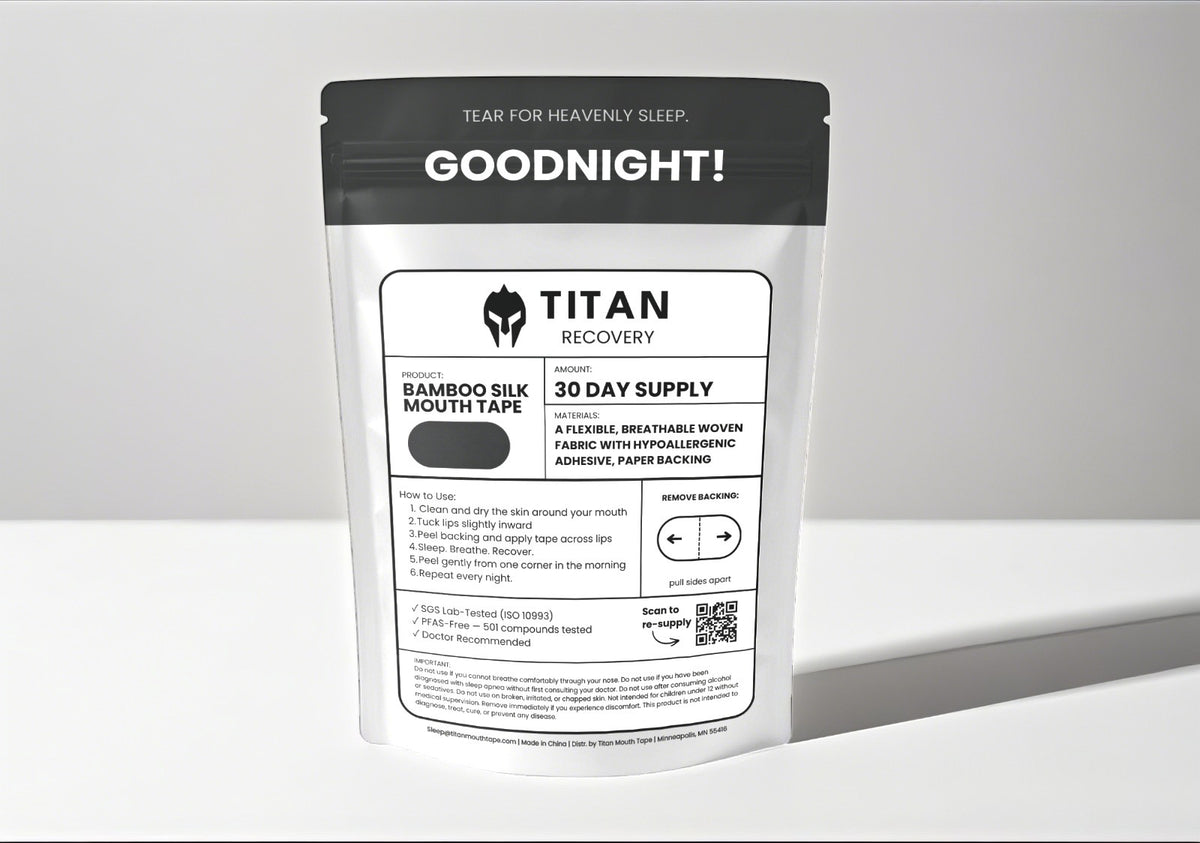
Titan Mouth Tape works out to as low as $0.75 per night on the annual supply. That's the cost of a single strip, used once, every night.
To put that in perspective:
- A pack of gum costs more than a night of mouth tape
- A single coffee costs 7-10x what one night of mouth tape costs
- A dry mouth-related dental filling runs $150-$300 -- the equivalent of 9-18 months of nightly mouth tape
- A CPAP machine and annual supplies cost $800-$2,000+ per year -- roughly 4-10x the annual cost of mouth tape
- A single dentist visit for dry mouth complications can exceed an entire year's supply of tape
Mouth breathing during sleep contributes to dry mouth, which research has linked to increased cavity risk, gum disease, and enamel erosion. The dental costs associated with chronic dry mouth over a lifetime dwarf the cost of preventive measures like nasal breathing during sleep.
As low as $0.75 per night is not an expensive habit. It's one of the cheapest nightly health investments you can make -- cheaper than most supplements, cheaper than a glass of the magnesium drink people swear by, cheaper than the electricity to run a white noise machine.
How to Get the Best Value Without Reusing
If cost is a factor, here are the legitimate ways to keep your per-night price low:
Buy the larger supply. The per-strip cost drops significantly as you move from a 30-strip pack to a 360-strip annual supply. Once you've confirmed mouth tape works for you -- most people know within the first week -- the annual supply is the smartest move financially.
Store your tape properly. Keep the package sealed between uses, stored at room temperature, away from direct sunlight and humidity. Proper storage keeps the adhesive fresh on every strip so you get a reliable seal every night. Nothing is more wasteful than a strip that won't stick because it dried out in a bathroom drawer.
Apply to clean, dry skin. Washing your face and drying your lip area before applying tape ensures maximum adhesion on the first try. If the tape doesn't stick well because of moisturizer or sweat, you might end up using two strips in one night -- which actually doubles your cost.
Pair with nasal strips. If nasal congestion causes you to pull off your mouth tape mid-sleep, adding nasal strips can help you make it through the full night on a single strip. The Deep Sleep Bundle combines both products at a lower per-night cost than buying them separately.
What About Other Brands That Claim Reusability?
Some silicone-based mouth tape alternatives market themselves as reusable. The adhesive on these products is a pressure-sensitive silicone that can technically be applied and removed multiple times without losing all tack.
The hygiene problem doesn't go away. Silicone may tolerate washing better than fabric-based tapes, but the bacterial exposure is the same -- you're still pressing a surface against your mouth for eight hours. And silicone tapes have their own drawbacks: they tend to be thicker, less breathable, and more noticeable on the face. The seal is also less consistent than a medical-grade adhesive designed for single use.
Reusability is a selling point, not a health recommendation. We'd rather give you a fresh, clean, reliably sealed strip every night than ask you to wash and reapply yesterday's tape.
The Bottom Line
Can you reuse mouth tape? Technically, you can stick it back on. Should you? No. The adhesive won't hold reliably, bacteria accumulate overnight, and skin oils degrade the seal. Reusing strips leads to weaker adhesion, potential breakouts, and the exact kind of inconsistent results that make people give up on mouth taping before it has a chance to work.
At as low as $0.75 per night, Titan Mouth Tape is a single-use product that costs less than almost any other nightly health habit. A fresh strip every night means a clean, reliable seal -- and that consistency is what makes mouth taping actually effective over weeks and months of use.
Doctor Recommended: “As a maxillofacial surgeon and dentist, I recommend Titan Mouth Tape. Nasal breathing during sleep is essential for airway health and deep restorative rest. Titan’s bamboo silk design is the most comfortable and effective mouth tape I have tested. If you struggle with snoring, dry mouth, or poor sleep quality, this is the simplest change you can make for your health.” — Dr. Francois P., MD, DDS — Maxillofacial Surgeon
Lab-Tested Safety: Titan’s SilkSeal™ adhesive is independently tested to ISO 10993 medical device standards. Non-toxic (95% cell viability). Non-allergenic (0% reaction rate). Non-irritating (score 0.0/8.0). PFAS-free — 501 compounds tested, zero detected. See full test results →
Try it tonight. Bamboo silk. SilkSeal™ adhesive. Beard-friendly. No logo on the tape. Free shipping. 30-night Better Sleep Guarantee. Shop Titan Mouth Tape → · Shop TitanAir →