How to Sleep Better in a Dorm Room
Share
Figuring out how to sleep better in a dorm comes down to one hard truth: you're trying to sleep well in a room you don't fully control. The fix is to control the few things you can -- block the light with a good eye mask, kill the noise with earplugs and steady white noise, get the air moving with a fan, and fix your own breathing so your body reaches deep sleep even when the environment is working against you. You can't renovate the building or reschedule your roommate, but you can build a personal sleep bubble that travels with you from bed to bed.
Dorm sleep is uniquely brutal: cinderblock walls, hallway light under the door, a roommate on a different schedule, HVAC you can't touch, and a twin XL of unknown history. Most students just accept bad sleep as part of college. It doesn't have to be -- once you know what's actually wrecking your sleep, the fixes are cheap, portable, and fast.
Block the Light You Can't Turn Off
Light is the most powerful signal your circadian clock reads, and dorms are full of light you don't command -- your roommate's desk lamp, a laptop at 2 a.m., hallway fluorescents under the door, streetlights through cheap blinds, and the parade of standby LEDs all telling your brain it's still daytime.
An eye mask is the highest-leverage purchase you can make. You can't dim a light you don't control, but you can take your eyes out of the equation. A contoured mask that cups the eyes without pressing on them blocks light no matter what your roommate is doing -- for fifteen dollars it solves a problem blackout curtains can't fully fix in a shared room.
Use your mattress placement. If you get any say in the layout, angle your bed so your face points away from the door and window. In a lofted or bunk setup, hang a cheap tapestry or blackout panel with tension clips to curtain off your bunk into your own dark cave, whatever the rest of the room is doing.
Kill the little lights. A strip of electrical tape over standby LEDs, chargers flipped face-down, and laptops closed at night removes a surprising amount of ambient glow, and it costs nothing.
Manage Noise Without Starting a Fight
Dorms are loud in ways you can't schedule around -- midnight hallway conversations, bass through the wall, slamming doors, a roommate who snores or types late. Noisy dorm sleep is less about total silence than consistency: your brain wakes to sudden changes in sound, not to steady background noise.
Earplugs are your first line of defense. Soft foam earplugs cost a few dollars a bag and block the sharp, sudden sounds that trigger awakenings. Nervous about missing an alarm? Keep it on a vibrating wearable or under your pillow. Most students adapt within a few nights.
White noise smooths out the spikes. A small fan, a white noise machine, or a free app on an old phone creates a steady sound floor that masks slamming doors and hallway chatter. The goal isn't to be louder than the disruption -- it's to shrink the contrast between quiet and sudden noise so your brain stops jolting awake. Steady background sound is one of the most reliable ways to protect sleep in an environment you can't quiet down.
If your roommate snores, handle it diplomatically. Snoring is one of the most common dorm sleep-killers, and it's genuinely not their fault -- but you still have to sleep. Lead with empathy: mention you've noticed they snore, that it might mean they're not sleeping well either, and that you found something cheap that helped. Most snoring comes from mouth breathing and a partially collapsed nasal airway, both fixable. "This might help you feel more rested" lands far better than "you're keeping me up."
Cool the Room With What You've Got
Your body has to drop its core temperature by a degree or two to fall into deep sleep, and dorm rooms are notoriously overheated -- radiators you can't turn down, poor airflow, two people generating heat in a tiny space. You usually can't touch the building's thermostat, so you work around it.
A fan does double duty. A clip-on or small floor fan moves air across your skin, which speeds heat loss and makes a stuffy room feel several degrees cooler even though the temperature hasn't changed -- and it delivers white noise at the same time. Under twenty dollars, it's the best dollar-for-dollar upgrade to a dorm sleep setup. Crack a window too if you can, and pair it with the fan to pull cooler air across the bed.
Ditch the heavy comforter. Dorm bedding runs hot. A breathable cotton or linen top layer you can kick off and pull back lets you regulate through the night instead of sweating under synthetic material that traps heat; in winter, layer light blankets instead of one heavy one. Dialing in your sleeping temperature is one of the highest-leverage sleep changes you can make, dorm or not.
Build a Tiny-Space Wind-Down Routine
You don't have a separate bedroom or a quiet living room to decompress in. Your bed is also your study spot, your couch, and sometimes your dinner table -- which trains your brain to stay alert in the exact place you're trying to sleep. A short, repeatable routine re-teaches your body that this corner means sleep.
Separate work from sleep, even in one room. Study at the desk or the library, not in bed. Reserving the mattress for sleep alone is one of the most effective ways to fall asleep faster in a small space.
Signal the transition. A ten-minute wind-down -- phone on the charger across the room, a couple of minutes of slow breathing, eye mask on, earplugs in, fan on -- becomes a ritual your brain reads as "sleep now." Consistency matters more than length.
Get morning light. The flip side of blocking light at night is chasing it in the morning. Stepping outside or sitting by a window after waking anchors your circadian rhythm and makes falling asleep the next night easier.
Dealing With a Roommate on a Different Schedule
Sleeping with a roommate on the opposite clock is one of the toughest dorm problems. You're an early riser; they're up until 3 a.m. Neither of you is wrong, but the mismatch can quietly destroy both your sleep.
Have the conversation early. Set expectations in the first week, before resentment builds -- rough quiet hours, headphones for late-night audio, a desk lamp instead of the overhead light after a certain time. Most conflicts come from never talking about it, not genuine incompatibility. Then make yourself independent of their behavior: the eye mask, earplugs, white noise, and a curtained bunk let you sleep on your schedule while they're awake on theirs. The less your sleep depends on their cooperation, the less friction there is between you.
A Budget Dorm Sleep Kit
You can assemble a complete dorm sleep setup for well under a hundred dollars, most of it portable enough to carry to a friend's floor, a hotel, or home over break. The essentials: a contoured eye mask (10-20 dollars), a bag of foam earplugs (5-10 dollars), a clip-on or small fan (15-25 dollars), and a breathable top sheet or light blanket (20-30 dollars). Add a tapestry or blackout panel with tension clips to curtain off a bunk. That covers light, noise, and temperature -- the three environmental pillars.
The one thing most students miss: even with perfect light, noise, and temperature, you can still wake up groggy if you're mouth breathing all night. That's the piece the gear list doesn't cover -- and in a suboptimal dorm environment, it matters more, not less.
The Breathing Piece: Deeper Sleep in a Bad Environment
Here's what almost no dorm sleep guide mentions: how you breathe at night determines how deep your sleep goes, and it's the one variable fully within your control no matter how loud, hot, or bright the room is. When you can't fix the environment, fixing your breathing is how you claw back the deep sleep the environment is stealing.
Nasal breathing is the foundation of deep sleep. Breathing through your nose filters, warms, and humidifies air and drives a slower, deeper pattern that keeps your nervous system in the rest-and-recover state deep sleep requires. Mouth breathing does the opposite -- it dries out your airway, keeps your nervous system partially alert, and fragments sleep into lighter stages. In a stuffy, dry, overheated dorm, that makes an already-suboptimal environment worse.
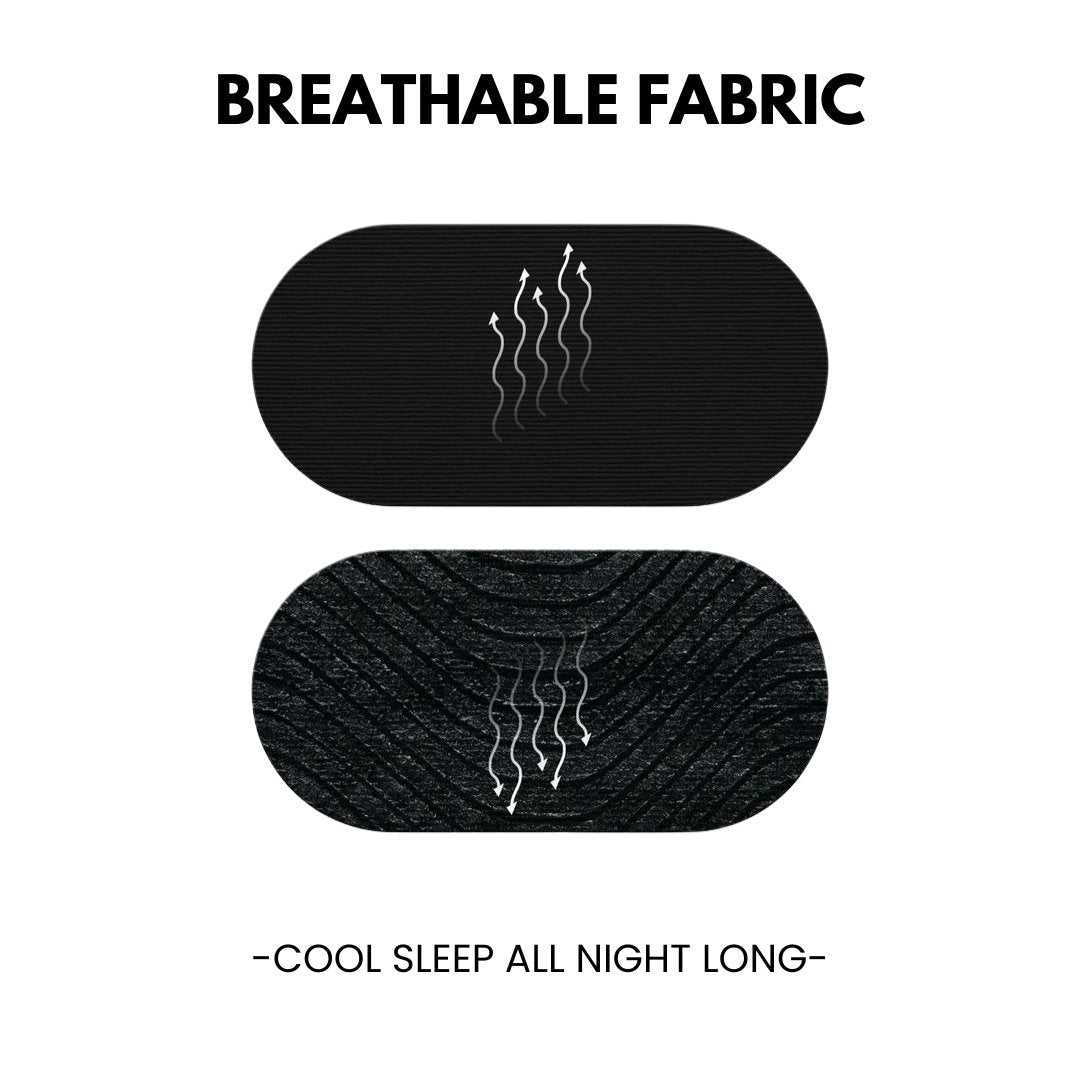
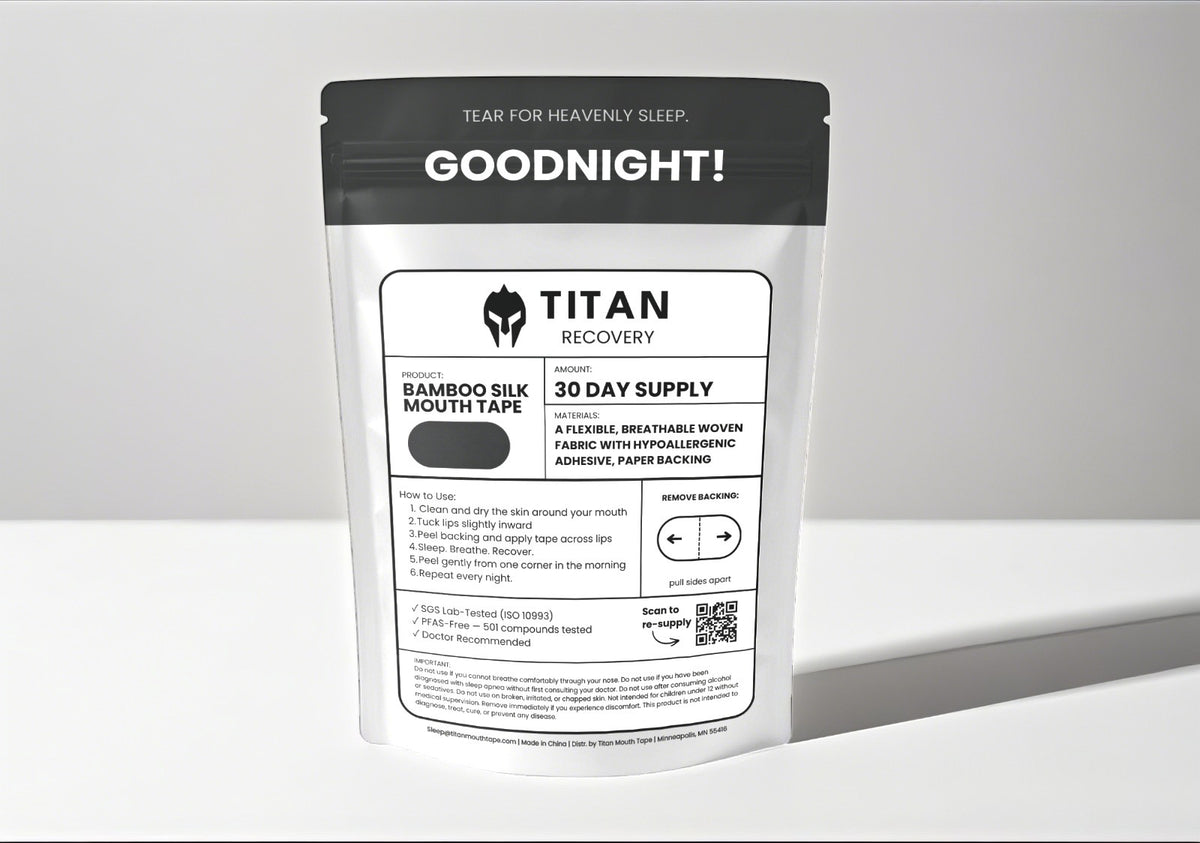
Mouth tape keeps you nasal all night. If you wake up with a dry mouth, a sore throat, or feeling unrested despite a full night, you're likely breathing through your mouth in your sleep. Mouth tape gently holds your lips together so all your airflow routes through your nose, where it belongs. It's cheap, it's silent, and it works regardless of what your roommate or the building is doing -- which makes it perfectly suited to a dorm. If congestion makes nose breathing hard, nasal strips mechanically open the nasal airway, and the Deep Sleep Bundle pairs both for the deepest sleep you can get in a room you don't control.
And if your roommate snores, this is the diplomatic fix. Snoring is usually mouth breathing plus a restricted nasal airway. Nasal strips or mouth tape can quiet a snorer dramatically -- which means better sleep for them and, finally, for you. Suggesting it as something that'll help them feel more rested is a far kinder conversation than complaining about the noise, and it can solve the problem at the source. If snoring is the issue in your room, it's worth understanding how mouth tape addresses snoring before you have that talk.
Frequently Asked Questions
How do I sleep when my roommate stays up late?
Make your sleep independent of their schedule. An eye mask blocks their desk lamp and laptop, earplugs plus white noise mask their movement and audio, and curtaining off your bunk creates a dark, semi-private space. Also set expectations early -- agree on headphone use and a small lamp instead of the overhead light after a certain hour. The combination of gear and a quick conversation solves most schedule mismatches.
Are earplugs safe to wear every night in a dorm?
For most people, yes -- soft foam earplugs are designed for nightly use. Insert them with clean hands, don't push them too deep, and replace foam pairs regularly since they trap moisture. If you're worried about missing an alarm, use a vibrating wearable or put your phone under your pillow. If you get frequent ear infections or ear pain, check with a health provider first.
My roommate snores. What can I actually do?
Two things. Protect yourself with earplugs and steady white noise so their snoring blends into the background instead of jolting you awake. Then, if you're comfortable, suggest a fix -- most snoring comes from mouth breathing and a restricted nasal airway, so nasal strips or mouth tape often reduce it substantially. Frame it as something that'll help them sleep better too, which lands far better than a complaint.
Why am I still tired after eight hours of sleep in my dorm?
Usually because the sleep wasn't deep, not because it was too short. Light leaking in, sudden noises, an overheated room, and mouth breathing all fragment your sleep into lighter stages, so you get less of the restorative deep sleep that makes you feel rested. Fix the environment with a mask, earplugs, and a fan, and stay nasal all night -- that combination turns eight hours in bed into eight hours of real recovery.
The Bottom Line
Learning how to sleep better in a dorm isn't about waiting for a better room -- it's about controlling the few things you can and letting the rest go. Block the light with an eye mask, kill the noise with earplugs and steady white noise, move air with a fan, keep your bed for sleep, and set expectations with your roommate early. That handles the environment.
Then close the loop with your breathing, because it's the one lever that works no matter how loud, hot, or bright the room is. Staying nasal all night -- with mouth tape, nasal strips, or both -- is how you reach deep sleep in a room that's fighting you the whole way. Build the bubble, fix the breathing, and you'll sleep better than most of your floor, in the exact same building. For the fundamentals that carry beyond the dorm, start with the core habits behind better sleep.
Doctor Recommended: "As a maxillofacial surgeon and dentist, I recommend Titan Mouth Tape. Nasal breathing during sleep is essential for airway health and deep restorative rest. Titan's bamboo silk design is the most comfortable and effective mouth tape I have tested. If you struggle with snoring, dry mouth, or poor sleep quality, this is the simplest change you can make for your health." — Dr. Francois P., MD, DDS — Maxillofacial Surgeon
Lab-Tested Safety: Titan's adhesive is independently tested to ISO 10993 medical device standards. Non-toxic (95% cell viability). Non-allergenic (0% reaction rate). Non-irritating (score 0.0/8.0). PFAS-free — 501 compounds tested, zero detected. See full test results →
Try the complete system tonight. Titan Mouth Tape (bamboo silk, SilkSeal™ adhesive) + TitanAir Nasal Strips. Free shipping. 30-night Better Sleep Guarantee. Shop Titan Mouth Tape → · Shop TitanAir Nasal Strips →