Does Sleep Build Muscle? How Deep Sleep Powers Recovery

Share
Does sleep build muscle? Not with a dumbbell in your hand — but the hours after you train are when the real work gets done. You break muscle down in the gym. You build it back while you sleep. Skip the sleep and you're leaving a large part of your results on the table.
Here's what actually happens overnight, why deep sleep is the window that matters most, and how the way you breathe while you sleep quietly decides how much of that recovery you get.
Training Is the Signal. Sleep Is the Build.
Resistance training creates microscopic damage in muscle fibers and signals your body that it needs to adapt. But the adaptation — the repair and growth — happens later, mostly while you're asleep. Think of your workout as placing the order and sleep as the factory that fills it. A great order with no factory time produces very little.
This is why two people can train identically and get different results. The one who sleeps well is giving the factory the hours it needs.
Deep Sleep and Growth Hormone
The majority of your natural growth hormone is released during deep (slow-wave) sleep, which is concentrated in the first few hours of the night. Growth hormone supports tissue repair, muscle recovery, and fat metabolism. When deep sleep gets cut short or fragmented, that hormonal pulse is blunted.
Protein synthesis — the process of rebuilding muscle — also runs higher during quality sleep, while the stress hormone cortisol (which breaks tissue down) is kept in check. Good sleep tilts the balance toward building. Poor sleep tilts it toward breaking down. Learn more about the difference between REM and deep sleep and how to get more deep sleep.
What Happens When You Skimp
Short sleep works against recovery on several fronts at once. Research on sleep-restricted adults has linked it to lower muscle protein synthesis, elevated cortisol, reduced growth hormone, worse insulin sensitivity, and greater perceived fatigue the next day. For anyone training seriously, that combination means slower gains, longer recovery between sessions, and a higher injury risk.
Sleep also affects the hormones that govern body composition more broadly — including testosterone, which is largely produced during sleep. See how sleep affects testosterone for more.
Why Breathing Decides How Much Recovery You Get
You can be in bed for nine hours and still get shallow, broken sleep — and mouth breathing is a common reason why. Breathing through an open mouth overnight is linked to lighter, more fragmented sleep, more awakenings, and a dry, irritated airway. That fragmentation eats into exactly the deep-sleep stages where recovery happens.
Nasal breathing does the opposite. It supports steadier, calmer sleep and better oxygen exchange, helping you spend more time in restorative stages. That's why many athletes pay attention to how they breathe at night, not just how long they sleep. Nasal breathing is also tied to better overnight heart-rate variability, a common marker of recovery.
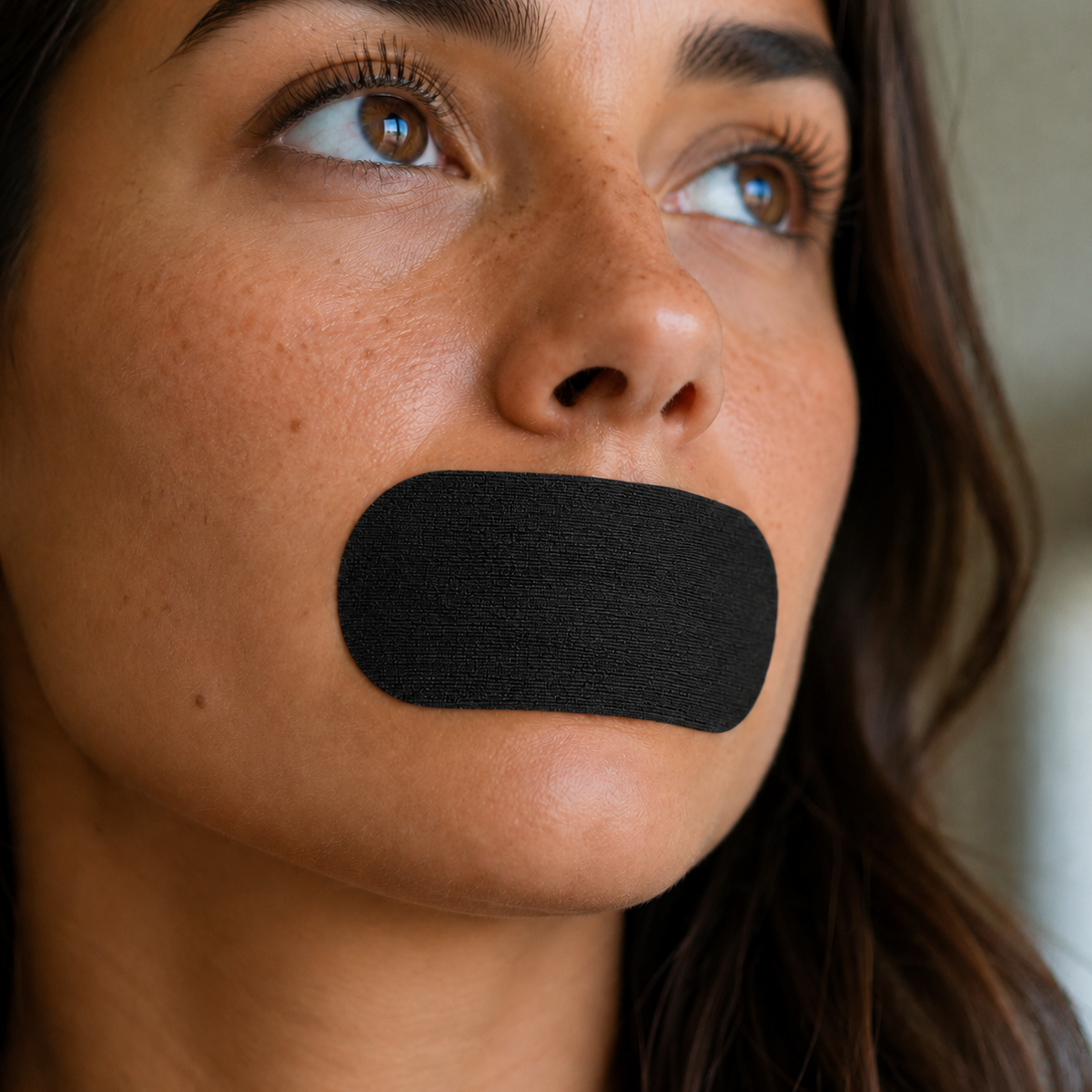
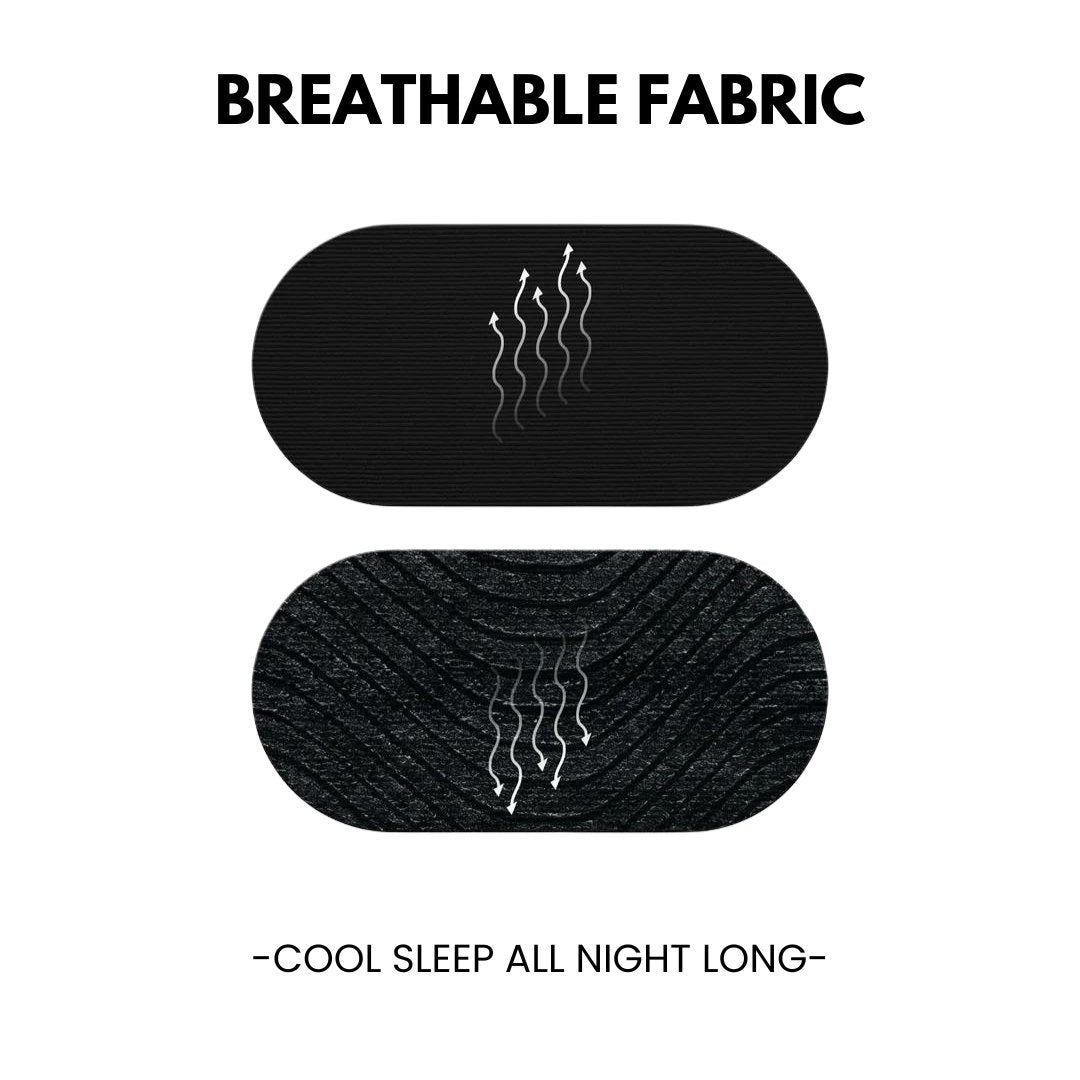
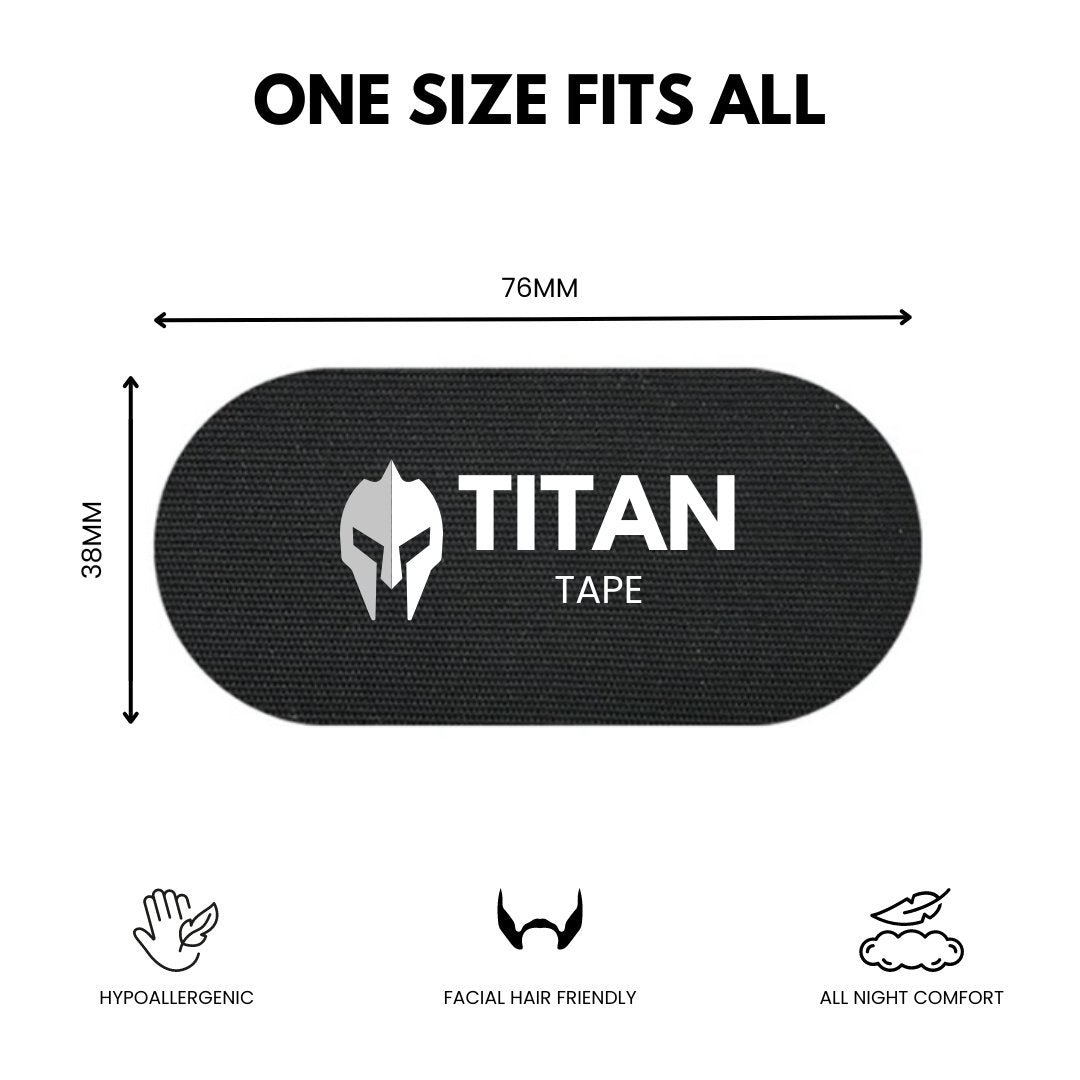
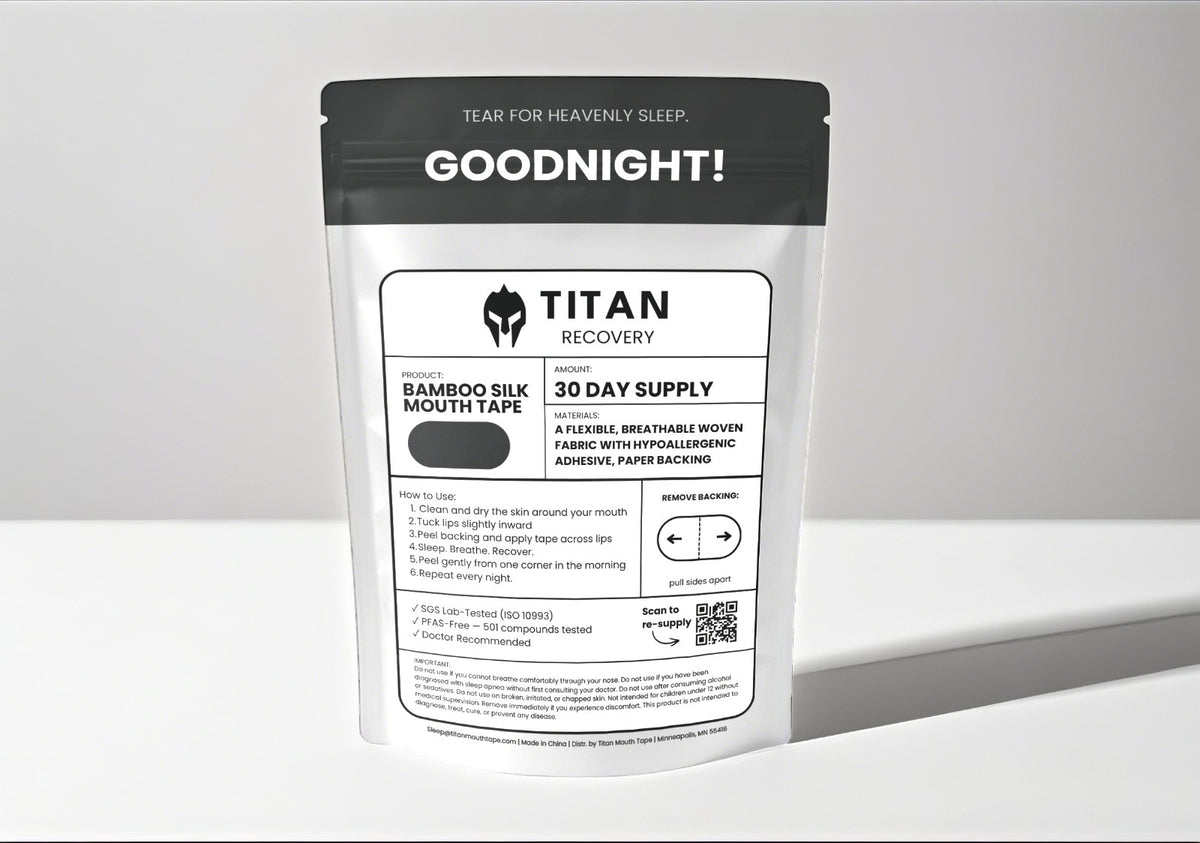
A simple way to encourage nasal breathing overnight is to keep the mouth gently closed with bamboo silk mouth tape, and to keep the nasal passages open with TitanAir nasal strips. The Titan Sleep System pairs both for people who want the full setup.
Practical Ways to Sleep for Recovery
Protect the first half of the night. That's where most deep sleep and growth hormone live. Keep a consistent bedtime, cut caffeine 8-10 hours out, and avoid heavy alcohol, which suppresses deep sleep.
Make the room cold, dark, and quiet. A cooler room supports deeper sleep. Train earlier when you can — intense late workouts can leave you too wired to wind down. And breathe through your nose so the hours you spend asleep actually count. For the full picture, see nasal breathing, athletic performance, and recovery.
The Bottom Line
Sleep doesn't build muscle on its own, but almost all of the rebuilding you train for happens while you sleep — especially in deep sleep, when growth hormone peaks and tissue repair runs highest. Get enough hours, protect the first half of the night, and make sure you're breathing through your nose so that time is actually restorative. Train hard, then let sleep finish the job.
Frequently asked questions
Does sleep actually build muscle?
Not directly, but it's when most muscle repair happens. Training creates the stimulus to grow; deep sleep is when your body releases growth hormone and rebuilds the tissue. Without enough deep sleep, the repair work is cut short.
How many hours of sleep do you need to build muscle?
Most adults need 7-9 hours, and people training hard often sit at the top of that range or above. Quality matters as much as quantity: you want enough uninterrupted deep sleep, not just time in bed.
Does poor sleep cause muscle loss?
Chronic short sleep is linked to lower muscle protein synthesis, higher cortisol, and reduced growth hormone, which together make it harder to build and keep muscle. One bad night won't undo progress, but a pattern will slow it.
Related reading: Does Sleep Affect Your Skin? Beauty Sleep, Explained
Doctor Recommended: "As a maxillofacial surgeon and dentist, I recommend Titan Mouth Tape. Nasal breathing during sleep is essential for airway health and deep restorative rest. Titan's bamboo silk design is the most comfortable and effective mouth tape I have tested. If you struggle with snoring, dry mouth, or poor sleep quality, this is the simplest change you can make for your health." — Dr. Francois Proux, MD, DDS — Maxillofacial Surgeon
Lab-Tested Safety: Titan's adhesive is independently tested to ISO 10993 medical device standards. Non-toxic (95% cell viability). Non-allergenic (0% reaction rate). Non-irritating (score 0.0/8.0). PFAS-free — 501 compounds tested, zero detected. See full test results →
Try the complete system tonight. Titan Mouth Tape (bamboo silk, SilkSeal™ adhesive) + TitanAir Nasal Strips. Free shipping. 30-night Better Sleep Guarantee. Shop Titan Mouth Tape → · Shop TitanAir Nasal Strips →