Does Sleep Affect Your Skin? Beauty Sleep, Explained

Share
Yes — sleep genuinely affects your skin, and "beauty sleep" is more than a saying. While you're in deep sleep, your body ramps up blood flow to the skin, releases growth hormone to repair cells, and rebuilds collagen — the overnight shift that leaves you looking rested. Skimp on sleep and the opposite happens: higher stress hormones, more inflammation, a duller complexion, and the puffy eyes and shadows everyone recognizes as "tired." Your skin is a pretty honest readout of how you've been sleeping.
The science here is real, but it's also easy to oversell. Sleep won't erase a skincare routine's job, and it won't fix everything. What it does do — consistently, overnight, for free — is give your skin the conditions it needs to repair. Here's how that works, and the one factor most people never connect to their face.
What your skin does while you sleep
Repair runs on a schedule. Your skin follows a daily rhythm. During the day it's in "defense" mode, protecting against UV, pollution, and free radicals. At night it switches to repair: cell turnover accelerates, blood flow to the skin increases, and the body releases most of its growth hormone during deep sleep — the stage that drives tissue repair throughout your body, skin included. We break down why this stage matters so much in REM vs deep sleep.
This is the same repair that rebuilds muscle. The overnight growth-hormone surge that helps athletes recover is the same process working on your skin — it's all part of how the body uses deep sleep to rebuild. If that recovery angle interests you, does sleep build muscle covers the mechanism.
What poor sleep does to your face
Stress hormones go up. Short or broken sleep raises cortisol, which breaks down collagen (the protein that keeps skin firm) and drives inflammation. Over time that can mean more fine lines, slower healing, and flare-ups of inflammatory conditions like acne, eczema, and psoriasis.
You look tired — measurably. Research has found that people who are sleep-deprived are rated by others as looking less healthy and more fatigued. The usual signs: puffy eyes (fluid pools when sleep is poor), dark under-eye circles, paler or sallow skin from reduced blood flow, and drier skin because the skin barrier doesn't repair as well overnight.
The damage compounds. One rough night shows up as puffiness that fades. Chronic sleep loss is different — ongoing inflammation and collagen breakdown accelerate visible aging. The full-body version of this is worth understanding; we cover it in what happens when you don't sleep.
The skin factor nobody connects: how you breathe
Mouth breathing dries and dulls the skin — and dries the face. Here's the part most "beauty sleep" articles miss. If you sleep with your mouth open, two things happen. First, your sleep gets lighter and more fragmented, so you spend less time in the deep, skin-repairing stage — you're technically "asleep" but getting less of the repair that matters. Second, the constant airflow over your lips and lower face dries them out, which is why chronic mouth breathers often wake with chapped lips and a parched mouth.
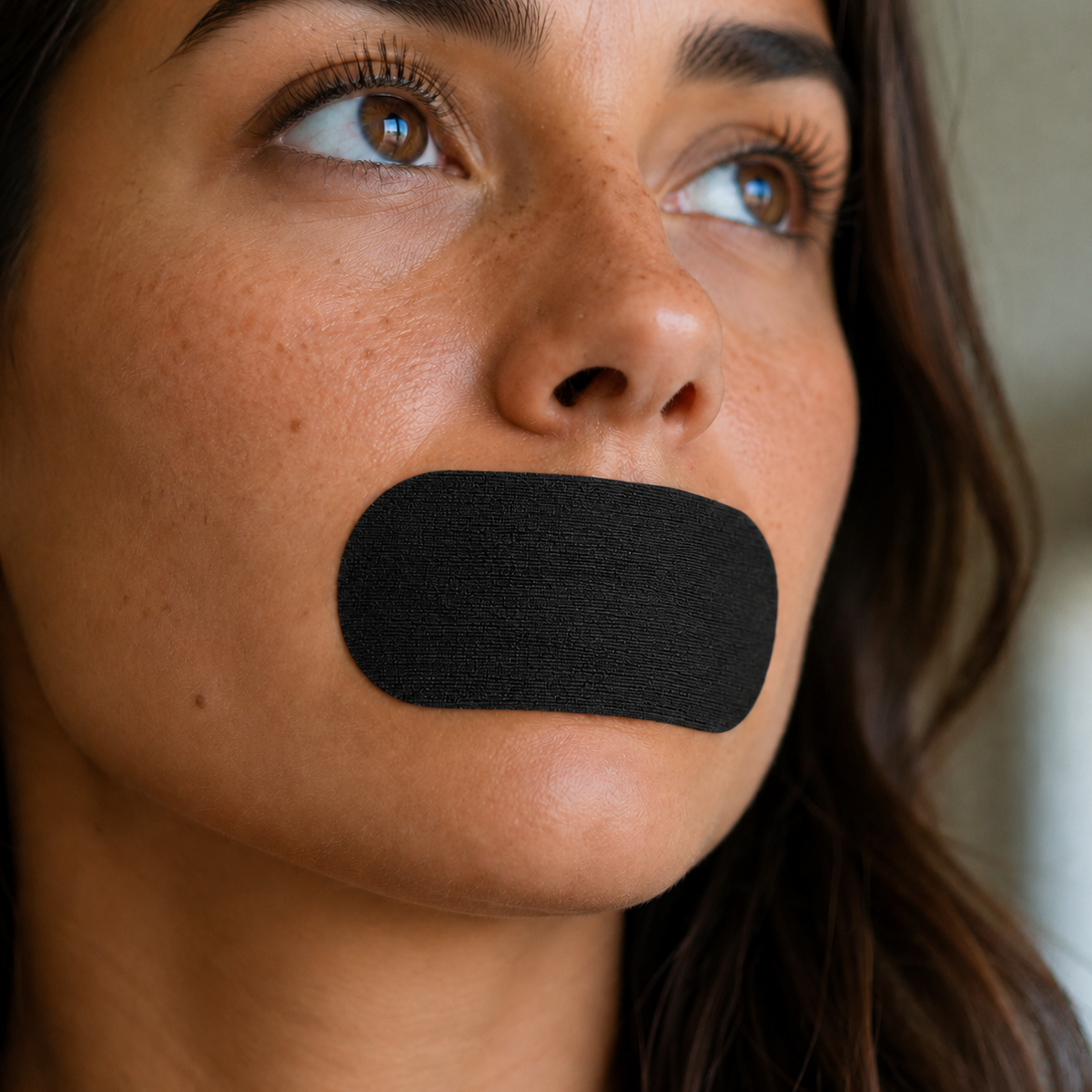
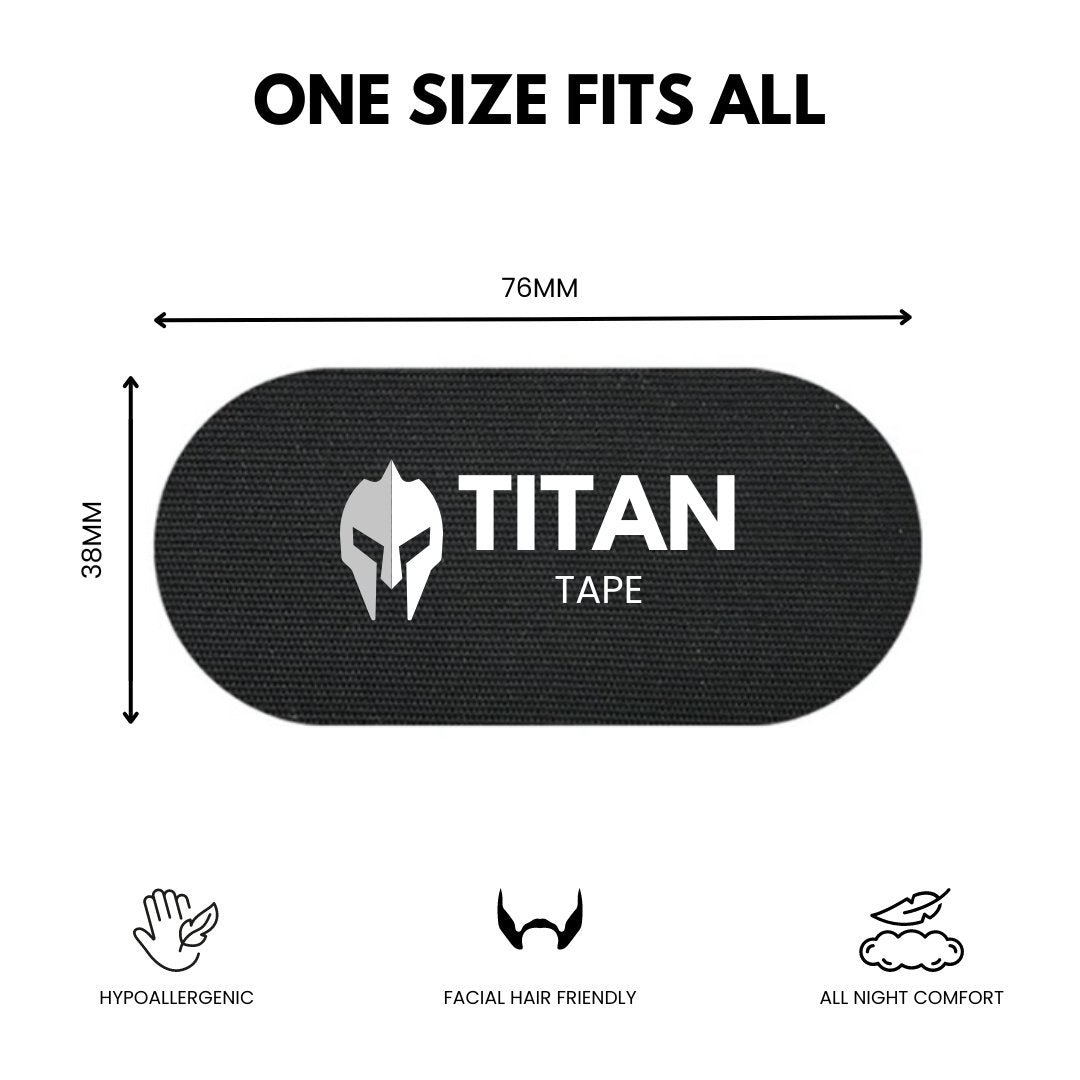
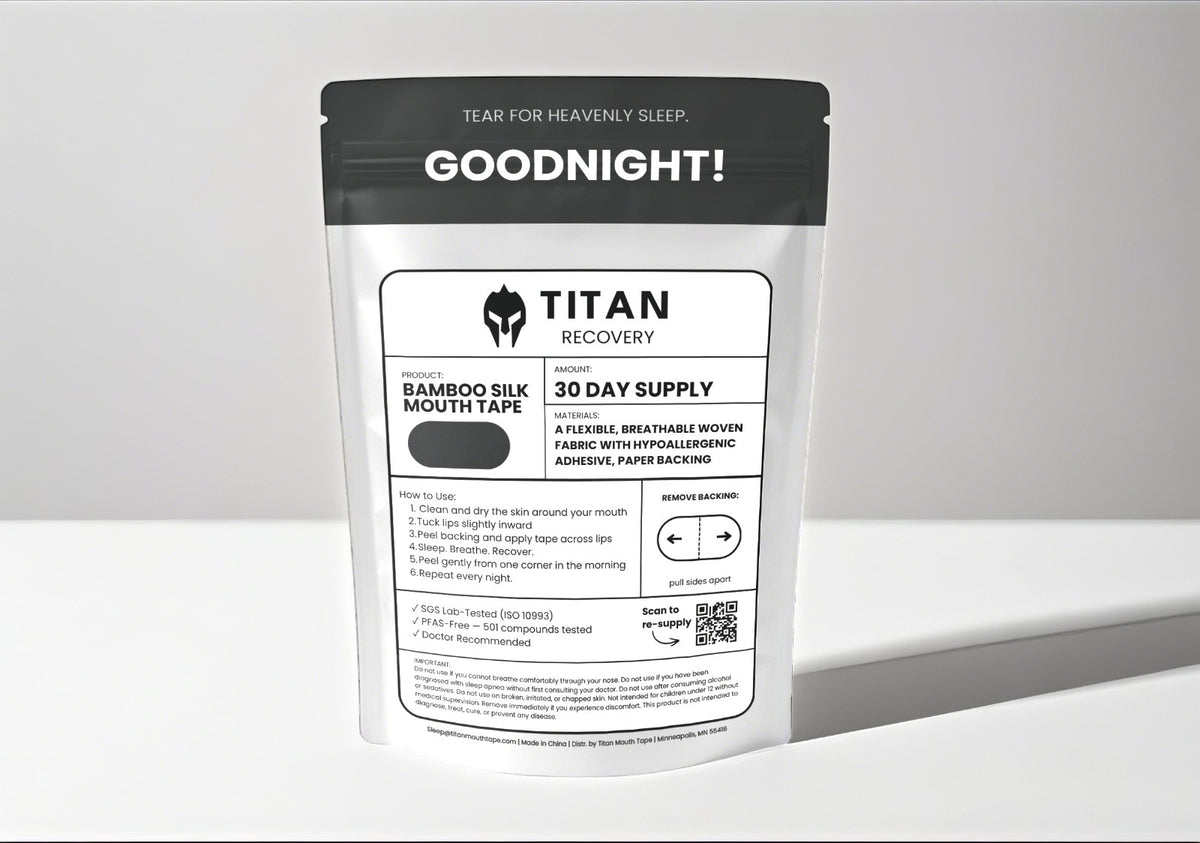
Nasal breathing is slower, more humidified, and protects your deep sleep. That's the idea behind gentle mouth tape — keeping your mouth closed so you breathe through your nose and actually reach the repair stages. If a stuffy nose is what forces your mouth open, an nasal strip opens the passages so nose breathing is possible. Better breathing means deeper sleep means more overnight repair — the chain that actually feeds your skin.
How to get real beauty sleep
Protect the deep stages. Aim for 7–9 hours, keep a consistent schedule, and do the basics that deepen sleep: a cool, dark room, no alcohol close to bed, and no late screens. More time asleep only helps if it's quality sleep. Sleep on your back if you can. Pressing your face into a pillow night after night can crease the skin; back-sleeping avoids it (and it's often better for breathing too). Hydrate and use what you'd use anyway. Sleep supports your skincare, it doesn't replace it — a nighttime moisturizer works with the overnight repair cycle. Don't go to bed dehydrated or in dry air; a humidifier helps your skin and your breathing at once. And if you want the overall routine, start with falling asleep faster, naturally.
Honest limits
Sleep is one input among many. Sun exposure, genetics, diet, hydration, and skincare all shape your skin, and no amount of sleep offsets heavy sun damage or a skin condition that needs treatment. Think of good sleep as the foundation that lets everything else work better — not a replacement for a dermatologist when you need one.
Frequently Asked Questions
Is "beauty sleep" actually real?
Yes. During deep sleep your body increases blood flow to the skin and releases growth hormone that repairs and rebuilds skin cells. Consistently poor sleep raises stress hormones that break down collagen and drive inflammation, which shows on your face.
How quickly does lack of sleep show on your skin?
One poor night typically shows as puffiness and dark circles that fade within a day. The lasting effects — accelerated fine lines, dullness, slower healing — come from chronic sleep loss over weeks and months.
Can mouth breathing affect my skin?
Indirectly, yes. Mouth breathing fragments sleep so you get less of the deep, repairing stage, and the airflow dries your lips and lower face. Nasal breathing protects deep sleep and keeps the face from drying out.
Does sleeping more guarantee better skin?
No — quality matters more than quantity. Eight fragmented, mouth-breathing hours deliver less repair than seven solid ones. And sleep is only one factor alongside sun protection, hydration, diet, and skincare.
The Bottom Line
Beauty sleep is real: deep sleep is when your skin repairs itself, and poor sleep shows up as puffiness, dullness, and faster aging. The highest-leverage move is protecting the quality of your sleep — and that includes the factor most people miss, how you breathe. Keep your mouth closed and your nose clear with nasal breathing support, protect your deep stages, and let the overnight repair cycle do what it's built to do.
Doctor Recommended: "As a maxillofacial surgeon and dentist, I recommend Titan Mouth Tape. Nasal breathing during sleep is essential for airway health and deep restorative rest. Titan's bamboo silk design is the most comfortable and effective mouth tape I have tested. If you struggle with snoring, dry mouth, or poor sleep quality, this is the simplest change you can make for your health." — Dr. Francois Proux, MD, DDS — Maxillofacial Surgeon
Lab-Tested Safety: Titan's adhesive is independently tested to ISO 10993 medical device standards. Non-toxic (95% cell viability). Non-allergenic (0% reaction rate). Non-irritating (score 0.0/8.0). PFAS-free — 501 compounds tested, zero detected. See full test results →
Try the complete system tonight. Titan Mouth Tape (bamboo silk, SilkSeal™ adhesive) + TitanAir Nasal Strips. Free shipping. 30-night Better Sleep Guarantee. Shop Titan Mouth Tape → · Shop TitanAir Nasal Strips →