What Mouth Tape Do Joe Rogan, James Nestor, and Other Public Figures Use?
Share
Mouth taping has gone from fringe biohack to mainstream wellness practice, and a big reason for that shift is the growing list of athletes, authors, and podcasters who openly advocate for it. If you have ever searched what mouth tape does Joe Rogan use, you are not alone. Rogan is just one of several high-profile figures who have brought nasal breathing and mouth taping into the cultural conversation. Below, we break down exactly what each of them has said, why they started, and what the practice looks like in real life. None of these individuals are affiliated with Titan. We are simply documenting the public statements that have helped millions of people discover mouth taping for the first time.
Joe Rogan: Nasal Breathing Advocate on the World's Biggest Podcast
Joe Rogan has discussed nasal breathing and mouth taping across multiple episodes of The Joe Rogan Experience, which regularly reaches tens of millions of listeners per episode. Rogan's interest began after conversations with guests who specialize in breathing, sleep, and human performance. He has spoken about how switching to nasal breathing improved his own sleep quality and how mouth taping is one of the simplest interventions available for people who breathe through their mouth at night.
Rogan has been characteristically direct about the topic. He has described mouth breathing during sleep as something most people do without realizing it, and he has pointed out that the downstream effects, including dry mouth, snoring, and disrupted sleep, are problems that a piece of tape can address overnight. His willingness to talk about it openly, without treating it as something weird or extreme, has done more to normalize mouth taping than almost any clinical study could.
What makes Rogan's endorsement significant is reach. When a topic comes up on his podcast, it enters the awareness of an enormous audience that spans athletes, entrepreneurs, parents, and everyday people looking to optimize their health. For many listeners, hearing Rogan discuss mouth taping was the first time they considered that how they breathe during sleep might actually matter.
James Nestor: The Author Who Changed How We Think About Breathing
If one person deserves credit for the modern nasal breathing movement, it is James Nestor. His 2020 book Breath: The New Science of a Lost Art became a bestseller and fundamentally changed the public conversation about breathing. Nestor spent years researching breathing practices across cultures and scientific disciplines, and one of his central arguments is that chronic mouth breathing is quietly damaging the health of millions of people.
Nestor has discussed mouth taping extensively in interviews, podcasts, and public appearances. He frames it not as a trend but as a return to how humans are designed to breathe. In his research, he participated in a Stanford study where he alternately breathed only through his mouth and only through his nose for extended periods. The results were striking. Mouth breathing led to elevated blood pressure, increased snoring, disrupted sleep architecture, and a measurable decline in cognitive function. Nasal breathing reversed those effects.
Nestor has been clear that mouth taping during sleep is one of the easiest ways to train yourself back into nasal breathing. He has also emphasized the importance of the nose's role in filtering, humidifying, and warming air before it reaches the lungs, as well as the production of nitric oxide during nasal breathing, which supports vasodilation and oxygen delivery. For anyone interested in the science, we cover this in detail in our guide to the science behind nasal breathing.
Dr. Paul Saladino: Mouth Taping for Metabolic Health
Dr. Paul Saladino, known for his work on ancestral health and nutrition, has discussed mouth taping as part of a broader approach to optimizing sleep and metabolic function. Saladino approaches health through the lens of evolutionary biology, and he has argued that mouth breathing during sleep is a modern dysfunction that our ancestors largely avoided.
Saladino has shared on his podcast and social media that he personally tapes his mouth at night. He connects the practice to improved sleep quality, better morning energy, and reduced nighttime dehydration. His perspective is that mouth taping fits naturally into an ancestral health framework. If the goal is to align modern habits with the conditions under which human biology evolved, nasal breathing is one of the lowest-effort, highest-impact changes a person can make.
What resonates with Saladino's audience is his pragmatism. He is not selling mouth taping as a miracle cure. He presents it as one piece of a larger system that includes nutrition, sunlight exposure, movement, and sleep hygiene. That grounded approach has made his endorsement particularly credible among health-conscious consumers who are skeptical of trends.
Erling Haaland: Elite Athletic Performance and Nasal Breathing
Erling Haaland, one of the most dominant strikers in world football, brought mouth taping into the sports conversation when images and reports surfaced of him using mouth tape as part of his recovery and sleep routine. For an athlete competing at the highest level of professional soccer, where recovery between matches is a critical performance variable, the decision to mouth tape speaks to how seriously elite performers take sleep optimization.
Haaland's approach to health and recovery is famously meticulous. He has been open about tracking sleep, optimizing nutrition, and using every legal edge available to maintain peak physical condition. Mouth taping fits that philosophy. Nasal breathing during sleep supports deeper sleep stages, reduces the likelihood of waking due to dry mouth or snoring, and may improve oxygen saturation throughout the night. For an athlete whose livelihood depends on physical recovery, those marginal gains add up.
We wrote a full breakdown of Haaland's approach in our dedicated post on Erling Haaland and mouth taping. His example has been especially influential because it connects mouth taping to athletic performance rather than just general wellness, opening the door for a new audience of athletes and fitness enthusiasts.
Ashton Hall: Taking Mouth Taping Viral
Ashton Hall brought mouth taping to an entirely different audience through viral social media content. His posts documenting his experience with mouth taping, including before-and-after comparisons and personal testimony about improved sleep and facial structure, reached millions of viewers and sparked widespread conversation about the practice.
Hall's content resonated because it was personal and accessible. He was not a doctor or a professional athlete. He was someone who tried mouth taping, experienced noticeable results, and shared them openly. That relatability made his content shareable in a way that clinical studies and podcast discussions sometimes are not. For many people, Hall's posts were the first time they encountered the idea of mouth taping, and his enthusiasm helped demystify a practice that can seem unusual at first glance.
We covered Hall's story and the broader conversation he started in our post on Ashton Hall and mouth taping. His reach demonstrates that mouth taping is no longer confined to biohacking circles. It has entered mainstream awareness, and the audience continues to grow.
Why So Many Public Figures Are Talking About Mouth Taping
The common thread among all of these figures is simple. They tried nasal breathing, they experienced tangible benefits, and they talked about it. Whether the motivation was better sleep, athletic recovery, metabolic health, or just curiosity, the outcome was consistent: mouth taping works, and it works quickly enough that people notice the difference within the first few nights.
The science supports what these individuals have experienced. Nasal breathing filters airborne particles, produces nitric oxide to support cardiovascular function, humidifies incoming air to protect lung tissue, and promotes the deeper stages of sleep that drive physical and cognitive recovery. Mouth breathing bypasses all of those mechanisms. Mouth taping is simply a way to ensure your body gets the full benefit of nasal breathing for the seven to nine hours you spend asleep each night.
For a deeper look at every athlete, expert, and public figure who has discussed mouth taping, see our comprehensive roundup of every athlete, celebrity, and expert who mouth tapes.
The Bottom Line
Joe Rogan, James Nestor, Paul Saladino, Erling Haaland, and Ashton Hall all arrived at mouth taping from different directions, but they agree on the fundamentals. Nasal breathing matters. Mouth breathing during sleep undermines recovery, energy, and long-term health. And mouth taping is the simplest way to fix it.
If you are ready to try it yourself, the tape matters. Cheap adhesives irritate skin. Rigid strips feel restrictive and fall off. A good mouth tape should be comfortable enough to forget you are wearing it, strong enough to stay on all night, and safe enough to use every single night without concern.
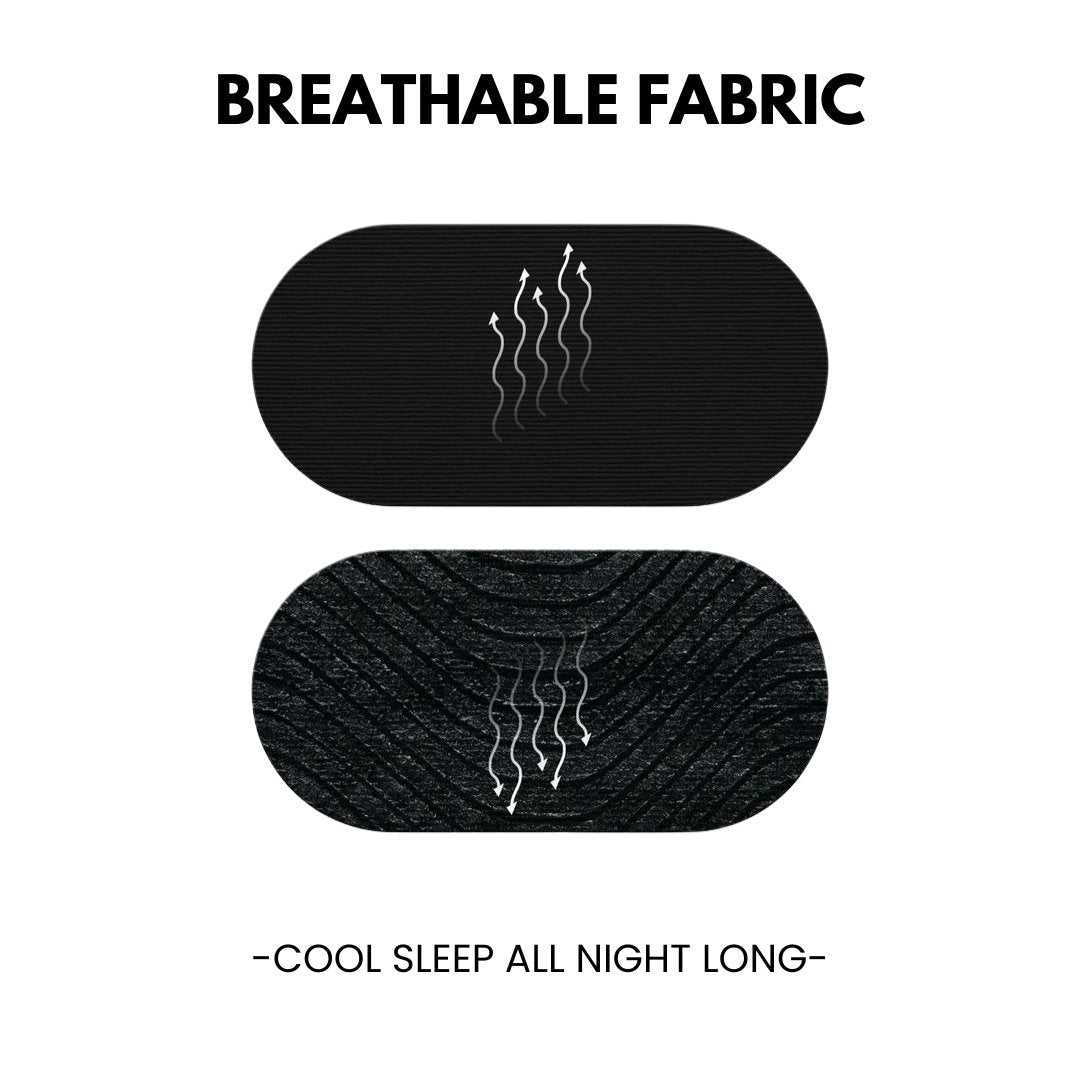
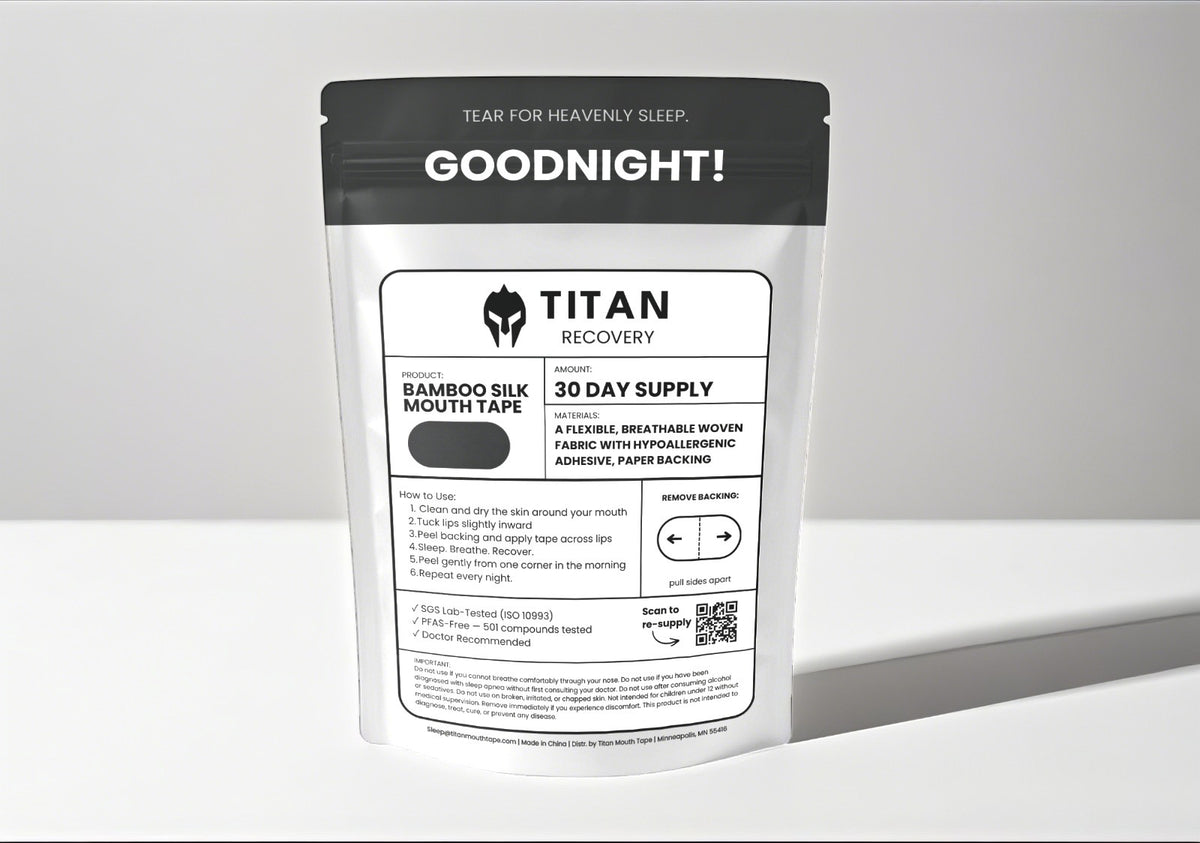
Titan Mouth Tape is made from bamboo silk with a medical-grade SilkSeal adhesive that is independently tested to ISO 10993 standards. It is non-toxic, non-allergenic, PFAS-free, and comfortable enough for nightly use. Pair it with TitanAir Nasal Strips for maximum airflow, and you have a complete nasal breathing system backed by lab testing, not just hype.
The people at the top of their fields have figured this out. The only question is whether you are ready to try it for yourself.
Doctor Recommended: "As a maxillofacial surgeon and dentist, I recommend Titan Mouth Tape. Nasal breathing during sleep is essential for airway health and deep restorative rest. Titan's bamboo silk design is the most comfortable and effective mouth tape I have tested. If you struggle with snoring, dry mouth, or poor sleep quality, this is the simplest change you can make for your health." — Dr. Francois P., MD, DDS — Maxillofacial Surgeon
Lab-Tested Safety: Titan's SilkSeal™ adhesive is independently tested to ISO 10993 medical device standards. Non-toxic (95% cell viability). Non-allergenic (0% reaction rate). Non-irritating (score 0.0/8.0). PFAS-free — 501 compounds tested, zero detected. See full test results →
Try it tonight. Bamboo silk. SilkSeal™ adhesive. Beard-friendly. No logo on the tape. Free shipping. 30-night Better Sleep Guarantee. Shop Titan Mouth Tape → · Shop TitanAir →
Doctor Recommended: "As a maxillofacial surgeon and dentist, I recommend Titan Mouth Tape. Nasal breathing during sleep is essential for airway health and deep restorative rest. Titan's bamboo silk design is the most comfortable and effective mouth tape I have tested. If you struggle with snoring, dry mouth, or poor sleep quality, this is the simplest change you can make for your health." — Dr. Francois P., MD, DDS — Maxillofacial Surgeon
Lab-Tested Safety: Titan's adhesive is independently tested to ISO 10993 medical device standards. Non-toxic (95% cell viability). Non-allergenic (0% reaction rate). Non-irritating (score 0.0/8.0). PFAS-free — 501 compounds tested, zero detected. See full test results →
Try the complete system tonight. Titan Mouth Tape (bamboo silk, SilkSeal™ adhesive) + TitanAir Nasal Strips. Free shipping. 30-night Better Sleep Guarantee. Shop Titan Mouth Tape → · Shop TitanAir Nasal Strips →