Beauty Sleep Is Real: How Sleep Affects Your Skin
Share
Beauty sleep is not a figure of speech. While you sleep, your skin does most of its repair work for the day: during deep sleep the body releases growth hormone that rebuilds skin cells and drives collagen production, blood flow to the skin rises, and the stress hormone cortisol falls to its lowest point. Cut that deep sleep short and you cut short the exact window your skin depends on to recover. That is why a rough night shows up on your face by morning, and why consistently good sleep is one of the most underrated things you can do for your skin.
The catch is that "eight hours in bed" is not the same as eight hours of the deep, restorative sleep your skin actually needs — and how you breathe overnight has a lot to do with which one you get. Here is the science, and where breathing fits in.
Does Sleep Affect Skin? What Happens Overnight
Yes, and the mechanism is well established. Your skin runs on a daily cycle, and nighttime is its maintenance shift. Once you drop into deep sleep, several repair processes ramp up at once, each with a direct line to how your skin looks.
Growth hormone and cell repair. The largest pulse of human growth hormone each day is released during deep slow-wave sleep. Growth hormone drives tissue repair — signaling cells to divide, replace damaged tissue, and rebuild the structural proteins that keep skin firm. Skip the deep sleep and you blunt that pulse, which means slower cell turnover and less overnight repair.
Collagen production. Collagen is the scaffold that keeps skin plump and elastic, and much of the body's collagen synthesis happens during sleep. Deep sleep supports the hormonal environment — higher growth hormone, lower cortisol — that lets it run. Over the long term, better sleep means the body keeps rebuilding collagen closer to the rate it breaks down.
Blood flow to the skin. During deep sleep, circulation to the skin increases, delivering more oxygen and nutrients to skin cells and clearing waste more efficiently. This is a large part of why a well-rested face looks brighter and more even, and why a sleepless night leaves skin looking dull and washed out.
Cortisol drops. Cortisol, the body's main stress hormone, reaches its lowest point during the first stretch of deep sleep. That matters because chronically elevated cortisol is hard on skin: it breaks down collagen faster than the body rebuilds it, impairs the skin barrier, and drives inflammation that can worsen acne. A full night of deep sleep gives cortisol the chance to bottom out; fragmented sleep keeps it elevated.
How Poor Sleep Shows On Your Face
The flip side of all this repair is what happens when it does not get to run. The signs of short or broken sleep are visible, and most people recognize them in the mirror the morning after.
Dullness and uneven tone. With less blood flow and slower cell turnover, skin loses the brightness it gets from a good night's rest. Research on sleep and appearance consistently finds poor sleepers are rated as looking more tired and less healthy, and dull, sallow skin is a big reason why.
Dark circles and puffiness. Poor sleep dilates blood vessels under the thin skin around the eyes, making dark circles more visible, and it disrupts the fluid balance the lymphatic system manages during rest — which is how you end up with under-eye bags and a puffy face after a bad night.
Fine lines and faster aging. This is the long game. Studies comparing good and poor sleepers have found that poor sleepers show more signs of skin aging — fine lines, uneven pigmentation, reduced elasticity — and that their skin recovers more slowly from stressors like sun exposure. Sleep does not cause wrinkles on its own, but chronically poor sleep speeds up the processes that do.
Breakouts and irritation. Elevated cortisol from poor sleep increases inflammation and can stimulate oil production, both of which feed acne, while a compromised skin barrier from missed repair makes skin more reactive and prone to irritation.
The Breathing Angle Most Skincare Advice Misses
Here is where beauty sleep gets more specific. All of the repair above depends on reaching and staying in deep sleep — and the single most overlooked disruptor of deep sleep is breathing through your mouth all night.
Mouth breathing tends to go hand in hand with snoring, micro-arousals, and fragmented sleep architecture. Every time an open-mouth breather partially wakes to reposition or clear the airway, the brain is pulled out of deep sleep, cutting into the slow-wave stage where growth hormone peaks and cortisol bottoms out. You can spend a full eight hours in bed and still shortchange the exact stage your skin relies on. If you regularly wake feeling unrested despite enough hours, fragmented deep sleep is a likely culprit.
Mouth breathing also affects the skin directly. Air passing over your lips and lower face for seven to nine hours evaporates moisture continuously, which is why chronic mouth breathers wake up with dry, cracked lips and flaky skin around the mouth. Nasal breathing warms and humidifies air before it reaches the lungs and keeps the lips closed, so the skin around the mouth is not dried out all night.
Nasal breathing also supports deeper, steadier sleep in the first place. It encourages the slower, more regular pattern associated with the parasympathetic "rest and digest" state — the setting that lets cortisol fall and deep sleep consolidate. Better breathing is not a skincare ingredient; it is a way to protect the sleep quality your skin repair runs on.
How To Get Beauty Sleep That Actually Reaches Your Skin
You cannot force growth hormone or command collagen, but you can protect the conditions that let both do their work. A few things move the needle most.
Protect your deep sleep first. Depth matters more than raw hours for skin repair. Keep a consistent sleep and wake time, get bright light in the morning, and cut off alcohol and heavy meals late at night — both fragment deep sleep even when they help you fall asleep. Our full guide on how to sleep better covers the habits that matter most.
Keep your bedroom cool. A slightly cool room (around 65 to 68 degrees) helps your core temperature drop, which is a trigger for deep sleep. The skin-cooling angle is real: a cooler room supports the temperature regulation deep sleep depends on and reduces the overnight sweating and flushing that can aggravate reactive skin.
Hydrate, but time it. Skin repair works better when the body is well hydrated, so drink enough during the day. Front-load it rather than chugging water right before bed, so you are not waking for the bathroom and breaking your deep sleep in the process.
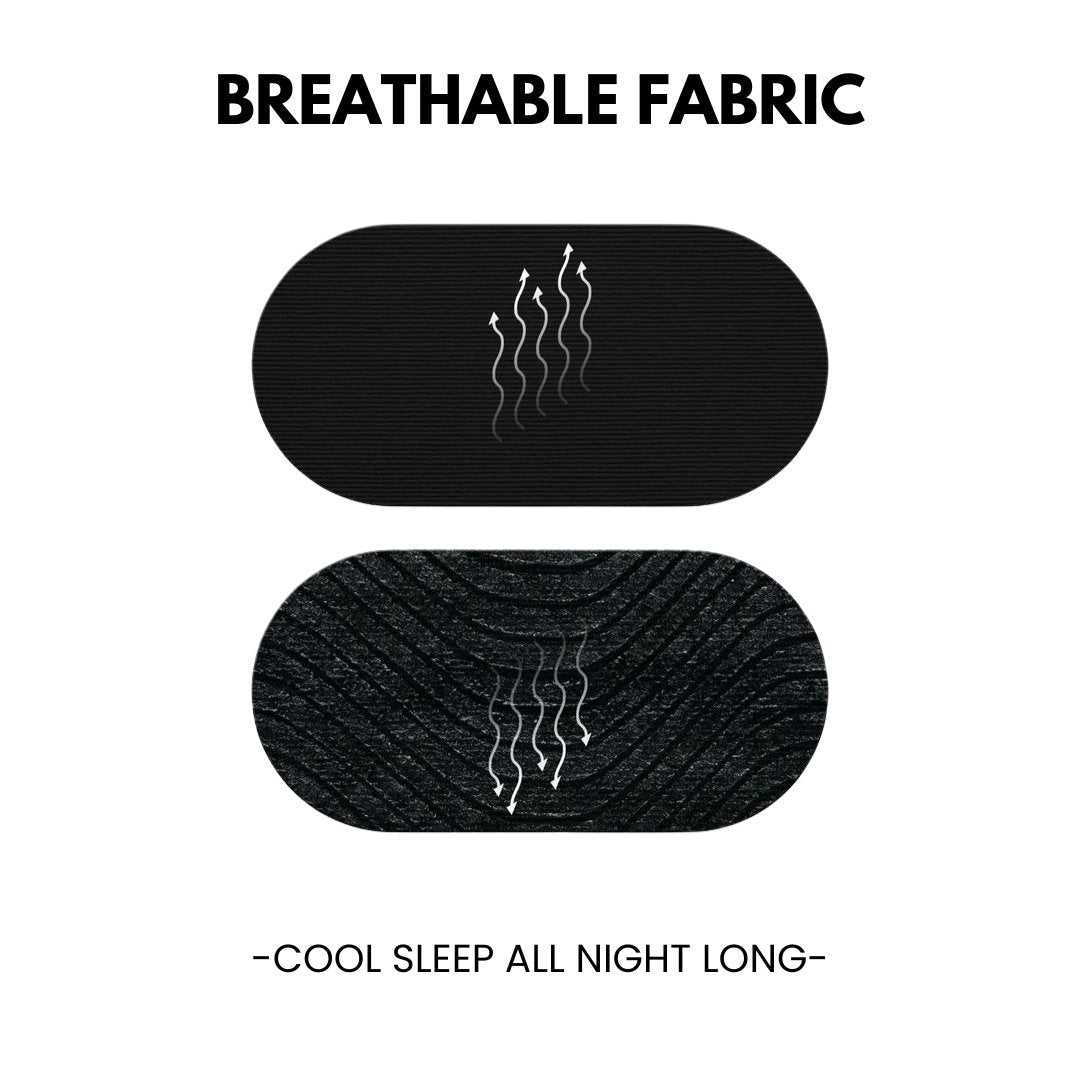
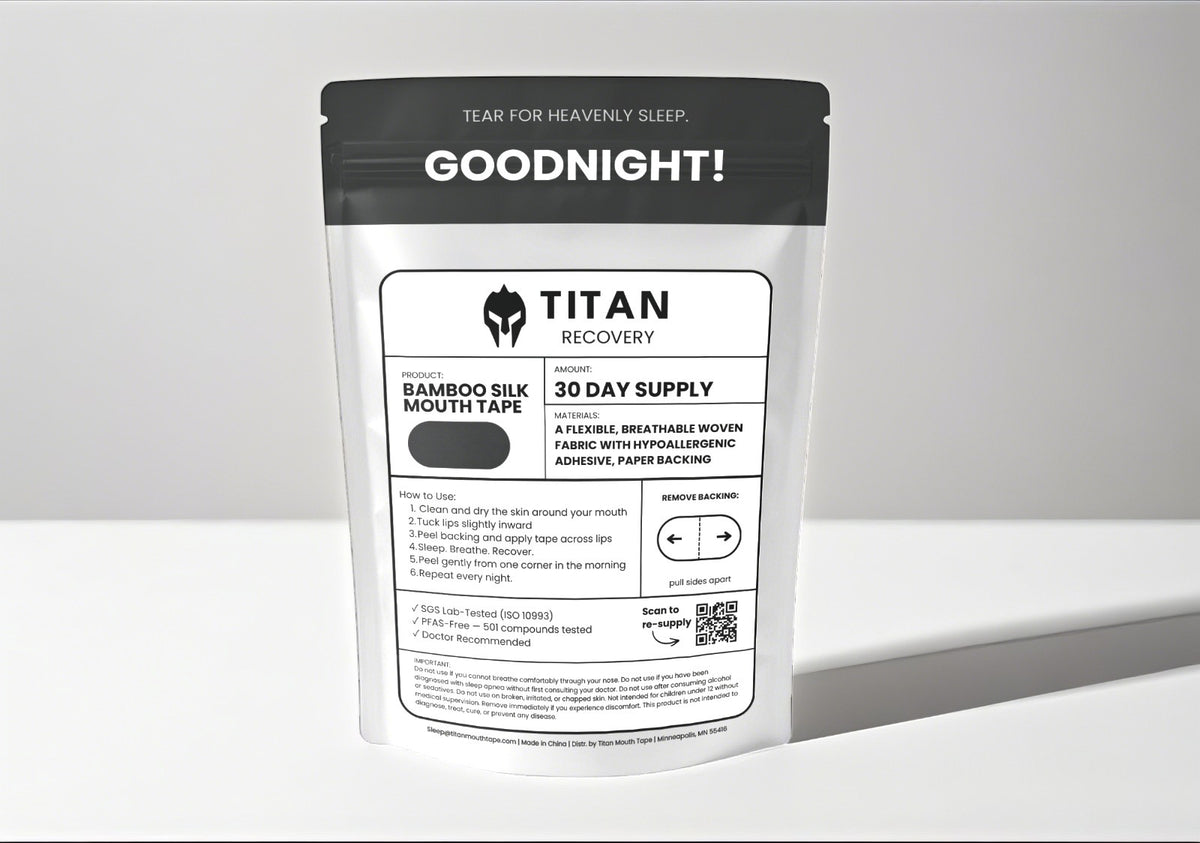
Fix the breathing. If you snore, wake with a dry mouth, or feel unrested after a full night, address how you breathe overnight. Mouth tape keeps the lips gently sealed so breathing stays nasal, which protects the deep sleep your skin repair depends on and eliminates the drying airflow across your lips and lower face. For anyone who struggles to breathe through the nose because of congestion, nasal strips open the nasal passages so nose breathing stays comfortable all night. The Deep Sleep Bundle pairs both.
To be clear about what tape is and is not: mouth tape is not a skincare product, and it will not erase a wrinkle or replace your night cream. What it does is protect the sleep quality your skin's overnight repair runs on. Think of it as upstream of your skincare routine — the best serums underperform when your deep sleep is fragmented night after night.
Why This Matters Especially For Women
Beauty sleep gets talked about most in women's skincare, and the biology backs up the interest. Hormonal shifts across the menstrual cycle, pregnancy, and especially perimenopause affect both sleep and skin — declining estrogen reduces collagen and thins the skin just as sleep becomes lighter and more easily disrupted. That combination makes protecting deep sleep more valuable, not less, which is part of why mouth taping has been gaining popularity among women. That said, none of the mechanisms here are female-specific — growth hormone, collagen, cortisol, and circulation work the same way for everyone. Good sleep is skincare for any face.
Frequently Asked Questions
Is beauty sleep actually real or just a saying?
It is real and backed by physiology. During deep sleep your body releases growth hormone that drives skin cell repair, ramps up collagen production, increases blood flow to the skin, and lets cortisol drop to its daily low. These processes keep skin firm, bright, and even-toned, and they run mostly at night. Shorten or fragment your deep sleep and you shorten the window in which they happen.
How many hours of sleep do you need for good skin?
Most adults need seven to nine hours, but for skin the depth of that sleep matters as much as the total. You can spend eight hours in bed and still get poor repair if your deep sleep is fragmented by snoring, mouth breathing, alcohol, or a too-warm room. Aim for enough hours and protect the depth, not just the duration.
How quickly does poor sleep show on your skin?
Some effects are immediate — dullness, puffiness, and dark circles can appear after a single bad night from reduced blood flow and disrupted fluid balance. The deeper effects, like fine lines and reduced elasticity, build up over months of chronically poor sleep. The short-term signs reverse quickly once your sleep improves.
Can mouth taping improve my skin?
Only indirectly, and that is the honest answer. Mouth tape is not a skincare product. What it does is keep you breathing through your nose overnight, which protects deep sleep and stops the drying airflow over your lips and lower face. By protecting the sleep your skin repair depends on, it supports the conditions for better skin — it does not treat the skin itself. Pair it with a real skincare routine rather than expecting it to replace one.
The Bottom Line
Beauty sleep earns its name. Deep sleep is when your skin does the bulk of its repair — growth hormone rebuilding cells, collagen production running, blood flow rising, and cortisol falling to its lowest point. Shortchange that deep sleep and it shows up as dullness, dark circles, puffiness, and, over time, faster aging. The most overlooked disruptor of that deep sleep is how you breathe: mouth breathing fragments the exact sleep stage your skin depends on and dries out your lips and lower face in the process.
You cannot force skin repair, but you can protect the sleep that makes it possible — a cool, dark room, steady hydration, a consistent schedule, and better overnight breathing. Mouth tape keeps breathing nasal so your deep sleep stays intact, and nasal strips keep the airway open so nose breathing stays easy all night. Tape will not replace your skincare, but it protects the one thing no serum can give you: the deep, uninterrupted sleep your skin needs to repair itself.
Doctor Recommended: "As a maxillofacial surgeon and dentist, I recommend Titan Mouth Tape. Nasal breathing during sleep is essential for airway health and deep restorative rest. Titan's bamboo silk design is the most comfortable and effective mouth tape I have tested. If you struggle with snoring, dry mouth, or poor sleep quality, this is the simplest change you can make for your health." — Dr. Francois P., MD, DDS — Maxillofacial Surgeon
Lab-Tested Safety: Titan's adhesive is independently tested to ISO 10993 medical device standards. Non-toxic (95% cell viability). Non-allergenic (0% reaction rate). Non-irritating (score 0.0/8.0). PFAS-free — 501 compounds tested, zero detected. See full test results →
Try the complete system tonight. Titan Mouth Tape (bamboo silk, SilkSeal™ adhesive) + TitanAir Nasal Strips. Free shipping. 30-night Better Sleep Guarantee. Shop Titan Mouth Tape → · Shop TitanAir Nasal Strips →