9 Benefits of Nasal Breathing
Share
Every breath you take through your nose does more work than the same breath through your mouth. Your nasal passages filter, warm, humidify, and chemically treat incoming air before it reaches your lungs. When you bypass that system by breathing through your mouth, especially during the eight hours you spend asleep, you lose benefits that affect everything from your energy levels to your dental health to your long-term cardiovascular function.
Here are nine evidence-backed reasons to prioritize nasal breathing, both during the day and especially at night when you have no conscious control over your breathing pattern.
1. Better oxygen absorption
Nasal breathing produces nitric oxide, a molecule your paranasal sinuses release continuously when air flows through the nasal passages. Nitric oxide dilates blood vessels in your lungs, increasing the surface area available for gas exchange. Research published in respiratory physiology journals has shown that nasal breathing can improve blood oxygen uptake by 10 to 15 percent compared to mouth breathing at the same respiratory rate. More oxygen per breath means your cardiovascular system works less hard to fuel your muscles, brain, and organs.
2. Natural air filtration and pathogen defense
Your nose is lined with tiny hairs called cilia and coated with sticky mucous membranes that trap particulates, allergens, bacteria, and viruses before they reach your lower airways. This mechanical filtration removes particles as small as 3 microns. Mouth breathing skips this entire defense system. Everything you inhale goes directly to your throat and lungs unfiltered. Over months and years, this difference compounds into measurable impacts on respiratory health, especially if you live in an area with dust, pollen, wildfire smoke, or urban pollution.
3. Reduced snoring and better sleep architecture
Mouth breathing is the primary mechanical cause of snoring. When your mouth falls open during sleep, your tongue drops back, your soft palate collapses, and turbulent airflow vibrates the relaxed throat tissues. Nasal breathing keeps the airway more stable, the tongue more forward, and airflow more laminar, which eliminates or dramatically reduces snoring for most people. If snoring is a problem for you or your partner, our guide on mouth taping for snoring covers the practical fix and what to expect in the first week.
4. Deeper sleep stages and better recovery
Nasal breathing activates the parasympathetic nervous system, your body's rest-and-recovery mode. This promotes a slower heart rate, lower cortisol levels, and easier transition into the deep sleep (N3) and REM stages where critical biological processes happen: physical tissue repair, immune system regulation, memory consolidation, and emotional processing. Mouth breathers tend to spend more time in lighter N1 and N2 sleep phases and experience more micro-arousals throughout the night, even without fully waking up. The result is that eight hours of mouth-breathing sleep does not deliver the same recovery as seven hours of nasal-breathing sleep.
5. Protects your teeth, gums, and oral health
Saliva is your mouth's primary defense system. It continuously neutralizes acids that attack tooth enamel, washes away the bacteria that cause cavities and periodontal disease, delivers minerals that repair weakened enamel surfaces, and maintains the slightly alkaline pH that healthy oral tissue requires. When you breathe through your mouth for hours, saliva evaporates and that entire protective system shuts down. Chronic mouth breathers consistently show higher rates of cavities, gum inflammation, and persistent halitosis, even with excellent brushing and flossing habits. The problem is not hygiene. The problem is airflow. For more on this connection, see our post on waking up with dry mouth.
6. Lower stress response and better nervous system regulation
Nasal breathing naturally produces slower, deeper, more rhythmic breath cycles than mouth breathing. This pattern activates the vagus nerve, the longest cranial nerve in your body, which directly downregulates the sympathetic stress response. Research has demonstrated that consistent nasal breathing reduces baseline cortisol levels, improves heart rate variability (a key marker of nervous system resilience), and lowers resting blood pressure over time. These effects are cumulative, meaning the benefits compound the longer nasal breathing is your default.
7. Improved athletic endurance and performance
Athletes who train with nasal breathing develop greater carbon dioxide tolerance, which improves endurance capacity and delays the onset of breathlessness during sustained effort. Nasal breathing during exercise also promotes better postural alignment, more efficient diaphragmatic engagement, and reduced perceived exertion at the same work output. Many endurance coaches and sports physiologists now incorporate nasal-only training blocks specifically for these performance benefits. The principle applies at every fitness level, not just elite athletes.
8. Better facial structure and postural alignment
Chronic mouth breathing, especially during childhood and adolescence, is associated with measurable changes in facial development, including a longer, narrower face, a higher and more narrow palate, and a recessed lower jaw. In adults, habitual mouth breathing contributes to forward head posture, chronic neck and shoulder tension, and temporomandibular joint strain. Nasal breathing supports proper tongue posture, with the tongue resting against the roof of the mouth, which maintains jaw alignment, facial muscle tone, and healthy cranial posture over time.
9. Fewer respiratory infections
The combination of physical filtration, air humidification, and continuous nitric oxide production makes nasal breathing a genuine frontline defense against respiratory illness. Nitric oxide has documented antiviral and antibacterial properties. Properly humidified air is less irritating to the bronchial lining and supports healthy mucous membrane function. And trapped particulates never reach the vulnerable lower airways. Mouth breathers bypass all three of these protective mechanisms with every breath they take.
How to get these benefits during sleep
The challenge is that you cannot consciously choose nasal breathing while you are asleep. Your jaw relaxes, your mouth falls open, and your body takes the path of least resistance. This is where mouth taping becomes essential. A small strip of breathable tape across your lips keeps your mouth gently closed and your breathing routed exclusively through your nose for the entire night.
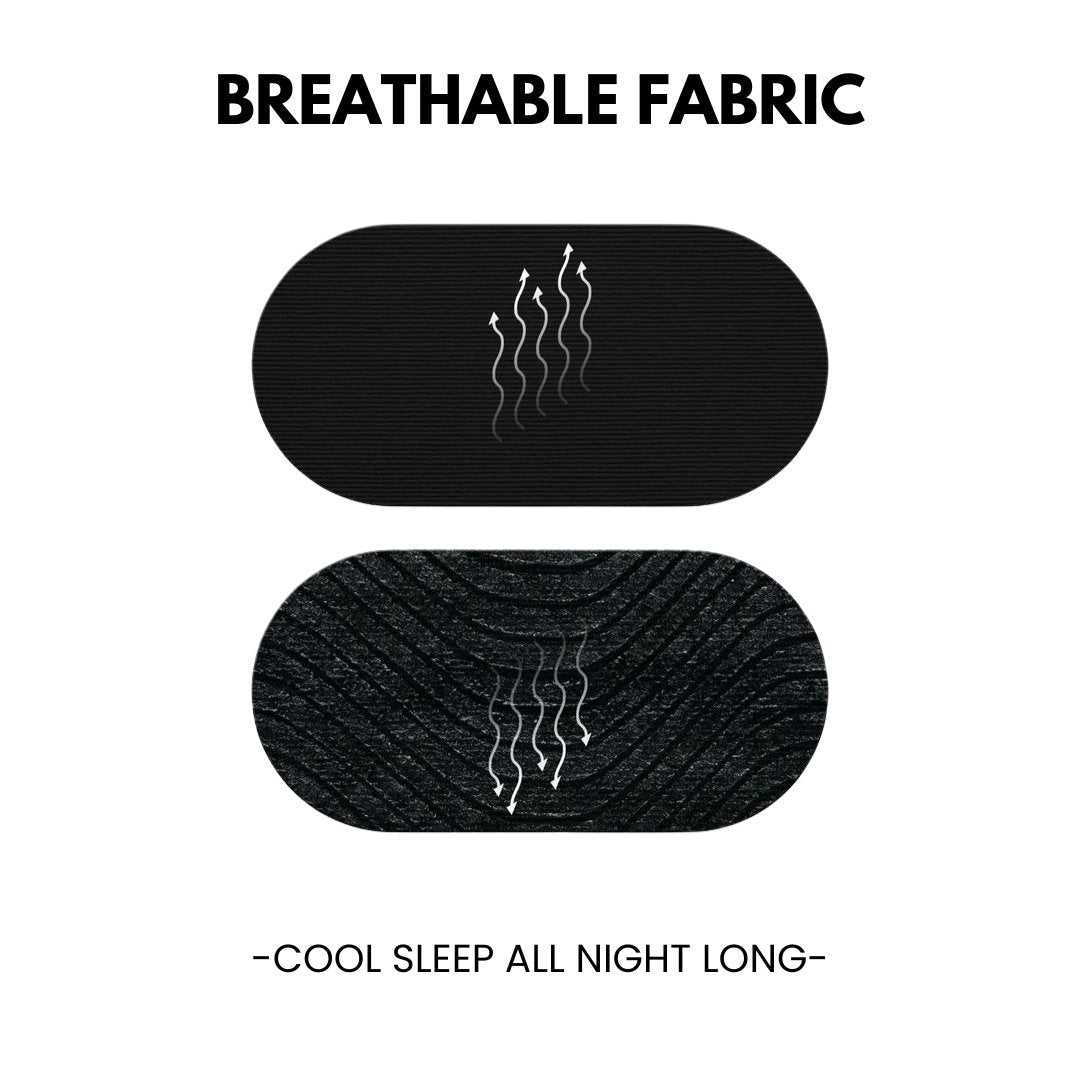
Titan Mouth Tape is made from bamboo silk with a hypoallergenic, medical-grade SilkSeal adhesive. It is comfortable enough to forget you are wearing it, gentle enough for sensitive skin and facial hair, and independently tested to ISO 10993 medical device standards. Pair it with TitanAir Nasal Strips if you want maximum nasal airflow, especially during allergy season or if you have any nasal congestion.
The Bottom Line
Nasal breathing is not a wellness trend. It is how your respiratory system was designed to operate, and the benefits are measurable and well-documented across sleep quality, oral health, stress regulation, athletic performance, and immune defense. The easiest way to ensure you get all nine of these benefits during the eight hours you spend unconscious every night is to keep your mouth closed with tape.
Titan Mouth Tape costs under $0.75 per night. For something that improves oxygen absorption, protects your teeth, reduces snoring, deepens your sleep, and supports your immune system, it is one of the highest-return health investments you can make.
Doctor Recommended: “As a maxillofacial surgeon and dentist, I recommend Titan Mouth Tape. Nasal breathing during sleep is essential for airway health and deep restorative rest. Titan’s bamboo silk design is the most comfortable and effective mouth tape I have tested. If you struggle with snoring, dry mouth, or poor sleep quality, this is the simplest change you can make for your health.” — Dr. Francois P., MD, DDS — Maxillofacial Surgeon
Lab-Tested Safety: Titan’s SilkSeal™ adhesive is independently tested to ISO 10993 medical device standards. Non-toxic (95% cell viability). Non-allergenic (0% reaction rate). Non-irritating (score 0.0/8.0). PFAS-free — 501 compounds tested, zero detected. See full test results →
Try it tonight. Bamboo silk. SilkSeal™ adhesive. Beard-friendly. No logo on the tape. Free shipping. 30-night Better Sleep Guarantee. Shop Titan Mouth Tape → · Shop TitanAir →