Silk Mouth Tape: Why the Material Matters
Share
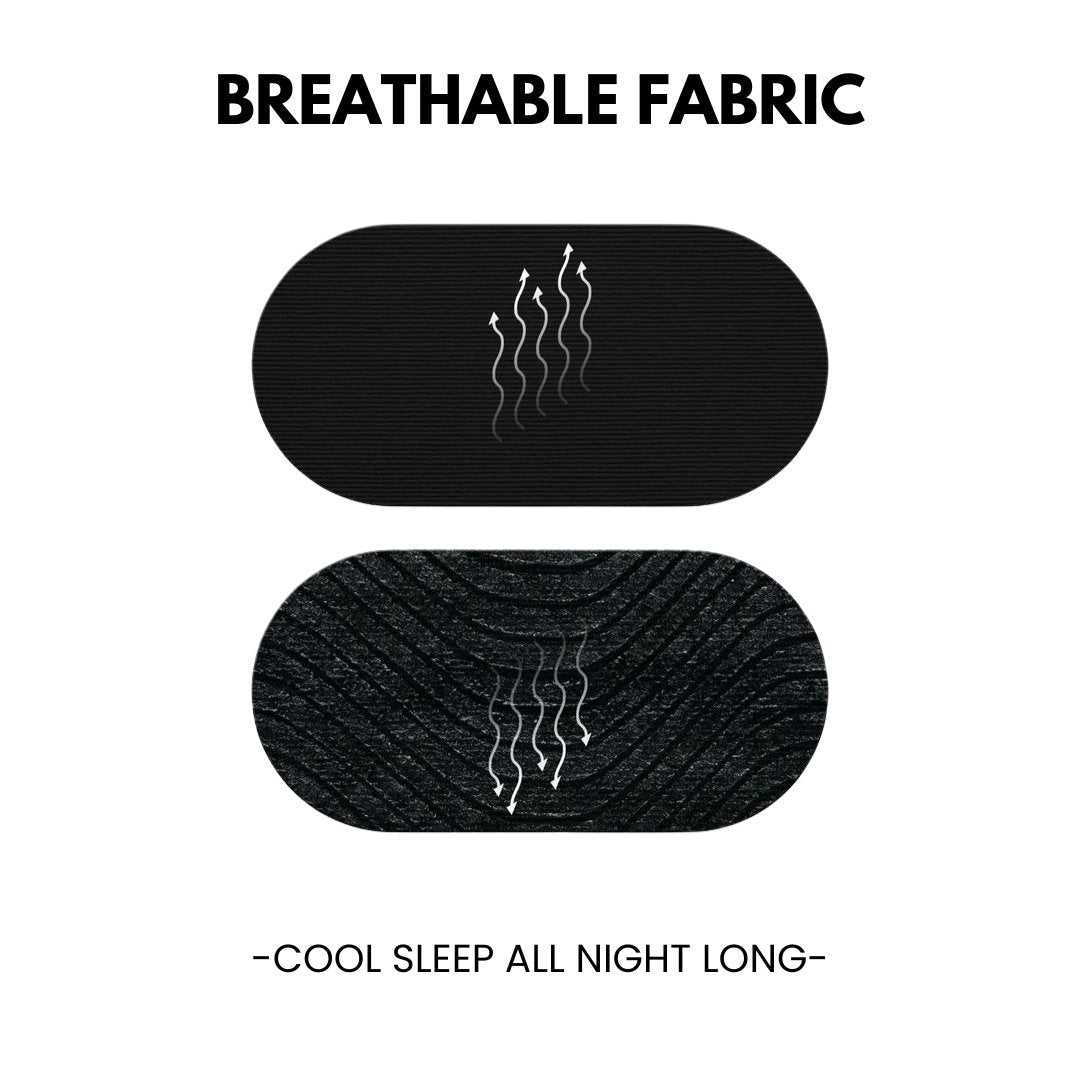
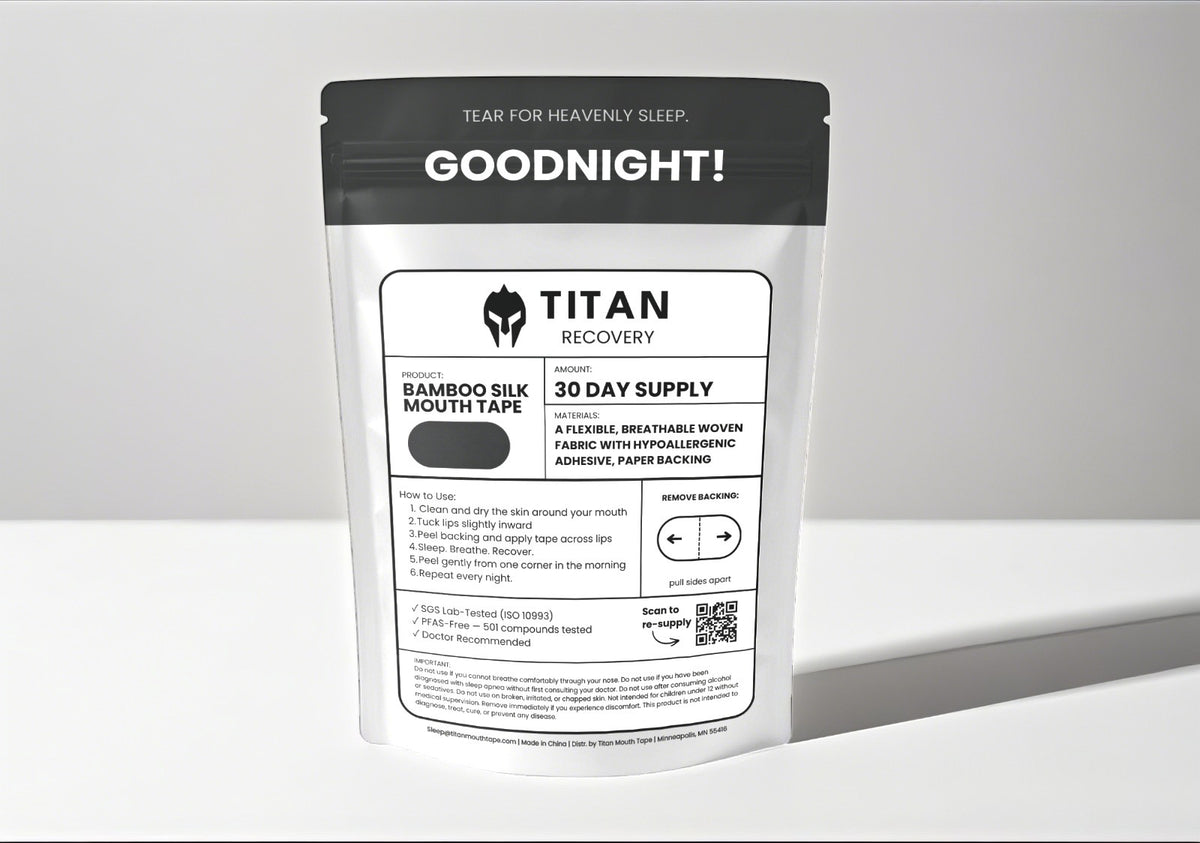
Silk mouth tape — often bamboo silk — uses a soft, breathable woven fabric instead of a plastic film. That fabric is gentler on the skin and lips, flexes with your face, and uses a milder adhesive, so it's more comfortable for all-night wear. Material doesn't change what mouth tape does; it changes whether the tape is comfortable enough that you actually keep using it.
The active ingredient in mouth taping is nasal breathing; the tape is just the delivery method. How that tape feels on your face for seven to nine hours decides whether the habit sticks. Below is what "silk mouth tape" really means, why the fabric matters, and where its limits are.
What is silk mouth tape?
Silk mouth tape is mouth tape whose backing — the part touching your skin — is a woven fabric with a soft, silky hand feel rather than a smooth plastic or paper film. In practice, most "silk" mouth tape on the market is bamboo silk: bamboo is processed into a cellulose fiber, then spun and woven into a fabric that's smooth against skin and breathable through the weave itself. It's the same category of material used in premium bedding and baby clothing, where softness and skin safety matter most.
A few things to know about the term:
- "Silk" usually describes the feel, not silkworm silk. Most sleep tapes labeled silk are bamboo-silk or a similar woven fabric, not the protein fiber from silkworms.
- The backing is only half the product. The adhesive matters just as much as the fabric — a soft backing with a harsh glue defeats the point.
- Fabric tapes flex; film tapes don't. A woven backing conforms to the curves and movement of your face; a plastic film tends to sit rigidly on top of it.
For a deeper look at the fiber itself, see why bamboo silk is the best material for mouth tape.
Why does mouth tape material matter?
Mouth tape sits across your lips — the one spot on your face that stays warm and damp from breathing all night — and the material determines how that feels. Here's what the fabric actually changes:
Breathability. A woven fabric like bamboo silk lets air and moisture pass through the backing instead of trapping it. Plastic-film tapes seal moisture against the skin, and moisture held under an occlusive layer for hours is what leads to irritation and breakouts. A breathable backing lets it wick away.
Softness against the lips. Your lips are far more sensitive than the skin on your cheeks. A soft woven surface feels neutral there; a stiff plastic edge can feel scratchy or tight — exactly the sensation that makes people rip the tape off at 2 a.m.
Flexibility. Your jaw shifts, you swallow, you change positions. A fabric backing moves with those motions; a rigid film resists them, so it tugs the skin or peels loose at the corners.
The adhesive. Fabric sleep tapes are usually paired with a gentler, pressure-sensitive adhesive made for extended skin contact. Harsher tapes — the athletic or duct-style tapes people improvise with — bond aggressively, so they can tug skin, pull facial hair, and leave residue. A gentle adhesive holds all night and still releases cleanly.
Put simply: the fabric decides how the tape feels going on, staying on, and coming off. For how the taping itself works once it's on, see how does mouth tape work.
Why bamboo silk specifically?
Bamboo silk shows up as the fabric of choice for sleep tape for a few concrete reasons:
- Naturally soft. Bamboo fiber is smoother than cotton, so the surface against your lips feels closer to fabric bedding than to tape.
- Naturally breathable. The woven structure allows air exchange through the strip, keeping heat and moisture from building up overnight.
- Low in common irritants. Bamboo fiber tends to be gentle on reactive skin, which is why fabric tapes are usually the better starting point.
- Conforms rather than sits on top. The fabric drapes to the face, helping it stay put instead of lifting at the edges.
None of this is magic — it's the difference between a material designed for overnight facial contact and one borrowed from somewhere else. If your skin irritates easily, the material is the single biggest factor; our full take is in mouth tape side effects.
Is silk mouth tape better than plastic tape?
For overnight, all-night wear, a soft fabric like bamboo silk is generally more comfortable than a plastic film — and comfort is what determines whether you keep taping. But "better" depends on what you're comparing:
- Comfort and skin feel: fabric wins. Softer surface, more flex, less trapped moisture.
- Breathability: fabric wins. Woven backings let moisture escape; films hold it in.
- Gentle removal: usually fabric, because it's paired with milder adhesives. A harsh plastic tape is more likely to tug or leave residue.
- Raw stickiness: an aggressive plastic or athletic tape may grip harder — but that's often a downside on facial skin, not an upside.
The honest version: a plastic tape can hold your mouth closed just fine, but a tape you dread putting on is one you'll abandon in a week. Comfort equals consistency. The material that feels good enough to use every single night is the one that actually delivers the benefit, because that benefit only comes from doing it repeatedly.
Is silk mouth tape good for sensitive skin or beards?
These are two of the situations where the material makes the biggest difference.
Sensitive skin. A breathable fabric backing with a gentle, latex-free adhesive gives reactive skin the best chance of tolerating nightly wear. Trapped moisture and harsh adhesives are the two usual triggers for tape irritation, and a soft woven tape reduces both. If you've reacted to tape before, patch-test a new one on your inner forearm for a night before wearing it on your lips.
Beards and facial hair. This is where flexibility earns its keep. A rigid plastic film tends to sit on top of the hair and lose grip, then yank the hairs on removal. A fabric backing conforms around facial hair, so it holds better and pulls far less. It's not perfectly painless over a dense beard, but the soft-fabric, gentle-adhesive combination is meaningfully kinder than a stiff, aggressive tape. Trimming right around your lips helps any tape hold.
New to the habit entirely? Start with our step-by-step guide to mouth taping so the first few nights go smoothly.
What to look for in silk mouth tape
Because "silk" describes a feel more than a strict standard, quality varies. When comparing options, check for:
- A genuinely woven fabric backing — bamboo silk or similar — not a plastic film with a "silky" marketing name.
- A gentle, latex-free adhesive rated for extended skin contact, so it holds all night and releases cleanly.
- A shape that fits your mouth and enough hold to survive jaw movement and lip-line moisture, without being so aggressive it tugs skin.
- Clean removal — no residue, no skin-pulling, no hair-ripping in the morning.
The limits: what material can't fix
It's worth being clear about what a better fabric does and doesn't do, because the material is easy to over-sell:
- Material doesn't change the mechanism. Silk, plastic, or paper, mouth tape does one thing: it encourages you to breathe through your nose by keeping your lips gently together. A softer fabric makes that more comfortable — it doesn't make the tape do more.
- You still need a clear nose. No tape, however comfortable, is safe or useful if you can't breathe through your nose. If you're congested, skip the tape and open the airway first with a nasal strip and saline.
- It's not a sleep apnea cure. Mouth tape is not a treatment for obstructive sleep apnea. If you snore heavily, gasp, or wake unrefreshed, get evaluated — tape is not a substitute for a diagnosis or CPAP.
The fabric is what makes the habit sustainable. It isn't what makes the habit work.
Frequently Asked Questions
What is silk mouth tape made of?
Most silk mouth tape is bamboo silk — a soft, woven fabric made from processed bamboo cellulose fiber — paired with a gentle, latex-free adhesive. The "silk" refers to the smooth feel of the fabric, not silkworm silk. It's chosen because it's soft on the lips and breathable through the weave.
Is silk mouth tape better than plastic tape?
For all-night wear, usually yes on the measures that matter: it's softer on the lips, more breathable, more flexible, and paired with gentler adhesives that release cleanly. A plastic tape can hold your mouth closed too, but comfort is what keeps you taping every night, and that consistency is where the benefit comes from.
Is bamboo silk mouth tape good for sensitive skin?
It's generally the best starting point for reactive skin, because a breathable fabric backing and a mild, latex-free adhesive reduce the two usual triggers — trapped moisture and harsh glue. If you've reacted to tape before, patch-test a new one on your inner forearm for a night before wearing it on your lips.
Does silk mouth tape work better with a beard?
The fabric flexes and conforms around facial hair instead of sitting rigidly on top of it, so it tends to hold better and pull far less on removal than a stiff plastic tape. It's not completely painless over a dense beard, but the soft-fabric, gentle-adhesive combination is noticeably kinder. Trimming right around the lips helps any tape hold.
Can silk mouth tape treat snoring or sleep apnea?
No tape treats sleep apnea, regardless of material. Mouth tape can support nasal breathing and may reduce mouth-breathing-related snoring for some people, but it's not a medical treatment. If you snore heavily, gasp, or wake unrefreshed, get evaluated rather than relying on tape.
The Bottom Line
Silk mouth tape — bamboo silk in practice — uses a soft, breathable woven fabric that's gentler on skin and lips than a plastic film, flexes with your face and beard, and pairs with a milder adhesive that holds all night and releases cleanly. That's a real, meaningful upgrade in comfort. What it isn't is a change to what mouth tape fundamentally does: the material makes the habit sustainable, not more powerful, and you still need a clear nose. It's not a snoring fix and not a sleep apnea cure.
If you're choosing a tape, pick the one you'll actually use every night. Titan mouth tape is built on bamboo silk to be that tape — comfortable enough on sensitive skin, lips, and beards to make nightly nasal breathing easy. Keep Titan Air nasal strips on hand for stuffy nights, or start with the Deep Sleep Bundle and let the strip open your nose while the tape does the rest.
Doctor Recommended: "As a maxillofacial surgeon and dentist, I recommend Titan Mouth Tape. Nasal breathing during sleep is essential for airway health and deep restorative rest. Titan's bamboo silk design is the most comfortable and effective mouth tape I have tested. If you struggle with snoring, dry mouth, or poor sleep quality, this is the simplest change you can make for your health." — Dr. Francois P., MD, DDS — Maxillofacial Surgeon
Lab-Tested Safety: Titan's adhesive is independently tested to ISO 10993 medical device standards. Non-toxic (95% cell viability). Non-allergenic (0% reaction rate). Non-irritating (score 0.0/8.0). PFAS-free — 501 compounds tested, zero detected. See full test results →
Try the complete system tonight. Titan Mouth Tape (bamboo silk, SilkSeal™ adhesive) + TitanAir Nasal Strips. Free shipping. 30-night Better Sleep Guarantee. Shop Titan Mouth Tape → · Shop TitanAir Nasal Strips →