Bamboo vs. Plastic Mouth Tape: Which Is Better?
Share
Bamboo and fabric mouth tapes are generally more breathable, softer, and more comfortable for all-night wear than plastic or film tapes, because they flex with your face and use gentler adhesives. Plastic tapes are usually cheaper and hold firmly, but can feel stiff, breathe less, and leave more residue. Here is how the two material categories actually compare.
Shop for mouth tape and you will see two broad camps: soft, cloth-like tapes often described as bamboo, cotton, or silk, and thinner plastic or film tapes that feel more like conventional adhesive strips. Both keep your lips sealed so you breathe through your nose. But the material sitting against your skin for eight hours makes a real difference in comfort, and comfort is what decides whether you stick with the habit. This guide compares the material categories honestly, without naming specific brands, because the meaningful differences come down to what the tape is made of and how the adhesive is formulated.
How do bamboo and plastic mouth tape differ?
The core difference is the backing material and how it behaves against moving, sweating skin. Bamboo and fabric tapes use a woven or non-woven textile backing that is flexible and slightly porous. Plastic and film tapes use a thin polymer backing that is smoother, less flexible, and largely non-porous.
That single distinction ripples into everything else that matters overnight:
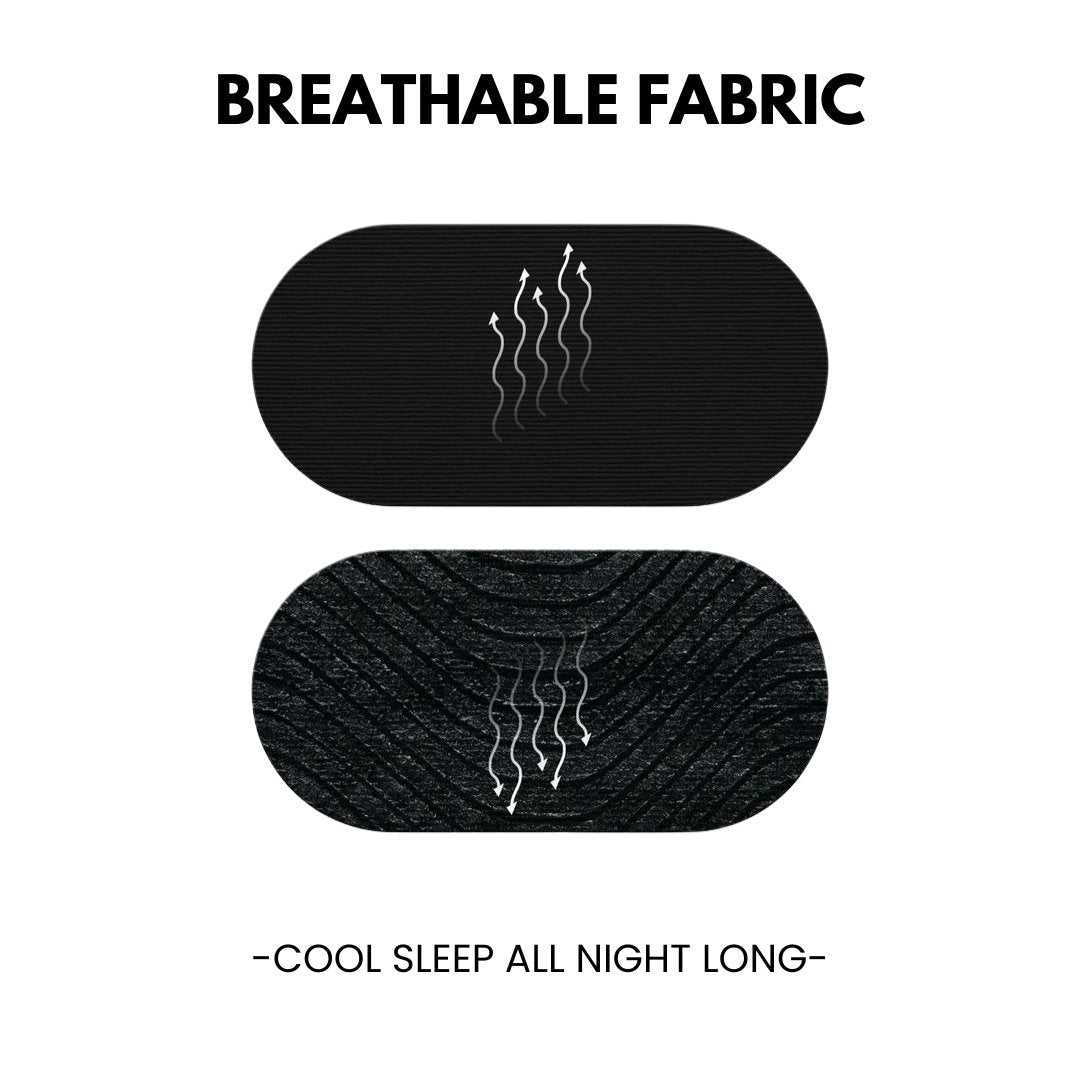
- Breathability. Textile-based bamboo tapes let a little air and moisture pass through. Plastic films trap heat and humidity against the skin.
- Flexibility. Fabric tapes stretch and conform as your mouth and cheeks move during sleep. Plastic can feel stiff and may lift at the edges when you shift positions.
- Adhesive feel. Purpose-built bamboo tapes tend to pair the backing with a gentler adhesive. Plastic tapes vary widely, and some use stronger adhesives that tug more on removal.
- Residue. Softer tapes with gentle adhesives usually peel clean. Stiffer plastic films are more likely to leave sticky residue or lift unevenly.
Neither category is automatically "correct," and a well-made plastic tape can outperform a poorly made fabric one. But as a general rule, the material properties of bamboo and fabric favor comfort over a full night, which is why so many purpose-built sleep tapes have moved in that direction. For a deeper look, see why bamboo silk is the best material for mouth tape.
Is bamboo mouth tape more comfortable?
For most people wearing tape all night, yes. Comfort during sleep comes down to three things: how the material feels against your lips, whether it moves with you, and how it comes off in the morning. Bamboo and fabric tapes tend to do well on all three.
The backing feels more like cloth than a bandage. Because it flexes, it moves with your face instead of fighting it, so you are less likely to notice it or wake up with a corner peeling. A gentle adhesive made for facial skin also releases without the sharp pull stiffer tapes can cause, which matters if you have sensitive skin or facial hair.
Plastic tapes are not uncomfortable for everyone. Some people never notice them, and the firmer hold can feel reassuring. But the trade-offs show up over weeks of nightly use: less breathability means more trapped moisture, and a stiffer film is more likely to feel present on your face or leave residue behind.
Bamboo and fabric tape: pros and cons
Pros:
- Breathable textile backing that lets some moisture escape
- Soft, cloth-like feel against the lips
- Flexes and conforms as you move during sleep
- Typically paired with a gentle, skin-friendly adhesive
- Usually peels off cleanly with little residue
Cons:
- Generally costs more than basic plastic tape
- Quality varies, so material claims are worth checking
Plastic and film tape: pros and cons
Pros:
- Usually the cheapest option
- Firm, secure hold
- Widely available
Cons:
- Non-porous backing traps heat and humidity
- Can feel stiff and may lift at the edges when you move
- Stronger adhesives can tug on removal
- More prone to leaving sticky residue
What is the best mouth tape material?
The best material is one that seals reliably, breathes enough to stay comfortable, and releases gently after eight hours. By those standards, soft textile backings, bamboo and fabric among them, tend to be the strongest all-around choice for overnight wear. They balance a secure seal with the flexibility and breathability that keep tape comfortable through a full night.
That said, "material" is only half the story. The adhesive matters just as much. A great backing paired with a harsh adhesive will still hurt to remove, and a mediocre backing with a well-tuned adhesive can perform surprisingly well. When comparing tapes, look at both the backing and the adhesive, especially whether it is formulated for facial skin rather than borrowed from general-purpose or medical tape.
The useful question is simple: is the backing a breathable, flexible textile, and is the adhesive gentle enough for nightly facial use? If yes, you are in good shape regardless of the exact name on the box. To understand why a good seal helps in the first place, see how mouth tape works.
What about facial tape versus mouth tape?
"Facial tape" and "mouth tape" are used loosely, so read the product description, not just the label. Some products marketed as facial or cosmetic tape are made for skin-smoothing or lifting effects and are not intended to seal the lips overnight. True mouth tape is designed to hold the lips gently closed during sleep while allowing safe, easy removal. The safe rule: if a tape does not clearly state it is made to be worn on the mouth during sleep, do not assume it is suitable, even if it is sold for use on the face.
Can you use regular or plastic tape instead of mouth tape?
No. Do not use household, office, or hardware tape on your mouth. This is the most important point in this article. Duct tape, packing tape, painter's tape, masking tape, electrical tape, and cellophane office tape are not made for skin contact. Their adhesives are not skin-safe, and using them on your lips risks irritation, allergic reaction, and painful removal that can damage the delicate skin around your mouth.
People usually ask this because they want to test the idea cheaply. That instinct is understandable, but the wrong tape is a genuinely bad shortcut. The distinction here is not bamboo versus plastic; it is purpose-made versus not. Even the cheapest legitimate mouth tape is formulated to be worn on skin overnight and removed safely. A roll of household tape is not, at any price.
If budget is the concern, choose an inexpensive tape that is actually made for mouth taping rather than repurposing something from a drawer or toolbox. And if you are unsure whether taping is right for you, read who should not use mouth tape before you start.
Which should you choose?
Match the material to how you sleep and how long you plan to keep the habit. Here is a simple way to decide:
- Choose bamboo or fabric tape if you plan to tape nightly, you have sensitive skin or facial hair, you run warm and dislike trapped moisture, or comfort is what will keep you consistent. This is the better fit for most long-term mouth tapers.
- Consider plastic or film tape if your top priority is the lowest possible price, you are only testing the concept for a short period, and your skin tolerates firmer adhesives without irritation.
- Never choose household tape. Cost is not a reason to use tape that was never meant for skin.
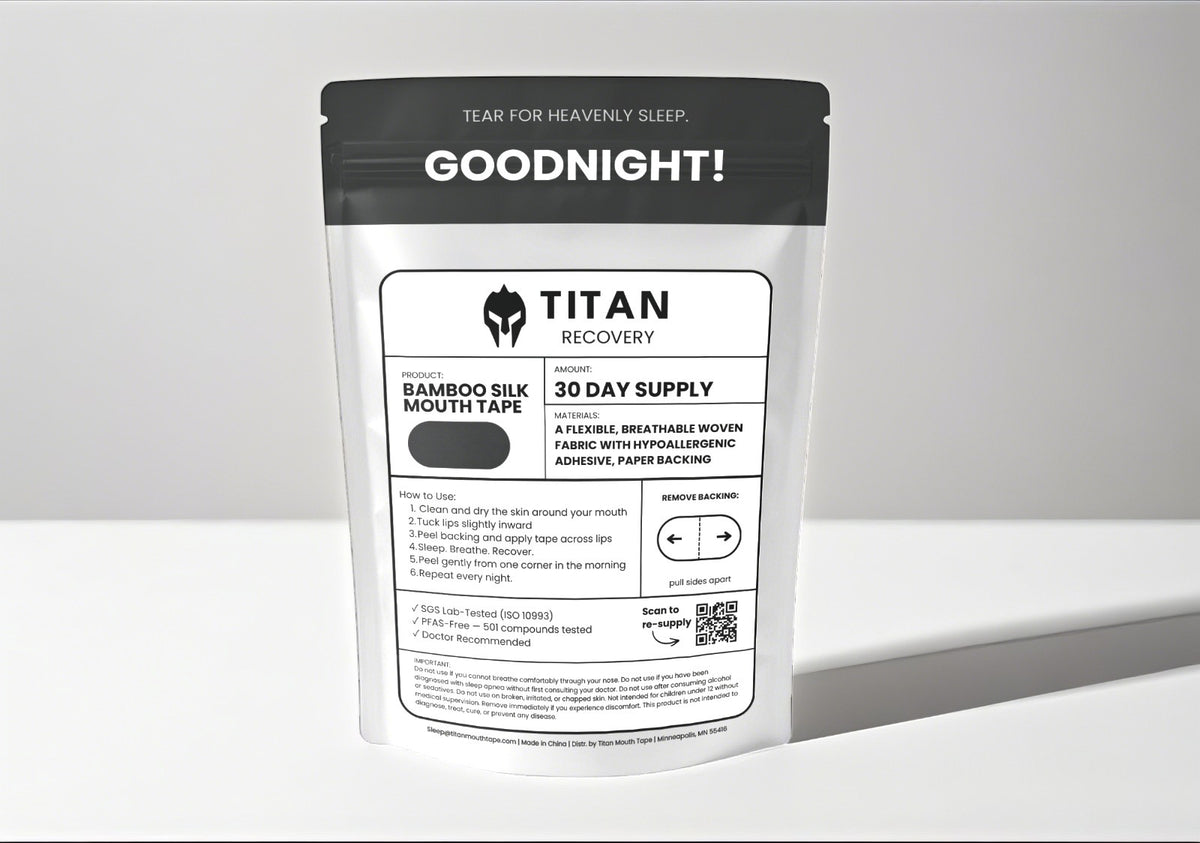
For most people, the comfortable, breathable choice for all-night wear is a soft bamboo or fabric tape with a gentle, facial-grade adhesive. That combination is what Titan Mouth Tape is built around, using a bamboo silk backing designed to flex with your face and peel cleanly in the morning. If nasal congestion sometimes makes sealing your lips harder, pairing tape with TitanAir Nasal Strips can open your nasal passages so nose breathing feels effortless. For the full nightly setup, the Deep Sleep Bundle combines both.
Frequently Asked Questions
Is bamboo mouth tape better than plastic mouth tape?
For all-night comfort, bamboo and fabric tapes generally have the edge because they are more breathable, flex with your face, and use gentler adhesives. Plastic tapes are usually cheaper and hold firmly but can feel stiff, trap moisture, and leave more residue.
Can I use normal household tape instead of mouth tape?
No. Duct tape, packing tape, painter's tape, masking tape, and office tape are not made for skin contact, and their adhesives are not skin-safe. Using them on your lips risks irritation and painful removal. Only use tape that is specifically made and sold for overnight mouth taping.
Does plastic mouth tape leave residue?
It can. Thinner plastic films paired with stronger adhesives are more likely to lift unevenly or leave a sticky residue than soft fabric tapes with gentle, facial-grade adhesives, which tend to peel off cleanly.
Is bamboo mouth tape breathable?
Yes, more so than plastic. A woven or non-woven bamboo backing lets a small amount of air and moisture pass through, so less heat and humidity get trapped against your skin over a full night compared with a non-porous plastic film.
What is the difference between facial tape and mouth tape?
The terms overlap, so read the description. Some facial or cosmetic tapes are made for skin-smoothing effects and are not meant to seal the lips overnight. Mouth tape is designed specifically to hold the lips gently closed during sleep and to remove safely in the morning.
Which material should a beginner start with?
Start with an inexpensive tape that is genuinely made for mouth taping. If you already know you want to build a lasting nightly habit, a soft bamboo or fabric tape is the more comfortable long-term choice and is more likely to keep you consistent.
The Bottom Line
Bamboo and fabric mouth tapes are generally the more comfortable choice for all-night wear: the textile backing breathes, flexes with your face, and is usually paired with a gentle adhesive that peels off clean. Plastic and film tapes cost less and hold firmly, but they breathe less, can feel stiff, and are more prone to residue over weeks of nightly use. The right pick depends on your skin, your budget, and how long you plan to keep the habit, with bamboo and fabric being the stronger all-around option for committed mouth tapers. The one hard rule that applies to everyone: never substitute household, office, or hardware tape, because those adhesives are not skin-safe. Whatever material you choose, use a product actually made for the job, like Titan Mouth Tape, and if congestion gets in the way, add TitanAir Nasal Strips so nose breathing stays easy.
Doctor Recommended: "As a maxillofacial surgeon and dentist, I recommend Titan Mouth Tape. Nasal breathing during sleep is essential for airway health and deep restorative rest. Titan's bamboo silk design is the most comfortable and effective mouth tape I have tested. If you struggle with snoring, dry mouth, or poor sleep quality, this is the simplest change you can make for your health." — Dr. Francois P., MD, DDS — Maxillofacial Surgeon
Lab-Tested Safety: Titan's adhesive is independently tested to ISO 10993 medical device standards. Non-toxic (95% cell viability). Non-allergenic (0% reaction rate). Non-irritating (score 0.0/8.0). PFAS-free — 501 compounds tested, zero detected. See full test results →
Try the complete system tonight. Titan Mouth Tape (bamboo silk, SilkSeal™ adhesive) + TitanAir Nasal Strips. Free shipping. 30-night Better Sleep Guarantee. Shop Titan Mouth Tape → · Shop TitanAir Nasal Strips →