Signs You're a Mouth Breather
Share
The most common signs you're a mouth breather are waking with a dry mouth or sore throat, morning bad breath, snoring, drooling on your pillow, and chapped lips. Daytime clues include brain fog despite enough sleep, frequent cavities, dark under-eye circles, and resting with your mouth open. Several of these signs together suggest a chronic habit worth addressing.
Most people who breathe through their mouth don't realize it, because the clearest evidence happens while they're asleep. This guide walks through the daytime and nighttime signs, shows you how to self-test at home, explains why it matters, and covers when the pattern is a reason to see a doctor.
What Is Mouth Breathing?
Mouth breathing is the habit of drawing air primarily through the mouth instead of the nose, either while awake, asleep, or both. Occasional mouth breathing is normal and expected during a cold, hard exercise, or nasal congestion. The concern is the chronic version: an open-mouth breathing pattern that shows up night after night, or at rest during the day, when you aren't sick. Your nose is built to filter, warm, and humidify air and to support healthy airflow, so a persistent switch to mouth breathing tends to leave a trail of small symptoms.
What Are the Signs You're a Mouth Breather?
Mouth breathing rarely announces itself with one dramatic symptom. It usually shows up as a cluster of small, easy-to-dismiss clues you notice over weeks. If several of the signs below sound familiar, a pattern is likely present. Here is a quick checklist to run through.
- Waking with a dry mouth, dry throat, or a sore throat
- Morning bad breath that brushing doesn't fully fix
- Snoring or noisy breathing at night
- Drool on your pillow in the morning
- Chronically chapped or cracked lips
- Brain fog and daytime fatigue even after a full night's sleep
- Frequent cavities, gum irritation, or dental issues
- Dark circles or shadows under the eyes
- Resting with your mouth open, or a longer "open-mouth" facial posture
- A frequent need to clear your throat
Nighttime signs of mouth breathing
Dry mouth and sore throat on waking. When your lips stay parted all night, air dries out the tissues in your mouth and throat. Waking up parched, needing water on the nightstand, or having a scratchy throat that fades by mid-morning is one of the most reliable indicators. We cover this symptom in depth in why you wake up with dry mouth.
Morning bad breath. Saliva normally keeps odor-causing bacteria in check. Breathing through your mouth dries out that protective saliva overnight, so mouth breathers often wake with breath that's worse than usual and doesn't clear up quickly.
Snoring. An open mouth changes the way air moves through the throat and makes the soft tissues more likely to vibrate. Snoring isn't proof of mouth breathing on its own, but the two frequently travel together. More on that link in does mouth tape help with snoring.
Drooling on the pillow. A slack, open jaw during sleep lets saliva escape. A regularly damp pillow is a small but telling sign that your mouth stays open overnight.
Daytime signs of mouth breathing
Fatigue and brain fog despite enough sleep. If you sleep a full eight hours and still wake up groggy and foggy, disrupted breathing may be fragmenting your sleep quality without fully waking you. Nasal breathing supports steadier, more restorative sleep, so chronic mouth breathing can leave you under-rested even when the clock says otherwise.
Chapped lips. Constant airflow across the lips dries them out. Lips that stay cracked no matter how much balm you use can point to an open-mouth habit.
Dental problems. A dry mouth loses the buffering, cleansing effect of saliva, which is associated with more cavities, plaque, and gum irritation. If your dentist keeps finding new issues despite good brushing, breathing may be part of the picture.
Dark under-eye circles. Persistent shadows under the eyes, sometimes called "allergic shiners," often accompany chronic nasal congestion and the mouth breathing that comes with it. We explore that connection in what mouth breathing does to your face.
Resting mouth posture. Notice where your mouth sits when you're relaxed, reading, or on your phone. Lips that naturally fall open, rather than resting gently together with the tongue on the roof of the mouth, indicate a default toward mouth breathing.
Throat clearing and a dry cough. Because mouth breathing bypasses the nose's humidifying step, some people develop a frequent need to clear the throat or a nagging dry cough, especially in the morning.
How Do You Know If You Mouth Breathe While Asleep?
Nighttime is where mouth breathing does most of its work, and it's the hardest part to observe yourself. Three simple self-tests can give you a clear answer.
Record yourself sleeping. Set your phone to record video or audio for a night, or use a sleep app. You're listening for breathing through an open mouth, snoring, or a visibly slack jaw. This is the single most direct way to confirm the pattern.
Do the morning symptom check. Keep a short log for a week. Note whether you wake with a dry mouth, sore throat, bad breath, or a damp pillow. A consistent cluster most mornings strongly suggests you breathe through your mouth overnight.
Try the awake tape test. During the day, gently close your lips and breathe only through your nose for two to three minutes while relaxed. If that feels easy and comfortable, your nose is capable of the job and the mouth breathing is likely habit. If you feel starved for air or immediately need to gasp through your mouth, congestion or a structural issue may be limiting your nasal airflow, which is useful information for a doctor.
Why Mouth Breathing Matters
The signs above aren't just cosmetic annoyances. Your nose filters particles, humidifies and warms incoming air, and supports the airflow patterns your body is designed around. Routing air through the mouth skips those steps and dries the airway. Over time, chronic mouth breathing is associated with poorer sleep quality, more dental problems, and daytime tiredness. The good news for most adults is that once any medical cause is ruled out, the habit itself is fixable.
How Do You Fix Mouth Breathing?
For adults whose mouth breathing is a habit rather than a symptom of an untreated medical condition, the fix is retraining yourself toward nasal breathing.
Nasal breathing by day. Practice keeping your lips gently sealed and breathing through your nose while working, walking, or watching TV. Building the daytime habit makes the nighttime version easier.
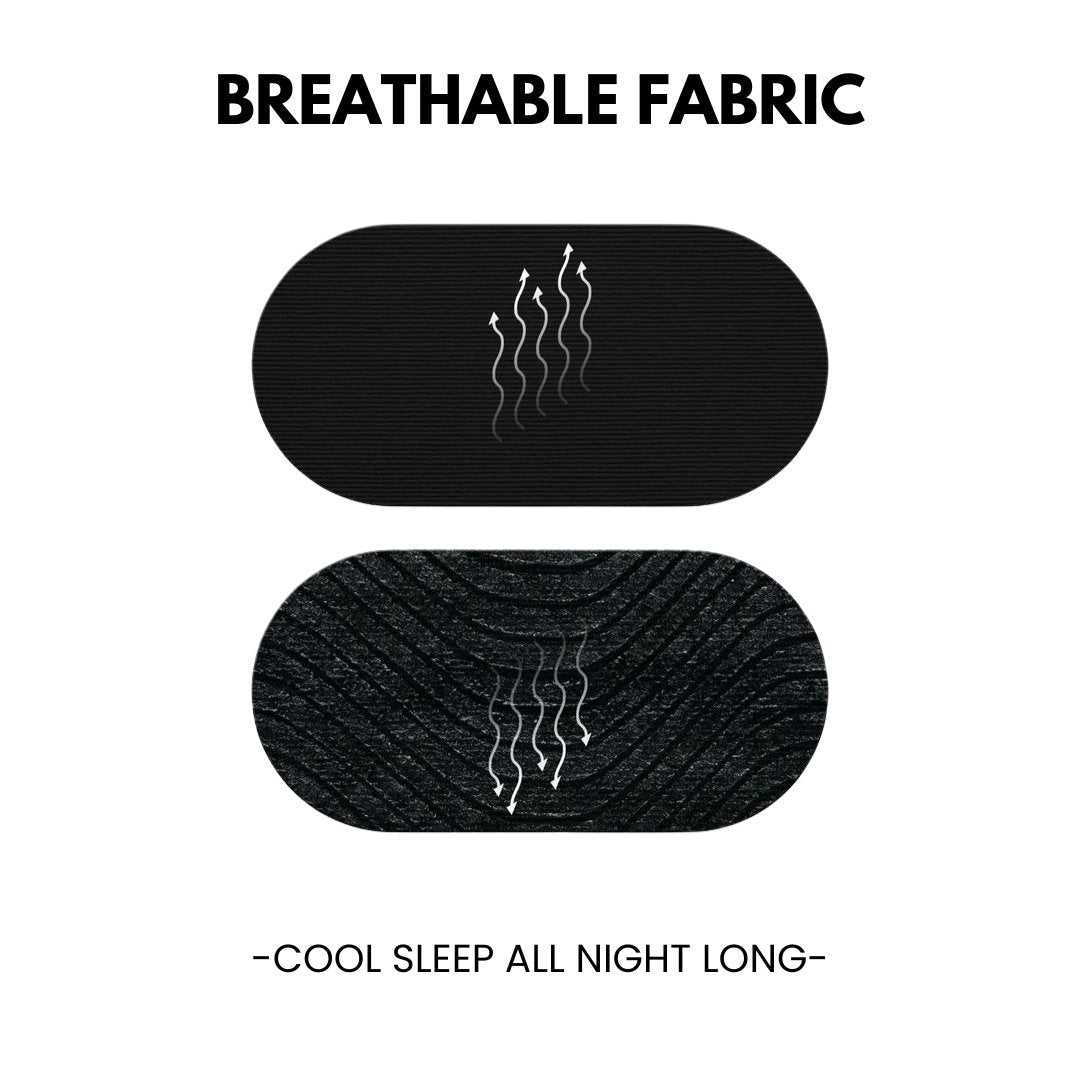
Mouth taping at night. A small piece of gentle, skin-safe tape over the lips encourages your mouth to stay closed so you default to nasal breathing while asleep. If you're new to it, how to start mouth taping walks through the process, and how mouth tape works explains the mechanism. Titan's hypoallergenic mouth tape is designed for a comfortable, easy-to-remove seal.
Nasal strips if you tend to congest. If your nose feels blocked at night, opening the nasal passages first makes nasal breathing realistic. Titan Air nasal strips lift the sides of the nose to improve airflow, and many people use them alongside tape. The Deep Sleep bundle pairs both for congestion-prone sleepers.
When Should You See a Doctor?
Mouth taping and nasal strips address habit-based mouth breathing. They do not treat underlying medical conditions, and a few signs mean you should get evaluated before trying any at-home fix. See a doctor if you snore loudly most nights, if a partner notices you gasp, choke, or stop breathing during sleep, or if you feel exhausted no matter how long you sleep. These can be signs of obstructive sleep apnea, which needs professional diagnosis. Also see an ENT if you can't comfortably breathe through your nose during the awake test, since congestion, a deviated septum, or nasal polyps may be the real cause. Fixing the airway comes first; retraining the habit comes second.
Frequently Asked Questions
Am I a mouth breather if it only happens at night?
Possibly, yes. Many adults breathe through their nose all day and switch to their mouth once they fall asleep and their jaw relaxes. If you wake with a dry mouth, sore throat, or bad breath most mornings, nighttime mouth breathing is likely, even if your daytime breathing feels normal. Recording yourself asleep will confirm it.
Is mouth breathing always a problem?
No. Everyone breathes through their mouth during a cold, hard exercise, or temporary congestion, and that's completely normal. The concern is the chronic pattern: breathing through your mouth most nights, or at rest during the day, when you aren't sick. That persistent version is what's worth addressing.
How can I tell if I mouth breathe without a sleep partner?
Record a night of video or audio on your phone, or use a sleep-tracking app, and listen for open-mouth breathing or snoring. Pair that with a week-long morning symptom log noting dry mouth, sore throat, and pillow drool. Together, those two self-tests give a reliable answer on your own.
Can mouth breathing change your face as an adult?
The dramatic facial changes linked to mouth breathing happen mainly during childhood growth years, when the face is still forming. In adults the effects are subtler, more about resting posture and the dark under-eye circles that come with chronic congestion than bone structure. Our overview covers this in detail.
Will mouth tape stop me from mouth breathing?
For habit-based mouth breathing in adults with a clear nasal airway, mouth tape is an effective way to keep the lips sealed so you default to nasal breathing overnight. It won't help, and isn't appropriate, if an untreated medical condition like sleep apnea or a blocked nose is the cause, which is why an evaluation comes first if you have warning signs.
The Bottom Line
The signs you're a mouth breather cluster together: dry mouth and sore throat on waking, morning bad breath, snoring, pillow drool, chapped lips, brain fog despite enough sleep, more cavities, dark under-eye circles, a throat you keep clearing, and a mouth that rests open. One sign alone means little, but several together point to a chronic pattern. Confirm it by recording yourself asleep, logging morning symptoms, and testing whether you can breathe comfortably through your nose while awake.
If the pattern is habit and your nose works, retraining toward nasal breathing, with daytime practice, mouth tape, and nasal strips when you're congested, is straightforward. If you snore heavily, gasp in your sleep, or feel exhausted no matter what, see a doctor first to rule out sleep apnea or a nasal obstruction. Fixing how you breathe at night is one of the simpler upgrades you can make to how you feel during the day.
Doctor Recommended: "As a maxillofacial surgeon and dentist, I recommend Titan Mouth Tape. Nasal breathing during sleep is essential for airway health and deep restorative rest. Titan's bamboo silk design is the most comfortable and effective mouth tape I have tested. If you struggle with snoring, dry mouth, or poor sleep quality, this is the simplest change you can make for your health." — Dr. Francois P., MD, DDS — Maxillofacial Surgeon
Lab-Tested Safety: Titan's adhesive is independently tested to ISO 10993 medical device standards. Non-toxic (95% cell viability). Non-allergenic (0% reaction rate). Non-irritating (score 0.0/8.0). PFAS-free — 501 compounds tested, zero detected. See full test results →
Try the complete system tonight. Titan Mouth Tape (bamboo silk, SilkSeal™ adhesive) + TitanAir Nasal Strips. Free shipping. 30-night Better Sleep Guarantee. Shop Titan Mouth Tape → · Shop TitanAir Nasal Strips →