How to Fix Mouth Breathing: A Step-by-Step Guide
Share
To fix mouth breathing, first clear your nose so it can actually do the work, then retrain nasal breathing during the day by keeping your lips together and breathing through your nose on purpose, and finally hold that habit overnight with gentle mouth tape. Daytime retraining takes a few weeks; tape helps immediately while you sleep.
Mouth breathing is the habit of drawing air in and out through an open mouth instead of the nose, both while awake and asleep. Fixing it is not a single trick. It is a sequence: remove whatever is blocking the nose, teach your waking brain to default to nasal breathing, and use a physical cue at night to carry the habit through the hours you cannot control. The steps below follow that order because each one depends on the one before it.
Why do you breathe through your mouth?
You cannot fix mouth breathing until you know why it is happening. There are three broad causes, and they call for different responses. Most people are dealing with a mix of the first two.
Habit. Many people can breathe through their nose perfectly well but simply default to their mouth, often a leftover from a childhood cold, allergies, or years of open-mouth sleep. The airway is clear; the pattern is just wired in. This is the most fixable cause and responds well to daytime retraining.
Congestion. Allergies, colds, sinus issues, and chronic inflammation swell the nasal tissues so the nose feels blocked. When the nose is the harder path, the body takes the easier one. Here the fix starts with opening the nose, not with forcing it closed.
Structural blockage. A deviated septum, nasal polyps, enlarged turbinates, or narrow nasal valves physically restrict airflow. No amount of habit training overcomes a mechanical obstruction. This is the cause that needs a doctor, and we cover it in the last step.
How do you fix mouth breathing?
Work through these five steps in order. Skipping ahead to the nighttime step before your nose is clear is the most common mistake, and it makes the whole thing uncomfortable.
- Clear your nasal breathing first. Treat the congestion that is pushing air into your mouth. A saline rinse or spray flushes irritants and thins mucus. Manage allergies with the approach your doctor or pharmacist recommends. If your nostrils tend to collapse or narrow, a mechanical nasal strip lifts the sides of the nose open. The goal is simple: you should be able to breathe comfortably through your nose with your mouth closed while sitting upright.
- Retrain nasal breathing during the day. This is where the habit actually changes. Several times an hour, consciously close your lips and breathe in and out through your nose. Adopt a resting posture of lips together, teeth slightly apart, and tongue resting gently on the roof of your mouth. During light exercise, walking, easy cycling, chores, keep your mouth closed and breathe only through your nose. It will feel like less air at first; that fades as you adapt.
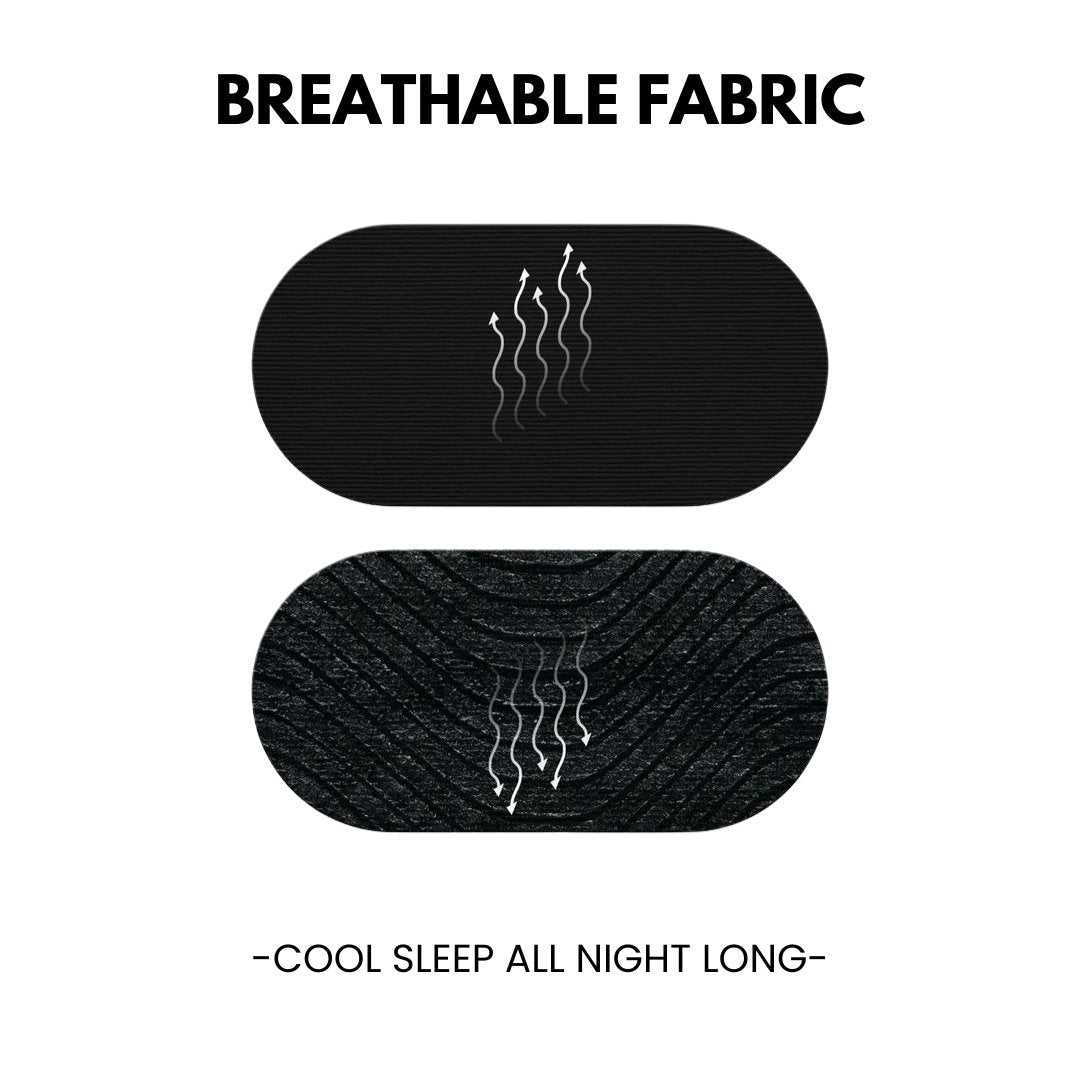
- Hold the habit at night with mouth tape. Sleep is the hardest window because willpower switches off the moment you drift away and your jaw relaxes open. A gentle strip of mouth tape over the lips keeps the mouth closed so nasal breathing stays the default all night. This is the one step that works immediately rather than over weeks. If congestion is still a factor, pairing tape with nasal strips, the idea behind the Deep Sleep Bundle, addresses both ends of the airway.
- Fix your environment. Dry, dusty, or allergen-heavy air keeps the nose inflamed and pushes you back toward your mouth. Run a humidifier if your bedroom air is dry, wash bedding regularly and reduce dust and pet dander, and elevate the head of your bed slightly to ease nighttime congestion. These changes make every other step easier to sustain.
- See a doctor or ENT if the cause is structural. If you have done the above and still cannot breathe through your nose, or if you snore heavily, gasp awake, or feel exhausted after full nights of sleep, get evaluated. A deviated septum, polyps, or enlarged turbinates may need medical treatment, and loud chronic snoring can point to sleep apnea, which tape does not fix.
How do you stop mouth breathing at night?
At night you cannot rely on awareness, so you need a physical cue. While you are awake you can decide to breathe through your nose, but as soon as you fall asleep that conscious control disappears and the mouth drifts open on its own. This is why so many people who breathe through their nose all day still mouth breathe overnight and wake up with a dry mouth and a sore throat.
Mouth tape solves this by holding the lips gently closed through the unconscious hours. It is a light cue, not an airtight seal, so you can still open your mouth if you need to. Clear the nose first, prep the skin so the tape holds, and give yourself permission to remove it if you wake up needing to. Our step-by-step guide to starting mouth taping walks through the first two weeks, and breathing through your nose while sleeping covers the nighttime side in more depth.
What does nasal breathing do that mouth breathing does not?
The nose is a full air-processing system; the mouth is just a hole. Understanding the difference is what makes the effort worth it.
It filters, warms, and humidifies air. Nasal passages trap dust and particles, warm cold air to body temperature, and add moisture before it gets to the lungs. Mouth breathing delivers raw, dry, unfiltered air straight down the throat.
It produces nitric oxide. The sinuses release nitric oxide during nasal breathing, a molecule associated with wider blood vessels and more efficient oxygen uptake. This is part of why nasal breathing can feel more restful at the same breathing rate.
It keeps the tongue and airway in a better position. Nose breathing encourages the tongue to rest against the roof of the mouth, which helps hold the airway open and reduces the vibration behind most snoring. That is why mouth breathing is closely tied to snoring and morning dry mouth. For the mechanism in detail, see how mouth tape works.
How long does it take to retrain nasal breathing?
Expect a few weeks for the daytime habit and immediate help at night. The two timelines are different, and it helps to hold them separately.
The conscious daytime habit, remembering to close your lips and breathe through your nose without thinking about it, generally takes two to four weeks of consistent practice to become automatic. Like any habit, the more reps you get during the day, the faster it sticks.
The nighttime side works immediately, because the tape does the holding for you rather than relying on a habit. Many people notice less dry mouth the very first morning, since that effect is mechanical. Improvements in snoring and sleep quality usually build over two to three weeks as nasal breathing becomes your steady overnight rhythm.
When should you see a doctor about mouth breathing?
Mouth breathing that will not respond to habit and hygiene may be structural or medical. Being honest about that line is part of fixing the problem safely.
See an ENT if you consistently cannot breathe through your nose even when you are not sick, which can signal a deviated septum, nasal polyps, or enlarged turbinates. See a doctor if you snore loudly most nights, wake up gasping or choking, or feel exhausted despite sleeping a full night, all of which can point to obstructive sleep apnea. Mouth tape and nasal strips are breathing aids, not treatments for these conditions, and they should never replace a medical evaluation when one is needed.
Frequently Asked Questions
How do I fix mouth breathing during the day?
Set frequent reminders to close your lips and breathe through your nose, and hold a resting posture of lips together with your tongue on the roof of your mouth. Breathe only through your nose during light exercise like walking. With consistent practice the habit usually becomes automatic within two to four weeks.
Can you fix mouth breathing permanently?
For habit-driven mouth breathing, yes, many people retrain themselves into being nose breathers and no longer need reminders or tape. Congestion-driven mouth breathing improves once the underlying cause is managed. Structural blockages like a deviated septum may need medical treatment before nasal breathing becomes fully comfortable.
Does mouth tape stop mouth breathing?
Yes, at night, which is the hardest window to control. Tape holds your lips closed while you sleep so air routes through your nose by default. It works only if you can breathe through your nose, so clear congestion first. It is a training cue, not a cure, and it does not treat sleep apnea.
How do I clear my nose so I can breathe through it?
Use a saline rinse or spray to flush irritants and thin mucus, manage allergies with your doctor or pharmacist's guidance, and try a nasal strip if your nostrils narrow or collapse. A humidifier and reduced allergens in the bedroom help keep the passages open overnight.
Is mouth breathing bad for you?
Chronic mouth breathing dries the mouth and throat, is linked with more snoring and worse breath, and skips the filtering, warming, and nitric oxide benefits the nose provides. It is worth correcting, but the fix should always start with making sure the nose is actually clear and usable.
Why do I only mouth breathe at night?
Because conscious control ends when you fall asleep and your jaw relaxes open, even if you breathe through your nose all day. Lying down can also worsen mild congestion. This is exactly the gap gentle mouth taping is designed to close.
The Bottom Line
Fixing mouth breathing is a sequence, not a single fix. Start by clearing the nose with saline, allergy management, and nasal strips if needed, because nothing else works until air can move freely through your nose. Then retrain the daytime habit by consciously keeping your lips together and breathing through your nose, especially during light activity. Hold that habit overnight with gentle mouth tape, the one step that helps immediately. Support all of it with a humidifier, cleaner air, and a slightly elevated head.
Give the daytime habit two to four weeks to become automatic, and expect the nighttime change to help right away. If you have done all of this and still cannot breathe through your nose, or if you snore heavily and wake up unrested, see a doctor, because some causes are structural or medical and need real treatment. Used honestly and in the right order, these steps are the simplest path to becoming a nose breather.
Doctor Recommended: "As a maxillofacial surgeon and dentist, I recommend Titan Mouth Tape. Nasal breathing during sleep is essential for airway health and deep restorative rest. Titan's bamboo silk design is the most comfortable and effective mouth tape I have tested. If you struggle with snoring, dry mouth, or poor sleep quality, this is the simplest change you can make for your health." — Dr. Francois P., MD, DDS — Maxillofacial Surgeon
Lab-Tested Safety: Titan's adhesive is independently tested to ISO 10993 medical device standards. Non-toxic (95% cell viability). Non-allergenic (0% reaction rate). Non-irritating (score 0.0/8.0). PFAS-free — 501 compounds tested, zero detected. See full test results →
Try the complete system tonight. Titan Mouth Tape (bamboo silk, SilkSeal™ adhesive) + TitanAir Nasal Strips. Free shipping. 30-night Better Sleep Guarantee. Shop Titan Mouth Tape → · Shop TitanAir Nasal Strips →