Nasal Polyps and Sleep: Why They Block Your Breathing

Share
Nasal polyps are soft, non-cancerous growths in the lining of your nose and sinuses, and when they're large enough they physically block airflow — which is why they're so disruptive to sleep. A blocked nose forces you to breathe through your mouth all night, and mouth breathing dries your throat, worsens snoring, and fragments your sleep. If you've been waking up exhausted with a chronically stuffy nose that no amount of blowing clears, polyps are one possible reason, and they're worth getting checked.
This is a medical issue, not a sleep-hygiene problem, so the honest starting point is: polyps need a doctor. But understanding how they affect your breathing — and what genuinely helps the sleep side — makes it easier to get the right care and rest better in the meantime.
What nasal polyps actually are
They're not the same as temporary congestion. A cold or allergy swells the nasal lining for a few days or weeks. Polyps are persistent growths, usually driven by long-term inflammation — often linked to chronic sinusitis, asthma, allergies, or aspirin sensitivity. Small polyps may cause nothing; larger ones obstruct the nasal passages, reduce your sense of smell and taste, and create a constant blocked-up feeling that doesn't resolve.
The key difference for sleep: because polyps are a physical obstruction rather than passing swelling, the nighttime mouth breathing they cause is chronic. It doesn't clear up overnight the way a cold does.
Why polyps wreck your sleep
Blocked nose, open mouth. When your nasal passages are obstructed, your body does the only thing it can — it opens your mouth to breathe. That sets off the familiar chain: a dry, sticky mouth and sore throat in the morning, louder snoring, and lighter, more broken sleep. If you consistently wake up with a dry mouth, that's your body telling you it's been mouth breathing all night.
More snoring, and possibly worse. Nasal obstruction increases snoring and can contribute to or worsen obstructive sleep apnea, where breathing repeatedly pauses during sleep. That's a serious condition — one of the main reasons polyps shouldn't be ignored if they're affecting your nights. We cover the connection between a blocked nose and apnea in do nasal strips help sleep apnea.
What helps — and what to be honest about
See an ENT first. Because polyps are a medical condition, treatment usually starts with a doctor: steroid nasal sprays to shrink them, sometimes oral steroids, treatment of the underlying inflammation, and in persistent cases, a minor surgical procedure to remove them. Nothing you buy over the counter replaces that evaluation, especially if your smell is affected or symptoms are worsening.
Nasal strips may help with mild obstruction — within limits. An external nasal strip like TitanAir works by lifting the outer walls of the nose to widen the nasal valve. That can ease airflow when the narrowing is near the nostrils, but here's the honest caveat: polyps often sit deeper in the nasal cavity and sinuses, so a strip won't clear a blockage that's further back. It's a reasonable comfort measure for mild cases or alongside medical treatment — not a fix for the polyps themselves. If you want to understand the mechanism, how nasal strips work explains it.
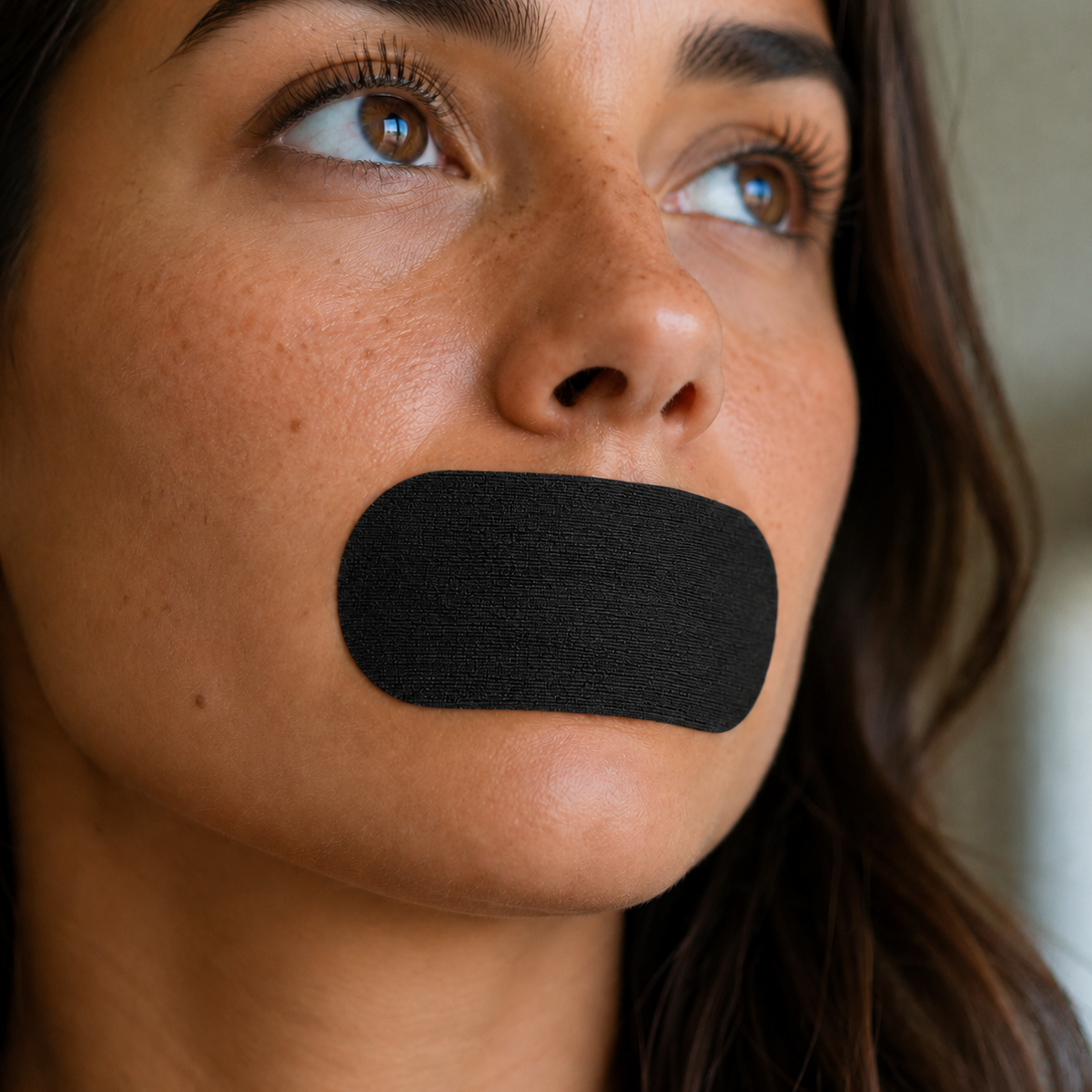
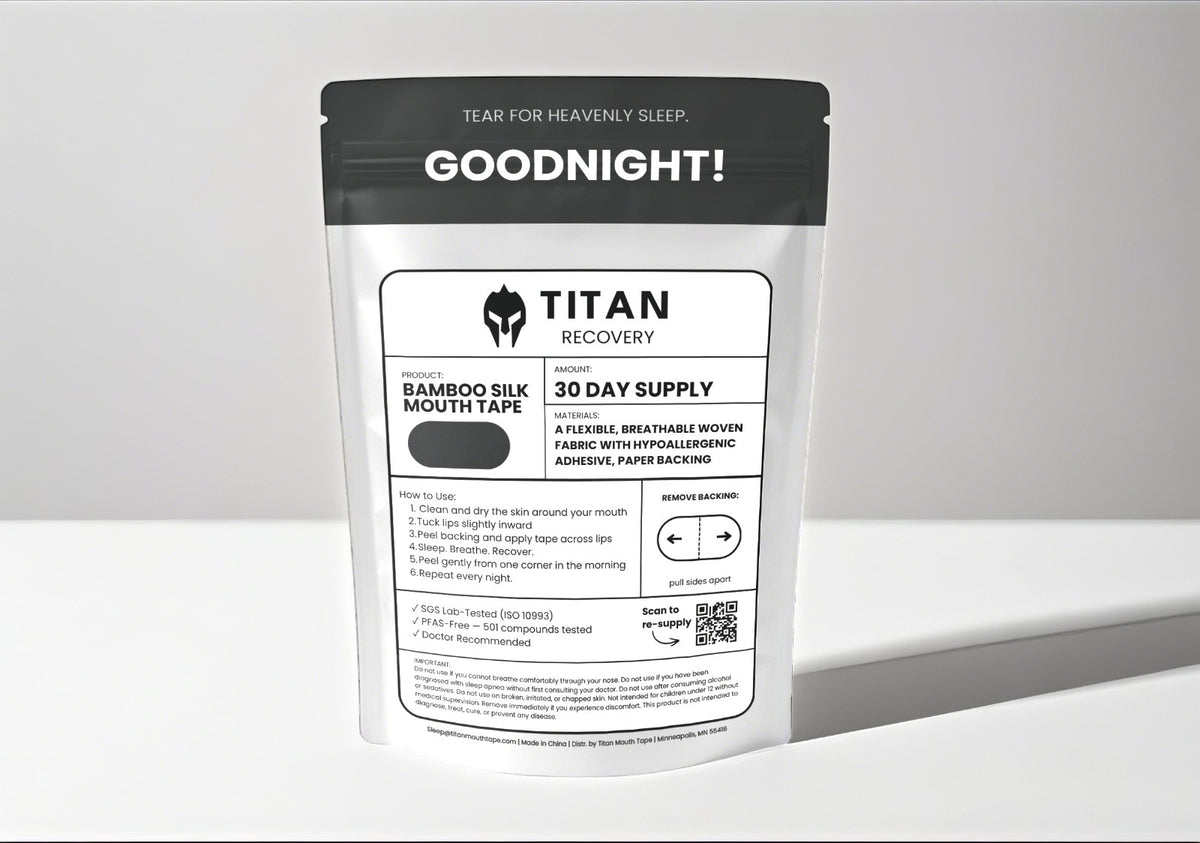
Don't tape your mouth while your nose is blocked. We're big believers in nasal breathing and mouth tape for the right person — but if polyps are obstructing your nose, you can't breathe through it, and taping your mouth shut would be the wrong move. Get the obstruction treated first. Once your nasal airway is clear, nasal breathing support becomes genuinely useful again.
Sleeping better while you get treated
Elevate your head. Sleeping more upright reduces congestion and post-nasal drip. Humidify the air. Moist air soothes the irritated lining and keeps your throat from drying out when you can't avoid some mouth breathing. Rinse. Saline rinses can reduce inflammation and clear mucus around the polyps. Mind your sleep position. Side-sleeping on the less-blocked side can help; our guide to the best sleeping position for nasal breathing covers the trade-offs. None of these treat the polyps — they just make the nights more bearable.
When to see a doctor
See a clinician if you have persistent nasal blockage lasting more than a couple of weeks, a reduced or lost sense of smell, ongoing facial pressure or pain, or if a partner notices you gasping, choking, or stopping breathing at night. Polyps are treatable, and getting them addressed often resolves the breathing problem at its source — which is the real fix for the sleep disruption.
Frequently Asked Questions
Can nasal polyps cause sleep problems?
Yes. Larger polyps block the nasal passages, forcing mouth breathing at night, which dries the throat, worsens snoring, and fragments sleep. They can also contribute to sleep apnea, so persistent symptoms deserve a doctor's evaluation.
Do nasal strips help with nasal polyps?
Only for mild cases or near-nostril narrowing. Nasal strips widen the outer nose, but polyps often sit deeper in the nasal cavity where a strip can't reach. They may help comfort alongside medical treatment, but they don't treat the polyps.
Can I use mouth tape if I have nasal polyps?
Not while your nose is blocked. Mouth tape only works when you can breathe comfortably through your nose. If polyps are obstructing your airway, get them treated first — taping a mouth shut with a blocked nose is unsafe.
How do I know if it's polyps or just congestion?
Congestion from a cold or allergy clears within days to weeks. A blockage that persists for weeks or months, doesn't respond to blowing your nose, and dulls your sense of smell is more likely polyps and should be checked by an ENT.
The Bottom Line
Nasal polyps disrupt sleep by physically blocking your nose and forcing you into mouth breathing all night. The real fix is medical — see an ENT, because treating the polyps treats the breathing problem at its source. In the meantime, humidify the air, elevate your head, and rinse to make nights easier. Once your nasal airway is clear, nasal breathing support like an nasal strip or gentle mouth tape can help you hold onto quality sleep — but clearing the obstruction comes first.
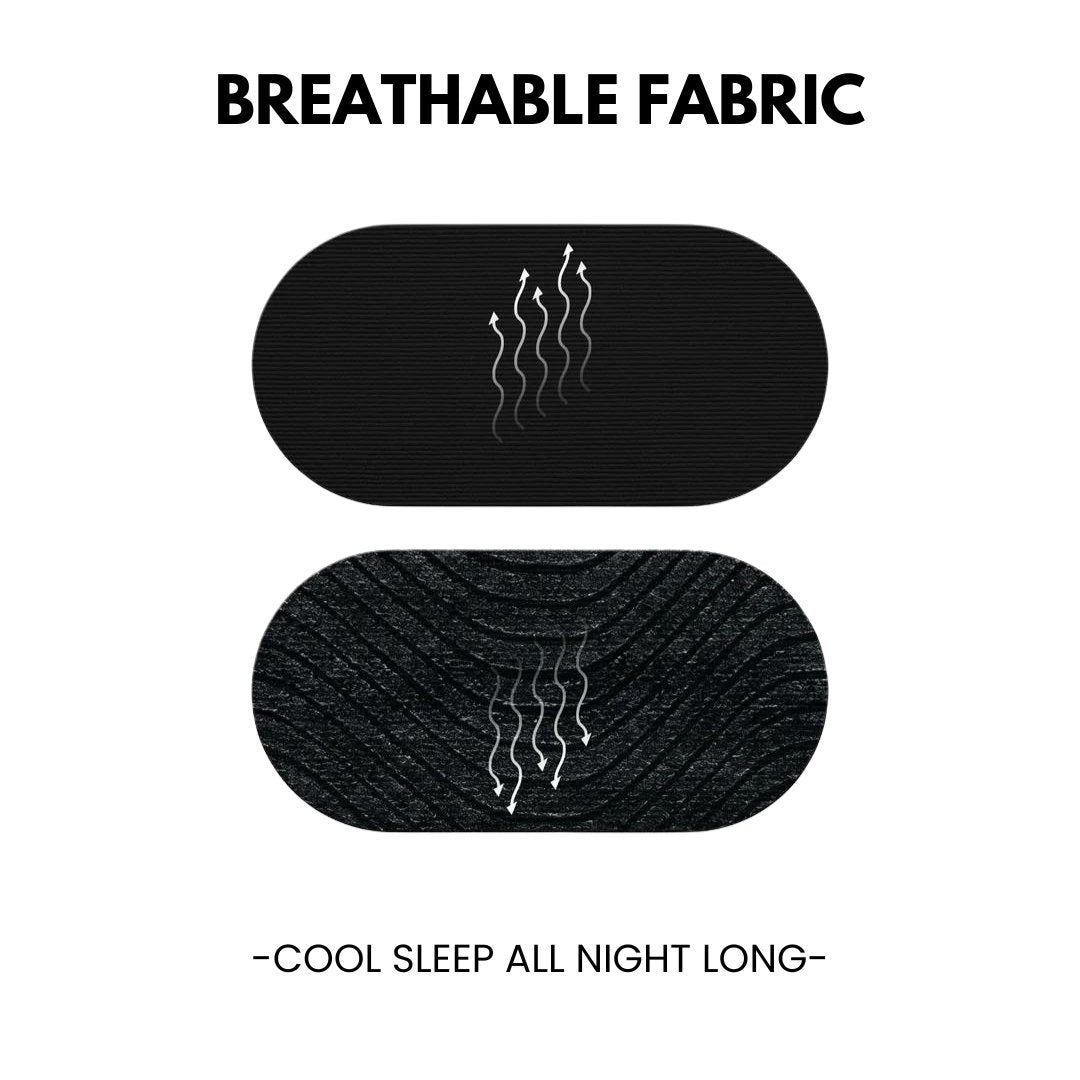
Doctor Recommended: "As a maxillofacial surgeon and dentist, I recommend Titan Mouth Tape. Nasal breathing during sleep is essential for airway health and deep restorative rest. Titan's bamboo silk design is the most comfortable and effective mouth tape I have tested. If you struggle with snoring, dry mouth, or poor sleep quality, this is the simplest change you can make for your health." — Dr. Francois Proux, MD, DDS — Maxillofacial Surgeon
Lab-Tested Safety: Titan's adhesive is independently tested to ISO 10993 medical device standards. Non-toxic (95% cell viability). Non-allergenic (0% reaction rate). Non-irritating (score 0.0/8.0). PFAS-free — 501 compounds tested, zero detected. See full test results →
Try the complete system tonight. Titan Mouth Tape (bamboo silk, SilkSeal™ adhesive) + TitanAir Nasal Strips. Free shipping. 30-night Better Sleep Guarantee. Shop Titan Mouth Tape → · Shop TitanAir Nasal Strips →