Mouth Taping During Allergy Season: Does It Still Work?
Share
If you're asking about mouth taping during allergy season, the answer depends on one thing: whether you can breathe through your nose that night. On clear nights, taping still works and is worth keeping up. On badly congested nights, skip it and focus on opening the airway first. Allergy season isn't all-or-nothing — it's night by night.
Here's how to keep nasal breathing possible through allergy flares and sleep better while you do.
Why Allergies Sabotage Nighttime Breathing
Seasonal allergies — pollen in spring and fall, and indoor triggers year-round — cause the nasal lining to swell and produce excess mucus. That congestion narrows the airway and pushes you toward mouth breathing, especially at night when you're lying flat and allergens from the day catch up with you.
The result is the familiar cascade: a blocked nose, open-mouth sleep, dry mouth and throat, and lighter, more broken sleep. Allergy season is often when people first notice they've become mouth breathers. Our explainer on how mouth tape works covers why restoring nasal breathing matters, and nasal breathing and oxygen explains what you lose when the nose is bypassed.
Can You Still Tape When Allergies Flare?
The rule stays the same all year: mouth taping only works with a clear nasal airway. On a night when your allergies are calm and you can breathe through your nose, taping is fine and helps reinforce the nasal breathing you want. On a night when you're genuinely stuffed up, don't tape over a blocked nose — it's uncomfortable and defeats the purpose. Our guide to when to skip mouth tape applies directly here.
The productive approach during allergy season is to treat the congestion first, so that more of your nights fall into the "clear enough to tape" category.
How to Keep the Airway Open Through Allergy Season
Reduce allergen exposure before bed. Shower to rinse pollen off your hair and skin, change pillowcases often, and keep windows closed during high-pollen periods. Don't let pets that have been outside sleep in the bed during peak season.
Saline rinse at night. Rinsing flushes pollen and mucus out of the nasal passages before sleep — one of the most effective drug-free steps.
Manage allergies with your doctor or pharmacist. Antihistamines and nasal steroid sprays can substantially reduce the congestion driving your mouth breathing. This is worth doing properly during your worst weeks.
Run an air purifier and humidifier. A HEPA purifier lowers indoor allergen load; humidified air eases both congestion and the dry mouth from any mouth breathing that slips through.
Open the nose mechanically. Once medication and rinsing have taken the edge off, nasal strips can widen the nostrils to make nose breathing easier — a great pairing during allergy season because they help on the marginal nights. Here's how nasal strips work.
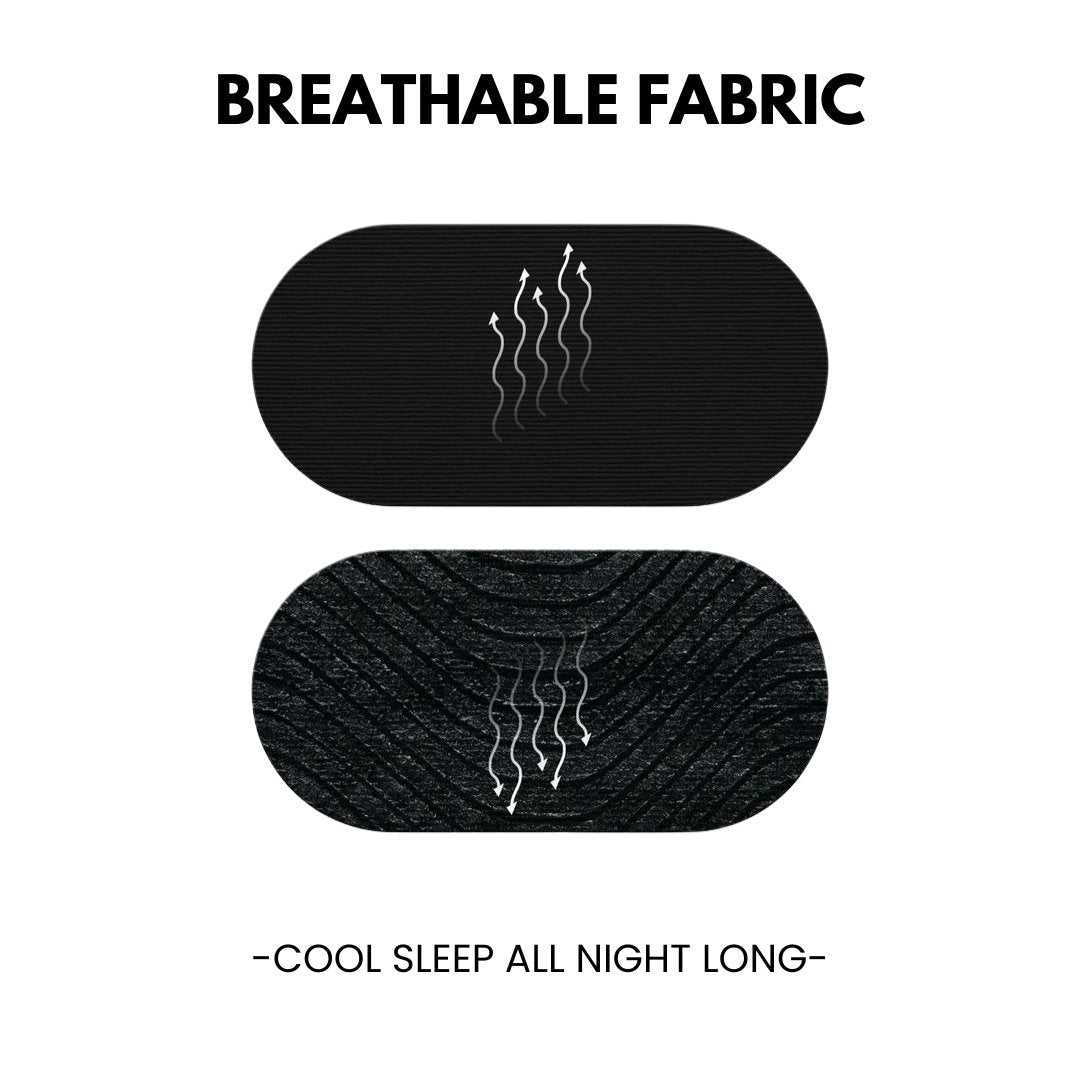
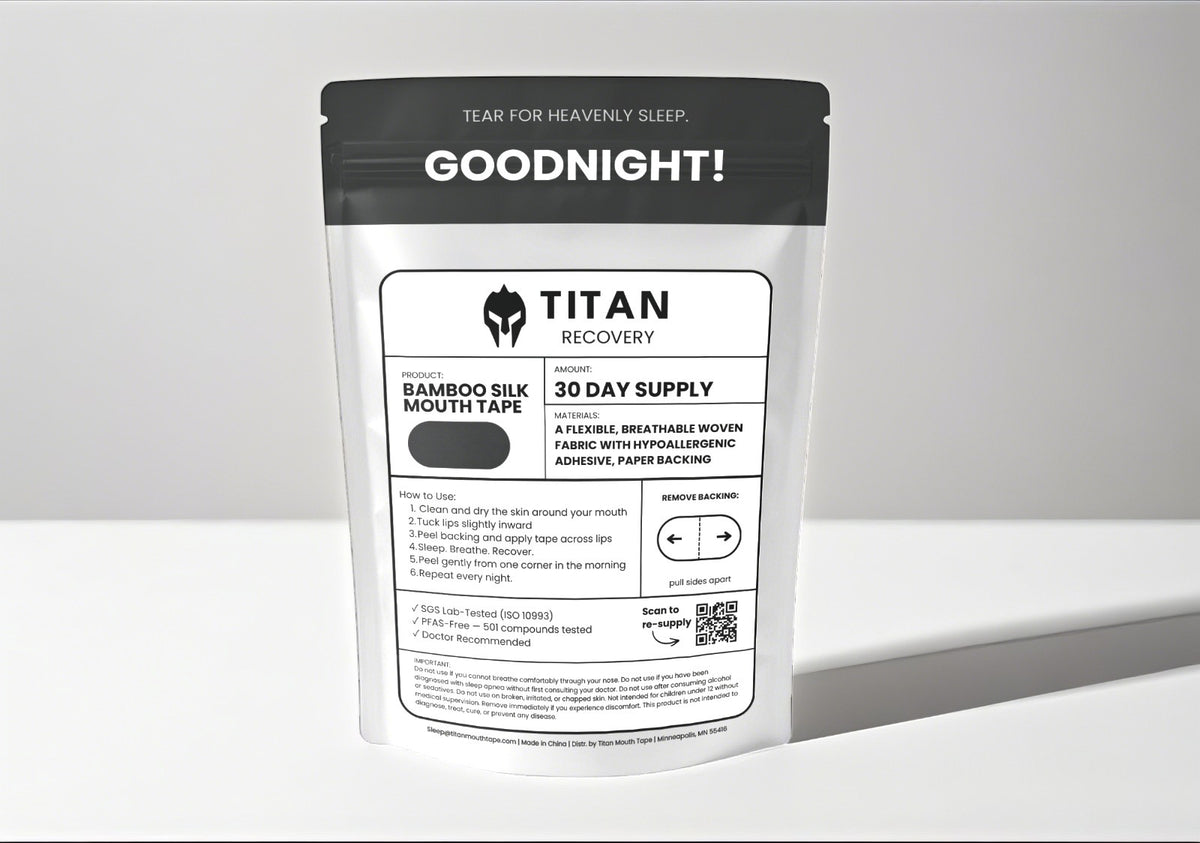
Then tape on the clear nights. When your nose is open, gentle mouth taping keeps you breathing through it. A comfortable, skin-friendly bamboo silk mouth tape and our beginner's guide make it easy to be consistent when conditions allow.
Should I mouth tape if my allergies are acting up?
Not on a night when you're congested — taping over a blocked nose is uncomfortable. Treat the congestion first, and tape on the nights your nose is clear.
Do nasal strips help with allergy congestion?
Nasal strips mechanically widen the nostrils, which can make nose breathing easier when swelling has narrowed the airway. They don't treat the allergy itself, so pair them with rinsing and any medication your doctor recommends.
Why are my allergies worse at night?
Lying flat increases nasal congestion, pollen collected on your hair and bedding transfers as you sleep, and indoor allergens like dust mites are concentrated in the bedroom. Evening routines that reduce exposure help.
The Bottom Line
Mouth taping still works during allergy season — on the nights you can breathe through your nose. The strategy is to shrink congestion so more nights qualify: reduce allergen exposure, rinse with saline, treat allergies with your doctor, and use nasal strips to open the airway. Then tape on the clear nights to lock in nasal breathing. Judge it night by night rather than giving up for the whole season.
Doctor Recommended: "As a maxillofacial surgeon and dentist, I recommend Titan Mouth Tape. Nasal breathing during sleep is essential for airway health and deep restorative rest. Titan's bamboo silk design is the most comfortable and effective mouth tape I have tested. If you struggle with snoring, dry mouth, or poor sleep quality, this is the simplest change you can make for your health." — Dr. Francois P., MD, DDS — Maxillofacial Surgeon
Lab-Tested Safety: Titan's adhesive is independently tested to ISO 10993 medical device standards. Non-toxic (95% cell viability). Non-allergenic (0% reaction rate). Non-irritating (score 0.0/8.0). PFAS-free — 501 compounds tested, zero detected. See full test results →
Try the complete system tonight. Titan Mouth Tape (bamboo silk, SilkSeal™ adhesive) + TitanAir Nasal Strips. Free shipping. 30-night Better Sleep Guarantee. Shop Titan Mouth Tape → · Shop TitanAir Nasal Strips →