Mouth Taping at Different Altitudes: Enhancing Sleep and Breathing
Share
The Impact of High Altitude on Breathing
At higher altitudes, the air becomes thinner, meaning there is less oxygen available in every breath. This often leads to rapid or shallow breathing, which can disrupt your sleep cycle. Many people breathe through their mouths when they sleep, especially at high altitudes, leading to dry mouth, snoring, and even waking up throughout the night due to inadequate oxygen intake.
Mouth taping is a simple technique that encourages nasal breathing by gently closing the mouth during sleep. Nasal breathing has multiple benefits, particularly at high altitudes, where maintaining consistent oxygen intake is crucial.
Benefits of Mouth Taping at Higher Elevations
1. Improved Oxygenation:
Nasal breathing helps to slow down and regulate your breathing patterns, allowing for more efficient oxygen absorption. When you breathe through your nose, the body produces nitric oxide, which helps improve oxygen transport in your blood. At high altitudes, this process becomes even more essential as it can help mitigate some of the effects of reduced oxygen availability.
2. Prevention of Dry Mouth:
Mouth breathing can lead to dry mouth, which is uncomfortable and can cause issues like bad breath and sore throat. By taping your mouth, you promote nasal breathing and prevent the discomfort of waking up parched.
3. Better Sleep Quality:
High altitudes are notorious for disrupting sleep. Mouth taping can help stabilize your breathing and support a more restful night. When your body is less focused on compensating for oxygen, you can sleep more deeply, reducing the risk of waking up throughout the night.
4. Decreased Risk of Snoring:
Mouth breathing is one of the primary causes of snoring, particularly at higher elevations where breathing can become irregular. By sealing your lips with mouth tape, you may significantly reduce snoring, leading to a better night’s sleep not just for you but also for those around you.
5. Altitude Acclimatization:
If you’re spending an extended period at high altitudes, your body needs time to acclimatize. Nasal breathing, supported by mouth taping, can help your body adjust more quickly by improving oxygen efficiency and reducing the strain on your respiratory system.
Mouth Taping for Acclimatization and Altitude Sickness
While mouth taping can improve breathing and sleep quality at high altitudes, Keep in mind that it’s not a cure for altitude sickness. Altitude sickness occurs when your body struggles to adapt to lower oxygen levels, and while mouth taping may aid in better oxygen absorption, it cannot completely prevent this condition. However, it may reduce some symptoms by supporting more effective breathing during sleep.
If you’re traveling to or living at high altitudes, consider incorporating mouth taping into your nightly routine to experience its benefits firsthand. From better sleep to improved respiratory function, mouth taping could be the key to staying comfortable and well-rested, no matter the elevation.
How to Use Mouth Tape at High Altitudes
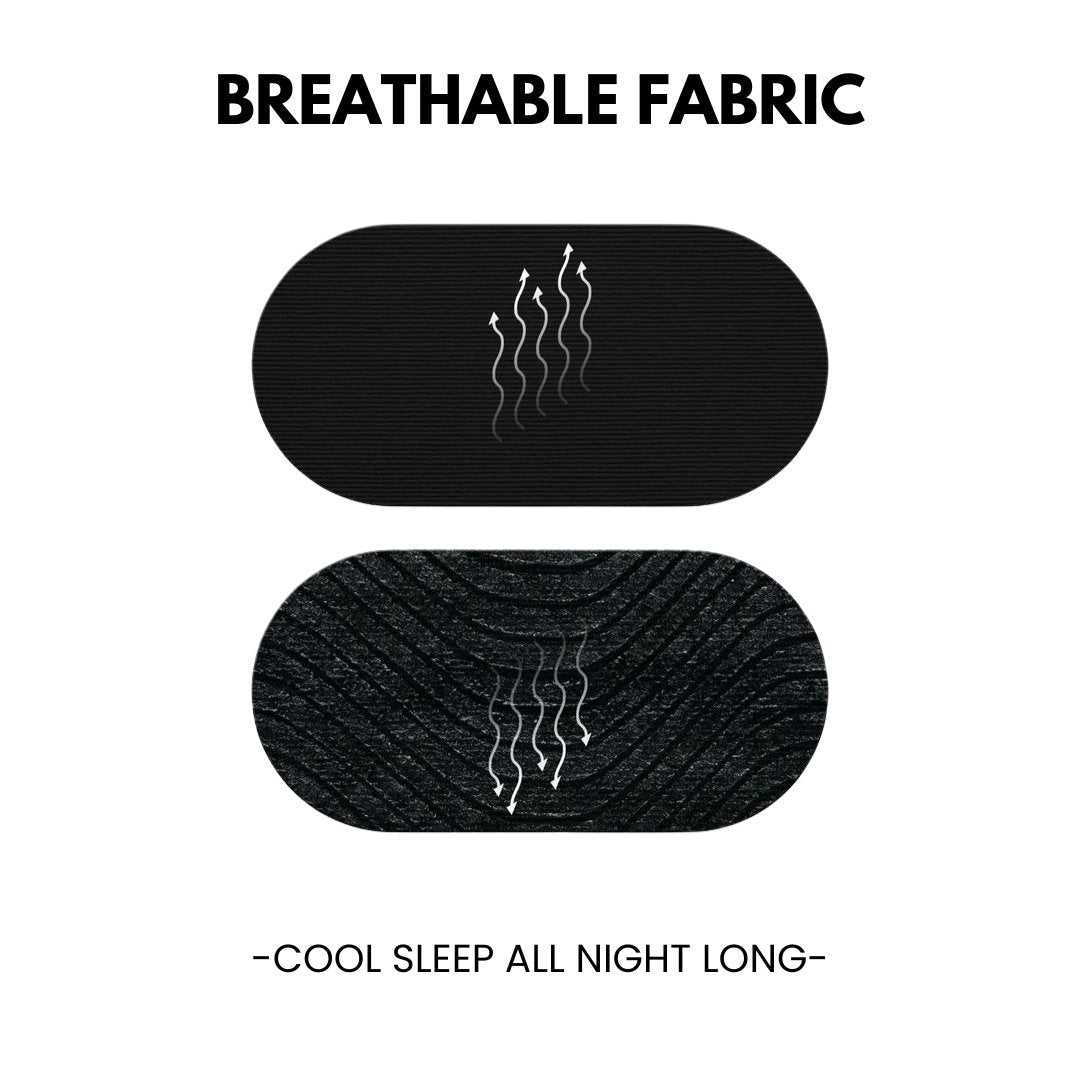
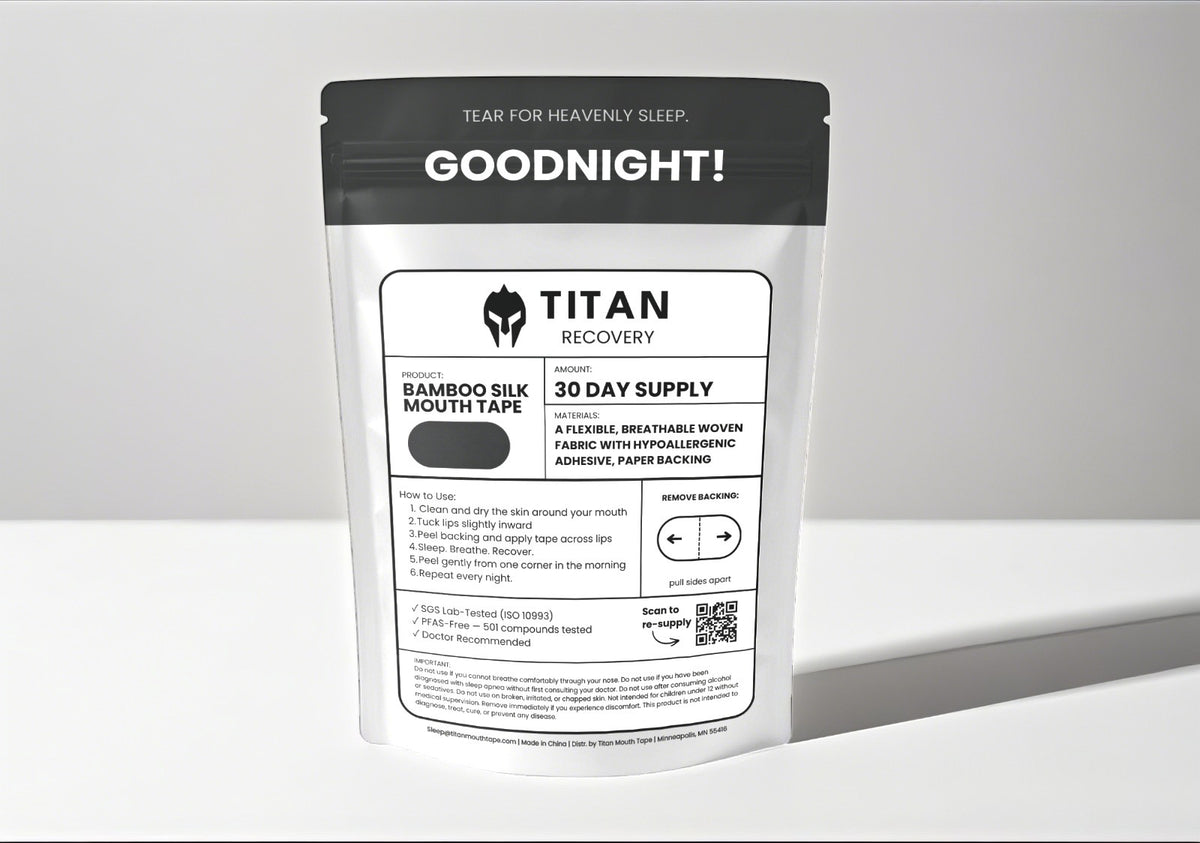
Using mouth tape is simple. You can find pre-cut strips designed specifically for sleep, like those from Titan Recovery, or use medical-grade tape. Simply apply the tape over your lips before bed, making sure it’s secure but not uncomfortable. Ensure that your nasal passages are clear to allow for uninterrupted breathing throughout the night.
If you're venturing to higher altitudes or just curious about the benefits, give mouth taping a try. It's a small adjustment that can make a big difference in how you breathe and sleep, no matter where your adventures take you.
Doctor Recommended: “As a maxillofacial surgeon and dentist, I recommend Titan Mouth Tape. Nasal breathing during sleep is essential for airway health and deep restorative rest. Titan’s bamboo silk design is the most comfortable and effective mouth tape I have tested. If you struggle with snoring, dry mouth, or poor sleep quality, this is the simplest change you can make for your health.” — Dr. Francois P., MD, DDS — Maxillofacial Surgeon
Lab-Tested Safety: Titan’s SilkSeal™ adhesive is independently tested to ISO 10993 medical device standards. Non-toxic (95% cell viability). Non-allergenic (0% reaction rate). Non-irritating (score 0.0/8.0). PFAS-free — 501 compounds tested, zero detected. See full test results →
Try it tonight. Bamboo silk. SilkSeal™ adhesive. Beard-friendly. No logo on the tape. Free shipping. 30-night Better Sleep Guarantee. Shop Titan Mouth Tape → · Shop TitanAir →