Mouth Tape with Braces, Retainer, or Night Guard
Share
Yes, you can use mouth tape with braces, a retainer, a night guard, or dentures. Mouth tape goes on the outside of your lips -- it doesn't interfere with anything inside your mouth. Each appliance works at a different layer, and mouth tape is compatible with all of them.
This question comes up constantly, and it makes sense. If you already have something going on in your mouth at night, adding tape to the outside feels like one too many things. But the reality is simpler than it sounds: the tape seals your lips, the appliance does its job behind your lips, and they don't conflict. Let's go through each one.
Mouth Tape with Braces
Braces are on your teeth. Mouth tape is on your lips. They occupy entirely different real estate, and using them together is not only safe -- it may actually help with a common braces complaint.
Dry mouth is one of the most frequent side effects of braces. Brackets and wires make it harder to fully close your lips, especially in the early months when your mouth is still adjusting to the hardware. That gap allows air to flow in and out through your mouth during sleep, drying out the oral environment. Dry mouth with braces leads to increased bracket irritation, more canker sores, and a higher risk of decalcification (those white spots that sometimes appear around brackets after they come off).
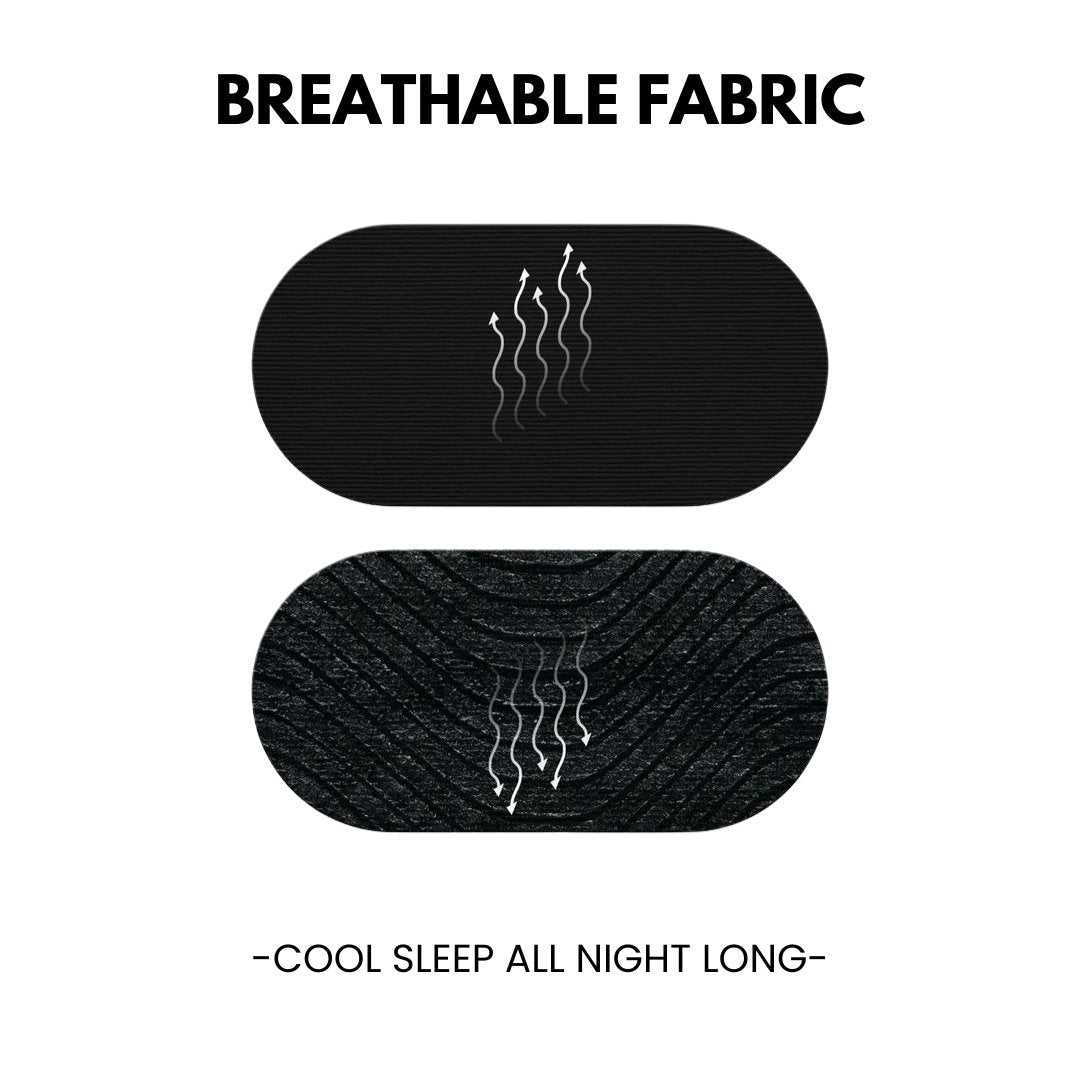
Mouth tape gently holds your lips closed over the braces, encouraging nasal breathing during sleep. This keeps your mouth moist, reduces bracket friction against dry tissue, and may support better oral health throughout your orthodontic treatment.
Practical tips for braces wearers:
- Apply the tape to your lips, not to any bracket hardware. The tape sits on the outer lip surface only.
- If you have protruding brackets that push your lips outward, make sure the tape isn't pulling your lips uncomfortably tight against the brackets. A gentle hold is the goal -- not compression.
- Use a lip balm or wax on any bracket areas that tend to catch on your inner lips. This prevents the tape from indirectly pressing a sharp bracket edge into soft tissue.
- If your orthodontist has you wearing rubber bands at night, mouth tape won't interfere -- the bands are inside, the tape is outside.
Mouth Tape with a Retainer
Retainers and mouth tape are a natural pairing. Both are worn overnight, both serve a specific purpose, and they work at completely different layers.
Your retainer holds your teeth in position after orthodontic treatment. Mouth tape holds your lips closed to promote nasal breathing. One is inside your mouth, one is outside. They don't interact at all.
In fact, retainer wearers may benefit from mouth tape more than the average person. Removable retainers -- especially clear aligners worn as retainers -- can contribute to a slight mouth-open tendency during sleep because the plastic adds bulk inside your mouth. That extra thickness can push your lips apart just enough to trigger mouth breathing. Mouth tape counteracts that tendency by keeping the lips sealed.
Practical tips for retainer wearers:
- Put your retainer in first, then apply the mouth tape. This order makes it easier to position both correctly.
- If you wear a Hawley retainer (the kind with a metal wire across the front teeth), the wire sits behind your lips and the tape goes over your lips. No conflict.
- For clear retainers (Essix-type or Vivera), you may notice the tape holds your lips more comfortably against the smooth plastic surface than without tape. Some users report less morning drool with this combination.
- If your retainer has a tendency to pop out during sleep, mouth tape may actually help keep it in place by gently holding your jaw closed.
Mouth Tape with a Night Guard
Night guards (occlusal splints) are prescribed for bruxism -- grinding or clenching your teeth during sleep. Like retainers, they sit inside your mouth on your teeth. Mouth tape sits outside on your lips. Fully compatible.
There's a compelling reason to combine them. Research suggests a connection between mouth breathing during sleep and increased bruxism. The theory is that when your airway is partially compromised by mouth breathing, your jaw muscles work harder to maintain airflow, which can manifest as grinding or clenching. By promoting nasal breathing, mouth tape may support the same goal your night guard is addressing -- from the airway side rather than the dental side.
This doesn't mean mouth tape replaces a night guard. If your dentist prescribed one, keep wearing it. But adding mouth tape may complement the night guard's protection by addressing the airway component that the guard alone doesn't touch.
Practical tips for night guard wearers:
- Insert your night guard first, let your jaw settle into a comfortable position, then apply the tape.
- If your night guard is a full-coverage upper splint, it may slightly push your upper lip forward. Make sure the tape still seals comfortably without pulling.
- A lower night guard typically has no effect on tape placement at all.
- If you drool with your night guard (common, because the guard can prop the jaw open slightly), mouth tape may reduce or eliminate that issue by keeping your lips sealed.
Mouth Tape with Dentures
Dentures are the most conditional case, because the answer depends on whether you remove your dentures at night or leave them in.
If you remove dentures at night (the more common recommendation): Mouth tape is completely compatible. Without dentures, your mouth structure changes -- the jaw can shift, the lips may not seal as naturally, and mouth breathing becomes more likely. Mouth tape helps maintain a lip seal that the absence of dentures can compromise. Some denture wearers report that mouth tape is actually more helpful for them than for people with natural teeth, because the altered mouth structure makes involuntary mouth opening more common during sleep.
If you wear dentures overnight: Mouth tape can still work, but pay attention to comfort and breathing. Full dentures change the internal volume of your mouth and can affect how your tongue sits. Before using mouth tape with dentures in, confirm that you can breathe comfortably through your nose with your mouth closed and dentures in place. Try a practice session during the day -- sit with your dentures in, tape on, and breathe normally through your nose for 15-20 minutes. If it feels natural, you're good for overnight use.
Practical tips for denture wearers:
- If you use denture adhesive during the day, clean any residue from around your lips before applying mouth tape at night. Adhesive residue can interfere with the tape's seal.
- For partial denture wearers, the same rules apply as for full dentures -- the tape is on your lips, the partial is on your teeth.
- If removing dentures at night makes your cheeks or lips collapse inward, a vertical strip of tape rather than a full horizontal seal may be more comfortable. This keeps some airway flexibility while still encouraging nasal breathing.
General Tips for Any Dental Appliance
Regardless of which appliance you wear, the same fundamentals apply: always apply tape to clean, dry lips for reliable adhesion (proper technique matters), confirm you can breathe through your nose before taping (add nasal strips if congested), and choose a hypoallergenic, medical-grade adhesive so you're not layering skin irritation on top of dental hardware discomfort. And let your dentist or orthodontist know you've added mouth taping -- most are familiar with the practice and can confirm it makes sense for your situation.
The Bottom Line
Mouth tape works alongside braces, retainers, night guards, and dentures because it occupies a completely different layer -- outside your lips, while every dental appliance sits inside your mouth. In several cases, mouth tape may actually complement what your appliance is doing by reducing dry mouth, supporting nasal breathing, and keeping the oral environment more stable overnight.
The application is the same regardless of what's inside your mouth: clean lips, dry skin, gentle seal. Titan Mouth Tape uses a medical-grade hypoallergenic adhesive that holds gently but reliably -- exactly what you want when you're already managing dental hardware. Start with a few nights to find your comfort zone, and let your dental provider know you've added mouth taping to your routine.
Doctor Recommended: "As a maxillofacial surgeon and dentist, I recommend Titan Mouth Tape. Nasal breathing during sleep is essential for airway health and deep restorative rest. Titan's bamboo silk design is the most comfortable and effective mouth tape I have tested. If you struggle with snoring, dry mouth, or poor sleep quality, this is the simplest change you can make for your health." — Dr. Francois P., MD, DDS — Maxillofacial Surgeon
Lab-Tested Safety: Titan's adhesive is independently tested to ISO 10993 medical device standards. Non-toxic (95% cell viability). Non-allergenic (0% reaction rate). Non-irritating (score 0.0/8.0). PFAS-free — 501 compounds tested, zero detected. See full test results →
Try the complete system tonight. Titan Mouth Tape (bamboo silk, SilkSeal™ adhesive) + TitanAir Nasal Strips. Free shipping. 30-night Better Sleep Guarantee. Shop Titan Mouth Tape → · Shop TitanAir Nasal Strips →
This article is for informational purposes only and does not constitute medical advice. If you have or suspect a sleep disorder or other medical condition, consult a qualified healthcare provider before making changes to your routine.