How Much Sleep Do Athletes Need for Recovery?

Share
How much sleep do athletes need? More than most people think — and usually more than the general population. If you train hard, your body has a bigger repair bill to pay each night, and sleep is how it pays it. Shorting that bill shows up fast: in your output, your focus, and your injury risk.
Here's the number athletes should aim for, why they need more than the average adult, and how to make the hours you do get actually count.
The Number: 7-9 Hours, Often More
Most adults need 7-9 hours of sleep, and athletes sit at the top of that range or above. Many sports scientists recommend that hard-training athletes aim for 9-10 hours when in heavy blocks. The extra isn't indulgence — it's covering the additional tissue repair, nervous-system recovery, and hormonal work that intense training demands.
The simplest test: if you're waking groggy, dragging through sessions, or getting sick often, you're probably under-slept regardless of what the clock says you "should" need.
Why Athletes Need More Than Most People
Training raises the recovery demand on every system at once. Muscle fibers need repair, glycogen stores need refilling, the central nervous system needs to reset, and hormones like growth hormone and testosterone — both heavily tied to sleep — need their overnight window to do their work. See how deep sleep rebuilds muscle for the mechanism.
Sleep is also when the brain consolidates motor learning — the skill reps you drilled in practice get "wired in" overnight. So for athletes, sleep isn't only physical recovery; it's part of getting better at the sport itself.
What Sleep Debt Costs You
The research on under-slept athletes is consistent and unforgiving. Partial sleep restriction has been linked to slower sprint times, reduced time to exhaustion, lower peak strength, worse shooting and serving accuracy, and impaired split-second decisions. One widely cited study of collegiate athletes found that extending sleep improved sprint speed and reaction time.
The injury risk is the part most athletes underrate. Studies of young athletes have found that those sleeping less than about eight hours a night were markedly more likely to get injured. Fatigue erodes coordination and reaction time — exactly what protects you from a bad landing or a missed step.
Quality Matters as Much as Quantity
Nine hours of broken sleep won't recover you like eight solid ones. What you're really after is uninterrupted time in the deeper stages. That's where fragmentation quietly hurts athletes: if you're waking repeatedly or sleeping shallowly, you can hit your hour target and still under-recover.
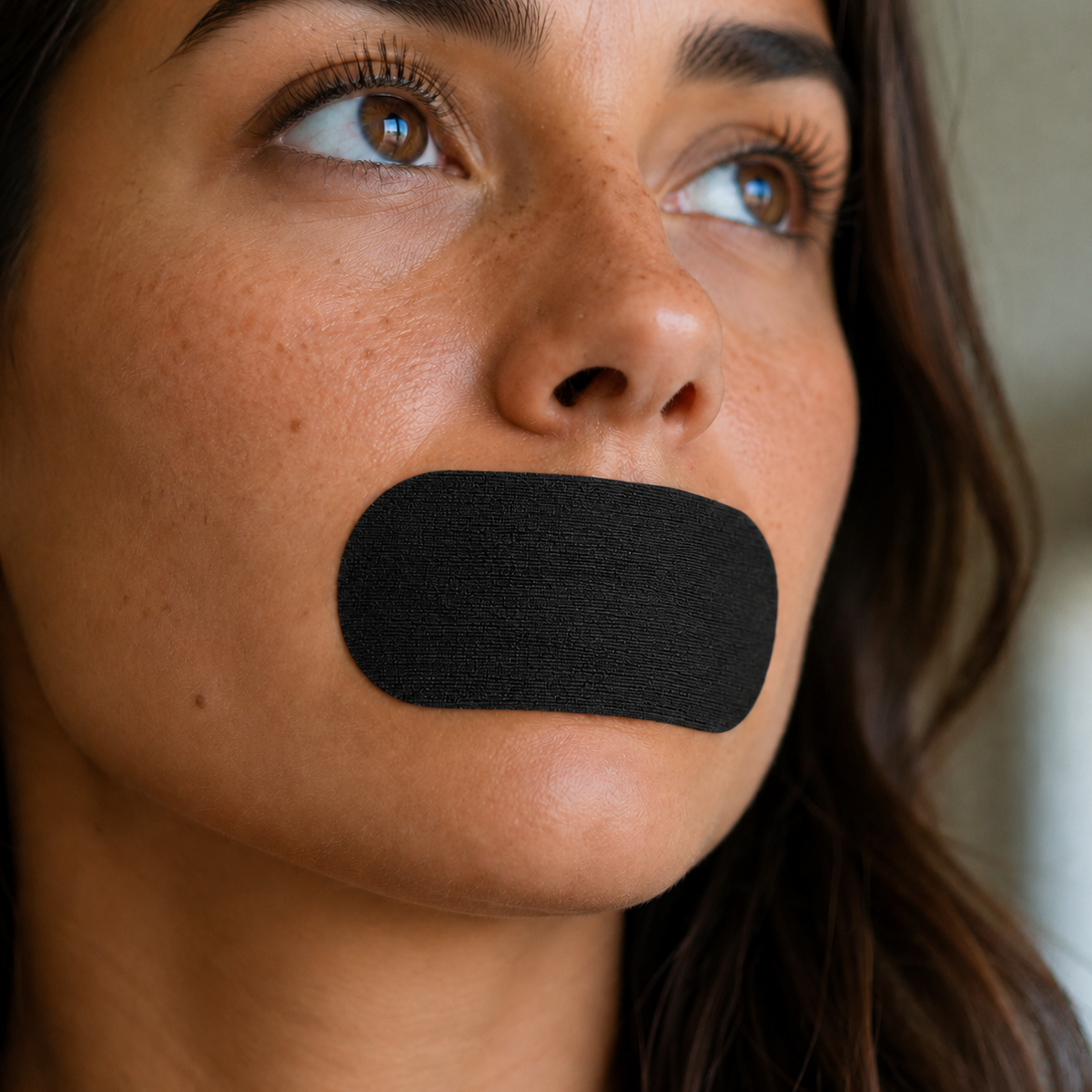
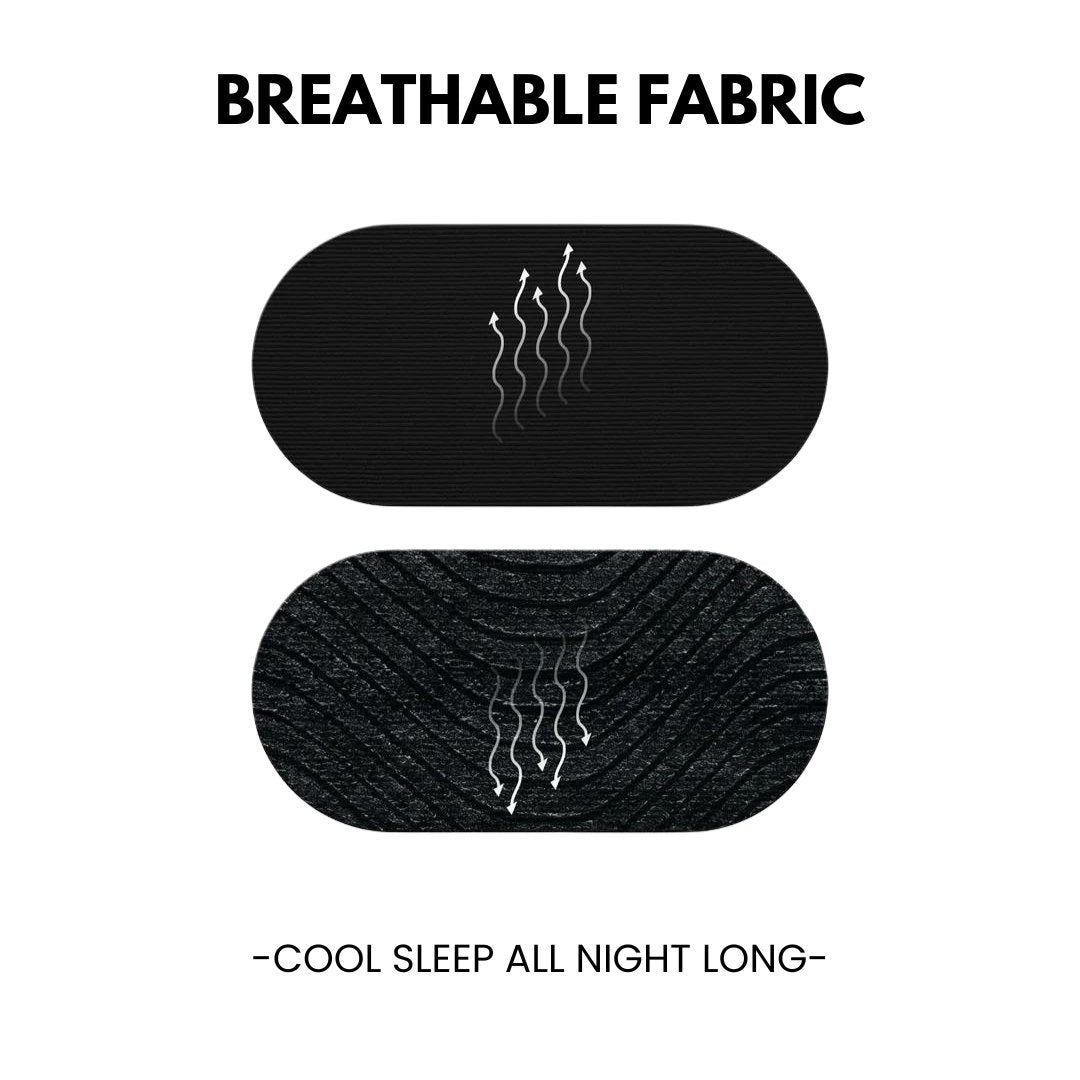
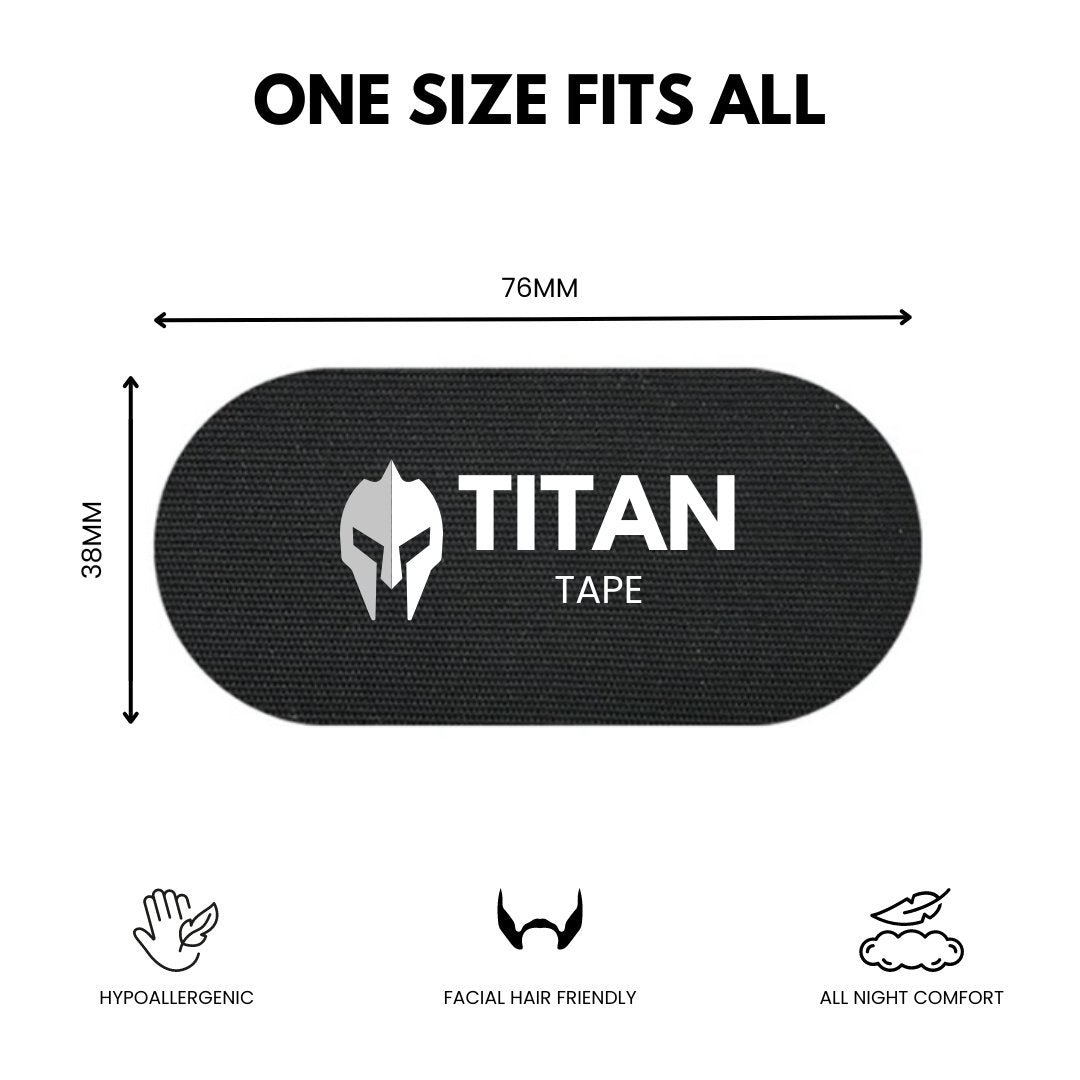
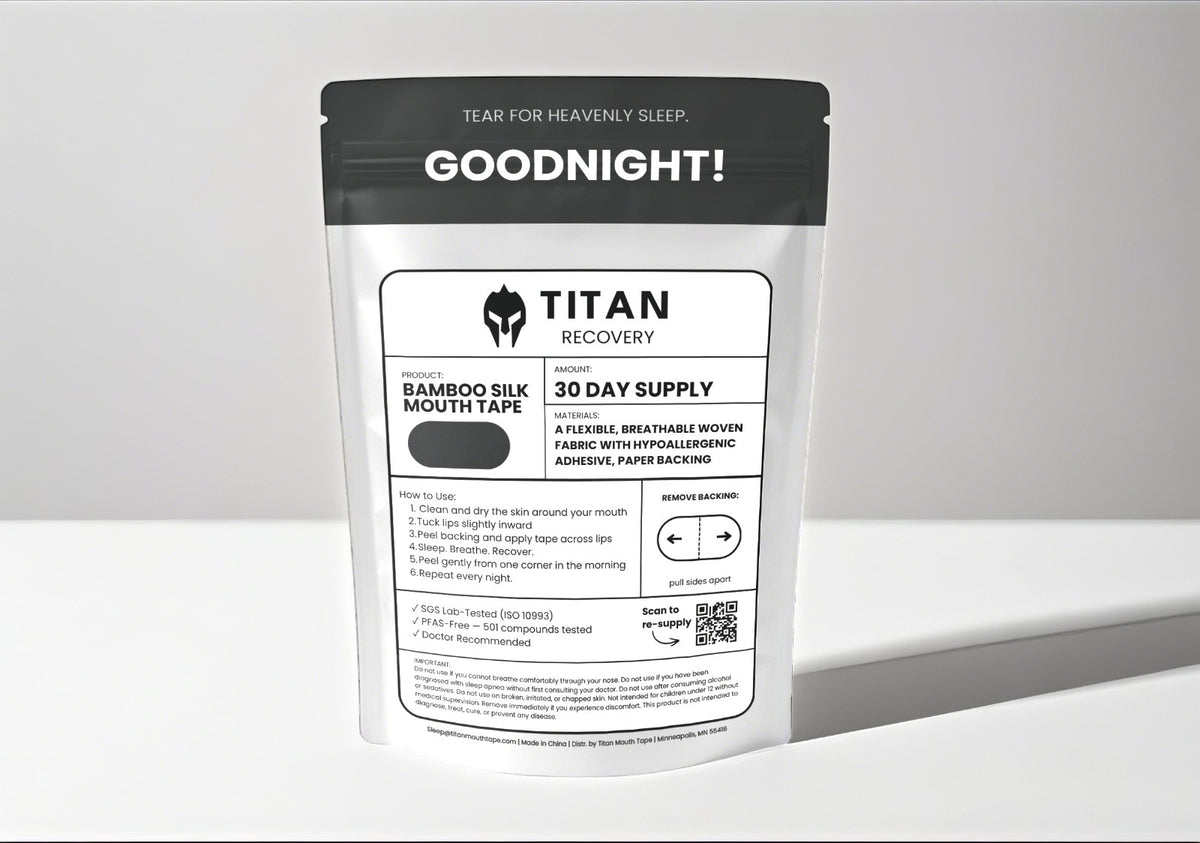
One common and fixable cause is mouth breathing overnight, which is tied to lighter, more broken sleep and a dry airway. Nasal breathing supports steadier, deeper sleep and better oxygen exchange. Nasal breathing's role in recovery is why many athletes manage how they breathe at night, not just how long they sleep. Keeping the mouth gently closed with bamboo silk mouth tape and the nose open with TitanAir nasal strips is a low-effort way to protect sleep quality.
How to Get Enough as an Athlete
Treat sleep like a training variable. Set a consistent schedule, aim to be in bed long enough to actually hit 8-9 hours asleep, and bank an earlier night before hard sessions or competition. Use short naps (20-30 minutes, early afternoon) to top up without hurting night sleep. Wind down properly — dim lights, cut late caffeine and alcohol, and keep the room cool. For mornings, see how to wake up refreshed instead of groggy.
The Bottom Line
Athletes need at least 7-9 hours, and hard training often pushes that to 9 or more. But the real goal is enough deep, uninterrupted sleep to cover the recovery your training demands. Protect both the quantity and the quality — including how you breathe overnight — and sleep becomes one of the biggest performance edges you have, for free.
Frequently asked questions
How much sleep do athletes need?
Most athletes need at least 7-9 hours, and many who train hard do best with 9 or more. Training adds a recovery demand on top of normal daily needs, so athletes often need more sleep than the general population.
Do naps help athletes recover?
Yes. A 20-30 minute nap can reduce fatigue and sharpen reaction time without wrecking nighttime sleep. Longer naps late in the day can make it harder to fall asleep at night, so keep them short and early.
What does sleep deprivation do to athletic performance?
Even partial sleep loss is linked to slower reaction time, reduced endurance and strength output, worse accuracy, impaired decision-making, and a higher injury risk. The effects build with each short night.
Related reading: Does Sleep Affect Your Skin? Beauty Sleep, Explained
Doctor Recommended: "As a maxillofacial surgeon and dentist, I recommend Titan Mouth Tape. Nasal breathing during sleep is essential for airway health and deep restorative rest. Titan's bamboo silk design is the most comfortable and effective mouth tape I have tested. If you struggle with snoring, dry mouth, or poor sleep quality, this is the simplest change you can make for your health." — Dr. Francois Proux, MD, DDS — Maxillofacial Surgeon
Lab-Tested Safety: Titan's adhesive is independently tested to ISO 10993 medical device standards. Non-toxic (95% cell viability). Non-allergenic (0% reaction rate). Non-irritating (score 0.0/8.0). PFAS-free — 501 compounds tested, zero detected. See full test results →
Try the complete system tonight. Titan Mouth Tape (bamboo silk, SilkSeal™ adhesive) + TitanAir Nasal Strips. Free shipping. 30-night Better Sleep Guarantee. Shop Titan Mouth Tape → · Shop TitanAir Nasal Strips →