Does Mouth Tape Hurt to Remove?
Share
The morning peel. It's the thing that stops people from trying mouth tape in the first place, and it's the thing that makes people quit after a few nights of using the wrong product. You picture yourself ripping tape off your lips like a bandage from a wound, and the whole concept goes from intriguing to painful before you've even opened the package.
Does mouth tape hurt to remove? With tape designed for sleep, no. It should peel off easily and painlessly in the morning with a slow, steady pull from one corner. If removal hurts, the problem is the tape — specifically, an adhesive that's too aggressive for the delicate skin around your mouth. Sleep-specific mouth tape uses a medical-grade adhesive calibrated for gentle release after overnight wear.
Why Some Mouth Tape Hurts (and It's Always the Adhesive)
The pain question exists because people try mouth taping with tape that was never designed for lips. Athletic tape, surgical tape, duct tape — the list of products people have put on their mouths is alarming. Athletic tape is designed to survive a basketball game, not a gentle night of sleep. Surgical tape is closer to appropriate but still too aggressive for eight hours on lip skin. And duct tape — yes, people do this — is designed to bond permanently to surfaces and can cause genuine skin injury. None of these are the right tool for the job.
The common thread is that these tapes use adhesives designed for a different purpose. They're either too strong, not biocompatible with skin, or both. Safety concerns about mouth tape are legitimate — but they're concerns about using the wrong product, not about mouth taping as a practice.
What Makes Sleep-Specific Tape Different
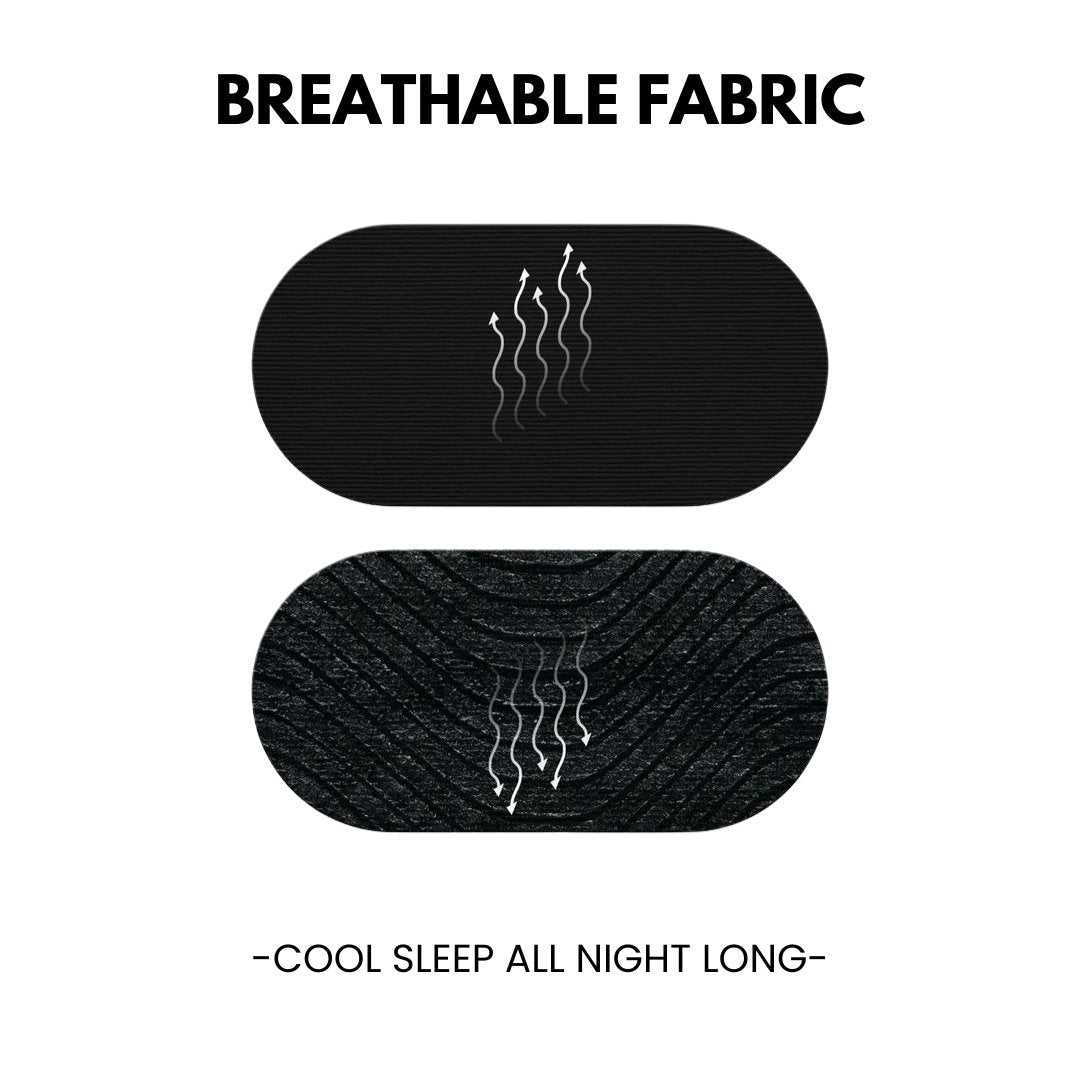
Purpose-built mouth tape for sleep solves a specific engineering problem: stick firmly to facial skin for seven to nine hours without causing pain or skin damage on removal. Sleep tapes use medical-grade, pressure-sensitive adhesives formulated for prolonged skin contact. They achieve their bond through gentle, sustained contact rather than chemical aggressiveness, and they release cleanly when peeled slowly. They're also designed for the lip and perioral area — skin that's thinner and more sensitive than your arm or torso — and use hypoallergenic, latex-free formulations to minimize the risk of contact dermatitis from nightly use.
The upshot: with the right tape, morning removal should feel about as eventful as peeling off a small bandage. A gentle tug, a clean release, and no residue left behind. If that doesn't match your experience, the tape is the problem.
How to Remove Mouth Tape Without Discomfort
Even with proper sleep tape, technique matters. The way you remove the tape affects how it feels — the same tape can feel painless or uncomfortable depending on how quickly you peel it and at what angle.
Start at one corner. Don't grab the center of the tape and pull outward. Use your fingertip to lift one corner — any corner — and begin peeling from there. This concentrates the peeling force on a small area and breaks the bond progressively rather than all at once.
Peel slowly. Speed is the enemy. A fast rip concentrates force and creates a sharp pulling sensation on the skin. A slow, steady peel allows the adhesive to release gradually, distributing the force over time. Think of it like removing a sticker from a surface you don't want to damage — slow wins.
Keep the peel angle low. Pull the tape back on itself at a low angle, close to the skin surface, rather than pulling straight outward at 90 degrees. A low angle reduces the perpendicular force on the skin and makes the adhesive release more smoothly. High-angle pulls feel more aggressive because they're lifting the skin rather than sliding the adhesive free.
Support the skin with your other hand. If you have sensitive skin, use your free hand to gently hold the skin taut near the edge where you're peeling. This prevents the skin from stretching and pulling with the tape, which reduces discomfort and also prevents the micro-trauma that can cause redness.
Use warm water for stubborn spots. If you wake up and a section of tape feels firmly stuck — usually at the center of the lip seal — press a warm, damp cloth or your warm fingers against it for a few seconds before peeling. The warmth softens the adhesive and makes the bond release easily. This is rarely necessary with quality sleep tape, but it's a good trick for mornings when the tape adhered particularly well.
What About Sensitive Skin?
If you have sensitive or reactive skin, the removal question is even more important. Sensitive skin is more prone to irritation from adhesives, more likely to show redness after tape removal, and more vulnerable to the micro-damage that aggressive tapes can cause.
Two things matter most for sensitive skin users:
Tape material. The fabric of the tape sits against your skin all night. Synthetic materials can cause friction and heat buildup that irritates sensitive skin. Natural materials like bamboo silk are gentler — the fibers are smoother at the microscopic level, produce less friction, and are less likely to cause contact irritation. Choosing mouth tape designed for sensitive skin isn't a luxury preference; it's a practical decision that affects whether you can use the product long-term without skin issues.
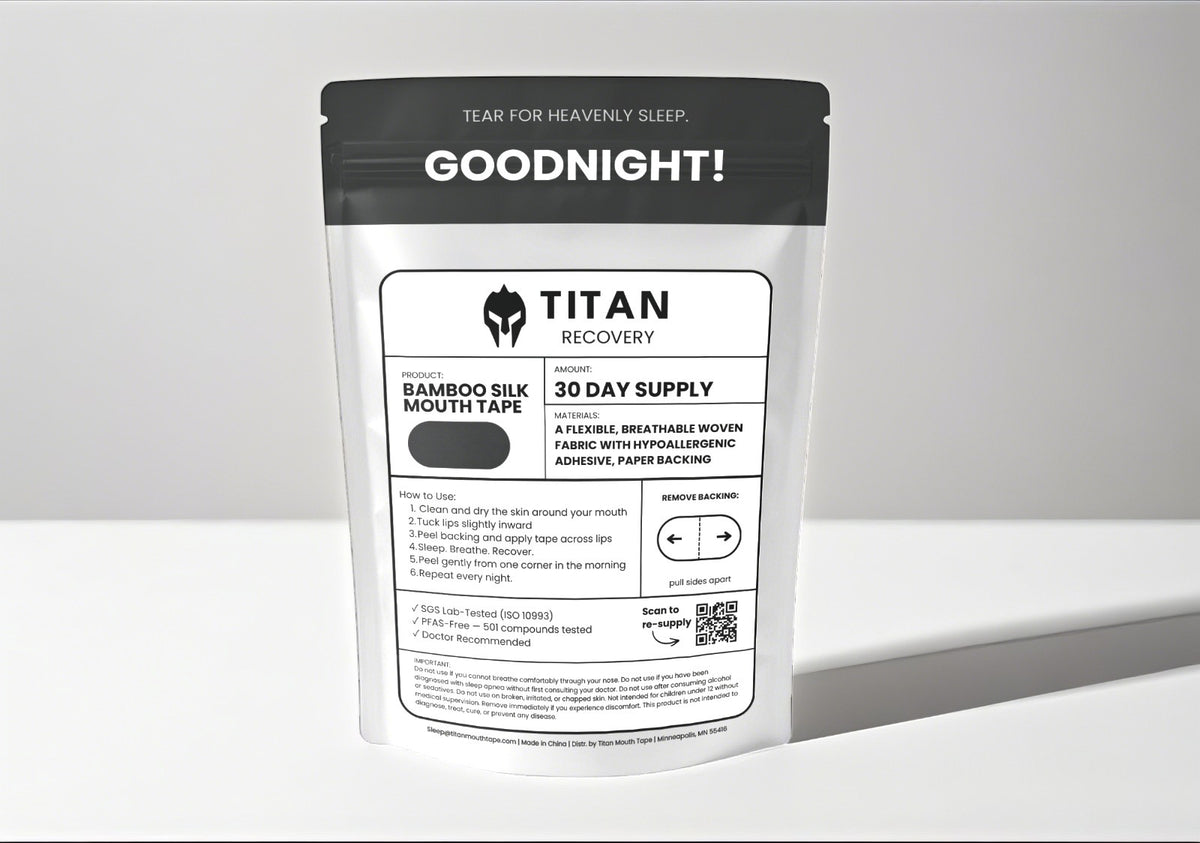
Adhesive testing. Look for tape whose adhesive has been tested to ISO 10993, the international standard for biocompatibility of medical devices. This testing evaluates whether the adhesive causes cytotoxicity (cell damage), sensitization (allergic reactions), or irritation during prolonged skin contact. It's the closest thing to a guarantee that the adhesive won't harm your skin with nightly use. Not all mouth tapes carry this certification — if a product doesn't mention biocompatibility testing, the adhesive hasn't been independently verified for skin safety.
If you're particularly concerned, test any new tape on a small patch of skin inside your forearm before applying it to your face overnight. Wear it for the same duration you'd sleep — seven to eight hours — and check for redness, itching, or irritation. If the forearm test is fine, your facial skin will almost certainly tolerate it as well.
Signs Your Tape's Adhesive Is Too Aggressive
Sometimes the problem isn't obvious. You may not think removal "hurts" exactly, but you're noticing effects that suggest the adhesive is doing low-grade damage over time. Watch for these signals:
- Redness that lasts more than a few minutes after removal. Brief, mild pinkness is normal and fades within minutes. Redness that persists for an hour or more suggests the adhesive is too aggressive for your skin.
- Dry, flaky skin in the taping area. If the skin around your lips is drier or flakier than usual, the adhesive may be stripping the outer layer of skin cells with each removal — a sign it's bonding too aggressively.
- Itching or tingling during wear. You shouldn't feel the tape doing anything to your skin while it's on. If you notice itching, tingling, or warmth under the tape, you may be reacting to the adhesive.
- Adhesive residue left on the skin. Quality sleep tape removes cleanly. If you're left with sticky residue that requires scrubbing to remove, the adhesive formulation isn't designed for skin.
- Feeling genuinely anxious about the morning removal. If you're dreading taking the tape off, that's your body telling you something. Mouth tape removal should be a non-event — not something you have to psych yourself up for.
Any of these signs is a reason to switch products. The goal is to find tape you forget you're wearing — during the night and during removal.
What About Facial Hair?
Facial hair adds a layer of complexity to the removal question. If adhesive grips beard or mustache hair during the night, morning removal can pull those hairs — and that does hurt, regardless of how gentle the adhesive is on skin.
The solution is placement, not adhesive strength. Apply the tape to the lip surfaces themselves, where there's no hair, rather than on bearded skin. A vertical strip from the philtrum to just below the lower lip keeps the adhesive almost entirely on smooth, hair-free surfaces. Our full guide on mouth tape for beards covers the technique in detail, but the short version is: land the tape on lips, not on hair, and removal stays comfortable.
A Word About the "Break-In" Period
Some users report that the first few mornings feel slightly more noticeable than subsequent ones. This is normal — your skin and expectations are both adjusting. Much like the overall adjustment to mouth taping, the removal comfort improves as you dial in your technique. If removal is still uncomfortable after a week with proper technique, the adhesive isn't right for your skin — switch products rather than toughing it out.
The Bottom Line
Mouth tape should not hurt to remove. If it does, you're using the wrong tape. Sleep-specific mouth tape with a medical-grade, hypoallergenic adhesive peels off in the morning with the same effort and discomfort as removing a small bandage — which is to say, none worth mentioning.
Titan Mouth Tape uses bamboo silk fabric with a gentle, ISO 10993-tested adhesive that holds securely all night and releases cleanly in the morning. No residue, no skin damage, no dreading the morning peel. If you've been putting off mouth taping because you're worried about removal — or if you've tried it with the wrong tape and had a bad experience — this is the product designed to solve that exact problem. Try the Deep Sleep Bundle and see what a painless morning removal actually feels like.
Doctor Recommended: “As a maxillofacial surgeon and dentist, I recommend Titan Mouth Tape. Nasal breathing during sleep is essential for airway health and deep restorative rest. Titan’s bamboo silk design is the most comfortable and effective mouth tape I have tested. If you struggle with snoring, dry mouth, or poor sleep quality, this is the simplest change you can make for your health.” — Dr. Francois P., MD, DDS — Maxillofacial Surgeon
Lab-Tested Safety: Titan’s SilkSeal™ adhesive is independently tested to ISO 10993 medical device standards. Non-toxic (95% cell viability). Non-allergenic (0% reaction rate). Non-irritating (score 0.0/8.0). PFAS-free — 501 compounds tested, zero detected. See full test results →
Try it tonight. Bamboo silk. SilkSeal™ adhesive. Beard-friendly. No logo on the tape. Free shipping. 30-night Better Sleep Guarantee. Shop Titan Mouth Tape → · Shop TitanAir →