Does Exercise Help You Sleep? Timing and Recovery

Share
Does exercise help you sleep? For most people, yes. Regular exercise is one of the most consistently supported habits for falling asleep faster, sleeping more deeply, and feeling more rested. But the details matter: when you train, how hard you train, and whether your breathing lets you actually cash in on the recovery you earned.
Here's what the research generally shows, how to think about timing, and the part most articles skip: why hard training makes nighttime breathing matter even more.
How Exercise Improves Sleep
It helps you fall asleep faster. Physical activity builds what researchers call sleep pressure, the biological drive to sleep that accumulates the longer you're awake and the more energy you spend. More daytime effort generally means a stronger drive to sleep at night.
It supports deep sleep. Studies on regular exercisers generally find more time in slow-wave sleep, the deep stage where much of the body's physical repair happens. If you want a refresher on the stages, our guide to REM vs deep sleep explains what each one does.
It helps regulate stress hormones. Exercise is a controlled stressor. Done consistently, it tends to improve how your body handles stress overall, including cortisol patterns across the day. A healthier daily cortisol rhythm (high in the morning, low at night) is part of what makes sleep come easier.
It supports mood and mental load. Anxiety and a racing mind are among the most common reasons people can't fall asleep. Regular movement is associated with lower stress and better mood, which indirectly helps sleep.
One caveat worth stating plainly: much of this research is observational or short-term, and individual responses vary. Exercise is not a cure for insomnia or any sleep disorder. If you've struggled with sleep for weeks, talk to your doctor.
Does Exercise Before Bed Affect Sleep?
The classic advice is "don't work out within a few hours of bedtime." It's a reasonable default, because intense exercise raises heart rate, core temperature, and adrenaline, all of which work against winding down.
But the research here is more mixed than the rule suggests. Several reviews have found that evening exercise doesn't hurt sleep for many people, and some people sleep fine after a late session. What seems to matter most is:
Intensity. A walk, easy yoga, or light lifting in the evening is very different from sprint intervals at 9 p.m. Vigorous exercise very close to bed is the scenario most likely to cause trouble.
Your own response. Some people feel wired for hours after a hard session. Others crash. You are the best data source. Try a week of evening training and a week of earlier training and compare how fast you fall asleep and how you feel on waking.
Consistency. Training at roughly the same time every day helps anchor your body clock, which often matters more than the specific hour you pick.
Morning vs. Evening Exercise
| Morning | Afternoon | Evening | |
|---|---|---|---|
| Reinforces body clock (daylight exposure) | ✓ | ✓ | Varies |
| Plenty of time to wind down | ✓ | ✓ | Depends on intensity |
| Fits most schedules | Varies | Varies | ✓ |
| Risk of being too wired for bed | Low | Low | Higher if vigorous and late |
The honest summary: the best time to exercise for sleep is the time you'll actually do it consistently. Earlier in the day is the safest default, but a regular evening routine that you tolerate well beats a morning plan you skip.
How Much Is Enough?
You don't need to destroy yourself. General public health guidance points to roughly 150 minutes a week of moderate activity, and studies on sleep tend to show benefits at that level, with the effect building over weeks of consistency rather than from a single workout. Overtraining is the opposite problem: very high volume without enough recovery can raise resting heart rate, leave you tired but wired, and disrupt sleep. If your training is going up and your sleep is getting worse, that's a signal to pull back, not push through.
Sleep Is Where the Training Actually Pays Off
The relationship runs both ways. Exercise improves sleep, and sleep is where the adaptation from exercise happens. Deep sleep is when growth hormone release peaks and tissue repair is most active, which is why sleep is central to building muscle. Cut sleep short and you tend to see worse performance, slower reaction time, and a harder time recovering between sessions.
That's also why serious athletes treat sleep as part of training. Our breakdown of how much sleep athletes need covers the targets in more detail.
The Breathing Piece Most Athletes Miss
Here's where hard training and sleep quality can quietly collide. After a tough session, your body wants more oxygen delivery, more repair, and lower stress, all overnight. That's a lot to ask of a nose that's partly blocked and a mouth that falls open once you fall asleep.
Congestion costs you deep sleep. Even mild nasal resistance pushes many people toward mouth breathing at night. Mouth breathing is linked to dry mouth, snoring, and more fragmented sleep, which is exactly what you don't want on a recovery night.
Nasal breathing supports calmer sleep. Breathing through the nose slows the breath, warms and filters air, and is associated with a more relaxed, parasympathetic state, the state your body needs to recover.
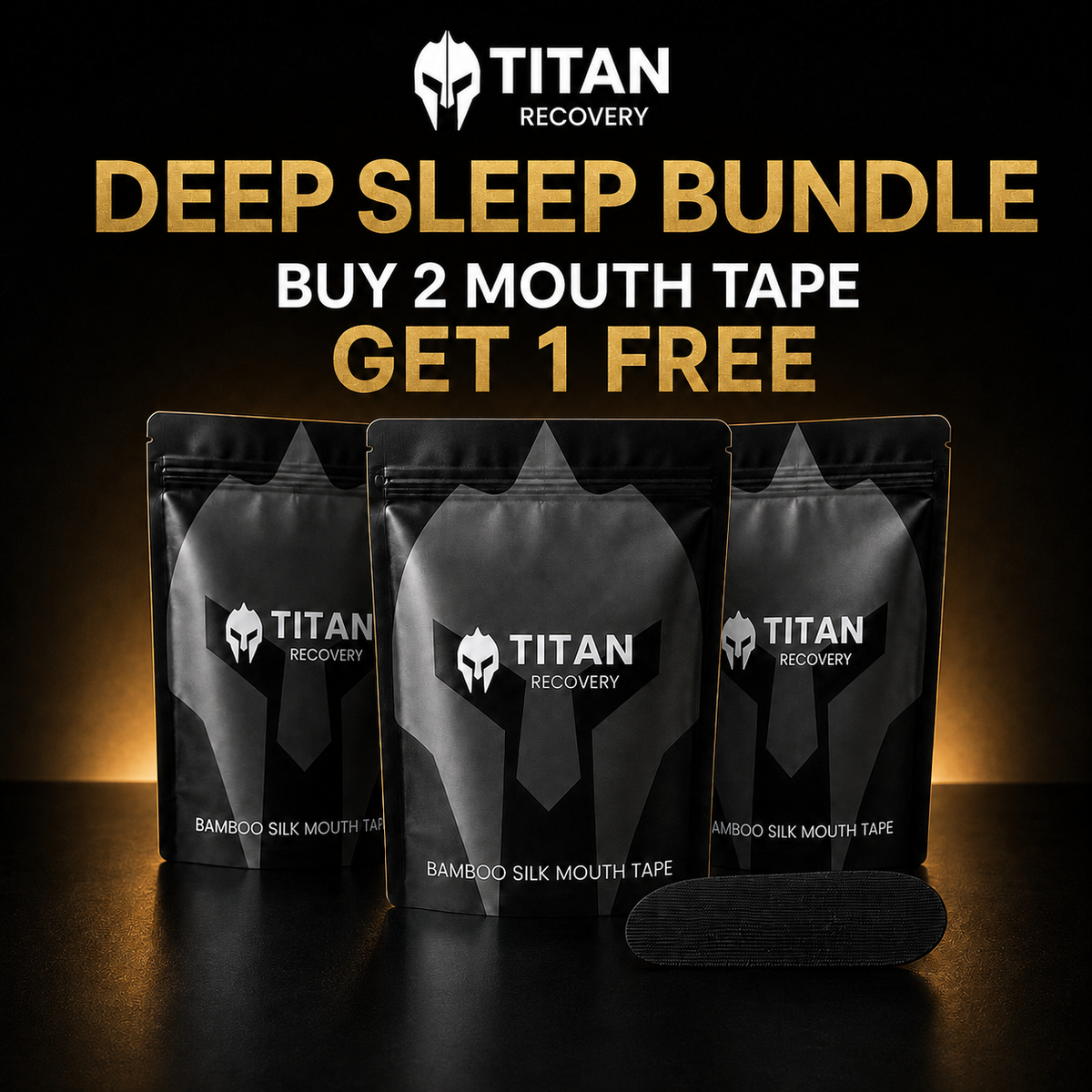
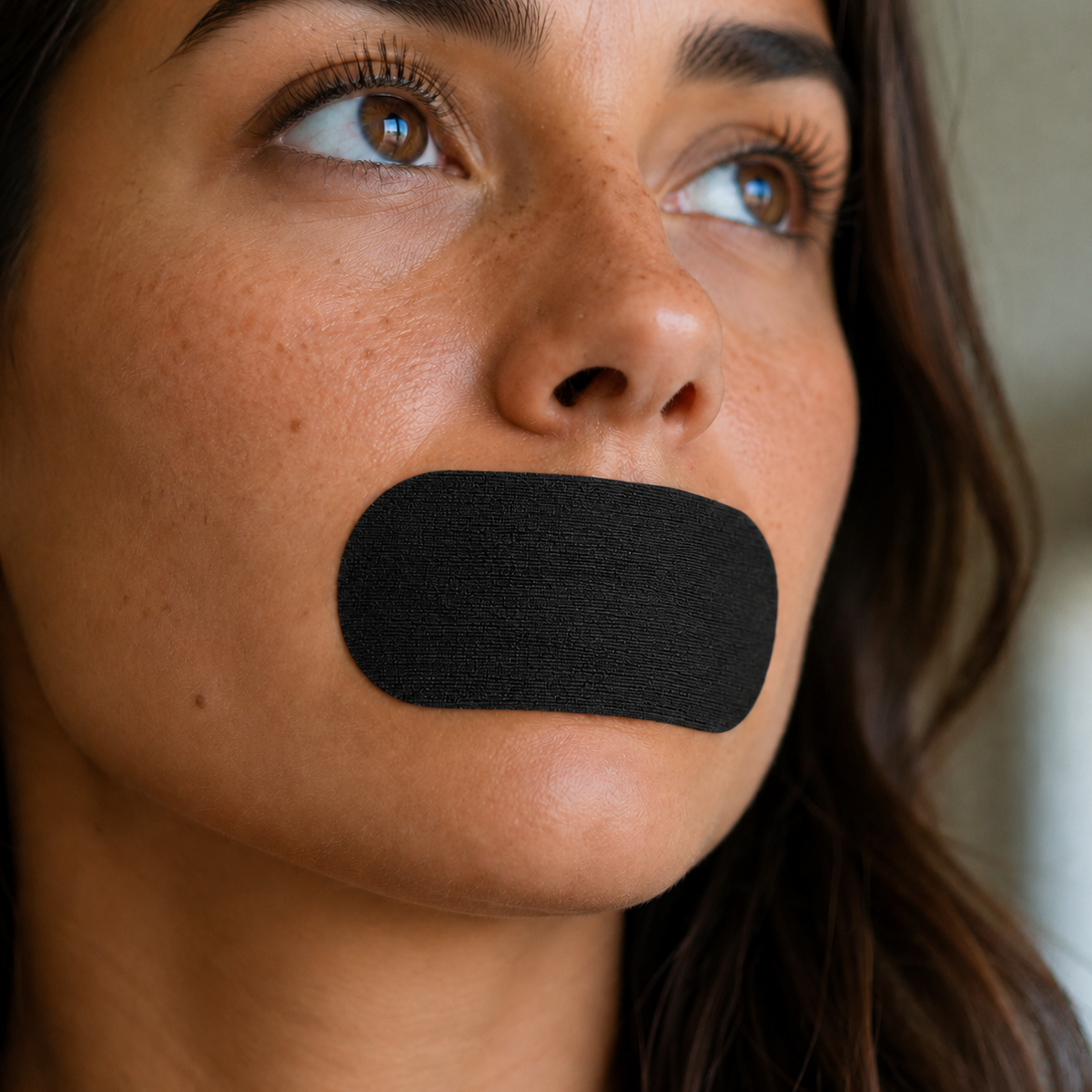
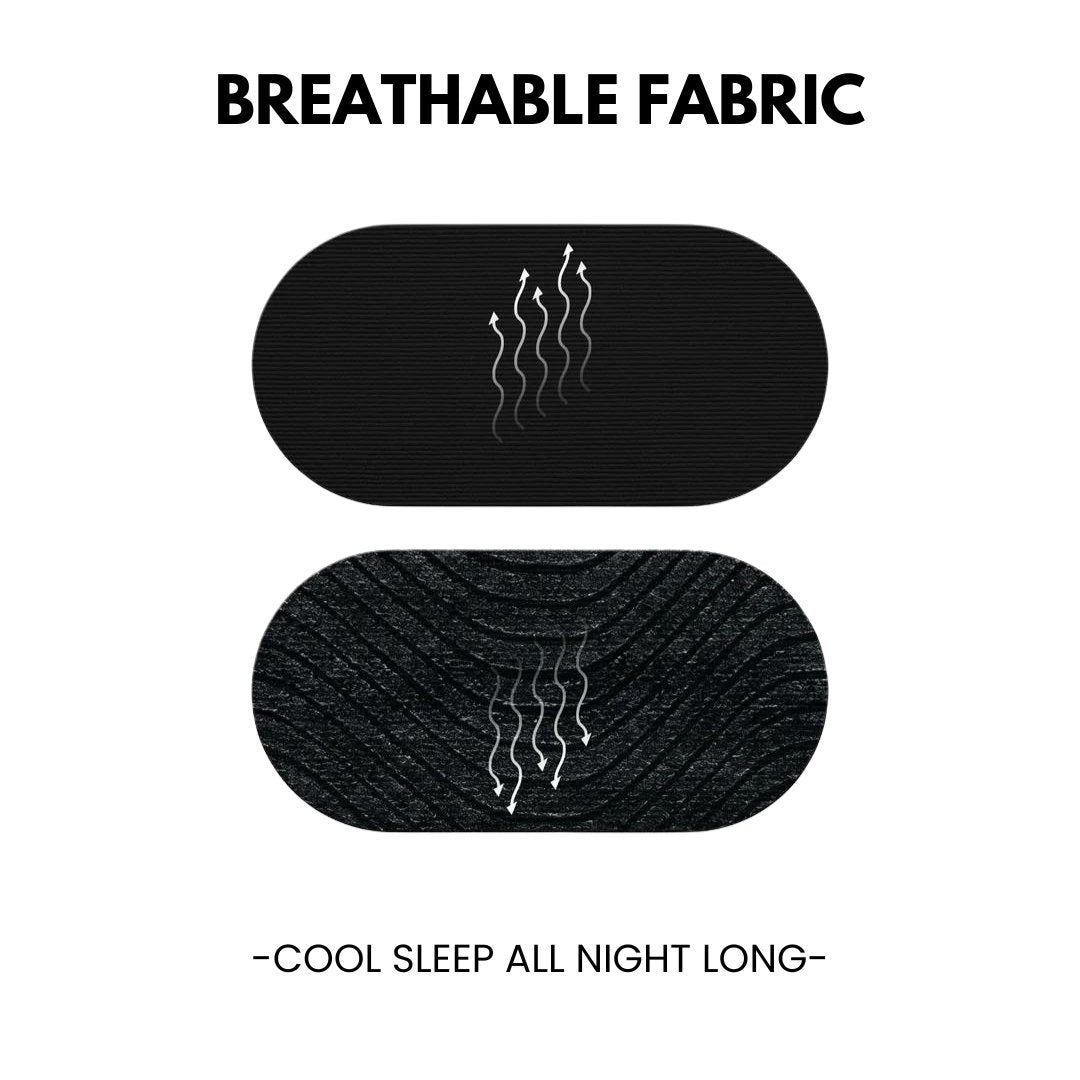
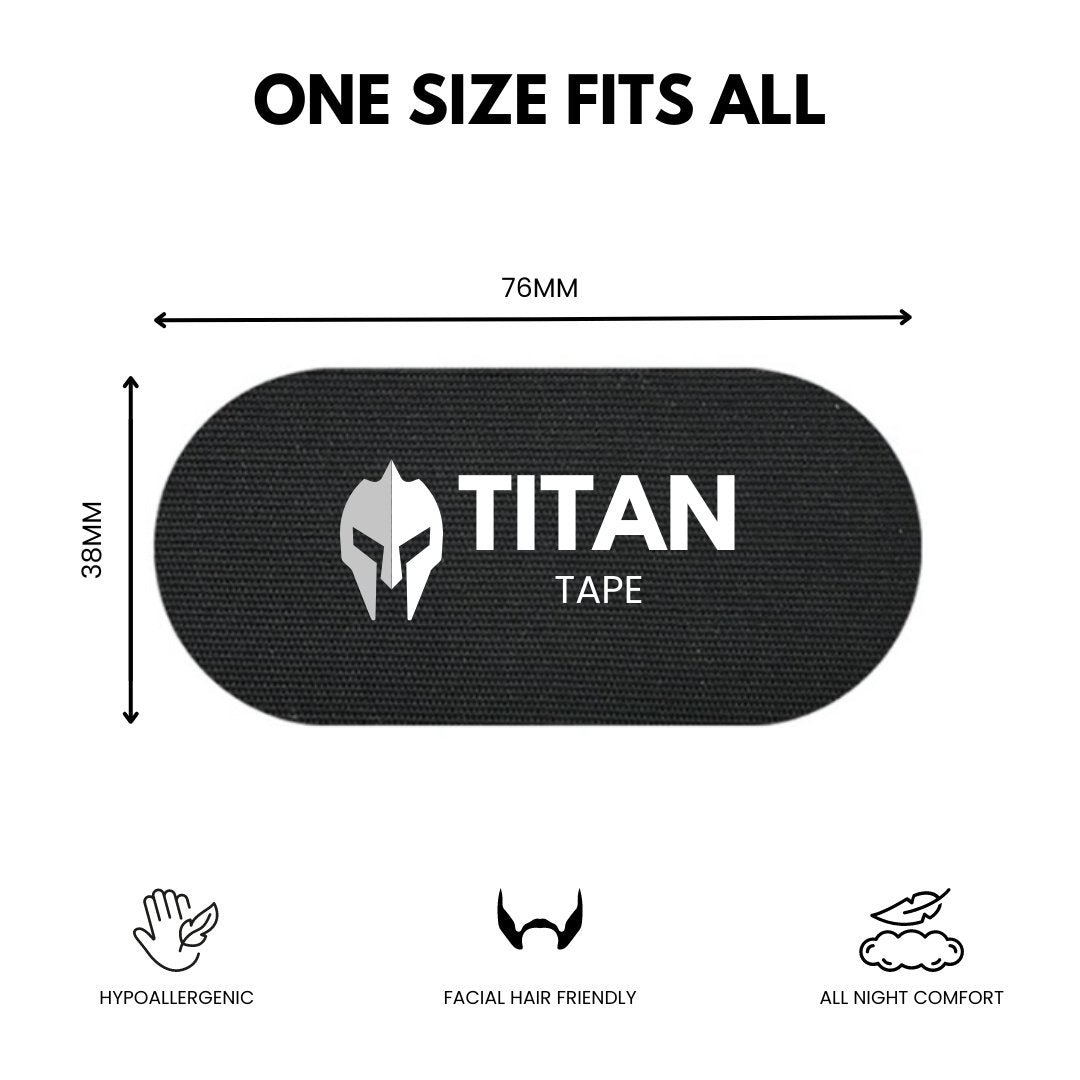
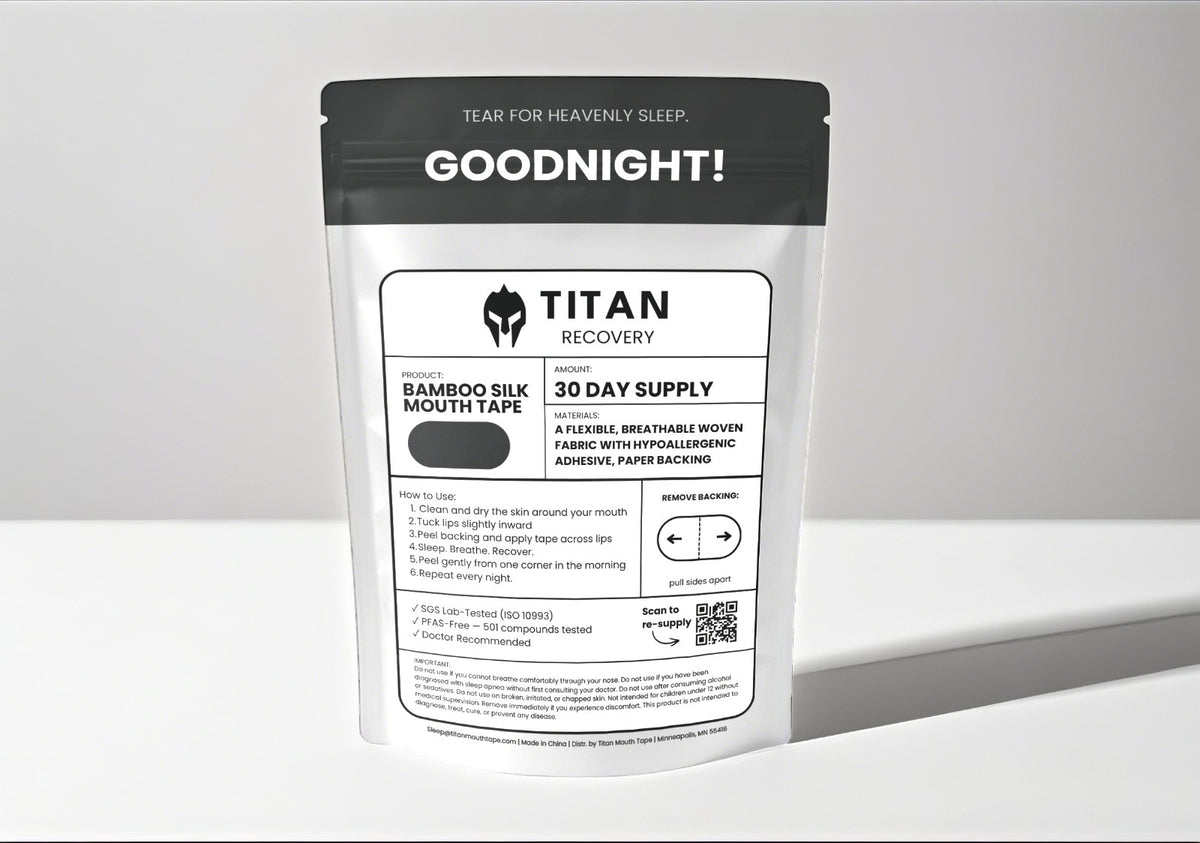
Mouth tape helps you stay with it. Once you're asleep you can't choose how you breathe. Titan Mouth Tape gently holds your lips closed so your body defaults to nasal breathing all night. Supplies run from 30 nights at $34.95 down to about $0.76 a night on the 360-night size.
Open the nose first. If your nose feels tight, especially after training in dry or cold air or during allergy season, TitanAir Nasal Strips widen the nasal passages mechanically, with no medication. Many athletes pair the two, and the Deep Sleep Bundle ($69.95) puts both together.
Olympians, NCAA athletes, and pro athletes use Titan tape and TitanAir as customers, because recovery sleep is a competitive edge. If you want the quick version of what a good morning feels like afterward, see our guide on how to wake up refreshed. Titan is rated 4.9 stars from 1,000+ sleepers.
A note on safety: mouth tape is not a treatment for sleep apnea or any medical condition. If you snore heavily, gasp at night, or feel exhausted despite enough hours, see a doctor first. And don't tape if your nose is blocked enough that you can't breathe comfortably through it.
A Simple Plan
Train consistently. Aim for regular activity most days, at a time you can keep up.
Keep late sessions lighter. If you train in the evening, save the hardest intervals for earlier, or give yourself a cool-down buffer.
Protect the sleep that follows. Keep the room cool and dark, stop caffeine early, and make sure you're breathing through your nose all night.
Watch your own data. If your sleep gets worse as training gets harder, adjust.
The Bottom Line
Exercise helps most people sleep better: faster onset, more deep sleep, and a calmer stress response. The timing rule about avoiding late workouts is a good default but not a law, so test what works for you. And because hard training raises the stakes on overnight recovery, make sure your breathing isn't getting in the way. Open the nose, keep the mouth closed, and let the sleep do the work your training set up.
Doctor Recommended: "As a maxillofacial surgeon and dentist, I recommend Titan Mouth Tape. Nasal breathing during sleep is essential for airway health and deep restorative rest. Titan's bamboo silk design is the most comfortable and effective mouth tape I have tested. If you struggle with snoring, dry mouth, or poor sleep quality, this is the simplest change you can make for your health." — Dr. Francois Proux, MD, DDS — Maxillofacial Surgeon
Lab-Tested Safety: Titan's adhesive is independently tested to ISO 10993 medical device standards. Non-toxic (95% cell viability). Non-allergenic (0% reaction rate). Non-irritating (score 0.0/8.0). PFAS-free — 501 compounds tested, zero detected. See full test results →
Try the complete system tonight. Titan Mouth Tape (bamboo silk, SilkSeal™ adhesive) + TitanAir Nasal Strips. Free shipping. 30-night Better Sleep Guarantee. Shop Titan Mouth Tape → · Shop TitanAir Nasal Strips →